เกิด
January 6, 1822
Neubukow, Germany
จากไป
December 26, 1890
Naples, Italy
เป็นที่รู้จักจาก
German businessman and archaeologist
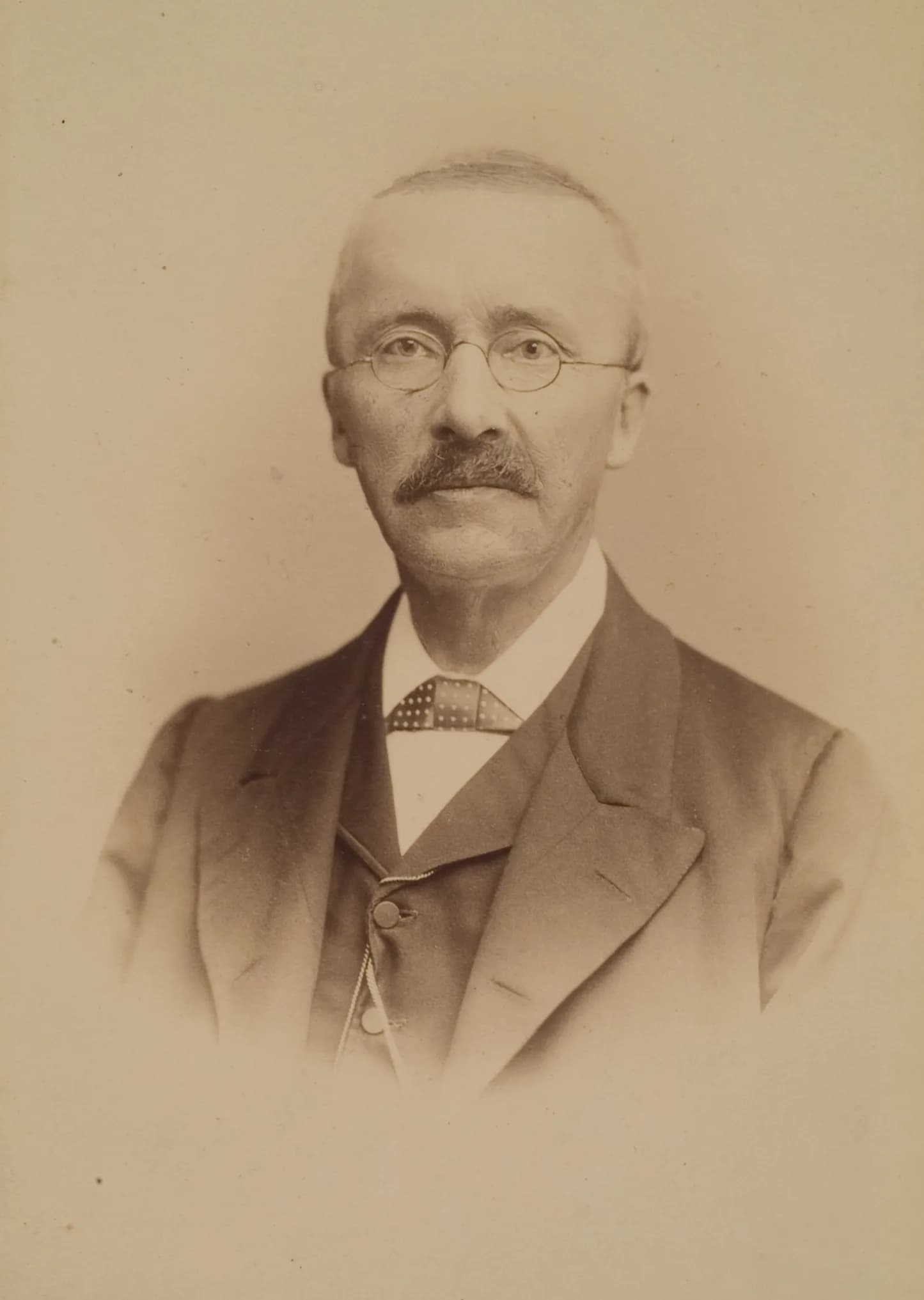
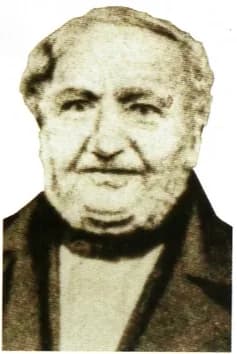
Heinrich Schliemann (1822–1890) was Germany best known for German businessman and archaeologist.
Johann Ludwig Heinrich Julius Schliemann (January 6, 1822 – December 26, 1890) was a German businessman and archaeologist from Neubukow, Germany. He famously excavated Hisarlık, believed to be Homeric Troy, and other Mycenaean sites. His work significantly supported the historicity of events described in Homer's Iliad.
บทที่
บทแห่งชีวิต
บทที่ 1 · 1822· บทที่ 1 จาก 7
Early Life and Origins
Heinrich Schliemann was born on January 6, 1822, in Neubukow, Germany. His early life set the stage for a diverse career path that would later intertwine with ancient history. From a young age, he developed an interest in the stories and legends that would shape his archaeological pursuits.
บทที่ 2· บทที่ 2 จาก 7
Career Beginnings
Before embarking on his archaeological endeavors, Schliemann established himself as a successful businessman. His early career as a merchant and entrepreneur provided him with the financial resources and organizational skills crucial for his later ambitious projects. This background allowed him to pursue his passion for ancient history with a distinct blend of commercial acumen and scholarly curiosity, cultivating his skills as a polyglot and traveler.
บทที่ 3· บทที่ 3 จาก 7
Major Achievements and Career Highlights
Schliemann's most significant achievements centered on his unwavering belief in the historical accuracy of Homer's narratives. He became a primary advocate for the historicity of places like Troy, as described in the Iliad. His determined efforts led him to Hisarlık, now widely presumed to be the ancient city of Troy.
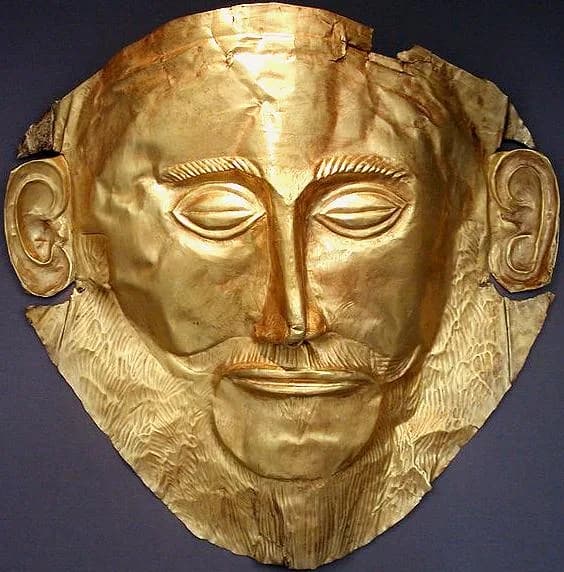
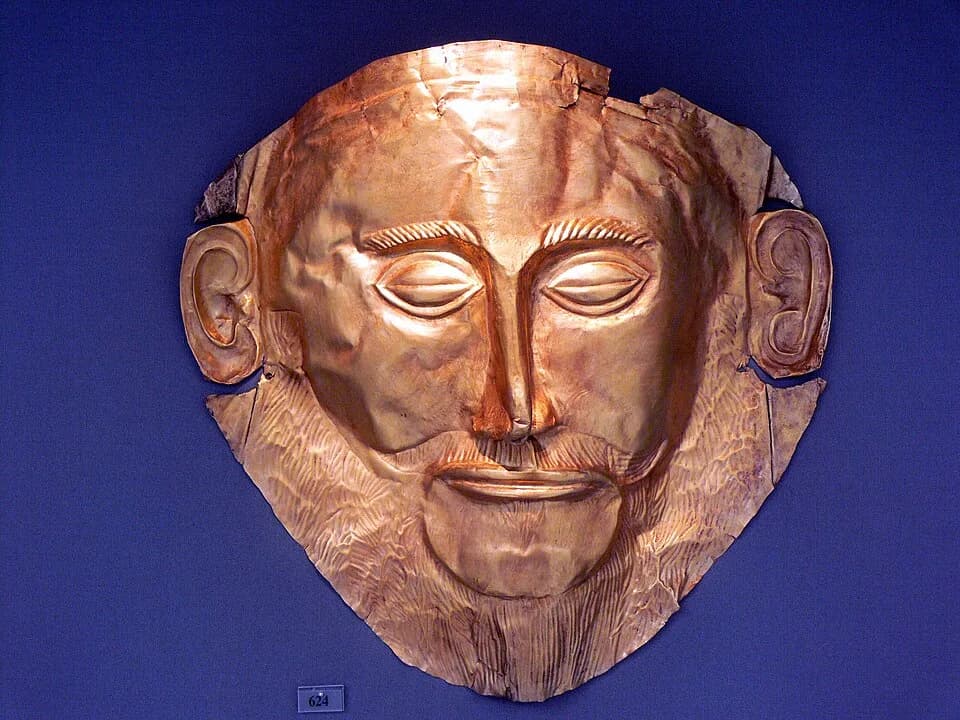
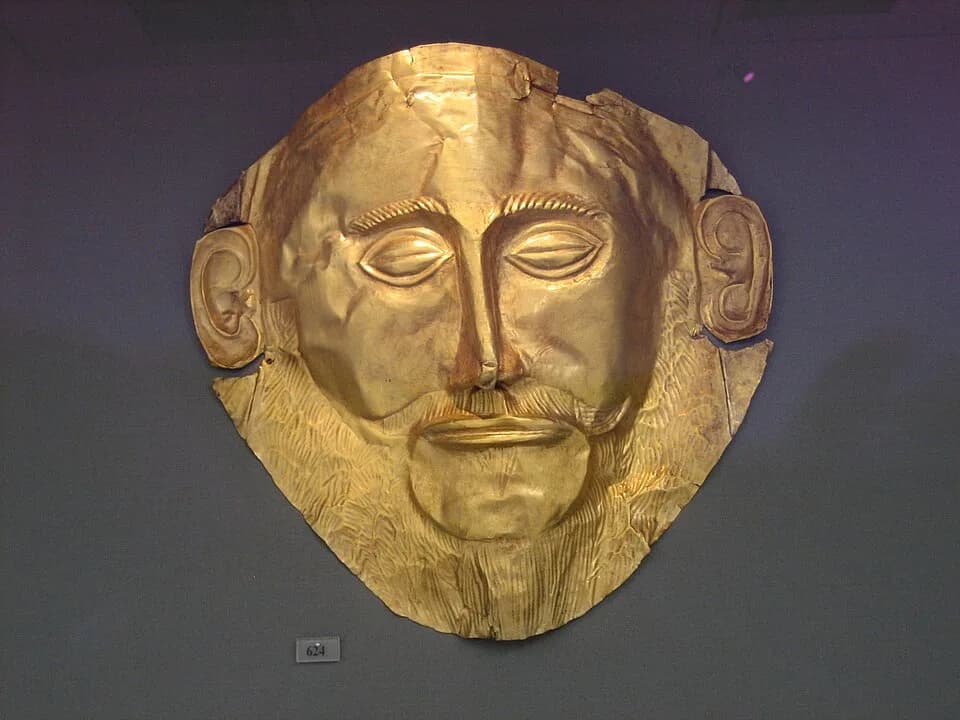
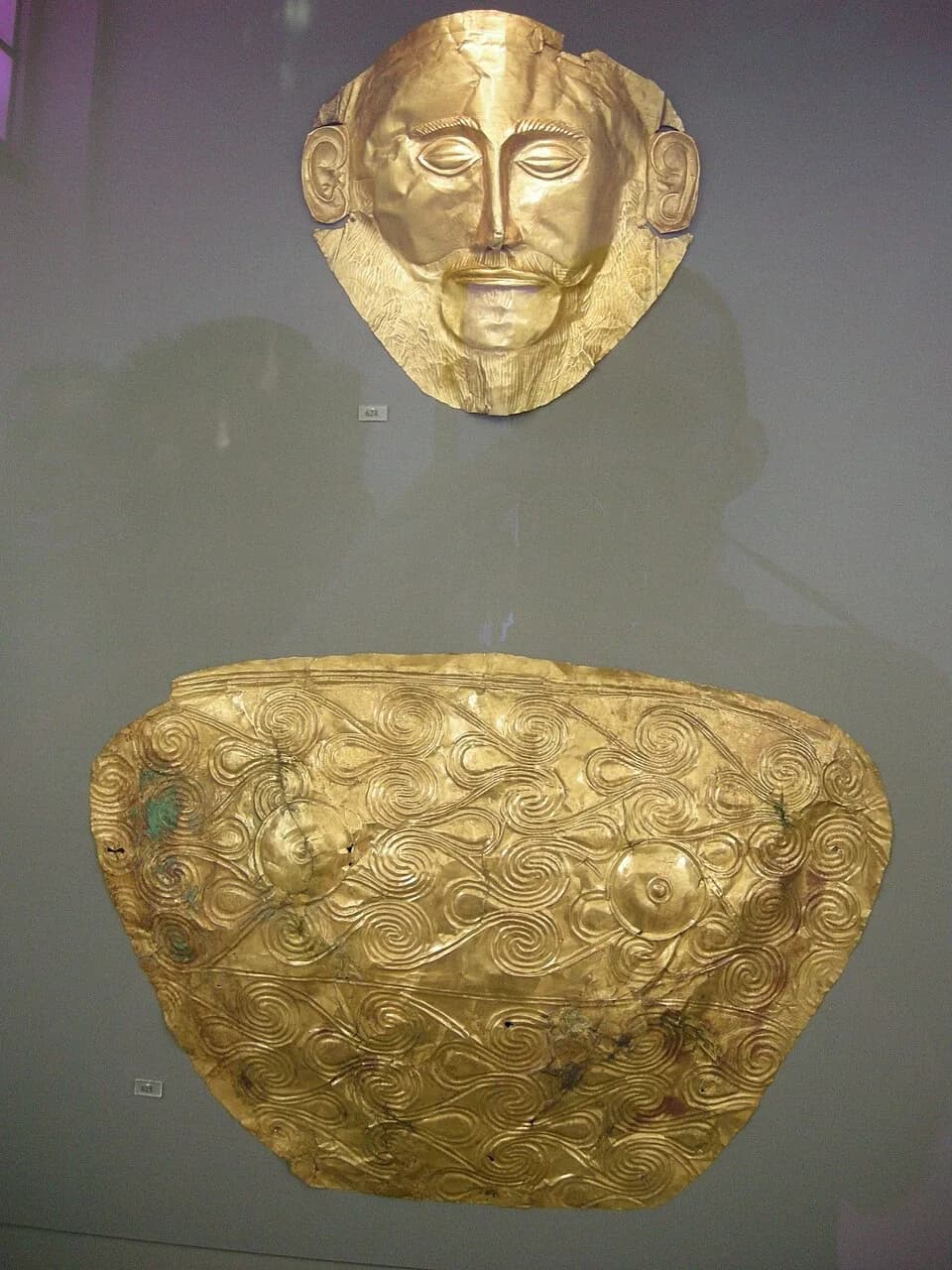
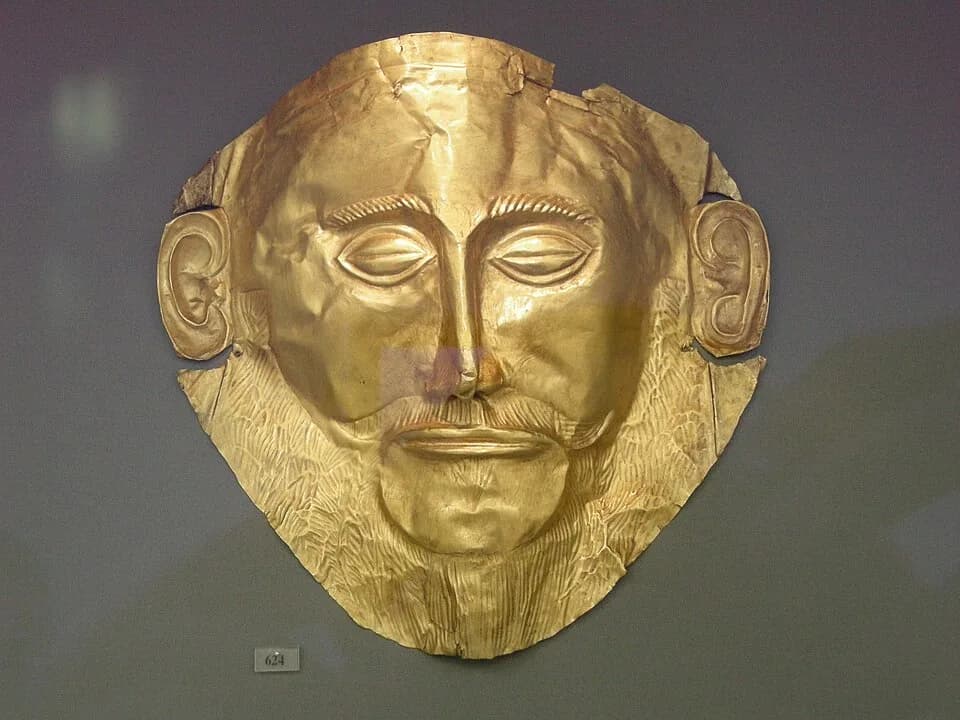
He undertook extensive archaeological excavations at this site, alongside important Mycenaean locations such as Mycenae and Tiryns. These efforts significantly bolstered the theory that Homer's epic poems were rooted in actual historical events and geographical locations. While his work was revolutionary, Schliemann's excavation methods, particularly the digging through nine layers of archaeological remains at Troy, faced criticism for being destructive to significant historical artifacts, including the layer believed to correspond to Homeric Troy itself.
บทที่ 4· บทที่ 4 จาก 7
Personal Life
The provided information primarily details Heinrich Schliemann's extensive professional life and monumental archaeological contributions. Specific details regarding his personal life, family, and relationships are not available within the provided summary. However, his relentless pursuit of ancient knowledge suggests a life deeply committed to his scholarly and adventurous passions.
บทที่ 5· บทที่ 5 จาก 7
Notable Works or Contributions
Heinrich Schliemann was not only an excavator but also a prolific writer, documenting his findings and thoughts for a wider audience. Among his significant works is Ilios, Stadt und Land der Trojaner, a pivotal publication detailing his discoveries at the site of Troy. He also shared his personal journey and reflections in Abenteuer meines Lebens.
Further contributing to the academic understanding of ancient Greece, he authored Mykenae, focusing on his excavations at that crucial Mycenaean site. His bibliography includes Orchomenos hypomnēma epi tōn en tō voiōtikō and Kein Troja ohne Homer, both reflecting his deep engagement with classical antiquity and his advocacy for the historical reality behind Homer's epics. These writings solidified his place as an art historian and an articulate proponent of his archaeological theories.
บทที่ 6 · 1890· บทที่ 6 จาก 7
Later Years
Heinrich Schliemann continued his relentless work in archaeology and scholarship until his passing. He died on December 26, 1890, in Naples, Italy, bringing an end to a life dedicated to unlocking the mysteries of the ancient world. His final years were marked by continued contributions to the field, solidifying his status as a pioneering figure.
บทที่ 7· บทที่ 7 จาก 7
Legacy and Impact
Heinrich Schliemann's legacy is complex yet undeniably impactful, reshaping the field of archaeology and the public's perception of ancient history. His audacious pursuit of Homer's Troy inspired generations and fundamentally changed how classical literature was viewed by lending weight to its historical underpinnings. The sites he excavated, particularly Hisarlık, Mycenae, and Tiryns, provided invaluable material evidence of Bronze Age civilizations.
Despite criticisms regarding his excavation methodologies, Schliemann's work illuminated previously unknown chapters of ancient Greek history. He remains an influential figure, remembered as a polyglot and a passionate advocate whose efforts dramatically advanced the understanding of early European civilizations. His pioneering spirit opened new avenues for archaeological inquiry, forever linking his name with the search for Troy.
ชีวิตในแต่ละช่วงเวลา
ช่วงเวลาที่หล่อหลอมชีวิต
FAQ
คำถามที่พบบ่อย
Heinrich Schliemann เสียชีวิตเมื่อใด?
Heinrich Schliemann เสียชีวิตเมื่อวันที่ 26 ธันวาคม 2433 ที่ Naples, Italy ขณะอายุ 68 ปี
Heinrich Schliemann เกิดที่ไหน?
Heinrich Schliemann เกิดที่ Neubukow, Germany เมื่อวันที่ 6 มกราคม 2365
Heinrich Schliemann เป็นที่รู้จักจากอะไรมากที่สุด?
Heinrich Schliemann เป็นที่รู้จักมากที่สุดจาก German businessman and archaeologist
Heinrich Schliemann อายุเท่าไหร่ตอนเสียชีวิต?
Heinrich Schliemann อายุ 68 ปี ตอนเสียชีวิต
Heinrich Schliemann เป็นชาวอะไร?
Heinrich Schliemann มาจาก Germany
ไทม์ไลน์
ชีวิตโดยย่อ
แกลเลอรีภาพถ่าย
ชีวิตในภาพ
คลิกที่โพลารอยด์ใดก็ได้เพื่อขยาย · 25 ภาพ
QR โค้ด
แบ่งปันประวัตินี้
พิมพ์และแบ่งปัน
สแกนเพื่อเยี่ยมชมหน้าประวัตินี้ พิมพ์สำหรับงานกิจกรรม นิทรรศการ หรือสื่อการศึกษา