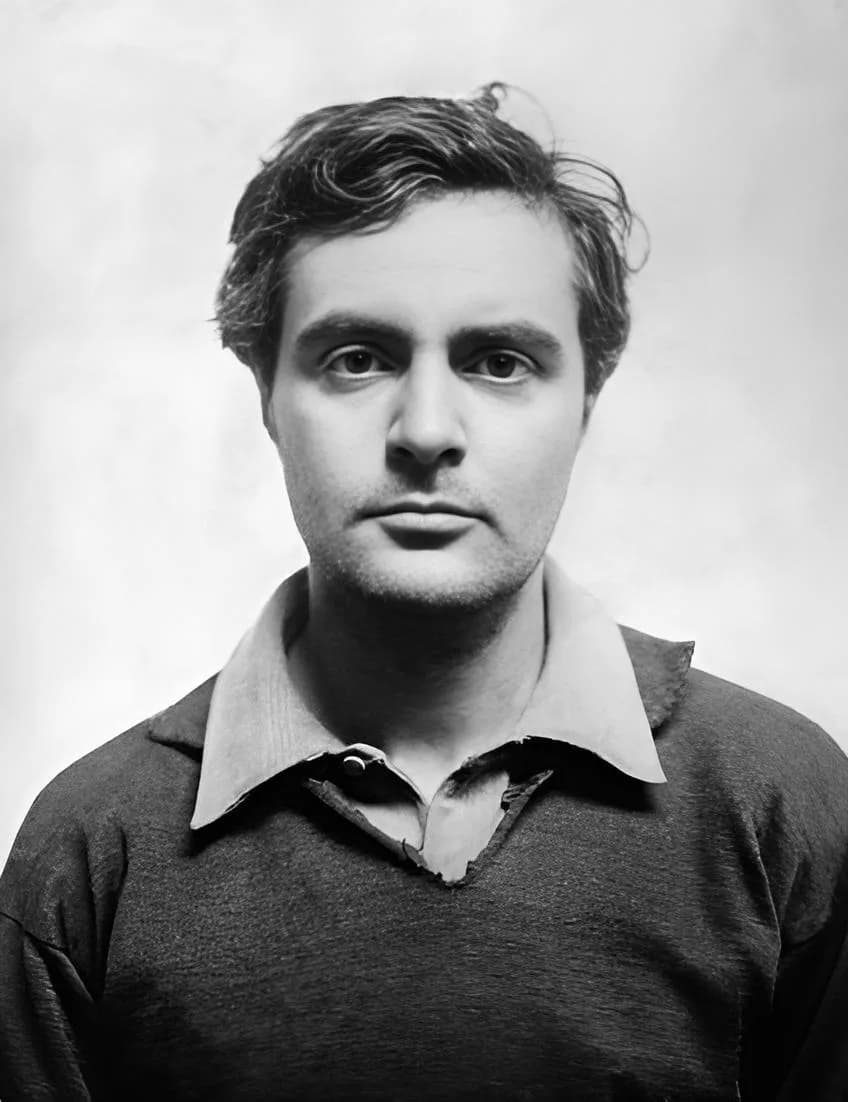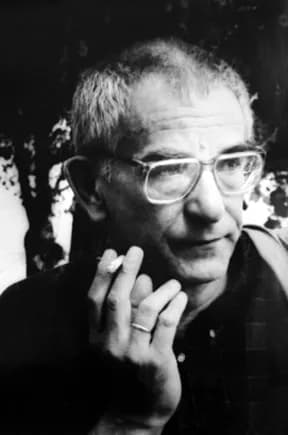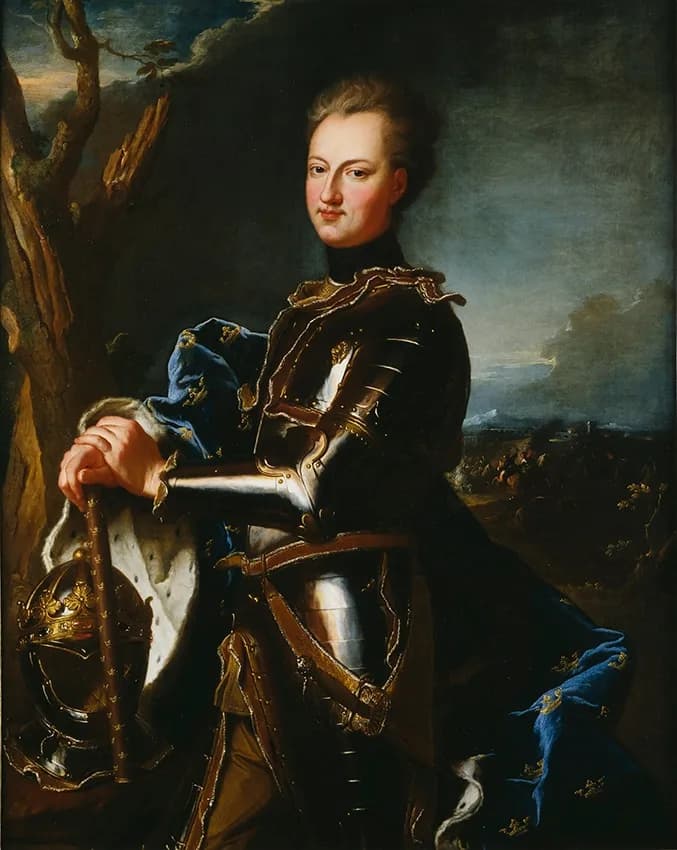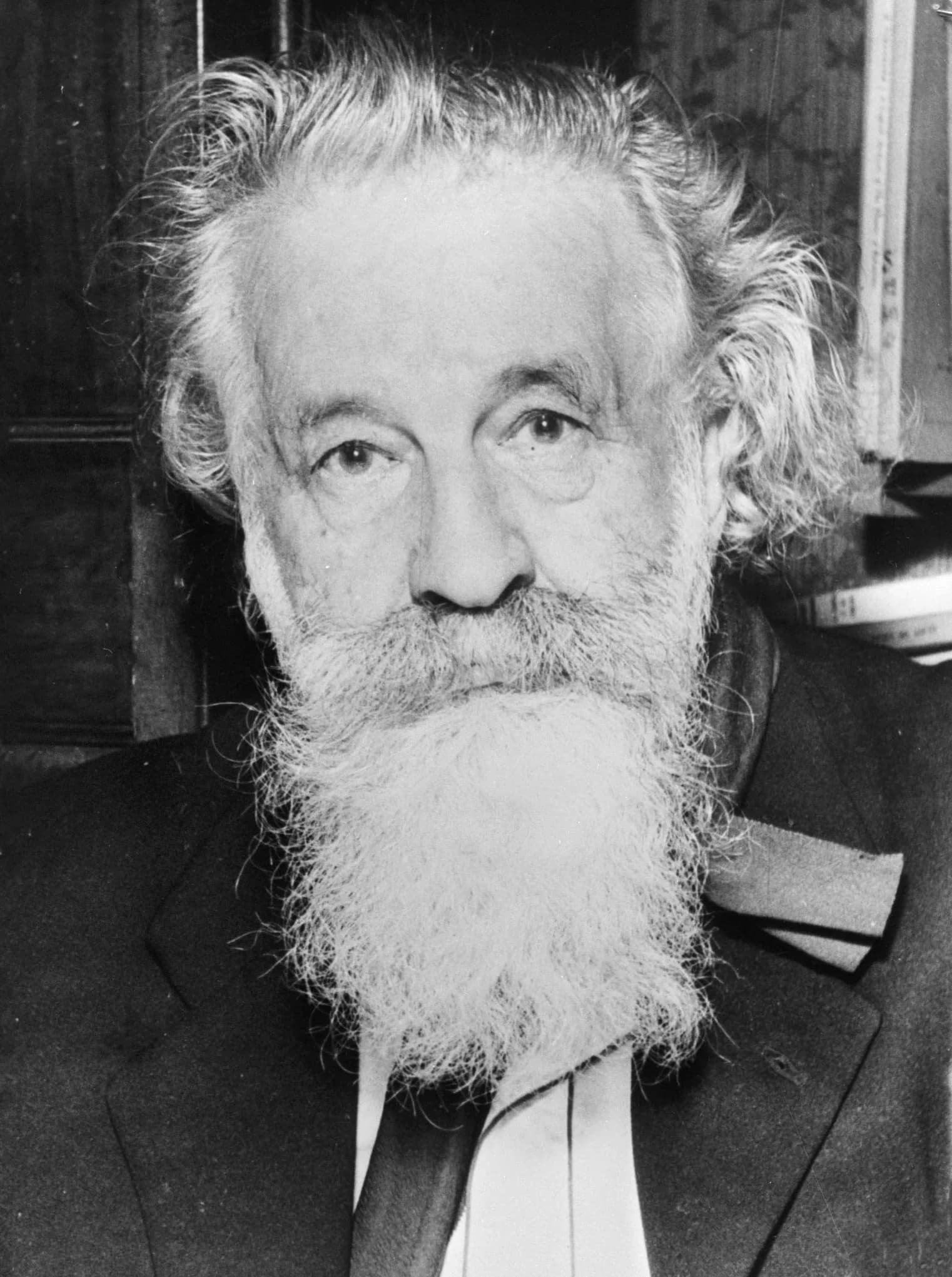
เกิด
June 27, 1884
Bar-sur-Aube, France
จากไป
October 16, 1962
9th arrondissement of Paris, France
เป็นที่รู้จักจาก
French writer and philosopher
Gaston Bachelard (1884–1962) was France best known for French writer and philosopher.
Gaston Bachelard (June 27, 1884 – October 16, 1962) was a French writer and philosopher. He introduced key concepts like 'epistemological obstacle' and 'epistemological break' in the philosophy of science. His work profoundly influenced subsequent French philosophers and sociologists, establishing him as a seminal figure.
ชีวิตในแต่ละช่วงเวลา
ช่วงเวลาที่หล่อหลอมชีวิต
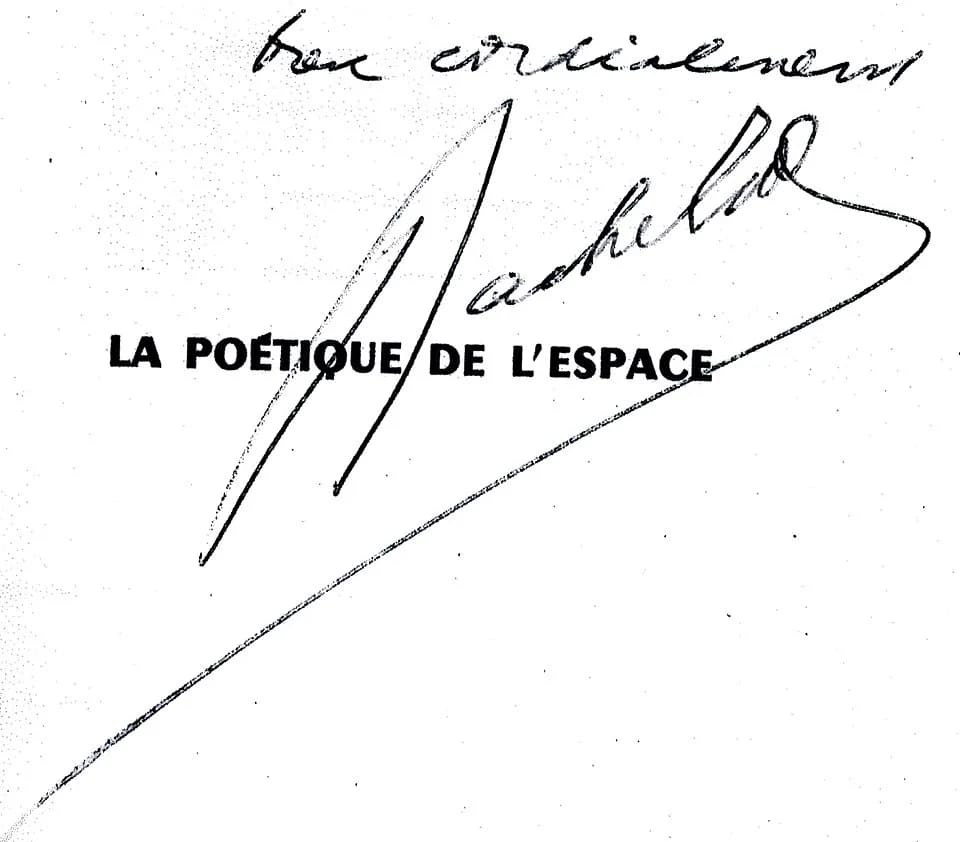
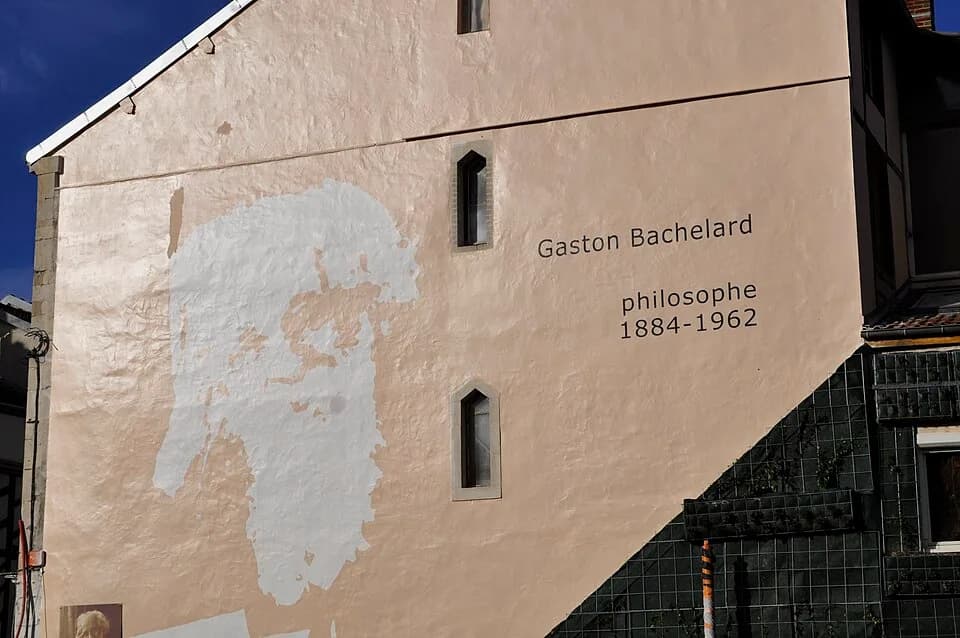
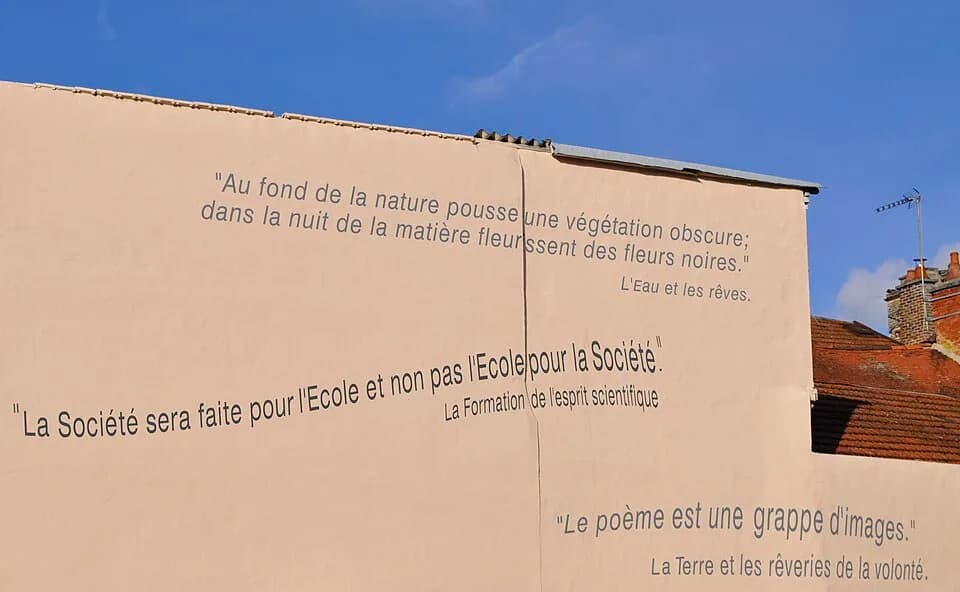
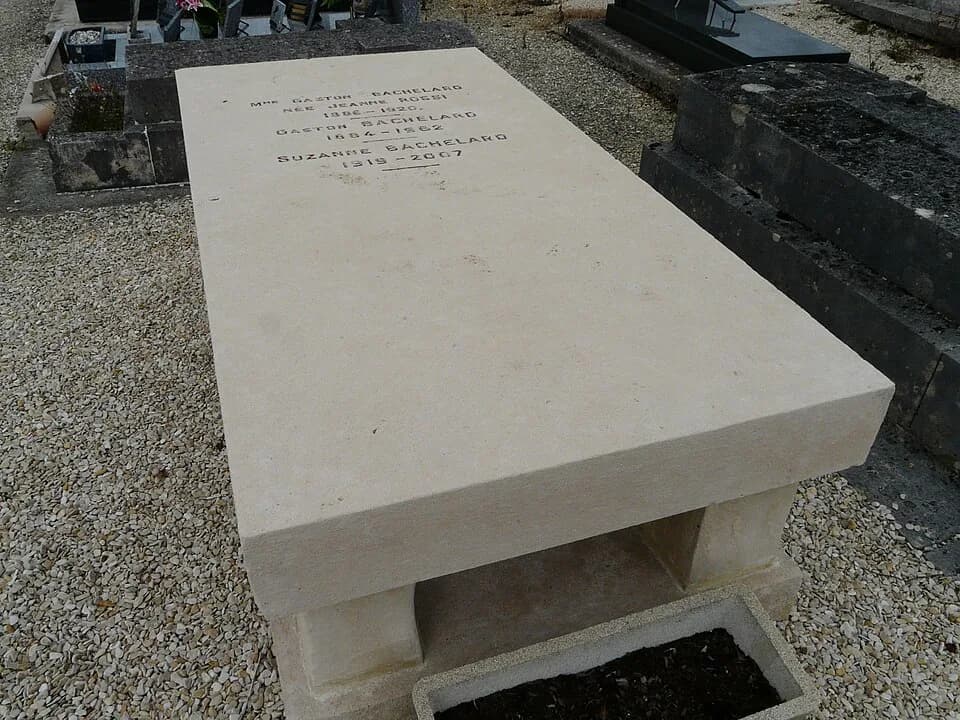
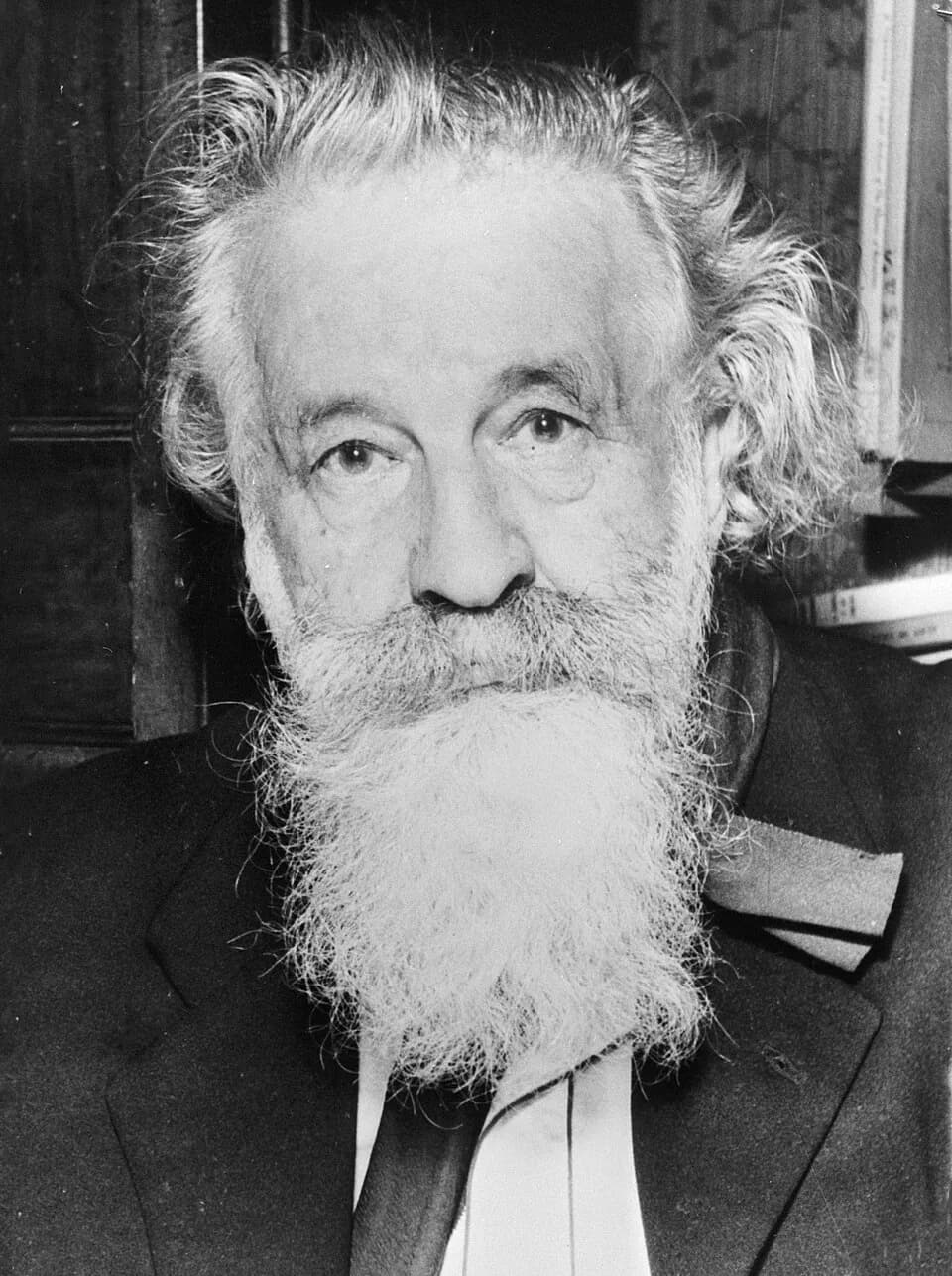
![Gaston Bachelard - Collectie / Archief : Fotocollectie Anefo
Reportage / Serie : [ onbekend ]
Beschrijving : Gaston Bachelard (kop) filosoof
Datum : 12 juli 1965
Trefwoorden : filosofen
Fotograaf : Fo](/_next/image?url=https%3A%2F%2Fcdn.whowasthisguy.com%2Fgallery_wikimedia_commons_1779975273876_5_0817f24337.webp&w=1920&q=75)
บทที่
บทแห่งชีวิต
บทที่ 1 · 1884· บทที่ 1 จาก 7
Introduction: A Visionary Thinker
Gaston Louis Pierre Bachelard (1884 – 1962) was an eminent French writer and philosopher, whose intellectual contributions significantly shaped 20th-century thought. He made distinctive advances in the fields of poetics and the philosophy of science. Bachelard's unique approach often blended scientific rigor with imaginative exploration, creating a rich body of work that continues to inspire scholars across disciplines.
His work provided a fresh perspective on how knowledge evolves and how imagination functions within both scientific discovery and poetic creation. Bachelard's insights into the nature of scientific thought and the human psyche solidified his place as a profoundly influential intellectual figure.
บทที่ 2 · 1884· บทที่ 2 จาก 7
Early Life and Origins
Gaston Bachelard was born on June 27, 1884, in Bar-sur-Aube, France. His formative years in this serene region of France likely influenced his later philosophical inquiries into nature and the elements. Details of his family and early upbringing are not extensively recorded in public summaries, but his later academic pursuits reveal a mind dedicated to diverse fields of study.
บทที่ 3· บทที่ 3 จาก 7
Career Beginnings and Diverse Professions
Bachelard embarked on a remarkably diverse professional journey, reflecting his expansive intellectual curiosity. His early career saw him engaged as a writer, a poet, and a university teacher, cultivating a broad foundation for his later philosophical explorations. He also held roles as a physicist and mathematician, showcasing his strong inclination towards scientific inquiry and rational thought.
His varied background included working as a philosopher, a literary theorist, and an employee of a public institution. This blend of scientific, humanistic, and administrative experience provided him with a unique perspective that would later characterize his influential philosophical works. These diverse professions allowed him to approach complex ideas from multiple angles, enriching his eventual contributions to both science and poetics.
บทที่ 4· บทที่ 4 จาก 7
Major Achievements and Career Highlights
Bachelard made significant contributions to the philosophy of science, introducing seminal concepts such as the "epistemological obstacle" and the "epistemological break." These ideas elucidated how previous knowledge structures can hinder scientific progress and how radical conceptual shifts are necessary for true advancement. He argued that scientific knowledge does not progress linearly but through ruptures from established ways of thinking.
His influence extended widely across the intellectual landscape of France and beyond, impacting many subsequent French philosophers. Notable figures like Michel Foucault, Louis Althusser, Dominique Lecourt, and Jacques Derrida acknowledged Bachelard's foundational ideas in their own work. Furthermore, sociologists such as Pierre Bourdieu and Bruno Latour also drew upon his unique philosophical framework to inform their sociological theories and analyses.
บทที่ 5· บทที่ 5 จาก 7
Notable Works and Contributions
Throughout his career, Gaston Bachelard authored numerous influential works that spanned the spectrum of his interests. His book, La psychanalyse du feu, delved into the psychological and imaginative aspects of fire, blending scientific observation with poetic interpretation. This work exemplifies his unique methodology of intertwining objective knowledge with subjective experience.
Other significant contributions include L'air et les songes and L'eau et les rêves, where he explored the poetic imagination as it relates to elemental substances. He also penned La flamme d'une chandelle, offering deep reflections on light and contemplation. Works like À la gloire de la main, La poétique de la rêverie, and Géopoétique de l'eau further showcased his profound engagement with the human imagination and its relationship to the natural world. His philosophical inquiries also extended to time, as seen in L'intuition de l'instant, and to the earth, in La terre et les rêveries du repos, rounding out a truly remarkable bibliography of philosophical studies.
บทที่ 6 · 1962· บทที่ 6 จาก 7
Later Years and Passing
Gaston Bachelard continued his intellectual endeavors with great dedication into his later years, maintaining his active presence in philosophical discourse. His prolific output and profound insights left an enduring mark on his contemporaries and future generations. He passed away on October 16, 1962, in the 9th arrondissement of Paris, France, at the age of 78.
His death marked the end of a life devoted to critical thinking, poetic imagination, and the rigorous examination of knowledge. Bachelard's legacy continued to unfold through the widespread study and application of his ideas, affirming his stature as a seminal figure in French intellectual history.
บทที่ 7· บทที่ 7 จาก 7
Legacy and Impact
The philosophical legacy of Gaston Bachelard is both rich and expansive, demonstrating his lasting influence on various academic fields. His concepts of epistemological obstacles and breaks fundamentally altered the discussion surrounding the history and philosophy of science, providing a framework for understanding how scientific theories evolve. These ideas remain cornerstones in critical studies of scientific progress.
Beyond science, Bachelard's work on poetics and imagination has continued to inspire literary theory, psychology, and architectural thought. His unique ability to bridge the seemingly disparate worlds of rational scientific inquiry and intuitive poetic reverie solidifies his enduring position as a philosopher whose insights transcend conventional boundaries. His thought continues to stimulate new interpretations and applications, cementing his role as a foundational thinker of the 20th century.
FAQ
คำถามที่พบบ่อย
Gaston Bachelard เสียชีวิตเมื่อใด?
Gaston Bachelard เสียชีวิตเมื่อวันที่ 16 ตุลาคม 2505 ที่ 9th arrondissement of Paris, France ขณะอายุ 78 ปี
Gaston Bachelard เกิดที่ไหน?
Gaston Bachelard เกิดที่ Bar-sur-Aube, France เมื่อวันที่ 27 มิถุนายน 2427
Gaston Bachelard เป็นที่รู้จักจากอะไรมากที่สุด?
Gaston Bachelard เป็นที่รู้จักมากที่สุดจาก French writer and philosopher
Gaston Bachelard อายุเท่าไหร่ตอนเสียชีวิต?
Gaston Bachelard อายุ 78 ปี ตอนเสียชีวิต
Gaston Bachelard เป็นชาวอะไร?
Gaston Bachelard มาจาก France
ไทม์ไลน์
ชีวิตโดยย่อ
แกลเลอรีภาพถ่าย
ชีวิตในภาพ
คลิกที่โพลารอยด์ใดก็ได้เพื่อขยาย · 25 ภาพ
QR โค้ด
แบ่งปันประวัตินี้
พิมพ์และแบ่งปัน
สแกนเพื่อเยี่ยมชมหน้าประวัตินี้ พิมพ์สำหรับงานกิจกรรม นิทรรศการ หรือสื่อการศึกษา