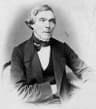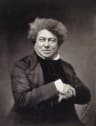
జన్మించారు
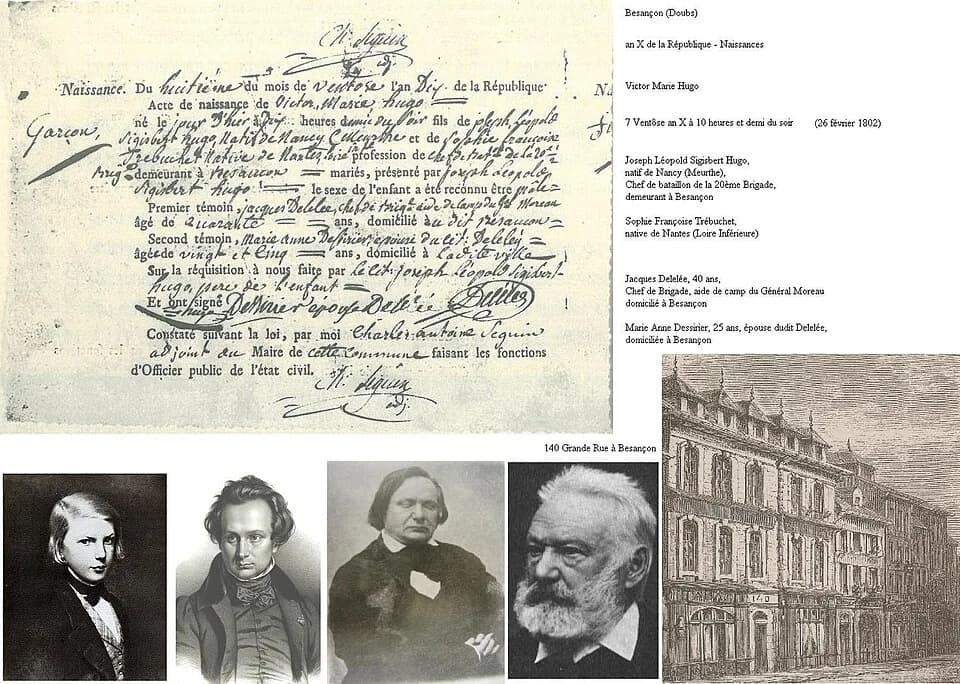
February 26, 1802
Besançon, France
మరణించారు
May 22, 1885
Paris, France
దీని కోసం పేరు పొందారు
French novelist, poet, dramatist and politician
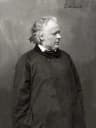
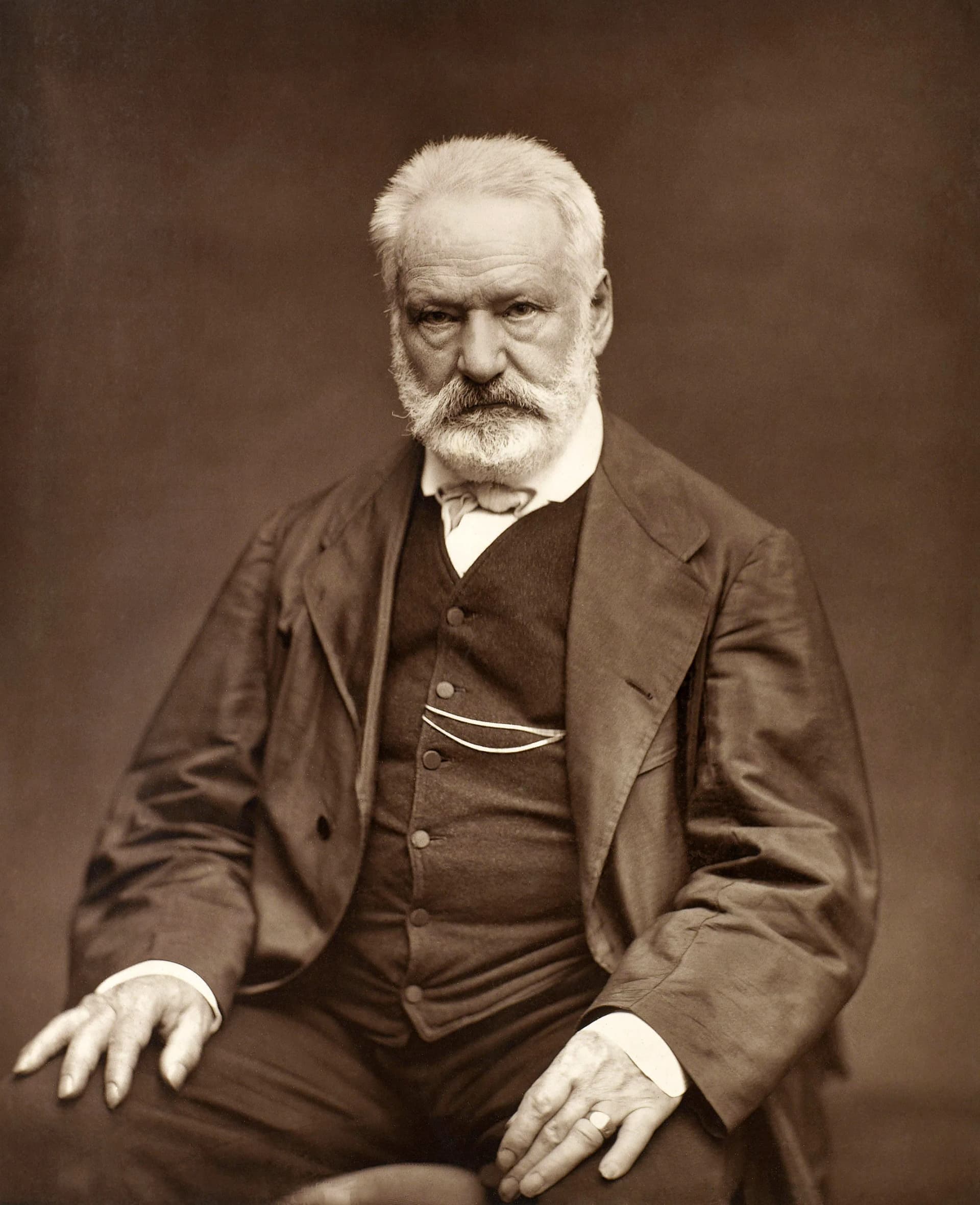
Victor Hugo (1802–1885) was France best known for French novelist, poet, dramatist and politician.
Victor Hugo (February 26, 1802 – May 22, 1885) was a French novelist, poet, dramatist, and politician. A leading Romantic author, he was known for works such as Notre-Dame de Paris and his human rights activism. His legacy profoundly influenced literature and social thought.
అధ్యాయం
జీవిత అధ్యాయాలు
అధ్యాయం 1 · 1802· 6లో అధ్యాయం 1
Early Life and Origins
Victor Hugo's journey began on February 26, 1802, in Besançon, France, a time marked by significant national transformation following the French Revolution. Details of his immediate family life are not extensively documented here, yet his formative years undoubtedly laid the groundwork for his future political and artistic sensibilities. This early environment in France nurtured the developing intellect of a future literary giant and human rights activist.
అధ్యాయం 2· 6లో అధ్యాయం 2
Career Beginnings
Hugo swiftly embarked on a prolific career, initially gaining recognition as a writer and poet, laying the foundation for his diverse professional path. His early work included the novel "Bug-Jargal," which signaled his imaginative storytelling and dramatic flair, indicative of the Romantic movement's ascendance. These initial literary ventures established him as a distinctive voice, poised to redefine French literature and engage with public discourse.
అధ్యాయం 3· 6లో అధ్యాయం 3
Major Achievements and Career Highlights
Victor Hugo's career was characterized by remarkable versatility, seeing him excel not only as a celebrated novelist, poet, and dramatist but also as a dedicated politician and human rights activist. As a French Romantic author, essayist, playwright, and journalist, he masterfully navigated both literary and political realms, using his platform to champion progressive causes. His professional titles extended to illustrator, graphic artist, art historian, travel writer, opinion journalist, novelist, librettist, and essayist, showcasing an unparalleled breadth of creative and intellectual engagement throughout his life.
His profound literary contributions solidified his reputation as one of France's most significant cultural figures, earning him a lasting place in the pantheon of world literature. Beyond his writing, Hugo served as a politician, actively participating in the political arena and standing as a vocal critic against authoritarianism, exemplifying his steadfast commitment to justice and freedom. This extraordinary blend of artistic genius and civic engagement defined a career that consistently sought to inspire and provoke thought.
అధ్యాయం 4 · 1793· 6లో అధ్యాయం 4
Notable Works or Contributions
Victor Hugo's extensive bibliography features an array of globally renowned literary works that continue to resonate with readers and audiences today. His monumental novel "Notre-Dame de Paris," available in editions like "Classiques et Patrimoine," is a prime example of his vivid historical storytelling and profound character development. Another powerful novel, "Quatrevingt Treize," also known by its German title "Dreiundneunzig (1793)," masterfully captures the dramatic intensity and moral complexities of the French Revolution.
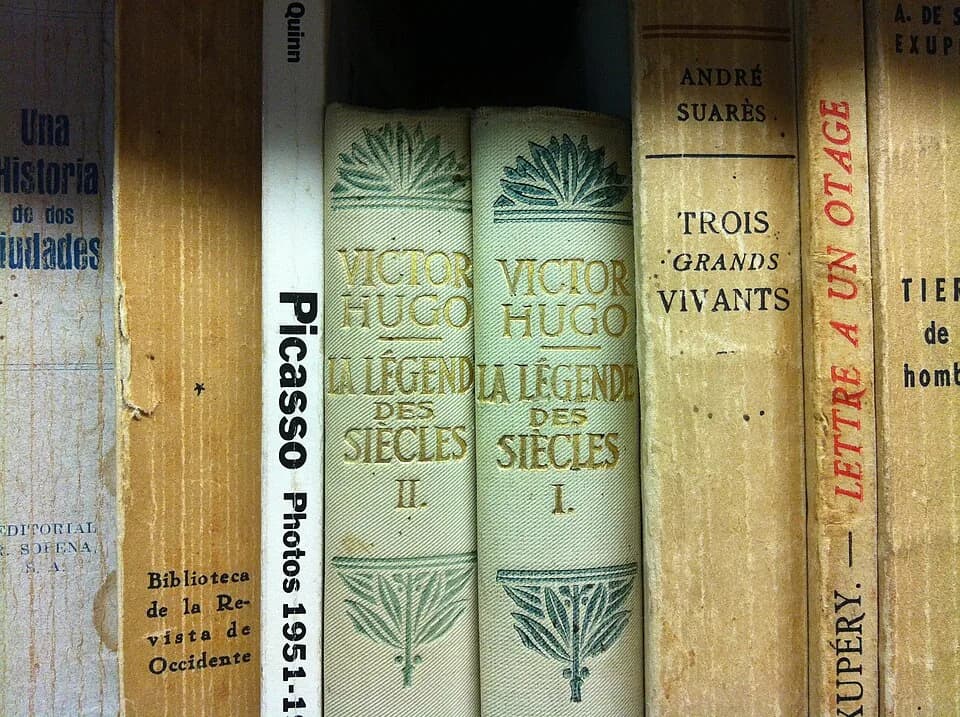
Hugo's political acumen found expression in works like "Napoleon der Kleine," a critical examination of contemporary political power. His poetic genius shines through in collections such as "La legende des siècles," which showcases his command of epic narrative and lyrical beauty. Additional significant literary contributions include "Drame," "Pensées et poèmes inédits de Victor Hugo," and "Le télégraphe," each reflecting his boundless creativity and intellectual curiosity across different genres.
Beyond his celebrated literary endeavors, Victor Hugo was a remarkably talented visual artist, creating a substantial body of graphic work that often paralleled the dramatic themes of his writing. His artworks, such as "Souvenir of a Castle in Vosges" (1857) and "Marine Terrace" (October 9, 1855), demonstrate his exceptional skill as an illustrator and draftsperson, capturing atmospheric landscapes and architectural forms. He also produced compelling portraits, including "Auguste Vacquerie" (1853–56) and a self-portrait, "Victor Hugo" (1852), revealing his keen observational eye.
Further examples of his striking artistic output include the dramatic "The Hanged Man" (ca. 1855–60), "Landscape with Two Ruined Castles" (1847), and the powerful "Lightning" (1868), which underscore his fascination with the sublime and the tumultuous. These artworks, many preserved in institutions like the Met Museum and the Art Institute of Chicago, reveal a lesser-known but equally profound dimension of his creative genius, solidifying his status as a truly multidisciplinary artist.
అధ్యాయం 5 · 1885· 6లో అధ్యాయం 5
Later Years
Victor Hugo spent his concluding years in Paris, France, where he continued to contribute significantly to both literature and public life until his passing. His death on May 22, 1885, in the city he so often celebrated, marked the culmination of a life dedicated to artistic expression and social reform. Throughout his final decades, he maintained a vigorous creative output, leaving behind a completed and impactful legacy for posterity.
అధ్యాయం 6· 6లో అధ్యాయం 6
Legacy and Impact
Victor Hugo's immense legacy as a writer, poet, dramatist, and politician continues to resonate globally, ensuring his enduring influence across literary, artistic, and political spheres. His powerful narratives and profound poetic insights are continuously adapted, studied, and revered, testament to their timeless relevance. He stands as a powerful symbol of human rights activism, consistently advocating for justice, freedom, and the dignity of all individuals, transcending the boundaries of his artistic achievements.
His impact profoundly shaped French Romanticism, expanding the scope of literary and dramatic expression while deeply engaging with the crucial social and political discussions of his era. Hugo’s unique blend of creative brilliance and unwavering moral conviction ensures his lasting place as a cultural icon whose work continues to inspire thought and action worldwide.
క్షణాలలో ఒక జీవితం
ఒక జీవితాన్ని రూపొందించిన క్షణాలు
FAQ
తరచుగా అడిగేవి
Victor Hugo ఎప్పుడు మరణించారు?
Victor Hugo 22 మే, 1885 న Paris, France లో మరణించారు, 83 ఏళ్ల వయసులో.
Victor Hugo ఎక్కడ జన్మించారు?
Victor Hugo Besançon, France లో 26 ఫిబ్రవరి, 1802 న జన్మించారు.
Victor Hugo దేనికి ఎక్కువగా ప్రసిద్ధులు?
Victor Hugo French novelist, poet, dramatist and politician కోసం ఎక్కువగా ప్రసిద్ధులు.
మరణించే సమయంలో Victor Hugo వయసు ఎంత?
మరణించే సమయంలో Victor Hugo వయసు 83 సంవత్సరాలు.
Victor Hugo జాతీయత ఏమిటి?
Victor Hugo France నుండి వచ్చారు.
కాలక్రమం
ఒక చూపులో జీవితం
ఫోటో గ్యాలరీ
చిత్రాలలో ఒక జీవితం
విస్తరించడానికి ఏదైనా పోలరాయిడ్ను క్లిక్ చేయండి · 49 ఫోటోలు
QR కోడ్
ఈ జీవిత చరిత్రను పంచుకోండి
ముద్రించండి మరియు పంచుకోండి
ఈ జీవిత చరిత్ర పేజీని సందర్శించడానికి స్కాన్ చేయండి. ఈవెంట్లు, ప్రదర్శనలు లేదా విద్యా సామగ్రి కోసం ముద్రించండి.