జన్మించారు
May 25, 1803
Boston, United States
మరణించారు
April 27, 1882
Concord, United States
దీని కోసం పేరు పొందారు
American philosopher
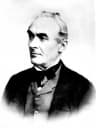
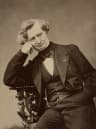
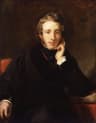
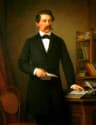
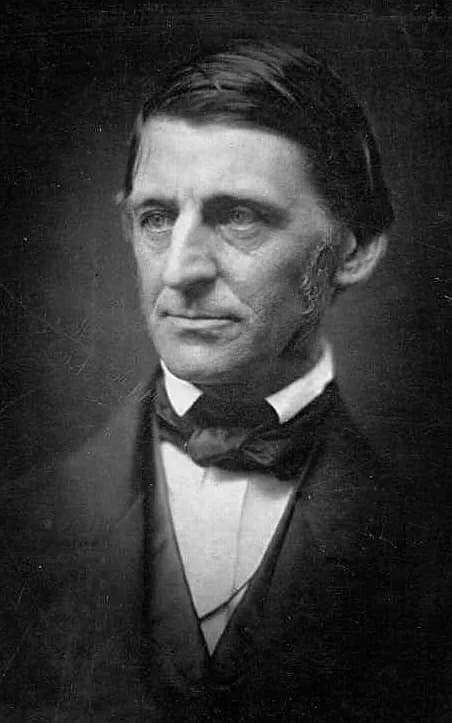
Ralph Waldo Emerson (1803–1882) was United States best known for American philosopher.
Ralph Waldo Emerson (May 25, 1803 – April 27, 1882) was an American philosopher, essayist, and poet from Boston, United States. He led the Transcendentalist movement, advocating for individualism and critical thinking. His essays and lectures deeply influenced American thought, shaping literary and philosophical discourse for generations.
అధ్యాయం
జీవిత అధ్యాయాలు
అధ్యాయం 1 · 1803· 7లో అధ్యాయం 1
Opening
Ralph Waldo Emerson (May 25, 1803 – April 27, 1882) stands as a foundational American philosopher, author, and poet. He was the central figure of the Transcendentalist movement in the mid-19th century. Emerson championed individualism and critical thinking, profoundly influencing American thought and literature for generations.
అధ్యాయం 2 · 1803· 7లో అధ్యాయం 2
Early Life and Origins
Born on May 25, 1803, in Boston, United States, Ralph Waldo Emerson grew up in a household deeply rooted in Unitarian traditions. This upbringing significantly shaped his early intellectual and spiritual development. He pursued a path in ministry, eventually becoming a Unitarian pastor.
అధ్యాయం 3· 7లో అధ్యాయం 3
Career Beginnings
Emerson began his professional life as a Christian minister and parson. His early years were dedicated to spiritual guidance and theological contemplation within the Unitarian faith. These initial professional experiences formed a crucial bedrock for his later philosophical explorations and extensive literary output.
అధ్యాయం 4· 7లో అధ్యాయం 4
Major Achievements and Career Highlights
Emerson became widely known as the undisputed leader of the Transcendentalist movement. This influential philosophical and literary movement emphasized intuition, self-reliance, and the inherent goodness of individuals and the natural world. He was recognized as a powerful advocate for individualism and critical thinking during a period of significant societal evolution.
He was also a perceptive critic, often speaking out against the countervailing pressures of society and conformity. His ideas resonated deeply, challenging conventional wisdom and encouraging a profound sense of personal intellectual freedom. Emerson's numerous lectures and essays played a key role in disseminating Transcendentalist thought across the nascent American nation.
అధ్యాయం 5 · 1836· 7లో అధ్యాయం 5
Notable Works and Contributions
Among his significant literary contributions are his renowned "Essays," which explored enduring themes of self-reliance, nature, and the individual's profound relationship with the divine. His groundbreaking work, "Nature," published in 1836, is widely considered a foundational text of American Transcendentalism. Other notable works include "Compensation" and "Representative men," which further solidified his literary reputation.
Emerson's poetic voice also left a lasting impression, with lyrical works like "Mithridates," which explores themes of resilience, and the reflective "Ode To Beauty." His poem "Loss And Gain" thoughtfully considers the nature of virtue and the challenges of artistic expression. He also penned heartfelt verses such as "To Eva" and "Celestial Love," showcasing his contemplative and deeply lyrical style.
His academic publications also list a unique breadth of topics, with an h-index of 1 from 6 papers. Notable among these is "ATOMISM IN ANCIENT MEDICAL HISTORY," published in 1963, which garnered 9 citations. Other listed works include "Salmonella contamination in poultry – are we missing a potential reservoir?" from 2017 and "The Burnsian Palimpsest: Robert Burns in American Cultural Memory, c. 1840-1866," though these are listed with 0 citations and, for the latter, a null publication year, demonstrating a wide range of interests attributed to his academic record.
అధ్యాయం 6 · 1882· 7లో అధ్యాయం 6
Later Years
Ralph Waldo Emerson continued to write, lecture, and influence public discourse throughout much of his life, solidifying his standing as a leading intellectual figure. His philosophical and literary contributions continued to inspire readers and thinkers even as he aged. He passed away peacefully on April 27, 1882, in Concord, United States, leaving behind an exceptionally rich intellectual heritage.
అధ్యాయం 7· 7లో అధ్యాయం 7
Legacy and Impact
Emerson's ideas made a lasting mark on American culture and philosophy. He profoundly influenced subsequent generations of thinkers, writers, and artists, shaping the trajectory of American intellectual life. The renowned German philosopher Friedrich Nietzsche held him in exceptionally high regard, considering him "the most gifted of the Americans."
Poet Walt Whitman openly acknowledged Emerson as his "master," highlighting the deep respect and profound influence Emerson commanded within literary circles. His unwavering belief in individualism and the power of independent thought continues to inspire those seeking self-reliance and critical engagement with the world. His contributions ensured his place as a cornerstone of American intellectual and literary history.
క్షణాలలో ఒక జీవితం
ఒక జీవితాన్ని రూపొందించిన క్షణాలు

FAQ
తరచుగా అడిగేవి
Ralph Waldo Emerson ఎప్పుడు మరణించారు?
Ralph Waldo Emerson 27 ఏప్రిల్, 1882 న Concord, United States లో మరణించారు, 78 ఏళ్ల వయసులో.
Ralph Waldo Emerson ఎక్కడ జన్మించారు?
Ralph Waldo Emerson Boston, United States లో 25 మే, 1803 న జన్మించారు.
Ralph Waldo Emerson దేనికి ఎక్కువగా ప్రసిద్ధులు?
Ralph Waldo Emerson American philosopher కోసం ఎక్కువగా ప్రసిద్ధులు.
మరణించే సమయంలో Ralph Waldo Emerson వయసు ఎంత?
మరణించే సమయంలో Ralph Waldo Emerson వయసు 78 సంవత్సరాలు.
Ralph Waldo Emerson జాతీయత ఏమిటి?
Ralph Waldo Emerson United States నుండి వచ్చారు.
కాలక్రమం
ఒక చూపులో జీవితం
ఫోటో గ్యాలరీ
చిత్రాలలో ఒక జీవితం
విస్తరించడానికి ఏదైనా పోలరాయిడ్ను క్లిక్ చేయండి · 20 ఫోటోలు
QR కోడ్
ఈ జీవిత చరిత్రను పంచుకోండి
ముద్రించండి మరియు పంచుకోండి
ఈ జీవిత చరిత్ర పేజీని సందర్శించడానికి స్కాన్ చేయండి. ఈవెంట్లు, ప్రదర్శనలు లేదా విద్యా సామగ్రి కోసం ముద్రించండి.