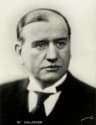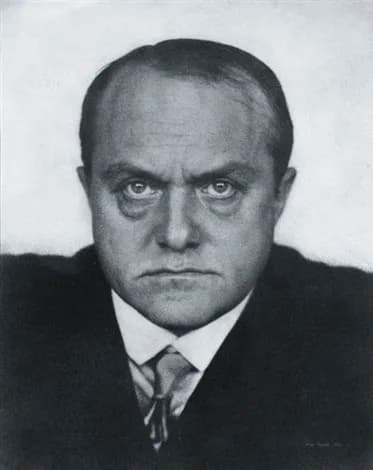
జన్మించారు
February 27, 1884
Leipzig, Electorate of Saxony
మరణించారు
December 27, 1950
New York City, United States
దీని కోసం పేరు పొందారు
German painter, draftsman, printmaker, sculptor and writer
Max Beckmann (1884–1950) was Electorate of Saxony best known for German painter, draftsman, printmaker, sculptor and writer.
Max Beckmann (February 27, 1884 – December 27, 1950) was a German painter, draftsman, printmaker, sculptor, and writer. He was known for rejecting Expressionism and associating with the New Objectivity movement, producing powerful works that often combined brutal realism with social criticism. His art captures the moodiness and unease of the early 20th century.
అధ్యాయం
జీవిత అధ్యాయాలు
అధ్యాయం 1 · 1884· 6లో అధ్యాయం 1
Early Life and Origins
Max Carl Friedrich Beckmann was born on February 27, 1884, in Leipzig, then part of the Electorate of Saxony. Details about his early family life and specific upbringing are not extensively provided in the historical record. However, his birthplace set the stage for his early artistic education and immersion in the vibrant European art scene. This formative period in Leipzig likely contributed to his foundational skills and initial artistic perspectives.
అధ్యాయం 2· 6లో అధ్యాయం 2
Career Beginnings
Beckmann began his professional journey as a multifaceted artist, encompassing painting, drafting, and printmaking. Although he is often classified as an Expressionist artist, he famously rejected both the term and the movement's introspective emotionalism. His early work reflected a strong engagement with contemporary artistic currents while forging his own distinct path. This early independence foreshadowed his later stylistic developments.
By the 1920s, Beckmann found himself associated with the New Objectivity movement, an offshoot of Expressionism that countered its emotional focus. This period saw him develop a style characterized by a blend of direct observation and a deeper, often unsettling, psychological undercurrent. His rejection of easy classification marked him as an artist determined to define his own artistic language.
అధ్యాయం 3· 6లో అధ్యాయం 3
Major Achievements and Career Highlights
Throughout his career, Max Beckmann achieved significant recognition for his distinctive artistic voice. Even in works depicting seemingly lighthearted subjects like circus performers, he imbued them with an undercurrent of moodiness or unease. This ability to convey complex emotions within his compositions became a hallmark of his style. His paintings consistently challenged viewers to look beyond the surface.
The 1930s marked a dramatic shift in Beckmann's artistic output, coinciding with the rise of Nazism in Germany. His work became more explicit in its horrifying imagery and distorted forms, combining brutal realism with sharp social criticism. This period reflects his response to the escalating political turmoil and human suffering he witnessed. His art served as a powerful commentary on the encroaching darkness of his era.
అధ్యాయం 4 · 1946· 6లో అధ్యాయం 4
Notable Works or Contributions
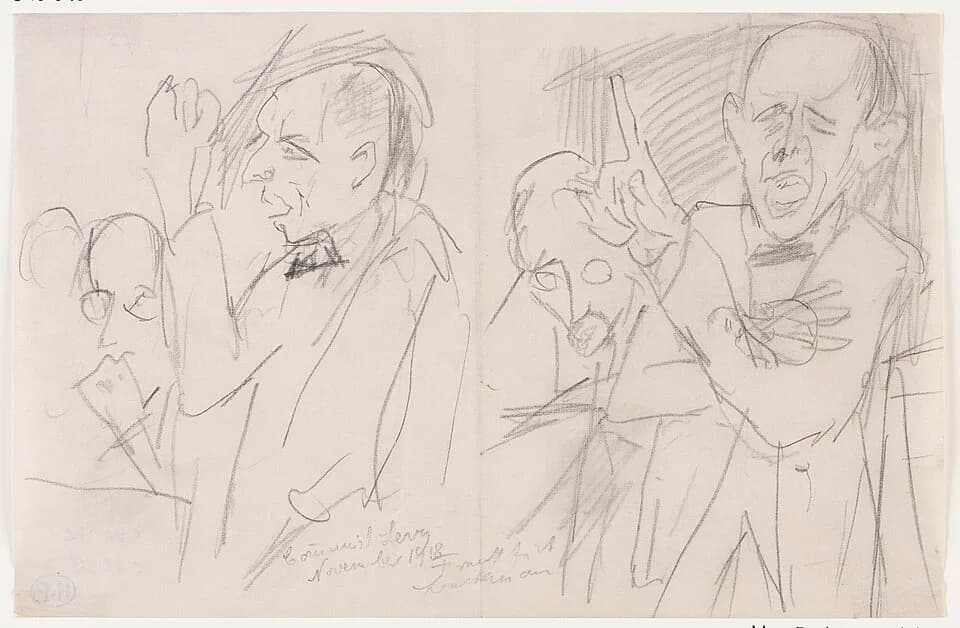
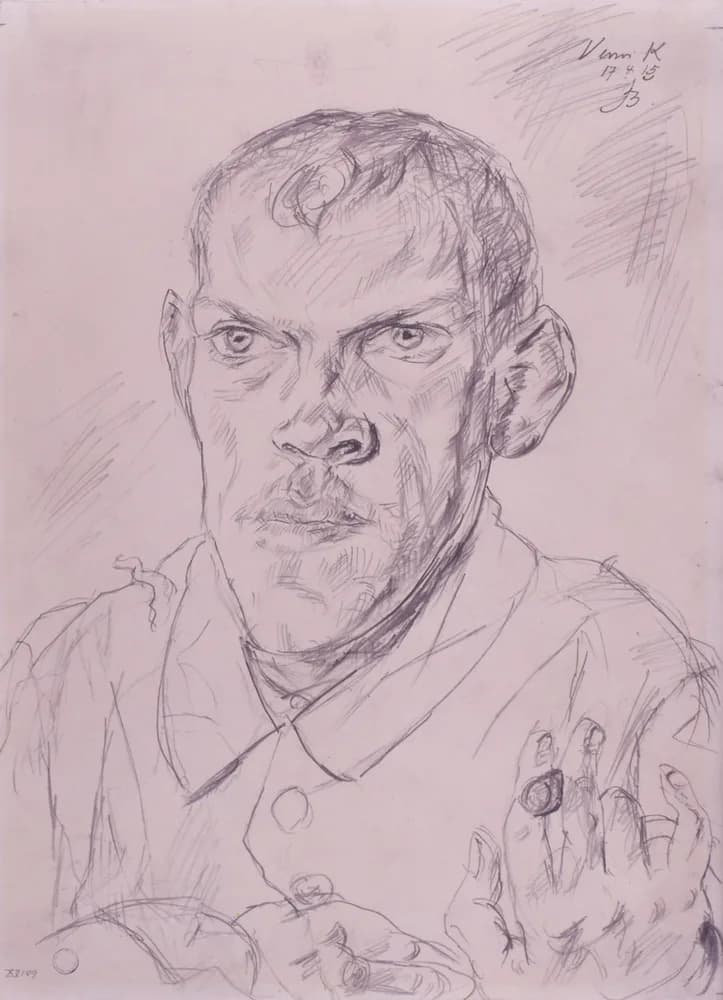
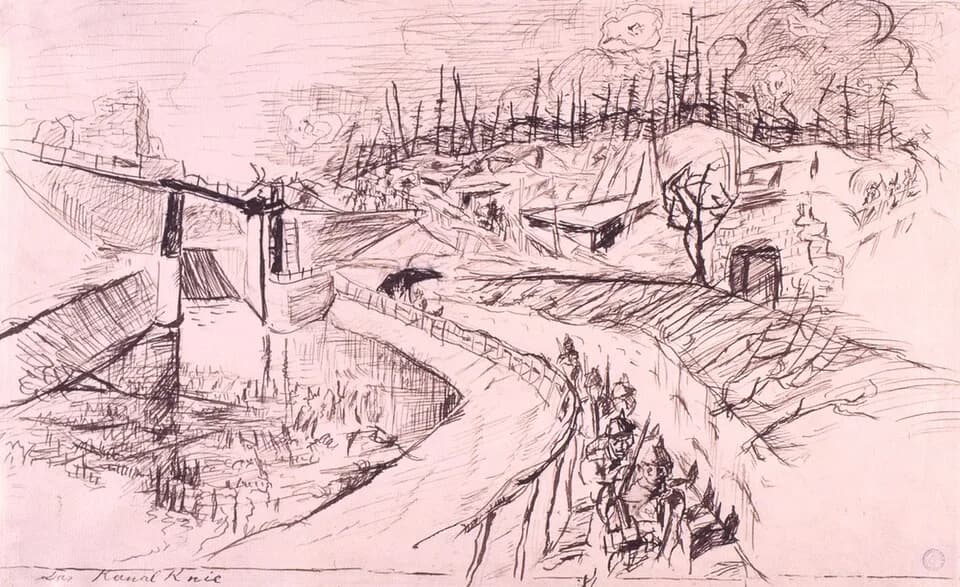
Max Beckmann's artistic output included numerous compelling paintings, drawings, and prints that are housed in major institutions worldwide. Notable paintings include the profound allegorical triptych The Beginning (1946–49), held at the Met Museum, which illustrates themes of childhood and creativity. His striking Self-Portrait (1911) and the introspective Self-Portrait (1937), found at the Art Institute of Chicago (AIC), offer intimate glimpses into his psyche. The Met Museum also holds his intricate Sketchbook (1924) and the preparatory Study for “The Argonauts” (1949–50), a major later work.
His diverse portfolio also includes figurative works like Lady with Boy (1923) and Reclining Nude (1929), both displaying his unique approach to the human form. Other significant pieces include Self-Portrait in Bowler Hat (1921), Toilette (Before the Mirror) (1923, published 1924), and Portrait of a Woman (possibly Gräfin Aga vom Hagen) (1915), all held at the AIC. The dynamic Carnival in Naples (1925, reworked in 1944) and the serene Bathers (1928) further exemplify his range. His prolific career also extended to writing, encompassing various publications such as Ewig wechselndes Theater and Bekenntnis 1918.
అధ్యాయం 5 · 1950· 6లో అధ్యాయం 5
Later Years
Max Beckmann continued to create prolifically in his later years, adapting to new environments while maintaining his distinctive artistic voice. He eventually relocated to the United States, where he continued to paint and teach. His final creative period was marked by an ongoing exploration of allegorical and mythological themes. Beckmann passed away on December 27, 1950, in New York City, United States, leaving behind an extraordinary body of work.
అధ్యాయం 6· 6లో అధ్యాయం 6
Legacy and Impact
Max Beckmann's legacy as a German painter, draftsman, printmaker, sculptor, and writer is significant and enduring. He redefined narrative art in the 20th century, challenging viewers with his often unsettling yet deeply introspective imagery. His rejection of pure Expressionism and his association with the New Objectivity solidified his position as a unique voice in modern art. Beckmann's art continues to provoke thought and inspire artists and scholars worldwide.
His works are essential for understanding the psychological and social climate of post-World War I Germany and the broader European experience during a tumultuous era. Major museums like the Metropolitan Museum of Art in New York City and the Art Institute of Chicago proudly display his key artworks, ensuring his vision remains accessible to future generations. Max Beckmann's exploration of the human condition, with its anxieties and underlying moodiness, resonates powerfully today.
క్షణాలలో ఒక జీవితం
ఒక జీవితాన్ని రూపొందించిన క్షణాలు
FAQ
తరచుగా అడిగేవి
Max Beckmann ఎప్పుడు మరణించారు?
Max Beckmann 27 డిసెంబర్, 1950 న New York City, United States లో మరణించారు, 66 ఏళ్ల వయసులో.
Max Beckmann ఎక్కడ జన్మించారు?
Max Beckmann Leipzig, Electorate of Saxony లో 27 ఫిబ్రవరి, 1884 న జన్మించారు.
Max Beckmann దేనికి ఎక్కువగా ప్రసిద్ధులు?
Max Beckmann German painter, draftsman, printmaker, sculptor and writer కోసం ఎక్కువగా ప్రసిద్ధులు.
మరణించే సమయంలో Max Beckmann వయసు ఎంత?
మరణించే సమయంలో Max Beckmann వయసు 66 సంవత్సరాలు.
Max Beckmann జాతీయత ఏమిటి?
Max Beckmann Electorate of Saxony నుండి వచ్చారు.
కాలక్రమం
ఒక చూపులో జీవితం
ఫోటో గ్యాలరీ
చిత్రాలలో ఒక జీవితం
విస్తరించడానికి ఏదైనా పోలరాయిడ్ను క్లిక్ చేయండి · 47 ఫోటోలు
QR కోడ్
ఈ జీవిత చరిత్రను పంచుకోండి
ముద్రించండి మరియు పంచుకోండి
ఈ జీవిత చరిత్ర పేజీని సందర్శించడానికి స్కాన్ చేయండి. ఈవెంట్లు, ప్రదర్శనలు లేదా విద్యా సామగ్రి కోసం ముద్రించండి.