జన్మించారు
January 1, 1572
Rain, Germany
మరణించారు
March 7, 1625
Augsburg, Germany
దీని కోసం పేరు పొందారు
German lawyer and uranographer
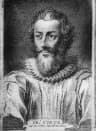
Johann Bayer (1572–1625) was Germany best known for German lawyer and uranographer.
Johann Bayer (January 1, 1572 – March 7, 1625) was a German lawyer, astronomer, and cartographer known for his work as a uranographer. He made significant contributions to celestial mapping and the systematic organization of stellar data. His legacy continues to influence astronomical nomenclature and cartography.
అధ్యాయం
జీవిత అధ్యాయాలు
అధ్యాయం 1 · 1572· 8లో అధ్యాయం 1
Opening Tribute
Johann Bayer (1572–1625) was a distinguished German lawyer, astronomer, and cartographer, celebrated for his significant contributions as a uranographer. His diligent efforts in celestial mapping and the systematic organization of stellar data left an enduring legacy in the scientific community. Bayer's commitment to both the legal profession and the intricate study of the cosmos highlights a remarkable intellectual breadth during an era of profound scientific discovery.
His life, spanning from his birth in Rain, Germany, to his passing in Augsburg, Germany, was characterized by rigorous academic pursuit and dedicated professional service. As an individual who seamlessly blended the exacting demands of law with the observational precision of astronomy, Johann Bayer’s work helped to shape how the night sky was understood and charted for generations to come.
అధ్యాయం 2 · 1572· 8లో అధ్యాయం 2
Early Life and Origins
Johann Bayer was born on January 1, 1572, in the historic town of Rain, located in what is now modern-day Germany. His early years in Rain would have laid the groundwork for his intellectual curiosity and disciplined approach to learning. The cultural and academic environment of late 16th-century Germany undoubtedly influenced his formative development.
At the age of twenty, in the year 1592, Bayer commenced his formal higher education at the esteemed University of Ingolstadt. There, he immersed himself in the challenging disciplines of philosophy and law, developing a robust analytical framework that would serve him throughout his diverse career. These foundational studies at Ingolstadt were crucial in honing the critical thinking and meticulous attention to detail that defined his subsequent professional endeavors.
అధ్యాయం 3· 8లో అధ్యాయం 3
Career Beginnings
Following the completion of his studies at the University of Ingolstadt, Johann Bayer made the strategic move to Augsburg, a prominent and bustling city in Germany. It was in Augsburg that he officially embarked on his professional journey as a lawyer. His legal career began with the practical application of the knowledge and principles he had diligently acquired during his university years.
Bayer quickly established himself within the legal circles of Augsburg, demonstrating a keen intellect and a dedication to his practice. His early work as a lawyer in the city laid the foundation for his reputation as a respected legal professional, paving the way for more significant responsibilities within the community. This initial phase of his career was essential in building his professional standing and influence.
అధ్యాయం 4 · 1612· 8లో అధ్యాయం 4
Major Achievements and Career Highlights
Johann Bayer's career in Augsburg saw him rise to a position of considerable responsibility and trust within the municipal government. His expertise in law was formally recognized when he was appointed as a legal adviser to the city council in 1612. This appointment underscored his standing as a highly capable and respected member of the legal community, entrusted with guiding the city’s governance.
Beyond his legal profession, Bayer was simultaneously recognized as a distinguished uranographer, an astronomer, and a cartographer. These multifaceted roles highlight his profound engagement with the scientific understanding of the cosmos. His unique blend of legal precision and astronomical insight distinguished him as a scholar of exceptional versatility, contributing significantly to both civic life and the broader realm of scientific exploration.
His role as a uranographer, in particular, solidified his reputation, focusing on the meticulous mapping and charting of celestial bodies. This specialized branch of cartography demanded both scientific accuracy and artistic skill, areas in which Bayer demonstrated considerable talent. His ability to synthesize complex observational data into accessible and systematic star charts was a defining achievement of his career.
అధ్యాయం 5· 8లో అధ్యాయం 5
Personal Life
While Johann Bayer's professional achievements are well-documented, specific details concerning his personal life, family structure, or individual hobbies beyond his scholarly and professional pursuits are not extensively provided within historical records. His public identity was primarily shaped by his impactful contributions to law and celestial cartography. The nature of his dedicated work in both fields likely consumed a substantial portion of his time and focus, reflecting a deep commitment to his chosen professions.
As was common for many scholars and professionals of his era, the available information tends to emphasize public accomplishments rather than intimate personal narratives. Thus, while his intellectual legacy is clear, the day-to-day aspects of his private existence remain largely outside the scope of detailed historical documentation.
అధ్యాయం 6· 8లో అధ్యాయం 6
Notable Works or Contributions
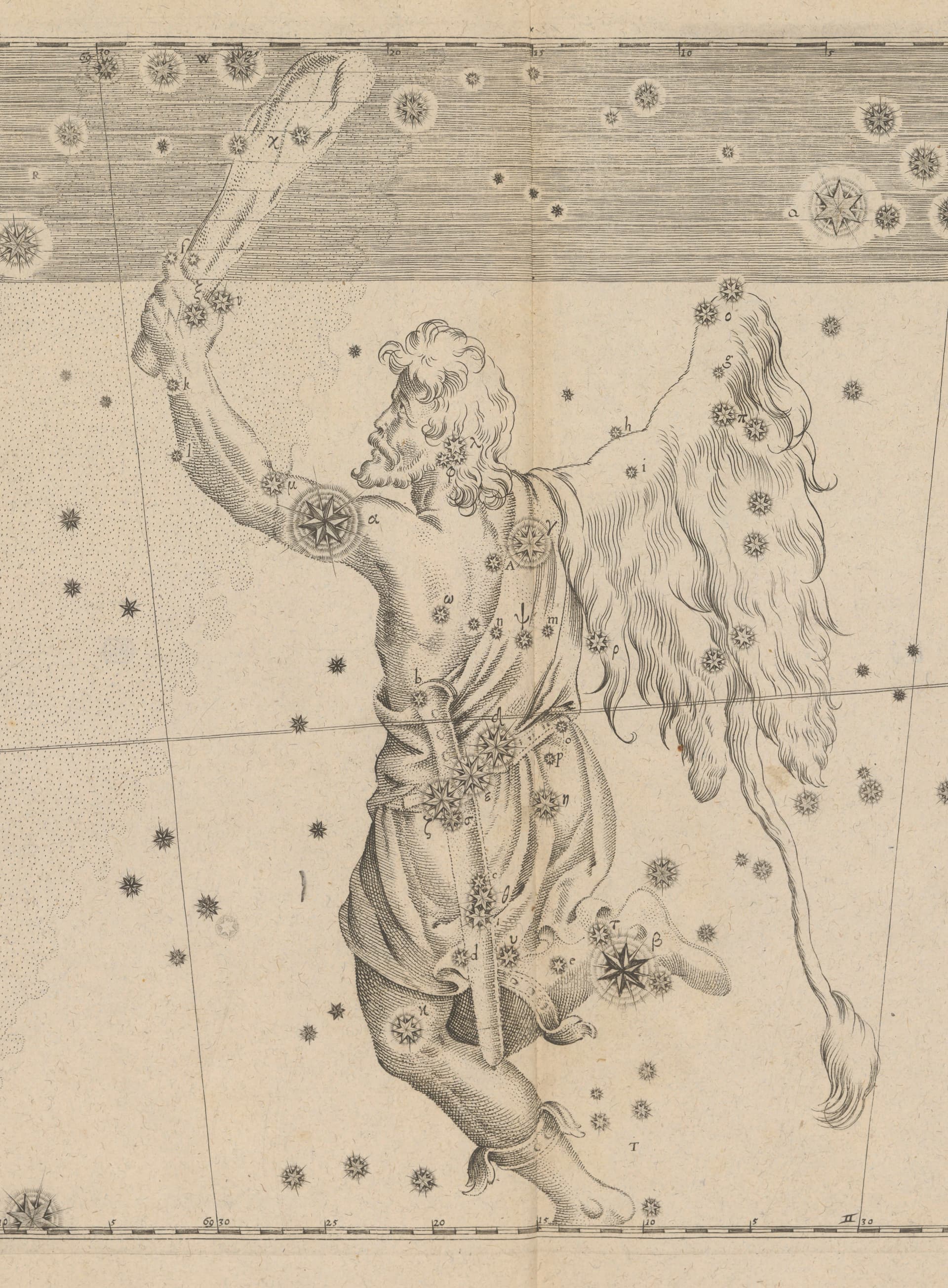
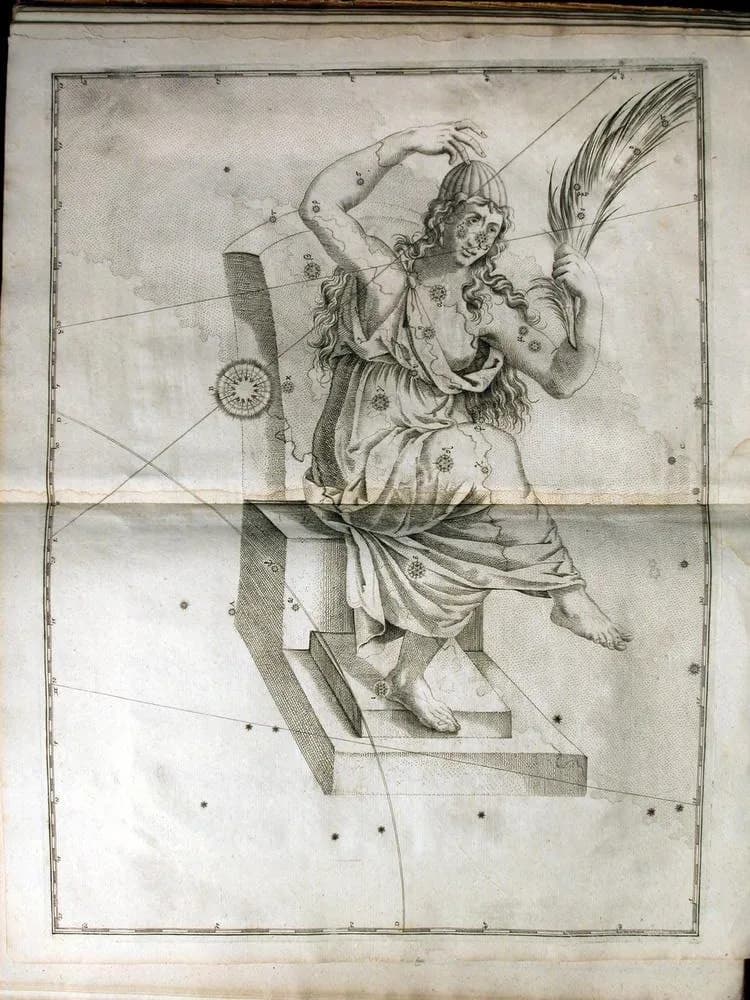
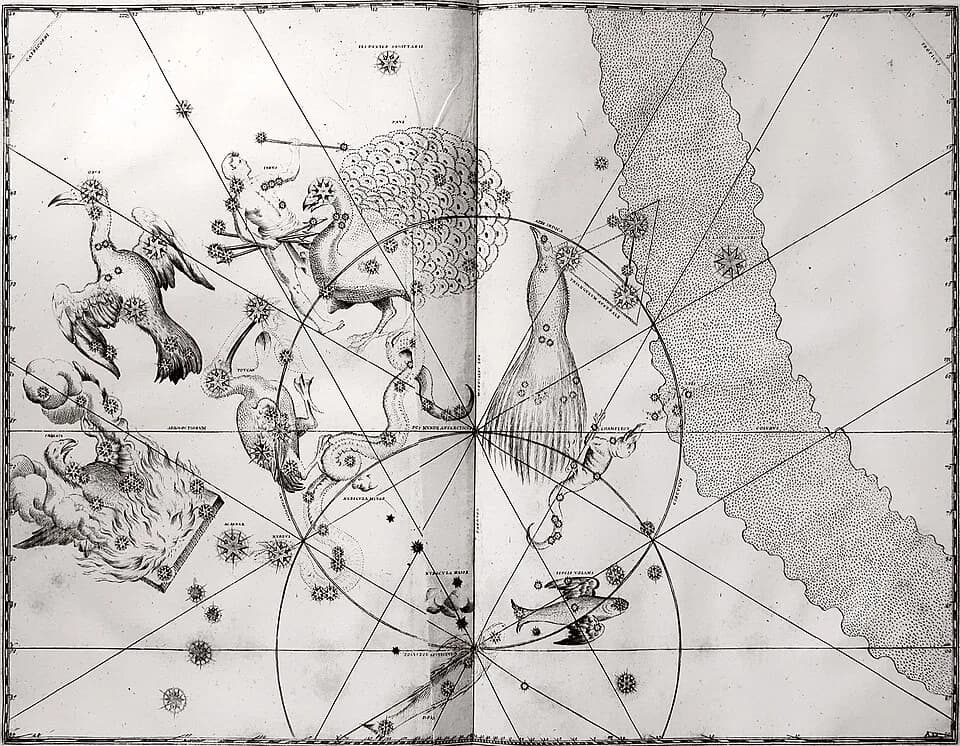
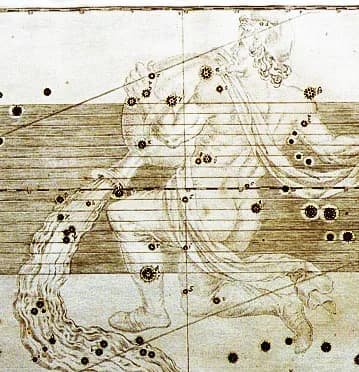
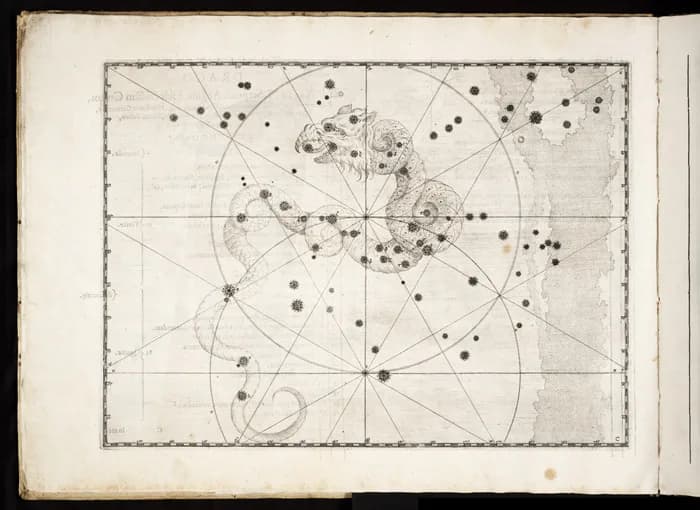
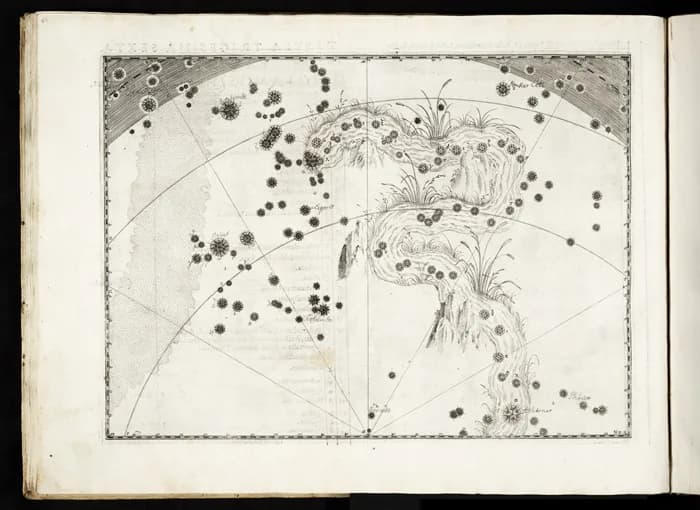
Johann Bayer's most enduring and significant contributions arose from his vocation as a uranographer, astronomer, and cartographer. In these capacities, he played a crucial role in advancing the systematic representation of the night sky. His work involved the creation of detailed star charts, which were vital tools for both academic astronomers and practical navigators of the early 17th century.
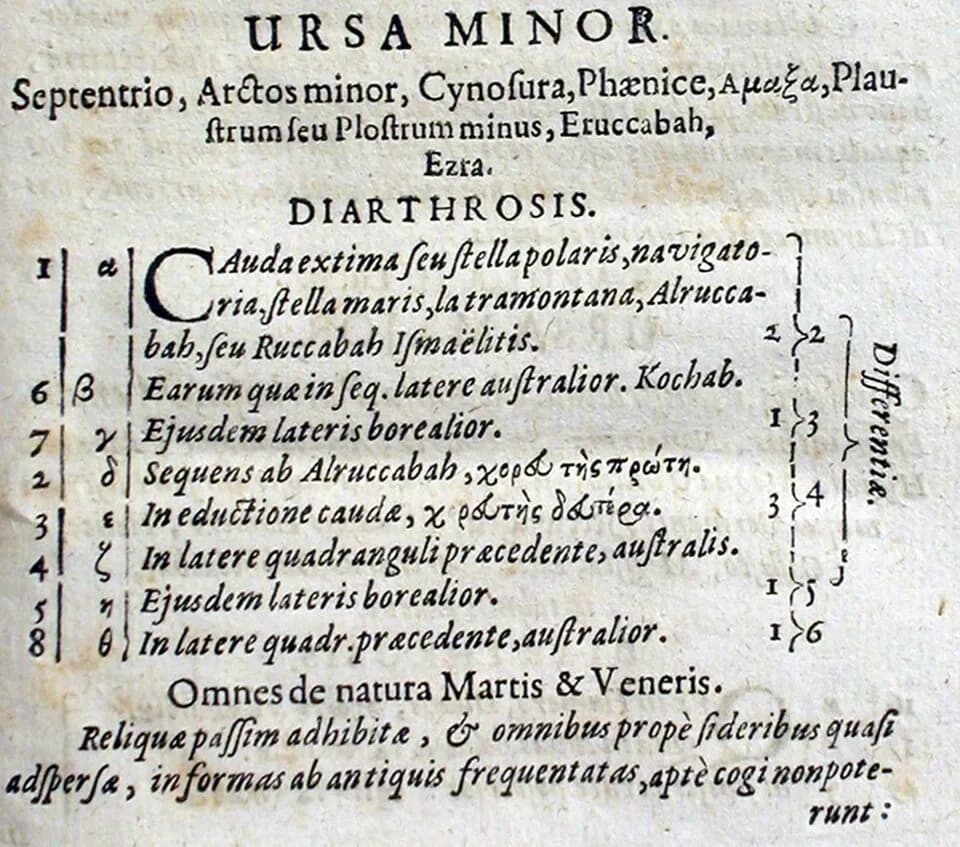
As a cartographer of the heavens, Bayer’s efforts aimed to bring order and clarity to the vast and complex array of stars and constellations. He developed methods for categorizing and naming celestial bodies, which were groundbreaking for their time and provided a foundational framework for future astronomical research. This systematic approach greatly simplified the identification and study of stars, making astronomical observation more consistent and accessible.
His work as an astronomer extended beyond simple observation; it involved the meticulous compilation and presentation of data that could be used by other scholars. The accuracy and detail of his celestial maps contributed to a more precise understanding of stellar positions and movements. These contributions were instrumental in standardizing astronomical nomenclature, a legacy that significantly influenced the field for centuries and is still reflected in some forms of star designation today.
అధ్యాయం 7· 8లో అధ్యాయం 7
Later Years
Johann Bayer continued to serve as a legal adviser to the city council of Augsburg throughout his later years. This consistent and long-standing role underscores his dedication to civic duty and his expertise in legal matters. His continued service reflects a deep engagement with the community he had adopted as his home after leaving Ingolstadt.
He remained professionally active in both his legal and astronomical pursuits until his passing. Johann Bayer died in Augsburg, Germany, on March 7, 1625, at the age of 53. His final years were spent contributing meaningfully to both the governance of his city and the scientific understanding of the universe, leaving behind a rich dual legacy.
అధ్యాయం 8· 8లో అధ్యాయం 8
Legacy and Impact
The lasting legacy of Johann Bayer is firmly rooted in his innovative work as a uranographer and celestial cartographer. His contributions were vital in systematizing the mapping of the stars, providing astronomers with more precise and standardized tools for observation and research. By bringing a methodical approach to identifying and charting celestial bodies, he greatly advanced the field of observational astronomy.
Bayer’s efforts had a profound and lasting impact on how constellations and individual stars were cataloged and understood. His systematic approach to celestial cartography became a model for subsequent astronomers, ensuring that his methodologies influenced generations of scientific inquiry. The clarity and organization he brought to the vastness of the night sky helped solidify his place as a pivotal figure in early modern astronomy and cartography. His commitment to precision in both law and science exemplifies a truly remarkable intellectual journey.
క్షణాలలో ఒక జీవితం
ఒక జీవితాన్ని రూపొందించిన క్షణాలు
FAQ
తరచుగా అడిగేవి
Johann Bayer ఎప్పుడు మరణించారు?
Johann Bayer 7 మార్చి, 1625 న Augsburg, Germany లో మరణించారు, 53 ఏళ్ల వయసులో.
Johann Bayer ఎక్కడ జన్మించారు?
Johann Bayer Rain, Germany లో 1 జనవరి, 1572 న జన్మించారు.
Johann Bayer దేనికి ఎక్కువగా ప్రసిద్ధులు?
Johann Bayer German lawyer and uranographer కోసం ఎక్కువగా ప్రసిద్ధులు.
మరణించే సమయంలో Johann Bayer వయసు ఎంత?
మరణించే సమయంలో Johann Bayer వయసు 53 సంవత్సరాలు.
Johann Bayer జాతీయత ఏమిటి?
Johann Bayer Germany నుండి వచ్చారు.
కాలక్రమం
ఒక చూపులో జీవితం
ఫోటో గ్యాలరీ
చిత్రాలలో ఒక జీవితం
విస్తరించడానికి ఏదైనా పోలరాయిడ్ను క్లిక్ చేయండి · 25 ఫోటోలు
QR కోడ్
ఈ జీవిత చరిత్రను పంచుకోండి
ముద్రించండి మరియు పంచుకోండి
ఈ జీవిత చరిత్ర పేజీని సందర్శించడానికి స్కాన్ చేయండి. ఈవెంట్లు, ప్రదర్శనలు లేదా విద్యా సామగ్రి కోసం ముద్రించండి.