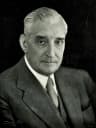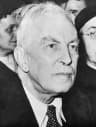
జన్మించారు
December 7, 1889
8th arrondissement of Paris, France
మరణించారు
October 8, 1973
7th arrondissement of Paris, France
దీని కోసం పేరు పొందారు
French philosopher, playwright, music critic and leading Christian existentialist
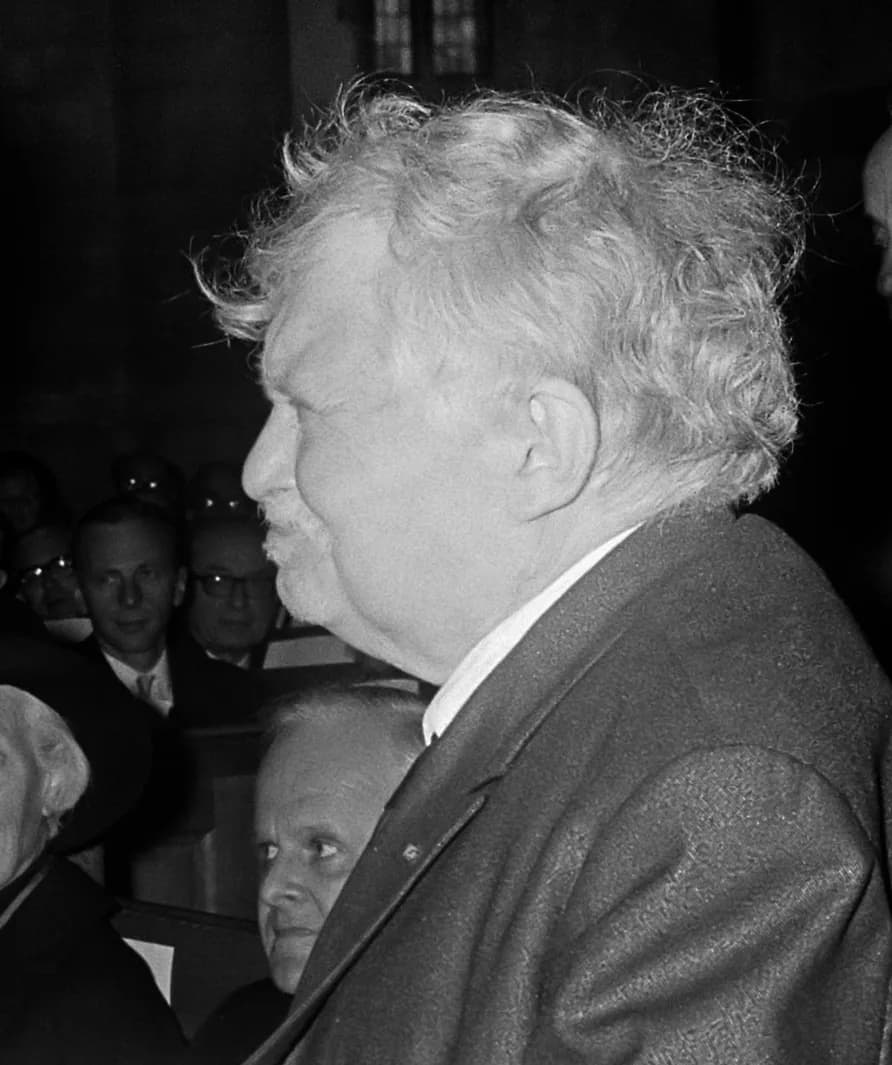
Gabriel Marcel (1889–1973) was France best known for French philosopher, playwright, music critic and leading Christian existentialist.
Gabriel Marcel (December 7, 1889 – October 8, 1973) was a French philosopher, playwright, and Christian existentialist from Paris. He authored numerous books and plays, focusing on the individual's struggle in a dehumanizing technological society. Marcel's unique philosophy of existence shaped 20th-century thought.
అధ్యాయం
జీవిత అధ్యాయాలు
అధ్యాయం 1 · 1889· 7లో అధ్యాయం 1
Remembering Gabriel Marcel: A Life of Thought and Expression
Gabriel Marcel, born on December 7, 1889, and passing on October 8, 1973, was a distinguished French philosopher, playwright, music critic, and a leading Christian existentialist. His impactful career as a writer, musician, literary critic, and philosopher significantly shaped 20th-century intellectual discourse. Marcel's extensive body of work consistently addressed the modern individual's struggles in an increasingly dehumanizing, technologically advanced society. His contributions continue to spark important discussions in both philosophy and theology.
అధ్యాయం 2 · 1889· 7లో అధ్యాయం 2
Early Life and Origins
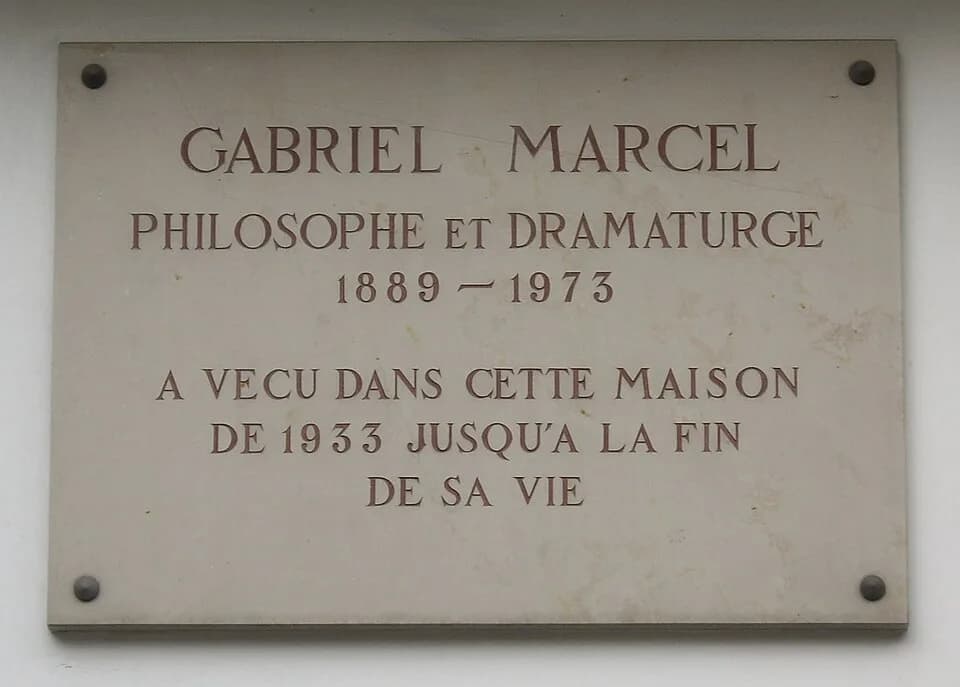
Gabriel Honoré Marcel began his life in the 8th arrondissement of Paris, France, a vibrant cultural hub in 1889. Growing up in the intellectual milieu of the French capital provided a fertile ground for his developing mind. While specific family details are not available, his Parisian upbringing undoubtedly contributed to his profound engagement with art, music, and philosophy.
This early immersion in the rich Parisian environment cultivated his broad interests from a young age. Such an atmosphere surely fostered the intellectual curiosity that would later define his philosophical inquiries. His foundational years prepared him for a life dedicated to exploring the deepest questions of human existence and meaning.
అధ్యాయం 3· 7లో అధ్యాయం 3
Career Beginnings
Marcel embarked on his professional journey with a diverse array of talents, establishing himself early on as a writer, playwright, and music critic. This initial versatility underscored his multifaceted engagement with the arts and humanities. He cultivated a robust practice of expression, allowing him to explore complex themes through various creative forms.
His early work as a music critic, in particular, showcased a refined sensibility and critical acumen. This blend of creative and analytical skills proved essential for his later philosophical development. His entry into these fields laid the foundation for a career characterized by both intellectual rigor and artistic sensitivity.
అధ్యాయం 4· 7లో అధ్యాయం 4
Major Achievements and Career Highlights
Gabriel Marcel achieved international recognition as a leading Christian existentialist, a unique position within the philosophical currents of his era. He was an exceptionally prolific author, publishing over a dozen books and at least thirty plays throughout his career. This substantial output demonstrated his enduring commitment to exploring complex human experiences and ideas.
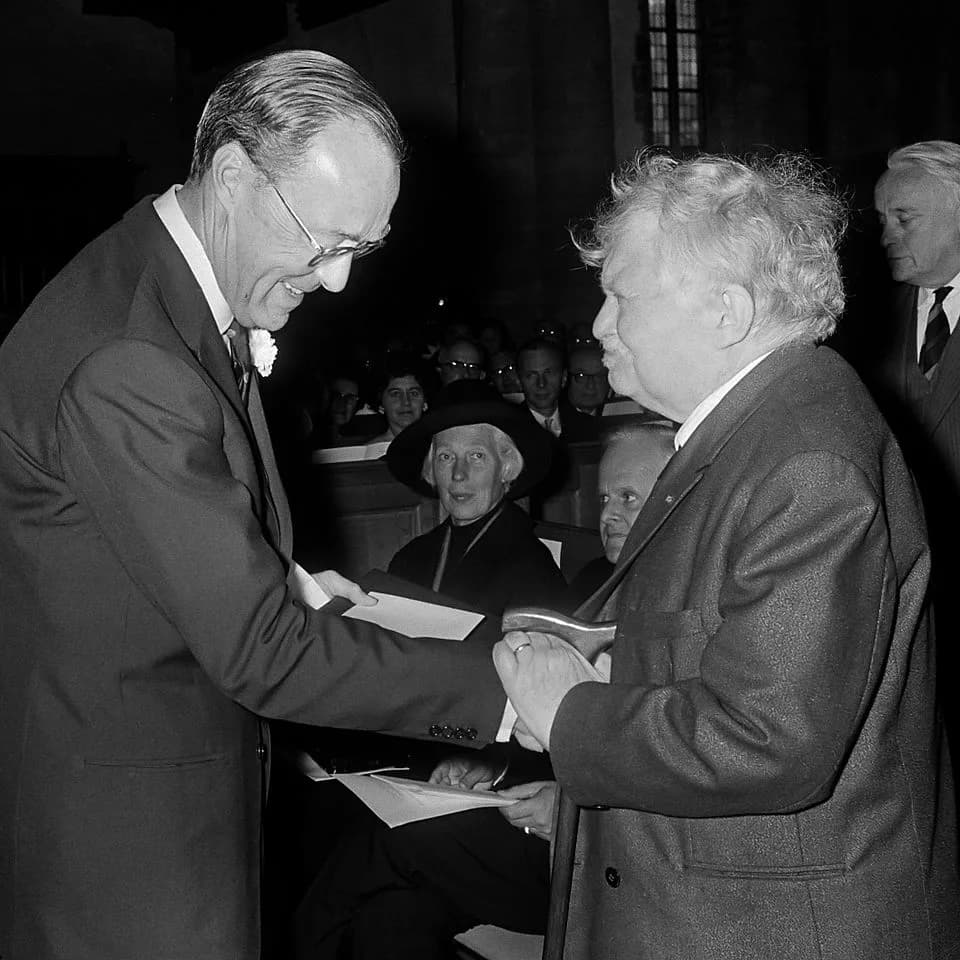
Marcel often articulated a distinct philosophical stance, preferring the terms "philosophy of existence" or "neo-Socrateanism" to characterize his thought. He consciously dissociated himself from other prominent figures, such as Jean-Paul Sartre, highlighting the specific nuances of his own existential perspective. His intellectual contributions were formally acknowledged with the Hansischen Goethe-Preises in 1955, bestowed upon him by the University of Hamburg, signifying significant academic recognition.
అధ్యాయం 5· 7లో అధ్యాయం 5
Notable Works and Contributions
One of Gabriel Marcel's most widely recognized and central works is "The Mystery of Being," presented in two volumes. This seminal text articulates his unique insights into human existence and the nature of transcendence. Another significant contribution is his philosophical work "Being and having," which explores the distinctions between objective possession and subjective participation in being.
His dramatic talent is evident in his collection titled "Three plays," showcasing his ability to translate philosophical concepts into compelling theatrical narratives. The breadth of his bibliography also includes works such as "Un changement d'espérance à la rencontre du réarmement moral" and "Histoire de la philosophie européene." These titles reveal his engagement with moral philosophy, historical inquiry, and the trajectory of European thought.
Further demonstrating his prolific output and diverse interests, Marcel also authored "Un homme de Dieu" and "La prune et la prunelle." His bibliography even contains works like "Nufūẕ-i Zardusht bar fikr-i Ānāguẕāgurās va Suqrāṭ va nimāyishgarān -i Yūnān" and "Du rishtah fikr dar falsafah-i vūjūdīyat," illustrating the extensive reach of his intellectual curiosity and the translations or specific academic engagements his works generated.
అధ్యాయం 6 · 1973· 7లో అధ్యాయం 6
Later Years
Gabriel Marcel continued to be an active and respected figure in philosophical and literary circles throughout his later years. He maintained his dedication to writing and exploring profound questions of existence until the end of his life. His final years were spent in the city of his birth, specifically in the 7th arrondissement of Paris, France. He passed away on October 8, 1973, leaving behind an enduring body of work.
అధ్యాయం 7· 7లో అధ్యాయం 7
Legacy and Impact
Gabriel Marcel's philosophical work consistently centered on the modern individual's struggle within a technologically dehumanizing society, a theme that continues to resonate today. He offered a powerful critique of contemporary alienation and promoted a philosophy of hope and participation. His focus on concrete experience and the mystery inherent in being continues to challenge purely rationalistic approaches to philosophy.
Though sometimes identified as the first French existentialist, Marcel deliberately carved out his own intellectual space, preferring specific terminology to define his unique perspective. His "philosophy of existence" provided an alternative framework to other existentialist thinkers of his time. This distinction allowed him to explore themes of fidelity, hope, and the encounter with the other from a uniquely Christian perspective.
The philosophical and theological insights of Gabriel Marcel remain highly influential, inspiring ongoing academic study and personal reflection. His plays are still read and performed, offering dramatic expressions of his core ideas. Marcel's lasting influence stems from his ability to bridge the realms of abstract thought and lived experience, enriching our understanding of what it means to be human.
క్షణాలలో ఒక జీవితం
ఒక జీవితాన్ని రూపొందించిన క్షణాలు
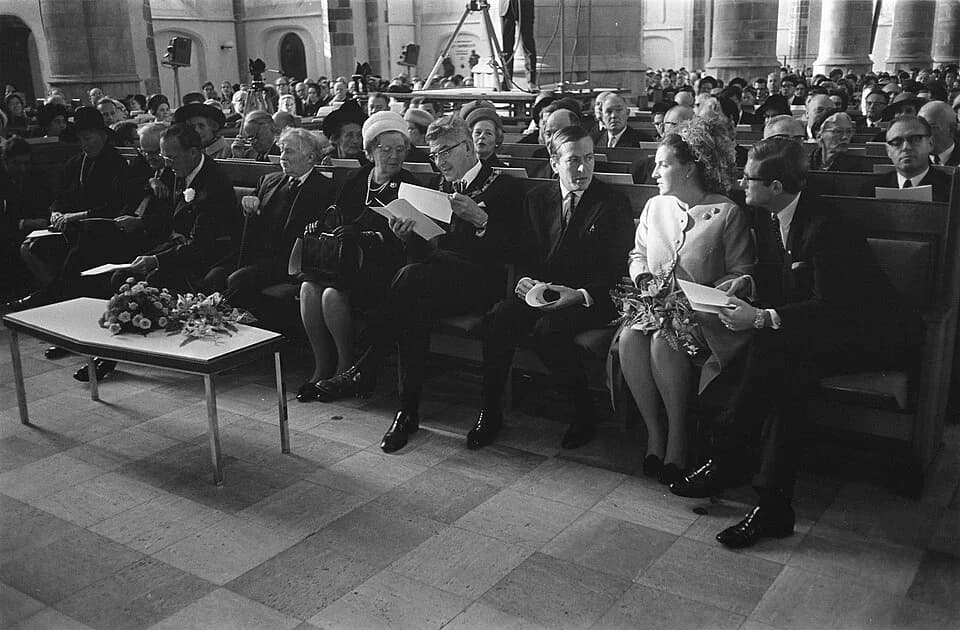
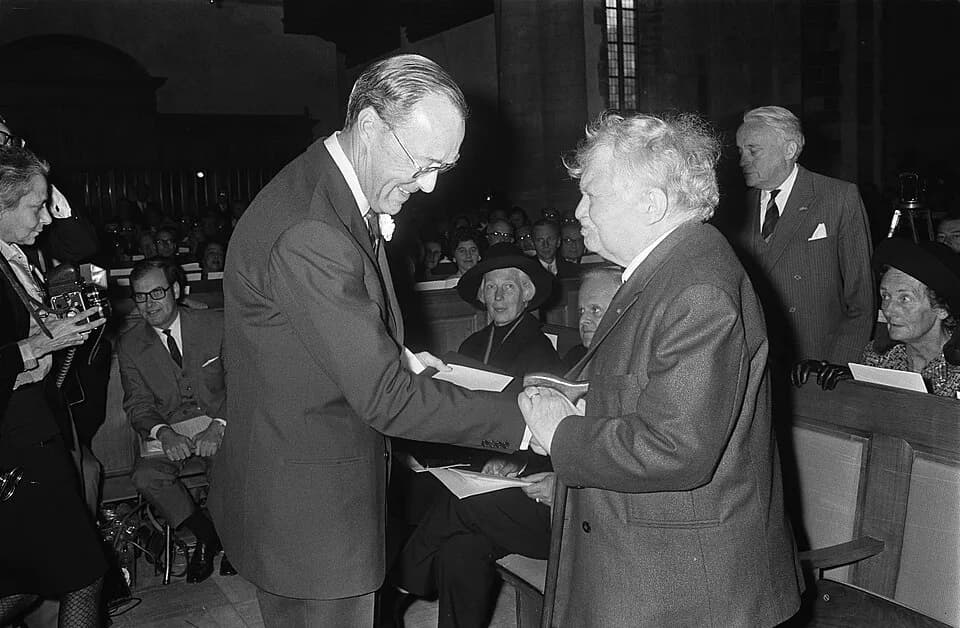
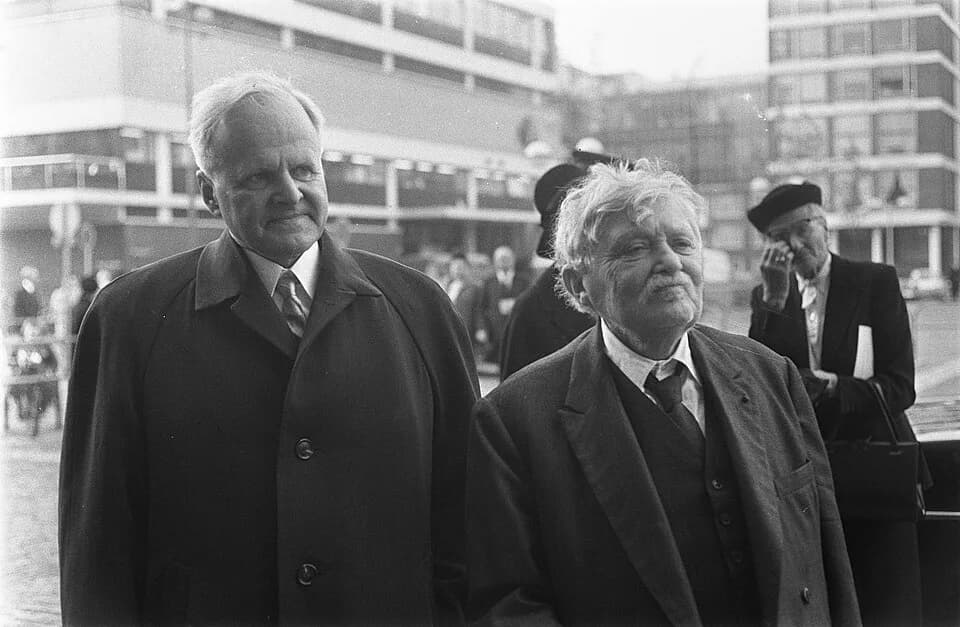
FAQ
తరచుగా అడిగేవి
Gabriel Marcel ఎప్పుడు మరణించారు?
Gabriel Marcel 8 అక్టోబర్, 1973 న 7th arrondissement of Paris, France లో మరణించారు, 83 ఏళ్ల వయసులో.
Gabriel Marcel ఎక్కడ జన్మించారు?
Gabriel Marcel 8th arrondissement of Paris, France లో 7 డిసెంబర్, 1889 న జన్మించారు.
Gabriel Marcel దేనికి ఎక్కువగా ప్రసిద్ధులు?
Gabriel Marcel French philosopher, playwright, music critic and leading Christian existentialist కోసం ఎక్కువగా ప్రసిద్ధులు.
మరణించే సమయంలో Gabriel Marcel వయసు ఎంత?
మరణించే సమయంలో Gabriel Marcel వయసు 83 సంవత్సరాలు.
Gabriel Marcel జాతీయత ఏమిటి?
Gabriel Marcel France నుండి వచ్చారు.
కాలక్రమం
ఒక చూపులో జీవితం
ఫోటో గ్యాలరీ
చిత్రాలలో ఒక జీవితం
విస్తరించడానికి ఏదైనా పోలరాయిడ్ను క్లిక్ చేయండి · 40 ఫోటోలు
QR కోడ్
ఈ జీవిత చరిత్రను పంచుకోండి
ముద్రించండి మరియు పంచుకోండి
ఈ జీవిత చరిత్ర పేజీని సందర్శించడానికి స్కాన్ చేయండి. ఈవెంట్లు, ప్రదర్శనలు లేదా విద్యా సామగ్రి కోసం ముద్రించండి.