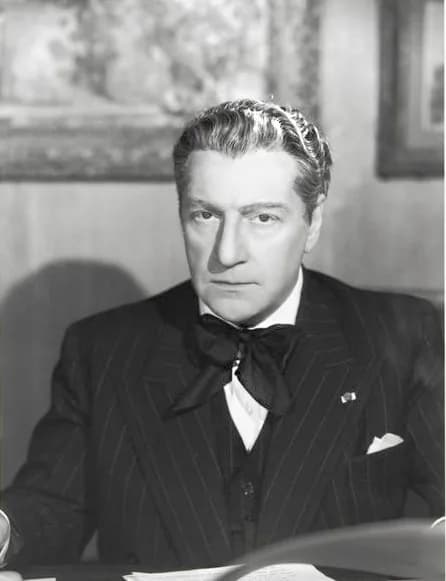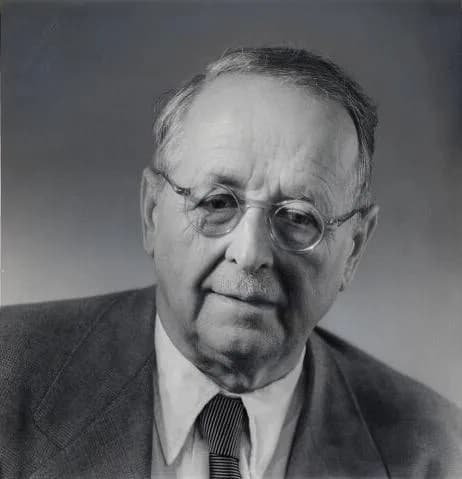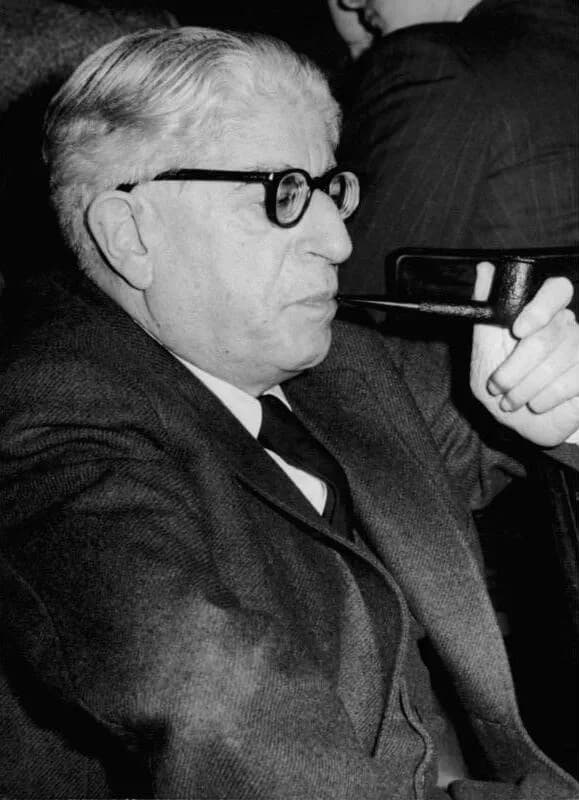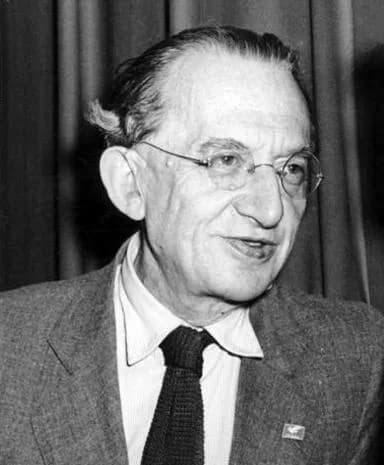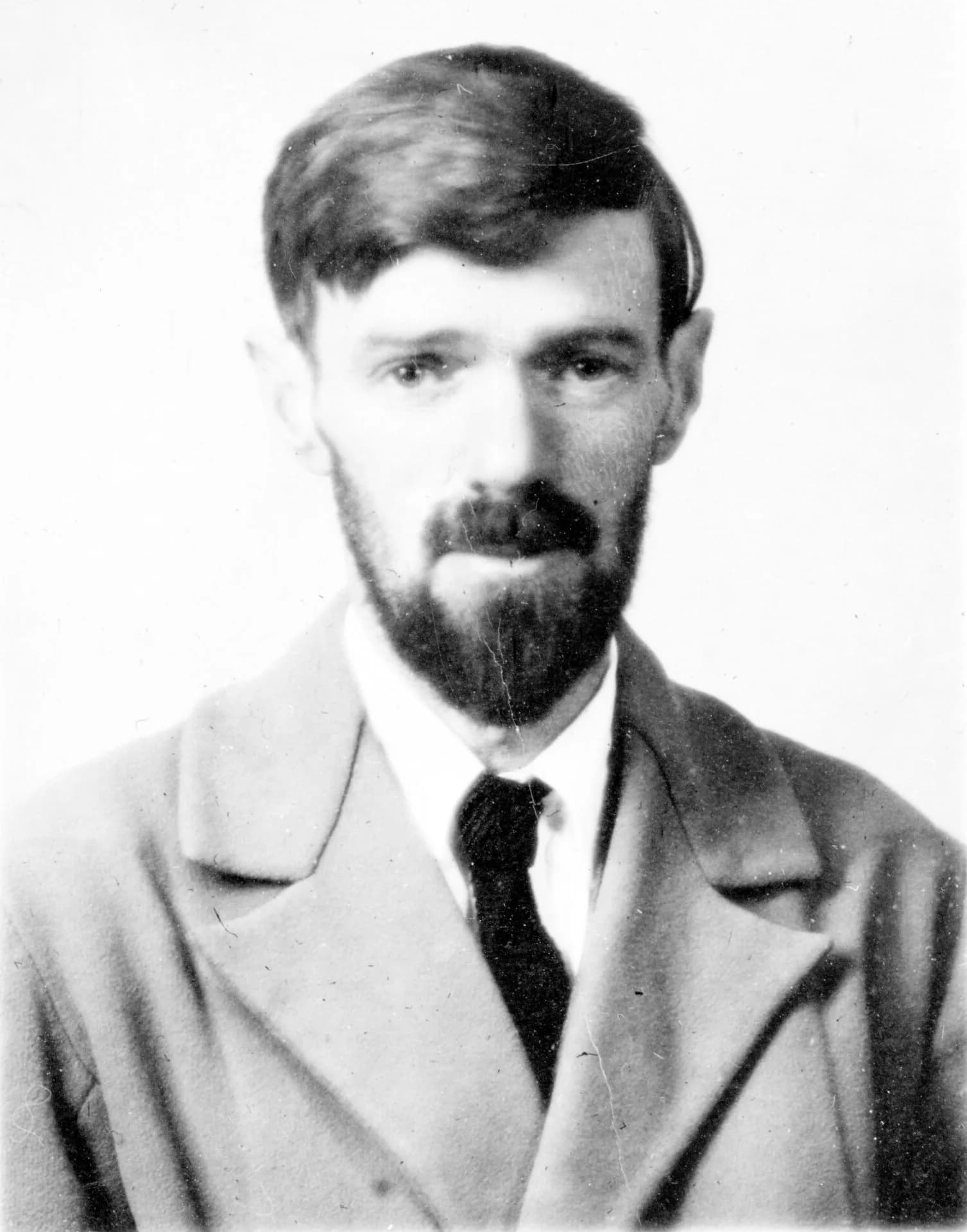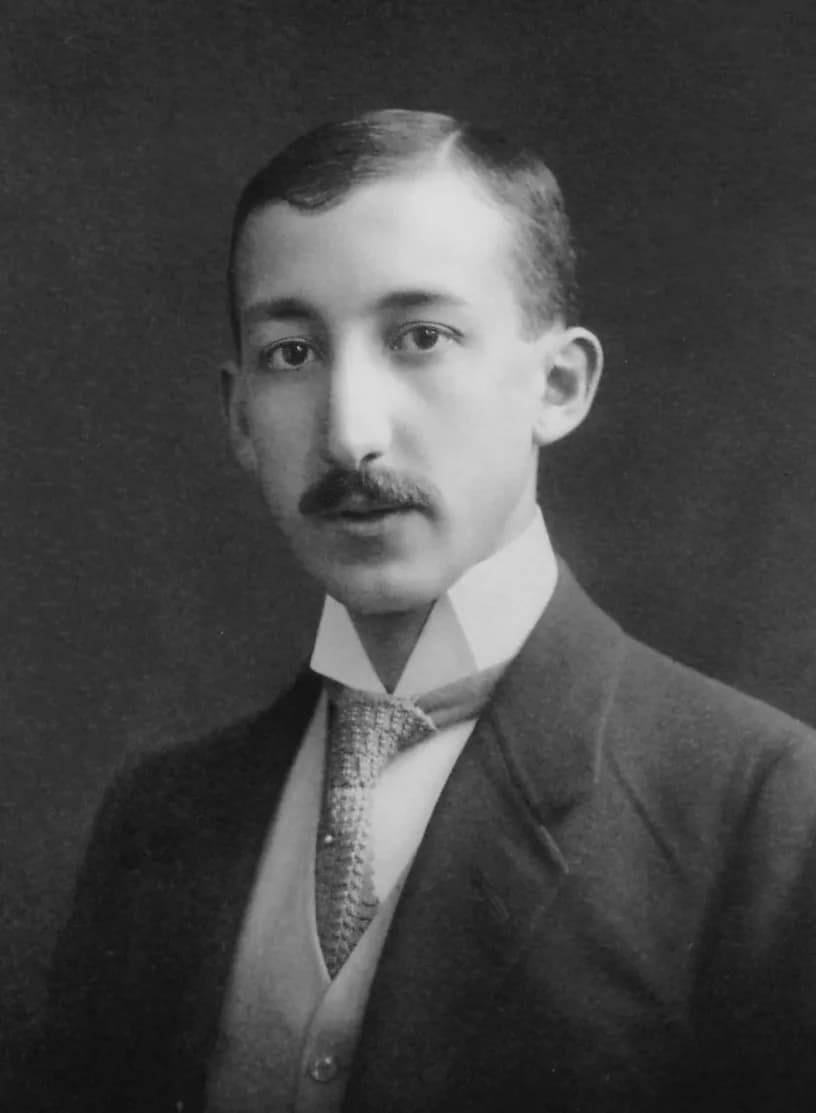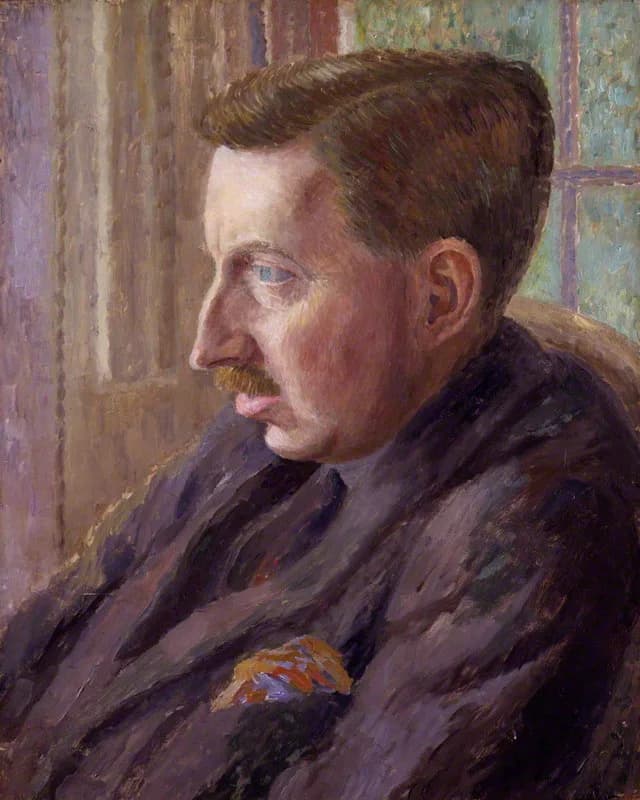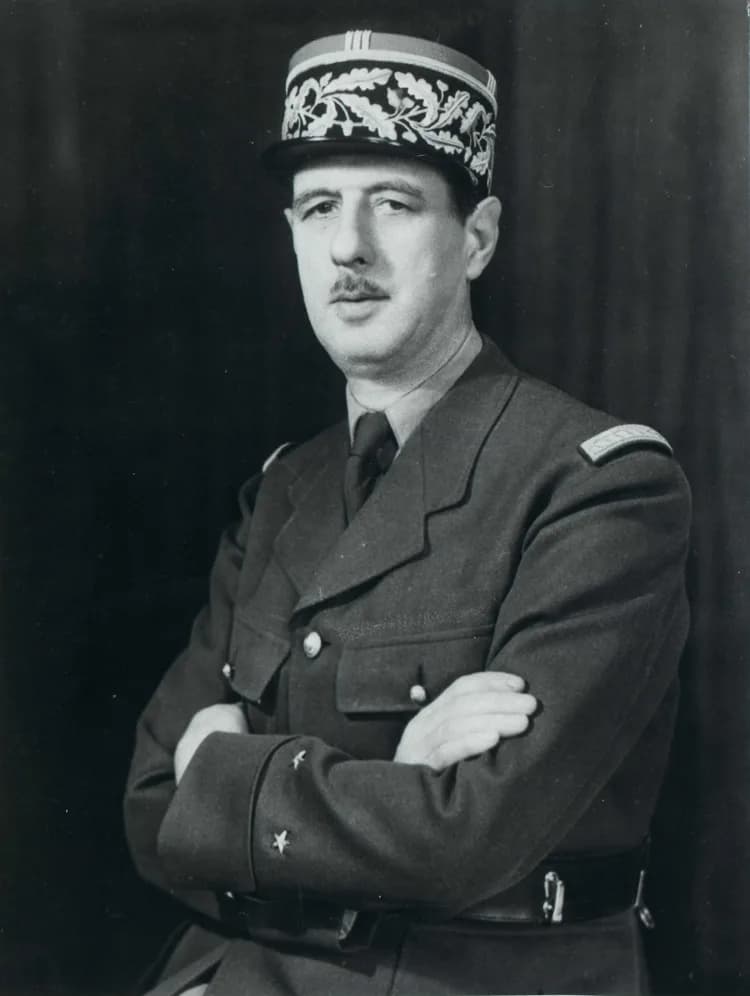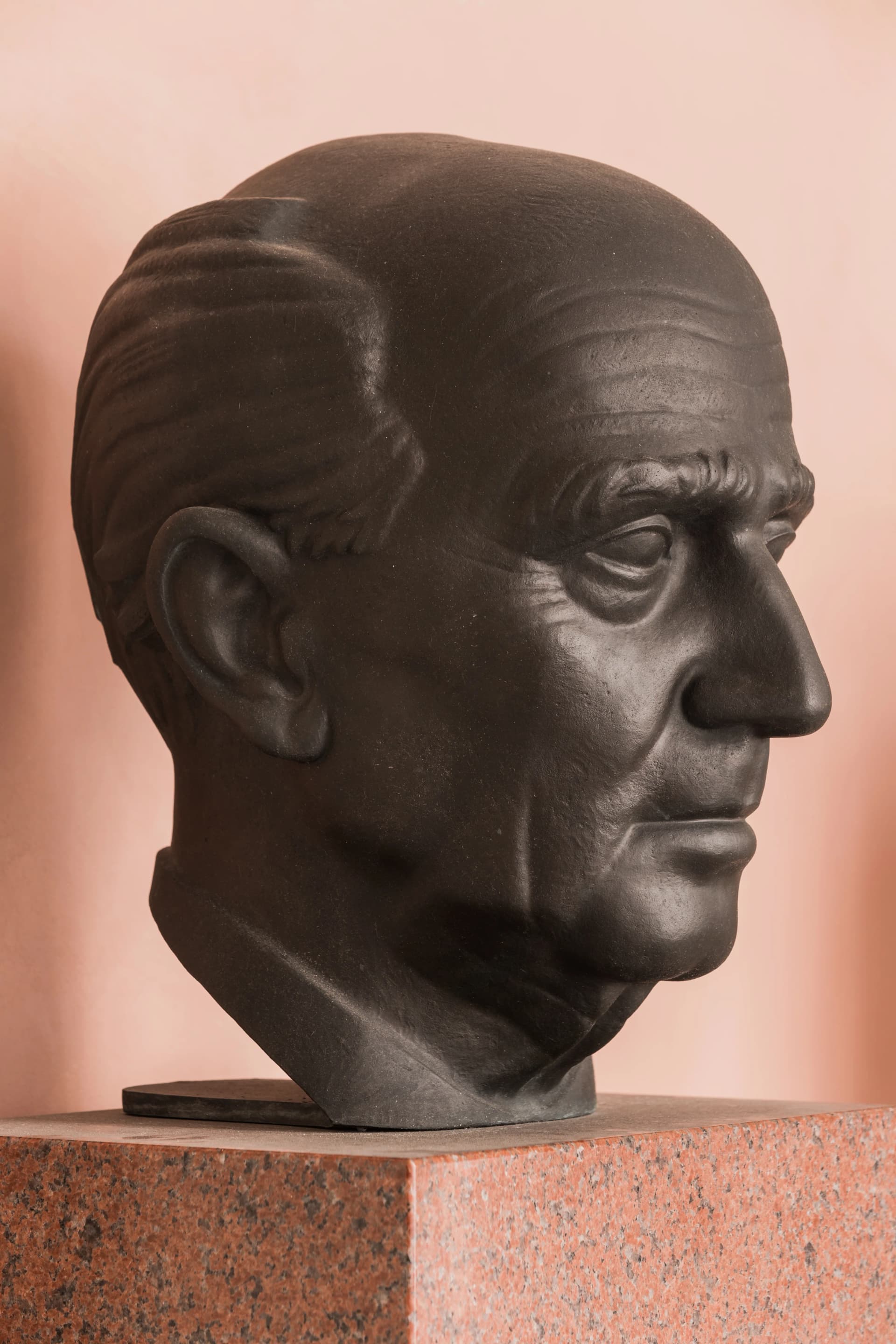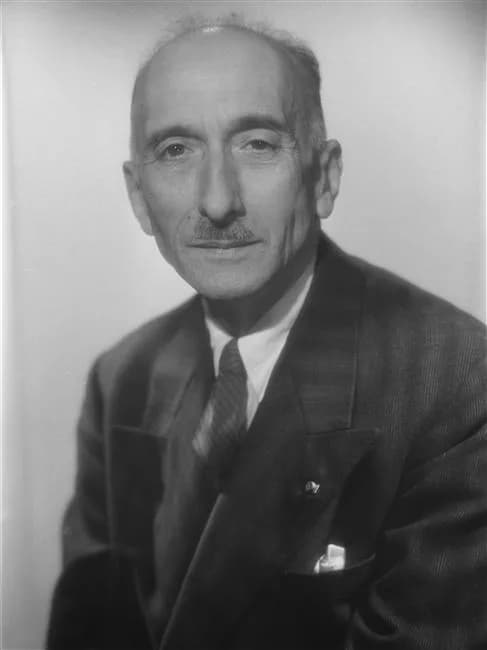
జన్మించారు
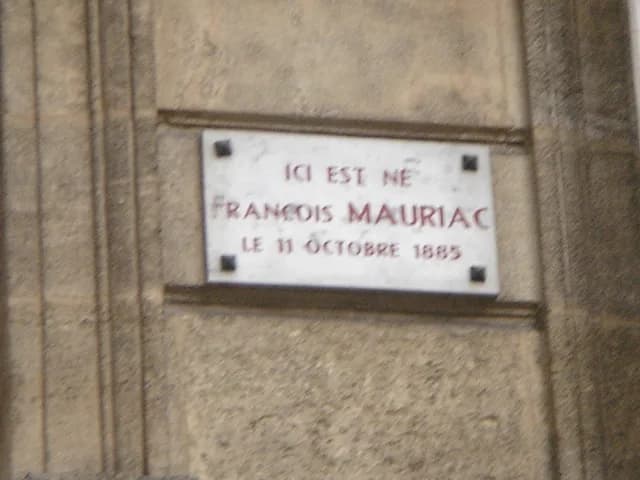
October 11, 1885
Bordeaux, France
మరణించారు
September 1, 1970
Paris, France
దీని కోసం పేరు పొందారు
French writer
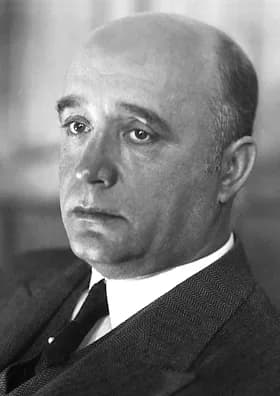
François Mauriac (1885–1970) was France best known for French writer.
François Charles Mauriac (October 11, 1885 – September 1, 1970) was a French novelist, dramatist, critic, poet, and journalist from Bordeaux. He received the Nobel Prize in Literature in 1952 for his deep spiritual insight and artistic intensity in exploring human life. His legacy as a member of the Académie française continues to influence French literature.
క్షణాలలో ఒక జీవితం
ఒక జీవితాన్ని రూపొందించిన క్షణాలు
అధ్యాయం
జీవిత అధ్యాయాలు
అధ్యాయం 1 · 1885· 6లో అధ్యాయం 1
Early Life and Origins
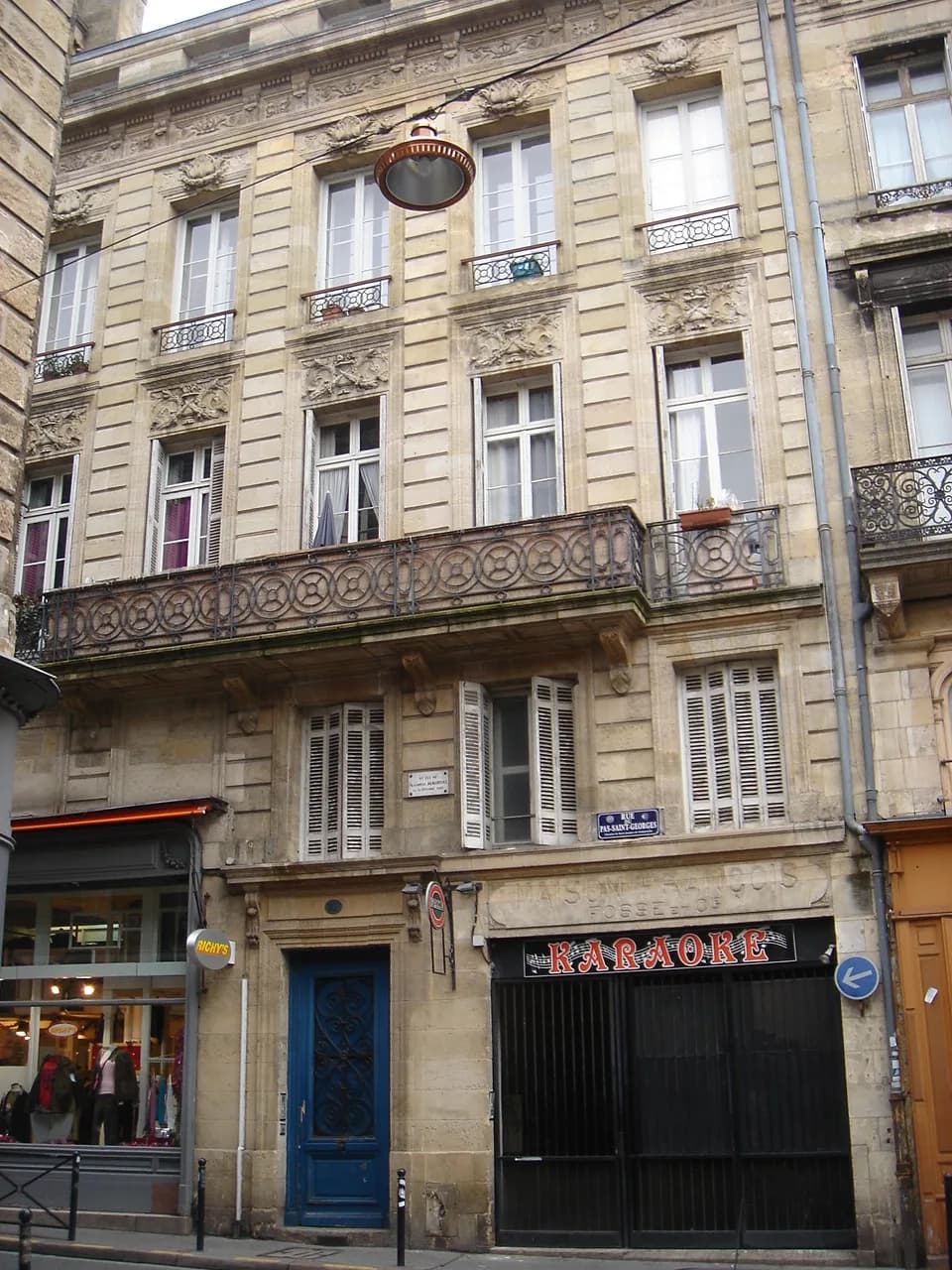
Born on October 11, 1885, in Bordeaux, France, François Mauriac came into the world during a period of significant cultural and social change in France. Bordeaux, with its rich literary traditions and vibrant intellectual atmosphere, provided the backdrop for his formative years. The southwestern French city would later influence much of his writing, as the landscapes and social dynamics of his birthplace found their way into his literary works.
అధ్యాయం 2· 6లో అధ్యాయం 2
Career Beginnings
Mauriac's journey into the literary world began with his diverse talents spanning multiple forms of writing. He started his career exploring various literary genres, working as a poet, playwright, and novelist. His early years in the literary scene also saw him develop skills as a biographer and journalist, establishing the foundation for what would become a remarkably versatile writing career. These early experiences shaped his understanding of human nature and provided the groundwork for his later masterpieces.
అధ్యాయం 3 · 1952· 6లో అధ్యాయం 3
Major Achievements and Career Highlights
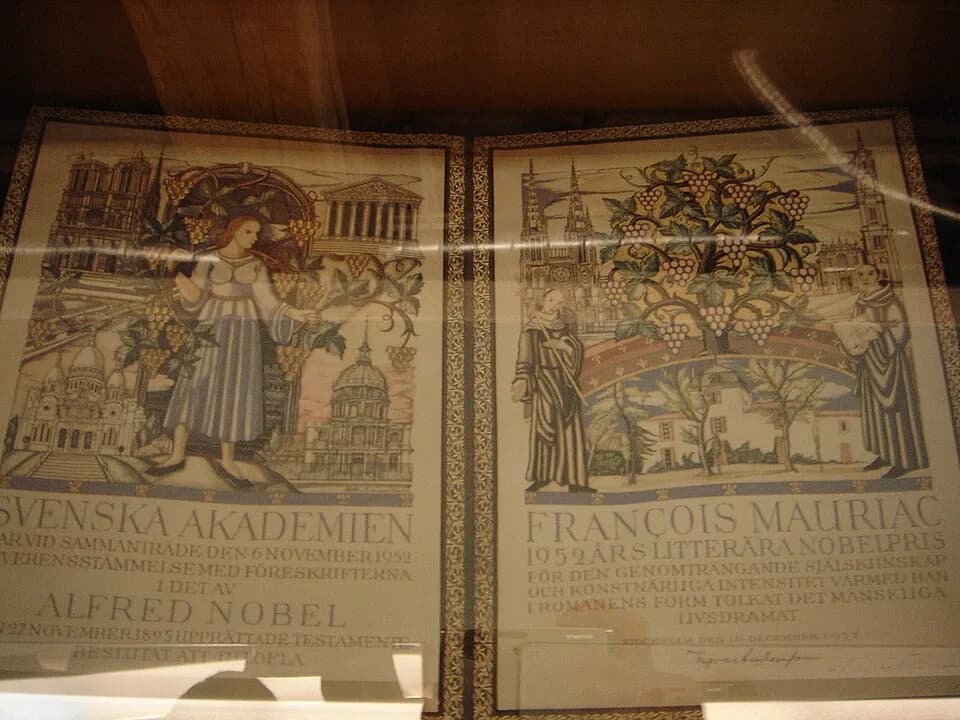
The pinnacle of Mauriac's career came in 1952 when he was awarded the Nobel Prize in Literature, recognizing his exceptional ability to capture the complexities of human existence through his novels. His literary excellence was further acknowledged when he became a member of the prestigious Académie française, one of the highest honors for French writers. In 1958, his contributions to French culture were recognized at the national level when he received the Grand Cross of the Légion d'honneur, France's highest decoration.
Throughout his career, Mauriac demonstrated remarkable versatility as a writer, working successfully as a screenwriter, literary critic, and journalist. His ability to excel across multiple literary forms showcased his deep understanding of language and storytelling, making him one of the most respected voices in French literature of his era.
అధ్యాయం 4· 6లో అధ్యాయం 4
Notable Works and Literary Contributions
Mauriac's bibliography reflects his prolific nature and diverse interests as a writer. Among his significant works are "Le Fils de l'Homme," "La robe prétexte," and "Le Cahier noir," each demonstrating his skill in exploring complex human emotions and spiritual themes. His work "Sub Pontio Pilato" and "Le feu secret" further established his reputation for combining literary artistry with profound philosophical inquiry.
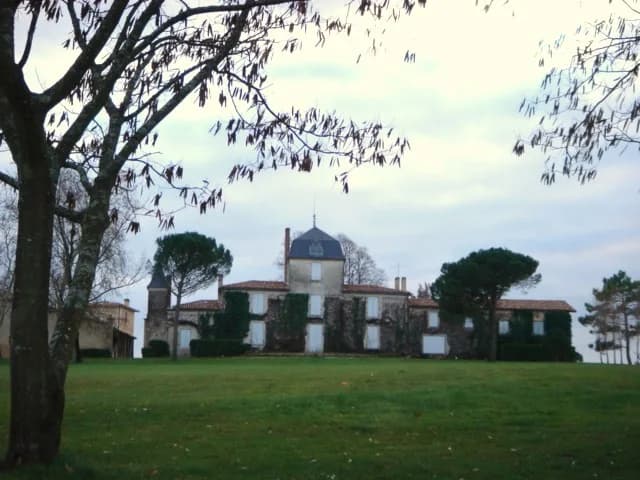
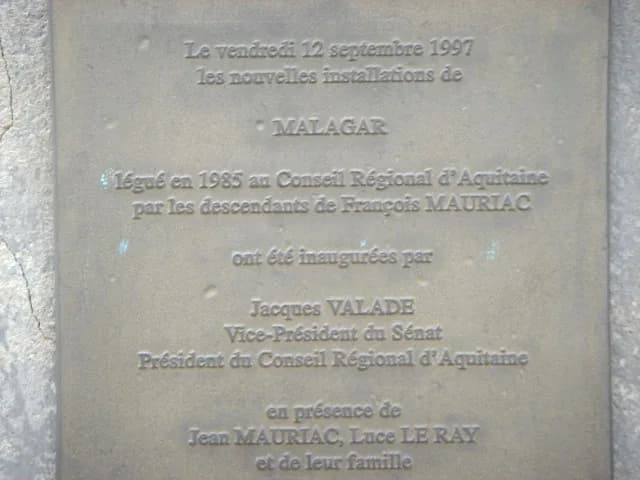
His contributions extended beyond novels to include dramatic works and critical essays. "Discours prononcés dans la séance publique tenue par l'Académie française pour la réception de m. Paul Claudel le jeudi 13 mars 1947" showcases his role in French literary institutions, while works like "En visitant Malagar" and "Le drôle" demonstrate his continued creative output throughout his career.
అధ్యాయం 5· 6లో అధ్యాయం 5
Later Years
As Mauriac's career progressed, he continued to write and contribute to French literary culture well into his later years. His move to Paris marked a significant phase in his life, where he remained active in literary circles and continued his writing until his final years. The transition from his birthplace of Bordeaux to the cultural capital of France reflected his evolution from a regional writer to a figure of national and international importance.
అధ్యాయం 6 · 1970· 6లో అధ్యాయం 6
Legacy and Impact
François Mauriac's death on September 1, 1970, in Paris marked the end of an era in French literature. His legacy lives on through his contributions to multiple literary forms and his unique ability to examine the human condition with both artistic beauty and spiritual depth. The Nobel Committee's recognition of his "deep spiritual insight and artistic intensity" continues to define how readers and critics understand his work.
His influence on French literature extends far beyond his own writings, as his work as a critic and member of the Académie française helped shape literary standards and recognition for future generations of writers. Mauriac's exploration of moral and spiritual themes in literature established a tradition that continues to influence contemporary French authors, ensuring his place as one of France's most enduring literary voices.
FAQ
తరచుగా అడిగేవి
François Mauriac ఎప్పుడు మరణించారు?
François Mauriac 1 సెప్టెంబర్, 1970 న Paris, France లో మరణించారు, 84 ఏళ్ల వయసులో.
François Mauriac ఎక్కడ జన్మించారు?
François Mauriac Bordeaux, France లో 11 అక్టోబర్, 1885 న జన్మించారు.
François Mauriac దేనికి ఎక్కువగా ప్రసిద్ధులు?
François Mauriac French writer కోసం ఎక్కువగా ప్రసిద్ధులు.
మరణించే సమయంలో François Mauriac వయసు ఎంత?
మరణించే సమయంలో François Mauriac వయసు 84 సంవత్సరాలు.
François Mauriac జాతీయత ఏమిటి?
François Mauriac France నుండి వచ్చారు.
కాలక్రమం
ఒక చూపులో జీవితం
ఫోటో గ్యాలరీ
చిత్రాలలో ఒక జీవితం
విస్తరించడానికి ఏదైనా పోలరాయిడ్ను క్లిక్ చేయండి · 33 ఫోటోలు
QR కోడ్
ఈ జీవిత చరిత్రను పంచుకోండి
ముద్రించండి మరియు పంచుకోండి
ఈ జీవిత చరిత్ర పేజీని సందర్శించడానికి స్కాన్ చేయండి. ఈవెంట్లు, ప్రదర్శనలు లేదా విద్యా సామగ్రి కోసం ముద్రించండి.