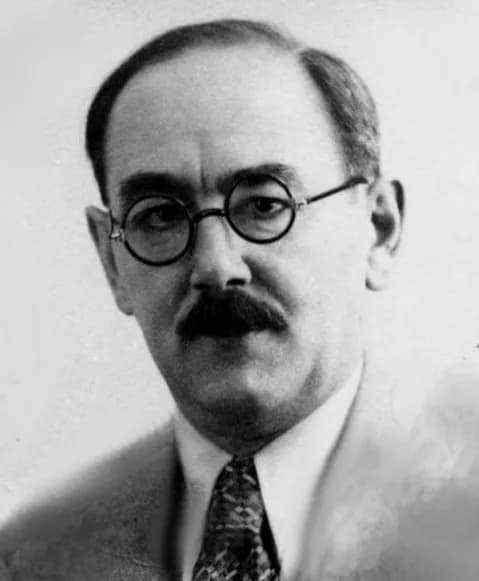
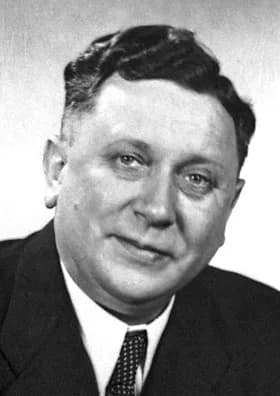
జన్మించారు
March 19, 1900
Paris, France
మరణించారు
August 14, 1958
Paris, France
దీని కోసం పేరు పొందారు
French scientist
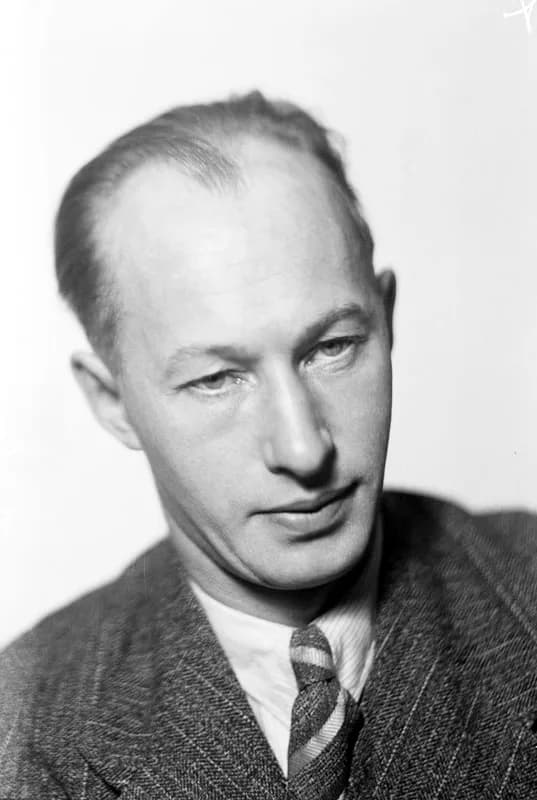
Frédéric Joliot-Curie (1900–1958) was France best known for French scientist.
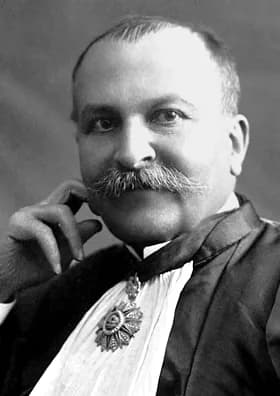
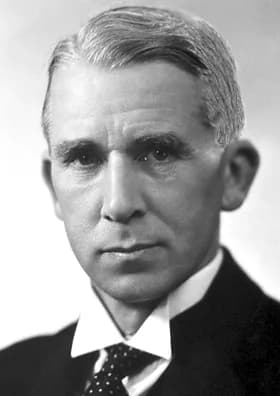
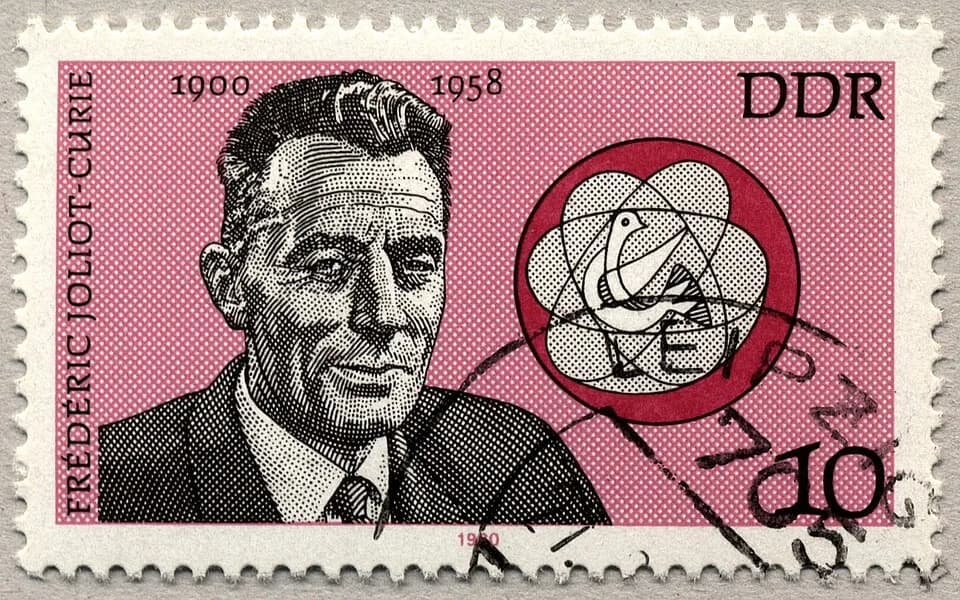
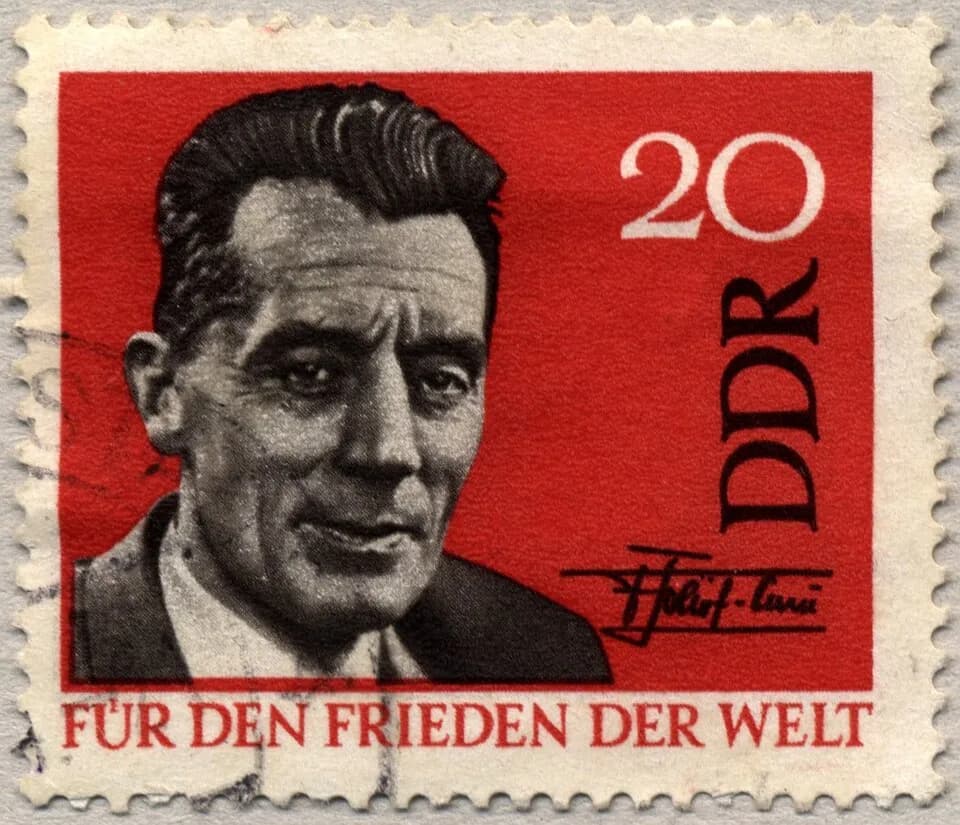
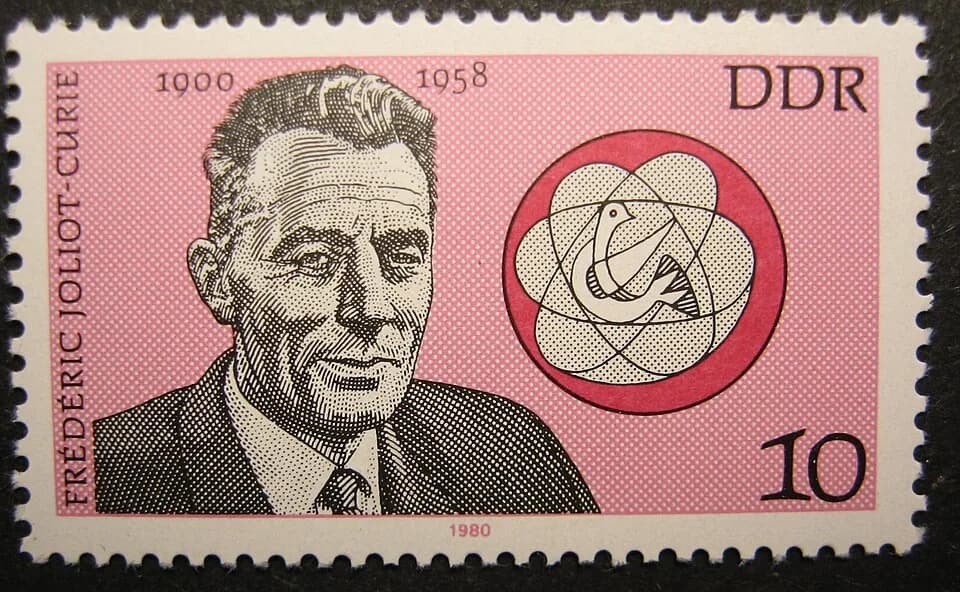
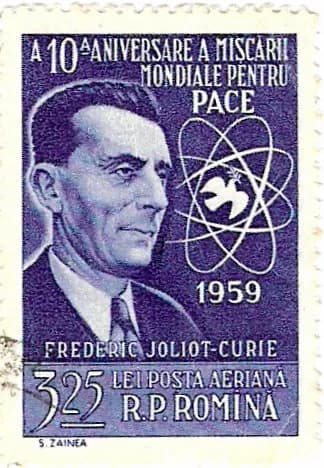
Jean Frédéric Joliot-Curie (1900–1958) was a French chemist and physicist from Paris. He won the 1935 Nobel Prize in Chemistry with his wife Irène for discovering induced radioactivity. His work advanced nuclear science and contributed to the Curie family's legacy of five Nobel Prizes.
క్షణాలలో ఒక జీవితం
ఒక జీవితాన్ని రూపొందించిన క్షణాలు
అధ్యాయం
జీవిత అధ్యాయాలు
అధ్యాయం 1 · 1900· 7లో అధ్యాయం 1
Early Life and Origins
Frédéric was born in Paris, France, on March 19, 1900, into a world on the brink of scientific revolution. Growing up in the French capital during the early decades of the 20th century, he witnessed the emergence of modern physics and chemistry. His educational journey led him through the rigorous French academic system, where he developed his passion for the physical sciences that would define his career.
అధ్యాయం 2· 7లో అధ్యాయం 2
Career Beginnings
Joliot-Curie's entry into the scientific world brought him into contact with the famous Curie family, already renowned for their contributions to radioactivity research. His early work focused on nuclear physics and chemistry, disciplines that were rapidly evolving during the 1920s and 1930s. These formative years established the foundation for his later groundbreaking discoveries in artificial radioactivity.
అధ్యాయం 3 · 1935· 7లో అధ్యాయం 3
Major Achievements and Career Highlights
The pinnacle of Joliot-Curie's scientific career came in 1935 when he and his wife Irène received the Nobel Prize in Chemistry for their discovery of induced radioactivity. This achievement made them the second married couple to win the Nobel Prize, following in the footsteps of Irène's parents, Pierre and Marie Curie. Their discovery opened new pathways in nuclear research and had far-reaching implications for both scientific understanding and practical applications.
Beyond his Nobel Prize achievement, Joliot-Curie co-founded the Orsay Faculty of Sciences, which later became part of Paris-Saclay University. This institution became a center of excellence for scientific education and research in France. His work contributed to the Curie family's remarkable legacy of five Nobel Prizes, cementing their place as one of science's most distinguished families.
అధ్యాయం 4· 7లో అధ్యాయం 4
Personal Life
Frédéric's marriage to Irène Curie created both a personal and professional partnership that proved extraordinarily productive. Together, they navigated the challenges of conducting cutting-edge research while building a family. Their collaboration extended beyond the laboratory, as they shared not only scientific interests but also political convictions and social responsibilities.
అధ్యాయం 5 · 1949· 7లో అధ్యాయం 5
Notable Works and Contributions
Among Joliot-Curie's academic publications, "Techniques générales du laboratoire de physique" (1949) stands out as his most cited work, reflecting his commitment to advancing laboratory methods in physics. His other significant publications include "La constitution de la matière et la radioactivité artificielle" (1937), which documented his pioneering work in artificial radioactivity. "Le cyclotron : la désintégration de la matière et la radiobiologie" (1945) explored the applications of particle accelerators in nuclear research and biology.
His 1949 work "De l'atome à l'énergie nucléaire" helped bridge the gap between atomic theory and practical nuclear applications. These publications demonstrate his ability to communicate complex scientific concepts and his dedication to sharing knowledge with the broader scientific community.
అధ్యాయం 6· 7లో అధ్యాయం 6
Later Years
During World War II, Joliot-Curie took on a different role as a French resistance fighter, demonstrating his commitment to his country's freedom alongside his scientific pursuits. This period showed his courage and principles extended beyond the laboratory. His later career included roles as both professor and university teacher, where he influenced a new generation of scientists. He also engaged in political activities, reflecting his belief that scientists had responsibilities to society beyond their research.
అధ్యాయం 7 · 1958· 7లో అధ్యాయం 7
Legacy and Impact
Frédéric Joliot-Curie's death in Paris on August 14, 1958, marked the end of a life dedicated to scientific discovery and social responsibility. His work in nuclear physics laid crucial groundwork for developments in both peaceful nuclear applications and our understanding of atomic structure. The techniques and principles he developed continue to influence nuclear research today.
His role in establishing the Orsay Faculty of Sciences created lasting educational opportunities for future scientists. The combination of his Nobel Prize-winning research, his contributions to scientific education, and his courage during wartime created a multifaceted legacy that extends far beyond his laboratory achievements. His life exemplified how scientific excellence could be combined with social conscience and personal bravery.
FAQ
తరచుగా అడిగేవి
Frédéric Joliot-Curie ఎప్పుడు మరణించారు?
Frédéric Joliot-Curie 14 ఆగస్టు, 1958 న Paris, France లో మరణించారు, 58 ఏళ్ల వయసులో.
Frédéric Joliot-Curie ఎక్కడ జన్మించారు?
Frédéric Joliot-Curie Paris, France లో 19 మార్చి, 1900 న జన్మించారు.
Frédéric Joliot-Curie దేనికి ఎక్కువగా ప్రసిద్ధులు?
Frédéric Joliot-Curie French scientist కోసం ఎక్కువగా ప్రసిద్ధులు.
మరణించే సమయంలో Frédéric Joliot-Curie వయసు ఎంత?
మరణించే సమయంలో Frédéric Joliot-Curie వయసు 58 సంవత్సరాలు.
Frédéric Joliot-Curie జాతీయత ఏమిటి?
Frédéric Joliot-Curie France నుండి వచ్చారు.
కాలక్రమం
ఒక చూపులో జీవితం
ఫోటో గ్యాలరీ
చిత్రాలలో ఒక జీవితం
విస్తరించడానికి ఏదైనా పోలరాయిడ్ను క్లిక్ చేయండి · 44 ఫోటోలు
QR కోడ్
ఈ జీవిత చరిత్రను పంచుకోండి
ముద్రించండి మరియు పంచుకోండి
ఈ జీవిత చరిత్ర పేజీని సందర్శించడానికి స్కాన్ చేయండి. ఈవెంట్లు, ప్రదర్శనలు లేదా విద్యా సామగ్రి కోసం ముద్రించండి.