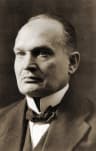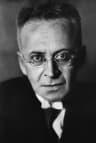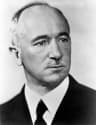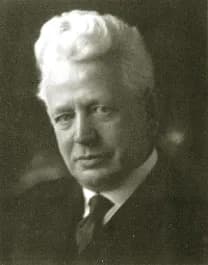
జన్మించారు
May 28, 1874
Wrocław, Kingdom of Poland
మరణించారు
April 13, 1945
New York City, United States
దీని కోసం పేరు పొందారు
German philosopher
Ernst Cassirer (1874–1945) was Kingdom of Poland best known for German philosopher.
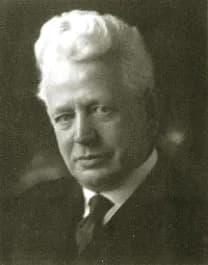
Ernst Alfred Cassirer (May 28, 1874 – April 13, 1945) was a German philosopher from Wrocław, Kingdom of Poland. He was known for his work in neo-Kantianism and his idealistic philosophy of science. His influence extended through his writings on various philosophical subjects.
అధ్యాయం
జీవిత అధ్యాయాలు
అధ్యాయం 1 · 1874· 7లో అధ్యాయం 1
Early Life and Origins
Ernst Cassirer was born on May 28, 1874, in Wrocław, which was then part of the Kingdom of Poland. His early life set the stage for a profound academic career dedicated to philosophical inquiry. He pursued his education, eventually training within the influential Marburg school of neo-Kantianism, a significant intellectual movement of his era.
This academic environment deeply influenced his philosophical trajectory, grounding him in the critical tradition initiated by Immanuel Kant. The Marburg school's emphasis on science and epistemology provided a robust framework for Cassirer's developing thought. His origins in Wrocław provided the backdrop for the early development of a thinker who would later traverse continents and philosophical traditions.
అధ్యాయం 2· 7లో అధ్యాయం 2
Career Beginnings
Cassirer's philosophical journey began under the direct mentorship of Hermann Cohen, a leading figure of the Marburg school. He initially dedicated himself to the school's aims, particularly in attempting to supply an idealistic philosophy of science. This early focus demonstrated his commitment to integrating scientific understanding with philosophical principles.
His initial work reflected a deep engagement with the philosophical challenges of his time, seeking to build a coherent system that could account for both empirical knowledge and transcendental idealism. These early endeavors laid the groundwork for his later, more expansive theories. His intellectual rigor was evident from the outset of his professional life as a university teacher and philosopher.
అధ్యాయం 3· 7లో అధ్యాయం 3
Major Achievements and Career Highlights
As a German philosopher and historian of philosophy, Ernst Cassirer's career was marked by his consistent efforts to broaden philosophical understanding. His work moved beyond a strict philosophy of science to encompass a wider theory of cultural forms. He became known for his distinctive approach to neo-Kantianism.
Cassirer's major contributions involved developing a comprehensive philosophy that explored the symbolic nature of human culture. He was not merely a follower but an innovator, extending the Marburg school's principles into new domains. His philosophical investigations positioned him as a leading voice in understanding the human condition through its various symbolic expressions.
అధ్యాయం 4· 7లో అధ్యాయం 4
Personal Life
While Ernst Cassirer's public life was primarily characterized by his profound intellectual contributions as a philosopher, university teacher, and art historian, specific details about his personal life beyond these professional roles are not extensively documented in the provided information. His dedication to scholarship appears to have been a central aspect of his existence.
Information regarding his family, close relationships, or personal interests outside of his academic pursuits remains largely unstated in the available biographical notes. This often means that a scholar's legacy is most richly found within the body of their intellectual output. His life was, first and foremost, one of thought and rigorous inquiry.
అధ్యాయం 5· 7లో అధ్యాయం 5
Notable Works or Contributions
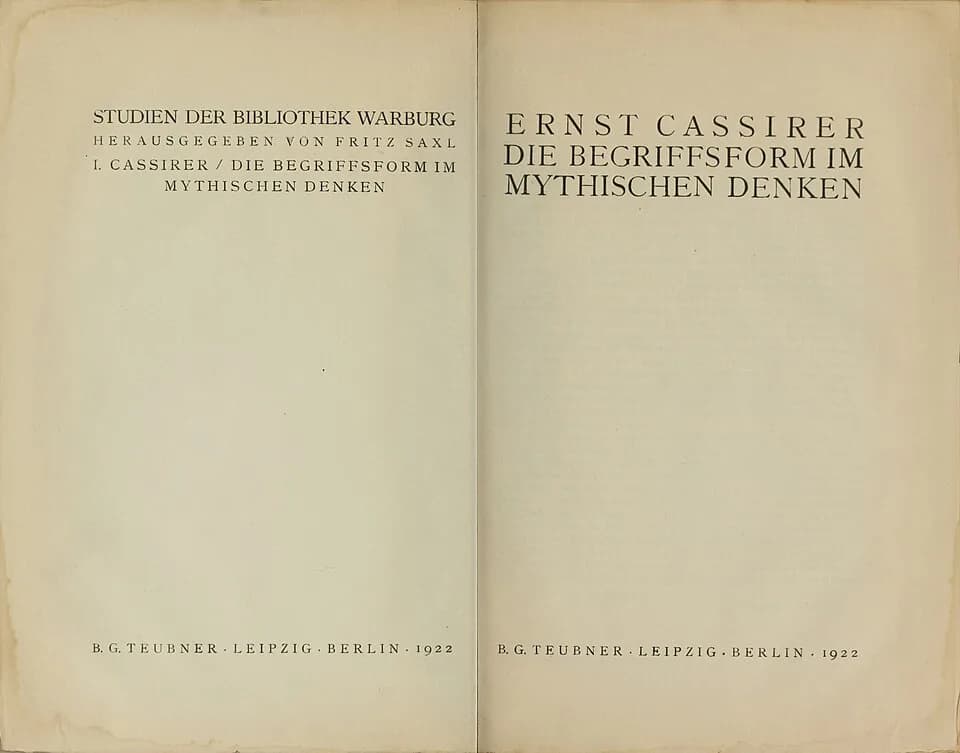
Ernst Cassirer authored a significant body of work that spans various philosophical disciplines and cultural analyses. His extensive bibliography reflects a wide range of interests, from the philosophy of language to historical studies. These works continue to be studied and debated by scholars across the world.
Among his significant contributions is "Psychologie du langage," a work exploring the psychological dimensions of language. He also delved into cultural anthropology with "Antropologia filosofica," offering insights into human nature through a philosophical lens. His engagement with scientific theory is evident in "Teoriia otnositelʹnosti Einshteina" (The Theory of Relativity of Einstein), showcasing his grasp of modern physics.
Cassirer's breadth of historical knowledge is displayed in "La filosofia dell'illuminismo" (The Philosophy of the Enlightenment), an important study of an influential intellectual period. He also wrote "Zur modernen Physik" (On Modern Physics), further demonstrating his interdisciplinary approach. Another notable historical work is "Dialogue sur la vie de Jean Chrysostome."
His systematic philosophy, notably represented by "PHILOSOPHIE DES FORMES SYMBOLIQUES T2" (Philosophy of Symbolic Forms, Vol. 2), explores how humans construct their world through symbols. Works like "人間" (which translates to "Human Being" or "Man"), "El Hombre como problema de la filosofía" (Man as a Problem of Philosophy), and "Individu et cosmos dans la philosophie de la ranaissance" (Individual and Cosmos in the Philosophy of the Renaissance) further highlight his ongoing exploration of humanity's place in the universe and the history of ideas.
అధ్యాయం 6· 7లో అధ్యాయం 6
Later Years
Ernst Cassirer continued his influential work into his later years, maintaining his intellectual output and academic presence. His philosophical insights remained sharp, even as the world around him underwent significant changes. He navigated complex historical periods, always committed to his scholarly vocation.
His life concluded on April 13, 1945, when he passed away in New York City, United States. His death marked the end of a career spanning decades of dedicated philosophical inquiry. He left behind a substantial and lasting intellectual heritage.
అధ్యాయం 7· 7లో అధ్యాయం 7
Legacy and Impact
Ernst Cassirer's legacy as a German philosopher and historian of philosophy is enduring and far-reaching. He redefined neo-Kantianism, shifting its focus from a purely epistemological concern to a broader philosophy of culture and human symbolic activity. His ideas provided a framework for understanding diverse cultural phenomena.
His influence is felt in fields ranging from philosophy of science to anthropology, art history, and literary theory. Cassirer's systematic exploration of symbolic forms continues to offer valuable perspectives on how human beings create meaning. He remains a central figure for anyone studying 20th-century German thought and the development of modern philosophical movements.
క్షణాలలో ఒక జీవితం
ఒక జీవితాన్ని రూపొందించిన క్షణాలు

FAQ
తరచుగా అడిగేవి
Ernst Cassirer ఎప్పుడు మరణించారు?
Ernst Cassirer 13 ఏప్రిల్, 1945 న New York City, United States లో మరణించారు, 70 ఏళ్ల వయసులో.
Ernst Cassirer ఎక్కడ జన్మించారు?
Ernst Cassirer Wrocław, Kingdom of Poland లో 28 మే, 1874 న జన్మించారు.
Ernst Cassirer దేనికి ఎక్కువగా ప్రసిద్ధులు?
Ernst Cassirer German philosopher కోసం ఎక్కువగా ప్రసిద్ధులు.
మరణించే సమయంలో Ernst Cassirer వయసు ఎంత?
మరణించే సమయంలో Ernst Cassirer వయసు 70 సంవత్సరాలు.
Ernst Cassirer జాతీయత ఏమిటి?
Ernst Cassirer Kingdom of Poland నుండి వచ్చారు.
కాలక్రమం
ఒక చూపులో జీవితం
ఫోటో గ్యాలరీ
చిత్రాలలో ఒక జీవితం
విస్తరించడానికి ఏదైనా పోలరాయిడ్ను క్లిక్ చేయండి · 12 ఫోటోలు
QR కోడ్
ఈ జీవిత చరిత్రను పంచుకోండి
ముద్రించండి మరియు పంచుకోండి
ఈ జీవిత చరిత్ర పేజీని సందర్శించడానికి స్కాన్ చేయండి. ఈవెంట్లు, ప్రదర్శనలు లేదా విద్యా సామగ్రి కోసం ముద్రించండి.