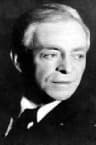
జన్మించారు
February 23, 1924
Johannesburg, South Africa
మరణించారు
May 7, 1998
Winchester, United Kingdom
దీని కోసం పేరు పొందారు
American physicist
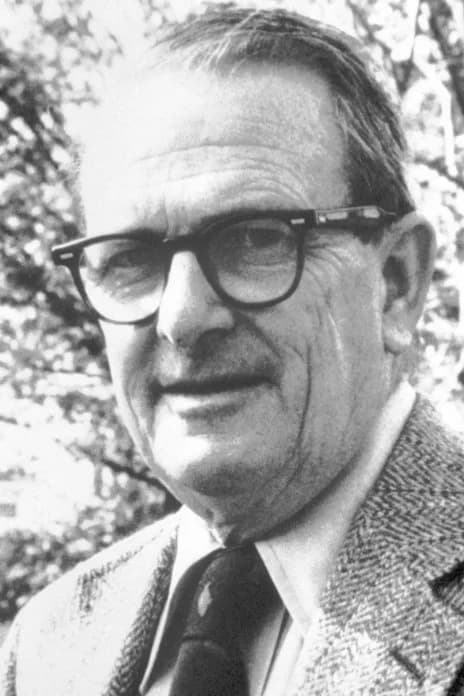
Allan McLeod Cormack (1924 – 1998) was a South African and American physicist known for his pioneering work on X-ray computed tomography (CT). This groundbreaking research earned him the 1979 Nobel Prize in Physiology or Medicine. His contributions continue to save lives globally.
అధ్యాయం
జీవిత అధ్యాయాలు
అధ్యాయం 1 · 1924· 7లో అధ్యాయం 1
Early Life and Origins
Allan McLeod Cormack was born on February 23, 1924, in Johannesburg, South Africa. This significant birthplace provided the initial setting for his life, though specific details of his early family life and upbringing are not widely documented. His educational path eventually led him into the rigorous field of physics, a discipline where his unique intellect would later enable extraordinary contributions. While specific institutions for his initial schooling are not detailed, his eventual high academic standing as a professor and Nobel Laureate points to a solid and demanding foundation in scientific inquiry.
అధ్యాయం 2· 7లో అధ్యాయం 2
Career Beginnings
Cormack embarked on his professional journey as a dedicated physicist, committing himself to both research and academic pursuits. He eventually held the esteemed position of Professor of Physics at Tufts University, a role that provided him with the institutional support and intellectual freedom necessary to conduct his groundbreaking scientific investigations. It was during his tenure in these challenging academic environments that he began to meticulously explore the theoretical principles that would ultimately revolutionize the field of medical diagnostics. His focused early work methodically laid the crucial mathematical and conceptual groundwork for complex, non-invasive imaging technologies.
అధ్యాయం 3 · 1979· 7లో అధ్యాయం 3
Major Achievements and Career Highlights
Allan McLeod Cormack's most profoundly significant achievement was his innovative theoretical work on X-ray computed tomography (CT). He independently developed the complex mathematical algorithms required to accurately reconstruct cross-sectional images of objects from multiple X-ray projections taken at different angles. This fundamental theoretical breakthrough, conceived and detailed in the early 1960s, formed the very bedrock of what would become modern clinical CT scanning. For this monumental and transformative contribution to human health and science, he was deservedly awarded the 1979 Nobel Prize in Physiology or Medicine. His Nobel recognition was particularly notable and inspiring, considering that Cormack did not hold a traditional doctoral degree in any scientific field, an unusual circumstance that underscored his exceptional and innate genius.
అధ్యాయం 4· 7లో అధ్యాయం 4
Personal Life
While Allan McLeod Cormack's professional life was extensively documented through his seminal scientific contributions, numerous publications, and prestigious awards, specific details regarding his personal life, family, or hobbies are not readily available in public records. His unwavering dedication to his scientific research and his distinguished academic career at Tufts University appear to have been central and defining aspects of his existence. He consistently maintained a strong, focused commitment to his demanding scientific endeavors.
అధ్యాయం 5· 7లో అధ్యాయం 5
Notable Works or Contributions
Cormack's primary and most enduring contribution to science and medicine was his foundational mathematical framework for X-ray computed tomography (CT). His pioneering theoretical papers, published in the early 1960s, meticulously outlined the crucial mathematical algorithms and principles necessary for creating highly detailed, three-dimensional images of the human body's interior. This incredible innovation allowed medical professionals to visualize structures previously obscured or only indirectly observable by conventional, two-dimensional X-ray techniques. The intricate algorithms and concepts he painstakingly developed remain absolutely fundamental to the design and operation of virtually all CT scanners utilized by healthcare systems worldwide today. His unparalleled work fundamentally transformed the landscape of medical diagnosis.
అధ్యాయం 6 · 1979· 7లో అధ్యాయం 6
Later Years
Allan McLeod Cormack continued his active academic work and research pursuits at Tufts University following his well-deserved Nobel recognition in 1979. He remained an incredibly respected and influential figure within the university's physics department, where he mentored and inspired numerous students and colleagues alike. His later years were marked by the widespread, global adoption and continuous advancement of the revolutionary CT technology he had brilliantly conceptualized decades earlier. Cormack passed away peacefully on May 7, 1998, in Winchester, United Kingdom, bringing to a close a life exceptionally well-lived and profoundly dedicated to the relentless pursuit of scientific discovery and human betterment.
అధ్యాయం 7· 7లో అధ్యాయం 7
Legacy and Impact
Allan McLeod Cormack's legacy is undeniably immense and perpetually significant, primarily manifested through the ubiquitous and indispensable use of CT scanning in modern medicine across the globe. His groundbreaking theoretical work provided the essential intellectual foundation for a diagnostic tool that has undoubtedly saved countless lives, precisely diagnosed innumerable conditions, and profoundly improved healthcare outcomes globally. The CT scanner, a direct and tangible result of his deep mathematical insights and visionary thinking, now routinely allows for the critical early detection of diseases, the accurate staging of various conditions, and precise planning for complex surgical procedures. Cormack's unique and inspiring path to the Nobel Prize, achieved without the traditional academic credential of a scientific doctorate, stands as an enduring testament and profound inspiration to aspiring scientists and researchers worldwide. His deep and lasting influence continues to powerfully shape the fields of medical imaging and diagnostic medicine.
క్షణాలలో ఒక జీవితం
ఒక జీవితాన్ని రూపొందించిన క్షణాలు



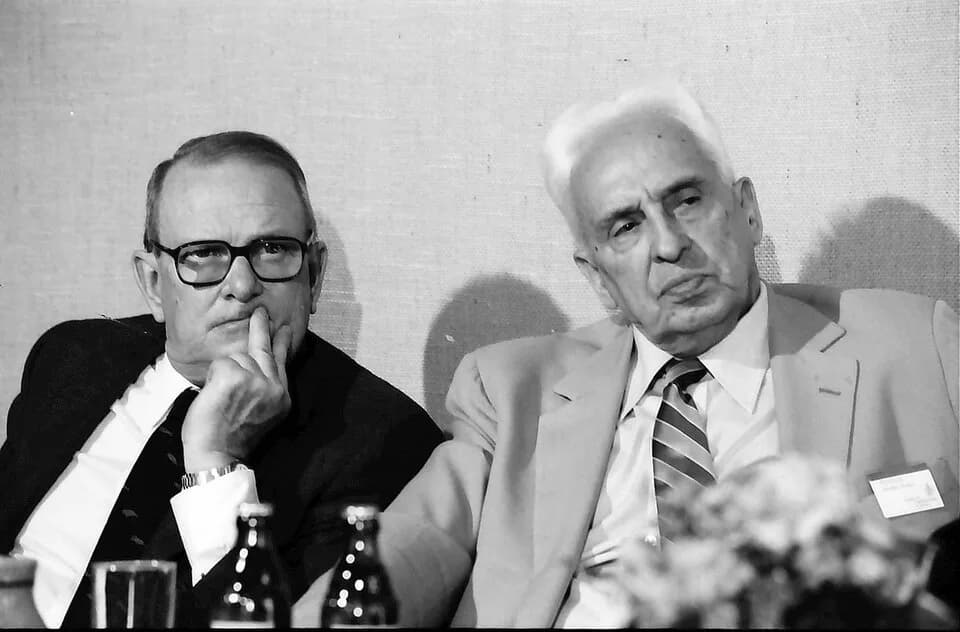
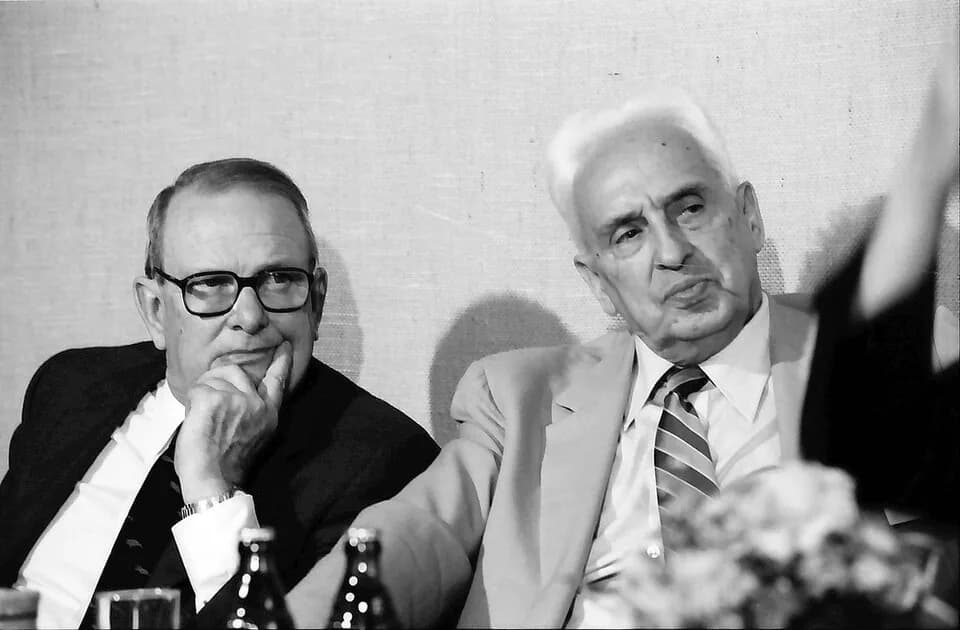
FAQ
తరచుగా అడిగేవి
Allan McLeod Cormack ఎప్పుడు మరణించారు?
Allan McLeod Cormack 7 మే, 1998 న Winchester, United Kingdom లో మరణించారు, 74 ఏళ్ల వయసులో.
Allan McLeod Cormack ఎక్కడ జన్మించారు?
Allan McLeod Cormack Johannesburg, South Africa లో 23 ఫిబ్రవరి, 1924 న జన్మించారు.
Allan McLeod Cormack దేనికి ఎక్కువగా ప్రసిద్ధులు?
Allan McLeod Cormack American physicist కోసం ఎక్కువగా ప్రసిద్ధులు.
మరణించే సమయంలో Allan McLeod Cormack వయసు ఎంత?
మరణించే సమయంలో Allan McLeod Cormack వయసు 74 సంవత్సరాలు.
Allan McLeod Cormack జాతీయత ఏమిటి?
Allan McLeod Cormack South Africa నుండి వచ్చారు.
కాలక్రమం
ఒక చూపులో జీవితం
ఫోటో గ్యాలరీ
చిత్రాలలో ఒక జీవితం
విస్తరించడానికి ఏదైనా పోలరాయిడ్ను క్లిక్ చేయండి · 15 ఫోటోలు
QR కోడ్
ఈ జీవిత చరిత్రను పంచుకోండి
ముద్రించండి మరియు పంచుకోండి
ఈ జీవిత చరిత్ర పేజీని సందర్శించడానికి స్కాన్ చేయండి. ఈవెంట్లు, ప్రదర్శనలు లేదా విద్యా సామగ్రి కోసం ముద్రించండి.