பிறப்பு
December 31, 1898
Tamayy Elzahayra, Egypt
மறைவு
February 3, 1975
Cairo, Egypt
அறியப்படுவது
Egyptian singer and actress
Umm Kulthum (1898–1975) was Egypt best known for Egyptian singer and actress.
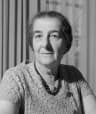
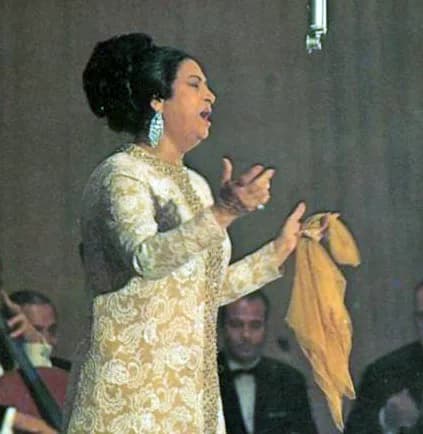
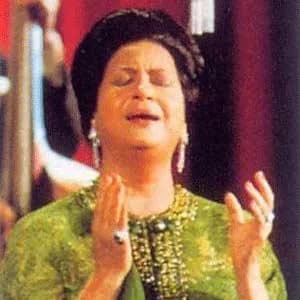
Fatima Ibrahim es-Sayyid el-Beltagi (Umm Kulthum) (December 31, 1898 – February 3, 1975) was an Egyptian singer and film actress. Known as "The Voice of Egypt" and Kawkab el-Sharq, she became a national icon whose unparalleled vocal artistry resonated across the Middle East and beyond.
அத்தியாயம்
வாழ்க்கை அத்தியாயங்கள்
அத்தியாயம் 1 · 1898· அத்தியாயம் 1 / 8
Introduction
Fatima Ibrahim es-Sayyid el-Beltagi, universally known by her stage name Umm Kulthum, was an iconic Egyptian singer and actress who lived from December 31, 1898, to February 3, 1975. Her powerful voice and emotive performances earned her the honorific title Kawkab el-Sharq, or "Star of the East." Umm Kulthum transcended mere celebrity to become a revered national icon in her native Egypt, often referred to as "The Voice of Egypt" and even "Egypt's Fourth Pyramid." Her influence extended far beyond her homeland, making her immensely popular throughout the Middle East and globally.
அத்தியாயம் 2 · 1898· அத்தியாயம் 2 / 8
Early Life and Origins
Umm Kulthum was born Fatima Ibrahim es-Sayyid el-Beltagi on December 31, 1898, in the village of Tamayy Elzahayra, situated in Egypt. Growing up in a rural setting, her innate talent for music would soon become apparent. Details about her earliest family life and upbringing are not extensively documented in the provided information.
அத்தியாயம் 3· அத்தியாயம் 3 / 8
Career Beginnings
Early in her life, Fatima Ibrahim es-Sayyid el-Beltagi adopted the stage name Umm Kulthum, a name that would become synonymous with musical excellence. She embarked on a career that saw her excel as both a singer and a film actress, quickly establishing herself as a formidable presence in Egyptian entertainment. Her unique vocal style and dramatic interpretations set her apart from her contemporaries.
அத்தியாயம் 4 · 2023· அத்தியாயம் 4 / 8
Major Achievements and Career Highlights
Throughout her illustrious career, Umm Kulthum garnered immense critical acclaim and public adoration. She was officially bestowed with the honorific title Kawkab el-Sharq, a testament to her star power and influence. Her artistic contributions were so significant that she was famously dubbed "The Voice of Egypt" and even metaphorically referred to as "Egypt's Fourth Pyramid," underscoring her monumental status in Egyptian culture. Her enduring legacy was recognized posthumously in 2023 when Rolling Stone ranked Umm Kulthum at number 61 on its list of the 200 Greatest Singers of All Time, solidifying her place among global music legends.
அத்தியாயம் 5· அத்தியாயம் 5 / 8
Personal Life
While Umm Kulthum's public life as a performer was extensively celebrated, specific details regarding her personal life and relationships are not readily available in the provided biographical information. Her public persona largely focused on her artistic contributions and cultural significance.
அத்தியாயம் 6 · 1936· அத்தியாயம் 6 / 8
Notable Works and Contributions
Umm Kulthum's artistic output was prolific, encompassing both a significant filmography and an extensive discography. In cinema, she starred in several notable films, lending her powerful presence and voice to the screen. Her film roles include "Weddad" (1936), "Nashid al-Amal" (1937), "Dananeer" (1940), "Aydah" (1942), "Sallama" (1945), and "Fatma" (1947).
Her musical recordings continue to resonate decades after her passing. Many of her beloved songs were released posthumously as part of extensive collections, demonstrating the lasting demand for her artistry. Such releases include "أراك عصي الدمع" and "بعيد عنك" both in 1989, followed by "لا يا حبيبي" and "هو صحيح الهوى غلاب" in 1991, and "دليلي احتار" in 1994. Further collections like "أمل حياتي," "سلوا قلبي," "سيرة الحب," "فات الميعاد," and "ليله حب" were all released in 1999, ensuring her iconic voice continued to reach new generations of listeners.
அத்தியாயம் 7 · 1975· அத்தியாயம் 7 / 8
Later Years
Umm Kulthum continued to perform and record, captivating audiences until her passing. She died on February 3, 1975, in Cairo, Egypt. Her death marked the end of an era for Egyptian and Arab music, leaving behind a void that many felt could never truly be filled.
அத்தியாயம் 8· அத்தியாயம் 8 / 8
Legacy and Impact
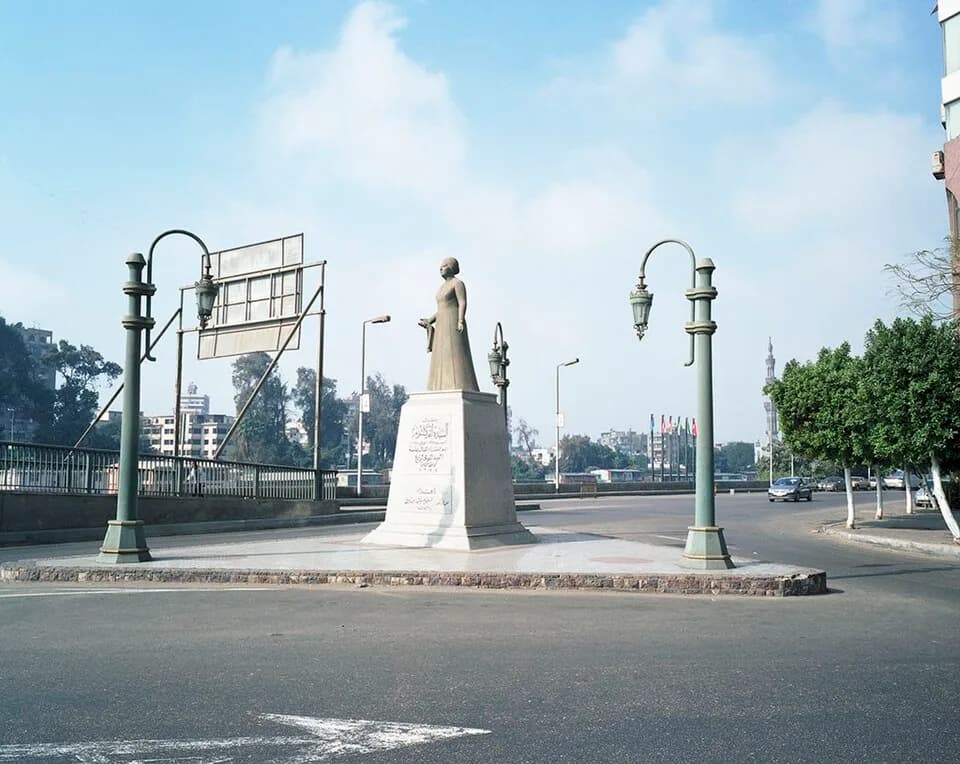
Umm Kulthum's legacy as a national icon in Egypt and a towering figure in music remains profound. Her influence stretched throughout the Middle East and beyond, making her a symbol of cultural identity and artistic excellence. The titles "The Voice of Egypt" and "Egypt's Fourth Pyramid" endure as reflections of her monumental impact on her country's cultural landscape. Even decades after her death, her work continues to be celebrated, as evidenced by her inclusion in Rolling Stone's list of the greatest singers, cementing her status as an eternal musical legend whose artistry transcends time and generations.
தருணங்களில் ஒரு வாழ்க்கை
ஒரு வாழ்க்கையை வடிவமைத்த தருணங்கள்

FAQ
அடிக்கடி கேட்கப்படுபவை
Umm Kulthum எப்போது இறந்தார்?
Umm Kulthum 3 பிப்ரவரி, 1975 அன்று Cairo, Egypt-ல் இறந்தார், 76 வயதில்.
Umm Kulthum எங்கு பிறந்தார்?
Umm Kulthum Tamayy Elzahayra, Egypt-ல் 31 டிசம்பர், 1898 அன்று பிறந்தார்.
Umm Kulthum எதற்காக மிகவும் பிரபலமானவர்?
Umm Kulthum Egyptian singer and actress-க்காக மிகவும் பிரபலமானவர்.
இறக்கும் போது Umm Kulthum-க்கு வயது என்ன?
இறக்கும் போது Umm Kulthum-க்கு 76 வயது.
Umm Kulthum-இன் தேசியம் என்ன?
Umm Kulthum Egypt நாட்டைச் சேர்ந்தவர்.
காலவரிசை
ஒரு பார்வையில் வாழ்க்கை
புகைப்பட கேலரி
படங்களில் ஒரு வாழ்க்கை
விரிவாக்க எந்த polaroid ஐயும் கிளிக் செய் · 46 புகைப்படங்கள்
QR குறியீடு
இந்த வாழ்க்கை வரலாற்றைப் பகிர்
அச்சிட்டு பகிர்
இந்த வாழ்க்கை வரலாற்றுப் பக்கத்திற்கு செல்ல ஸ்கேன் செய்க. நிகழ்வுகள், கண்காட்சிகள் அல்லது கல்விப் பொருட்களுக்கு அச்சிடவும்.