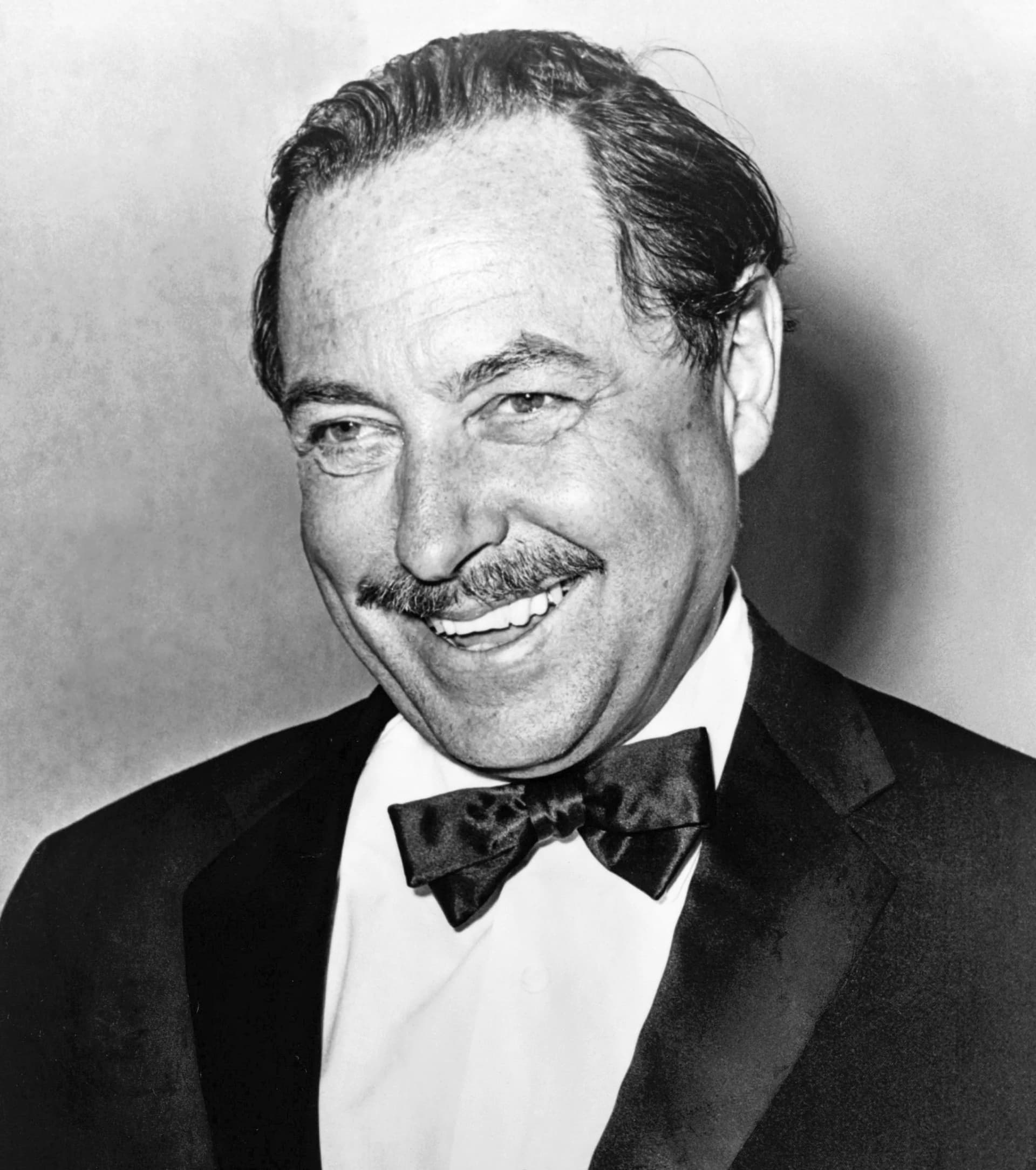
பிறப்பு
March 26, 1911
Columbus, United States
மறைவு
February 25, 1983
New York City, United States
அறியப்படுவது
American playwright
Tennessee Williams (1911–1983) was United States best known for American playwright.
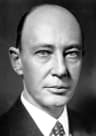
Tennessee Williams (March 26, 1911 – February 25, 1983) was an American playwright. He is recognized as one of the three foremost playwrights of 20th-century American drama, celebrated for his powerful and enduring works. His dramatic artistry continues to resonate with audiences globally.
அத்தியாயம்
வாழ்க்கை அத்தியாயங்கள்
அத்தியாயம் 1 · 1911· அத்தியாயம் 1 / 8
Opening: The Enduring Voice of American Drama
Thomas Lanier Williams III, known globally by his distinguished pen name Tennessee Williams, was a celebrated American playwright whose life spanned from March 26, 1911, to February 25, 1983. He stands as a towering figure in the annals of American letters, recognized for his profound contributions to theater. Williams earned his place alongside esteemed contemporaries such as Eugene O'Neill and Arthur Miller, together forming a triumvirate of the foremost playwrights of 20th-century American drama.
His body of work reshaped the theatrical landscape, presenting audiences with complex characters and evocative narratives that resonated deeply. Through his plays, Williams explored themes that remain universally relevant, cementing his status as an essential voice in the cultural fabric of the United States and beyond. His artistry provided a mirror to the human condition, reflecting struggles and triumphs with an unparalleled sensitivity.
அத்தியாயம் 2 · 1911· அத்தியாயம் 2 / 8
Early Life and Origins
Born in Columbus, United States, on March 26, 1911, Tennessee Williams began his journey in a nation undergoing significant social and cultural shifts. His early experiences in the American South profoundly influenced the settings and characters that would populate his future dramatic works. The specific details of his upbringing in Columbus contributed to the authentic regional flavors often found in his storytelling.
The formative years he spent in the United States during the early part of the 20th century provided a rich backdrop for a developing artist. This period of American history, marked by distinct social mores and evolving perspectives, undoubtedly shaped his observations of society and human nature. His perspective as a young man from Columbus, United States, ultimately informed the intricate psychological portraits he would later craft for the stage.
அத்தியாயம் 3· அத்தியாயம் 3 / 8
Career Beginnings
Tennessee Williams dedicated his life to the written word, pursuing a multifaceted career that encompassed various forms of literary expression. He was not only a playwright but also a prolific writer, screenwriter, poet, and novelist. This breadth of professional engagement underscored his deep commitment to storytelling across different mediums.
His early professional endeavors likely involved honing his craft through consistent writing, exploring diverse narrative structures and character developments. The foundational experiences as a writer and poet surely contributed to the lyrical quality and emotional depth characteristic of his later, widely acclaimed plays. Each of these professions served as a stepping stone, cumulatively building the skill set necessary for his emergence as a prominent dramatist.
அத்தியாயம் 4· அத்தியாயம் 4 / 8
Major Achievements and Career Highlights
The name Tennessee Williams is synonymous with excellence in American drama, largely due to his inclusion among the three foremost playwrights of the 20th century. This esteemed recognition highlights his significant impact on theatrical arts during a transformative era. His plays were not merely entertainment; they were significant cultural events that provoked thought and discussion.
His consistent ability to craft compelling narratives and memorable characters brought him lasting acclaim throughout his career. This standing among Eugene O'Neill and Arthur Miller speaks to the consistent quality and lasting importance of his contributions to the dramatic canon. Williams's work consistently pushed boundaries and explored psychological depths, securing his position as an innovator in playwriting.
அத்தியாயம் 5· அத்தியாயம் 5 / 8
Personal Life
While the provided biographical information does not delve into specific details regarding Tennessee Williams's personal relationships, family life, or individual interests outside of his distinguished professions, his creative output often suggested a deep sensitivity to human emotion and societal pressures. The absence of these specific personal details allows for an appreciation of his public persona primarily through the lens of his artistic achievements. His legacy is largely defined by the universal truths and profound insights embedded within his plays, which speak to a rich inner world that fueled his writing.
அத்தியாயம் 6· அத்தியாயம் 6 / 8
Notable Works or Contributions
Tennessee Williams's extensive bibliography features a collection of works that have captivated audiences and readers for decades. Among his celebrated plays is "Cat on a hot tin roof," a powerful drama that continues to be staged and analyzed for its intricate family dynamics and emotional intensity. This work stands as a testament to his ability to craft narratives rich with psychological realism.
Another iconic contribution is "The night of the iguana," a play that explores themes of loneliness, redemption, and the search for connection. Interestingly, this work also appeared in a translated form titled "Lel ha-Iguʾanah," demonstrating the global reach and adaptability of his stories. The enduring resonance of these plays across languages and cultures underscores their timeless quality.
His dramatic prowess is also evident in "La rose tatouée," a play that combines elements of humor and pathos in its depiction of vibrant characters and their intertwined destinies. "Orpheus descending" further exemplifies his talent for crafting intense, poetic narratives often set in the American South, rich with symbolic meaning. These plays, alongside others, reveal Williams's unique literary voice and his mastery of theatrical storytelling.
Williams's work extended beyond full-length plays, including contributions to collections such as "100 Years of Weird" and "The Best American Short Stories 1973," showcasing his versatility as a writer. He also contributed to educational anthologies like "Prentice Hall Literature--Timeless Voices, Timeless Themes--The American Experience," further cementing his presence in literary education. His dramatic legacy includes a work titled "חשמלית ושמה תשוקה," which is widely recognized as a pivotal work in modern theater, and "Rimskai︠a︡ vesna Missis Stoun," highlighting his diverse and impactful literary output.
அத்தியாயம் 7 · 1983· அத்தியாயம் 7 / 8
Later Years
Tennessee Williams passed away on February 25, 1983, in New York City, United States, bringing an end to a prolific life dedicated to the arts. His death marked the close of an era for American theater, though his influence continued undiminished. He left behind a substantial body of work that reflected his deep understanding of human frailty and resilience, cultivated over decades of observation and creation.
Up until his passing, Williams had consistently contributed to the literary and theatrical world, enriching it with his unique perspective and narrative gifts. The final years of his life, spent in the vibrant cultural hub of New York City, served as the concluding chapter of a remarkable career. His enduring presence in the world of drama speaks to the impact he made throughout his lifetime.
அத்தியாயம் 8· அத்தியாயம் 8 / 8
Legacy and Impact
The legacy of Tennessee Williams is profound and far-reaching, establishing him as a central figure in American dramatic literature. His plays are continually revived and studied, demonstrating their lasting power and relevance across generations. He fundamentally altered the course of 20th-century American drama, introducing a lyrical realism and psychological depth that few could match.
Williams's influence extends to countless playwrights, writers, and artists who continue to draw inspiration from his intricate characterizations and powerful thematic explorations. His ability to explore the darker facets of human existence with empathy and beauty ensures his works remain vital components of the global theatrical repertoire. He remains a standard-bearer for dramatic excellence, with his contributions continuing to shape our understanding of storytelling on stage.
தருணங்களில் ஒரு வாழ்க்கை
ஒரு வாழ்க்கையை வடிவமைத்த தருணங்கள்
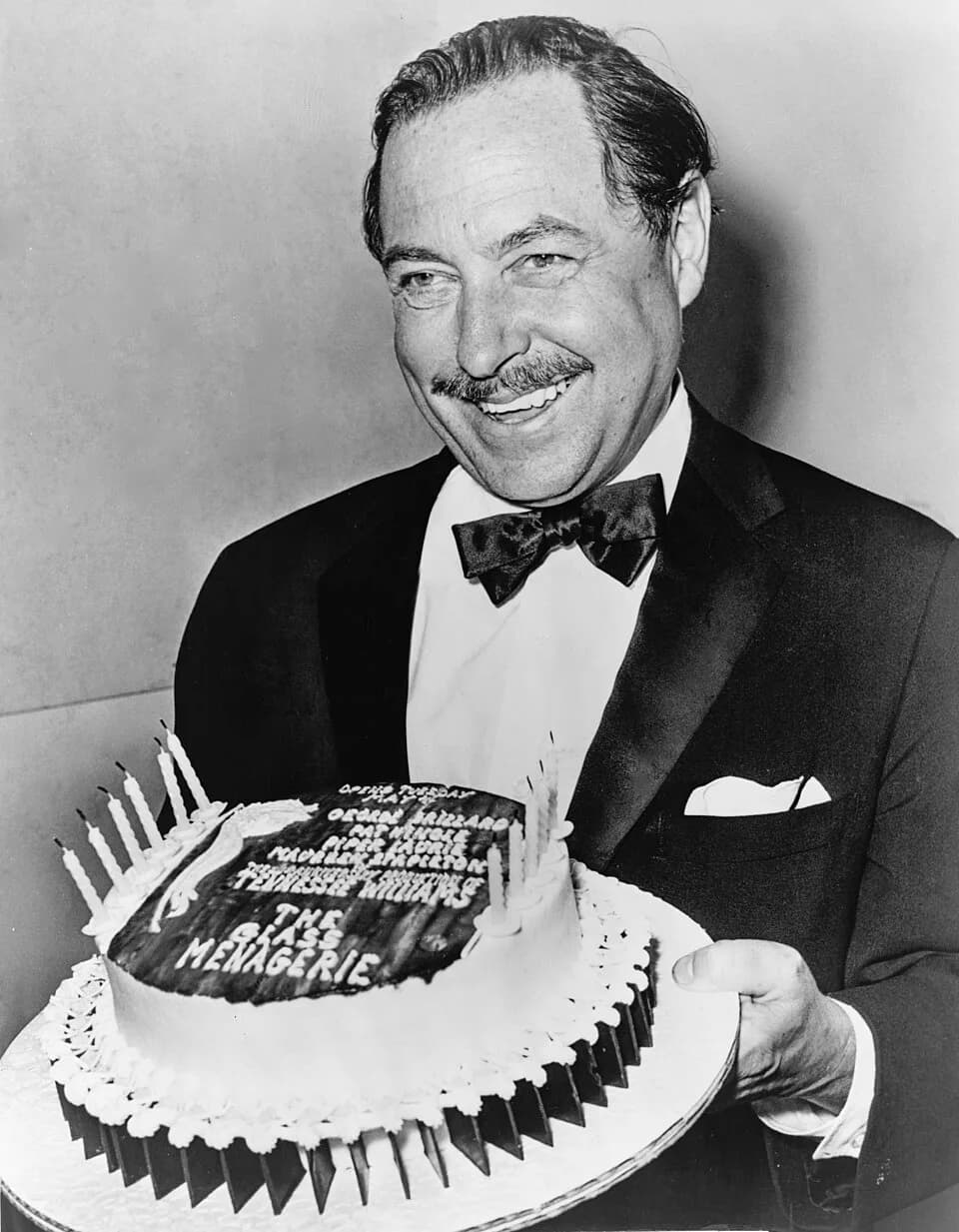
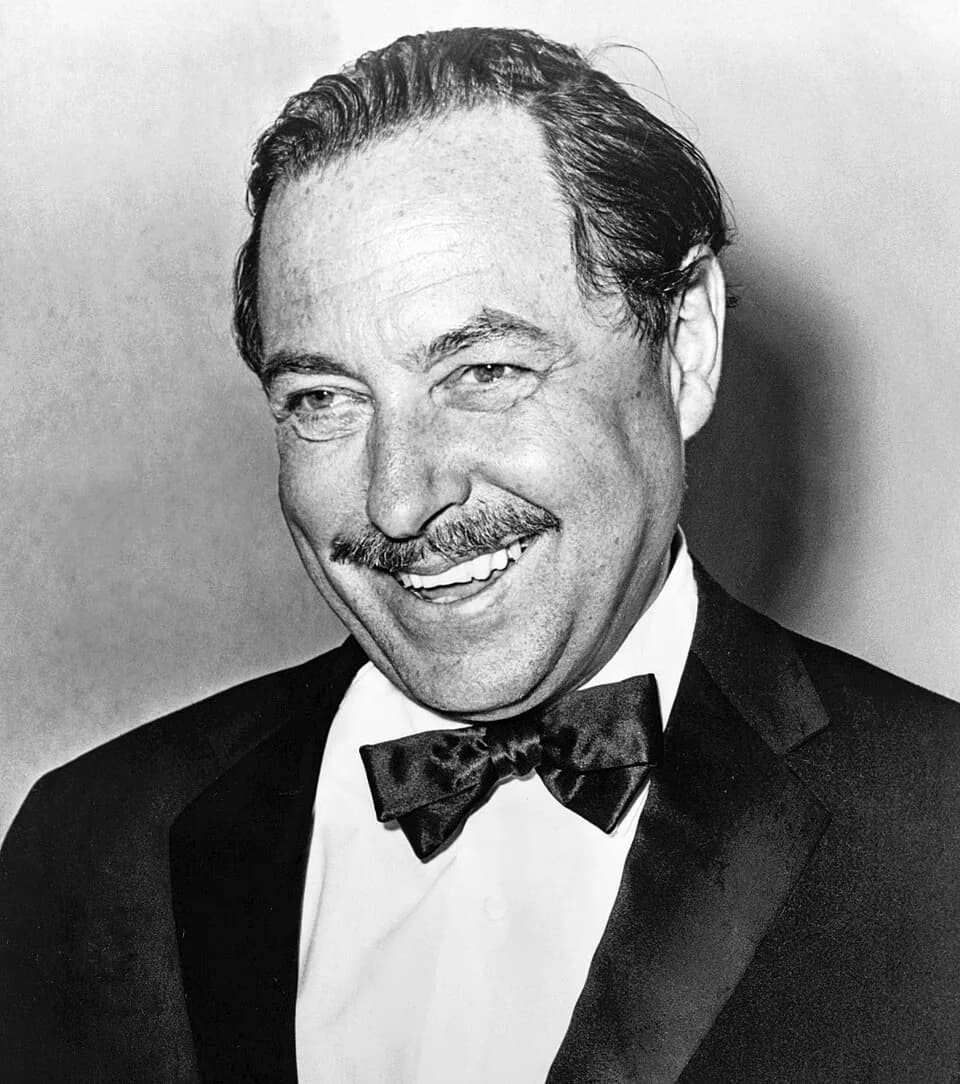
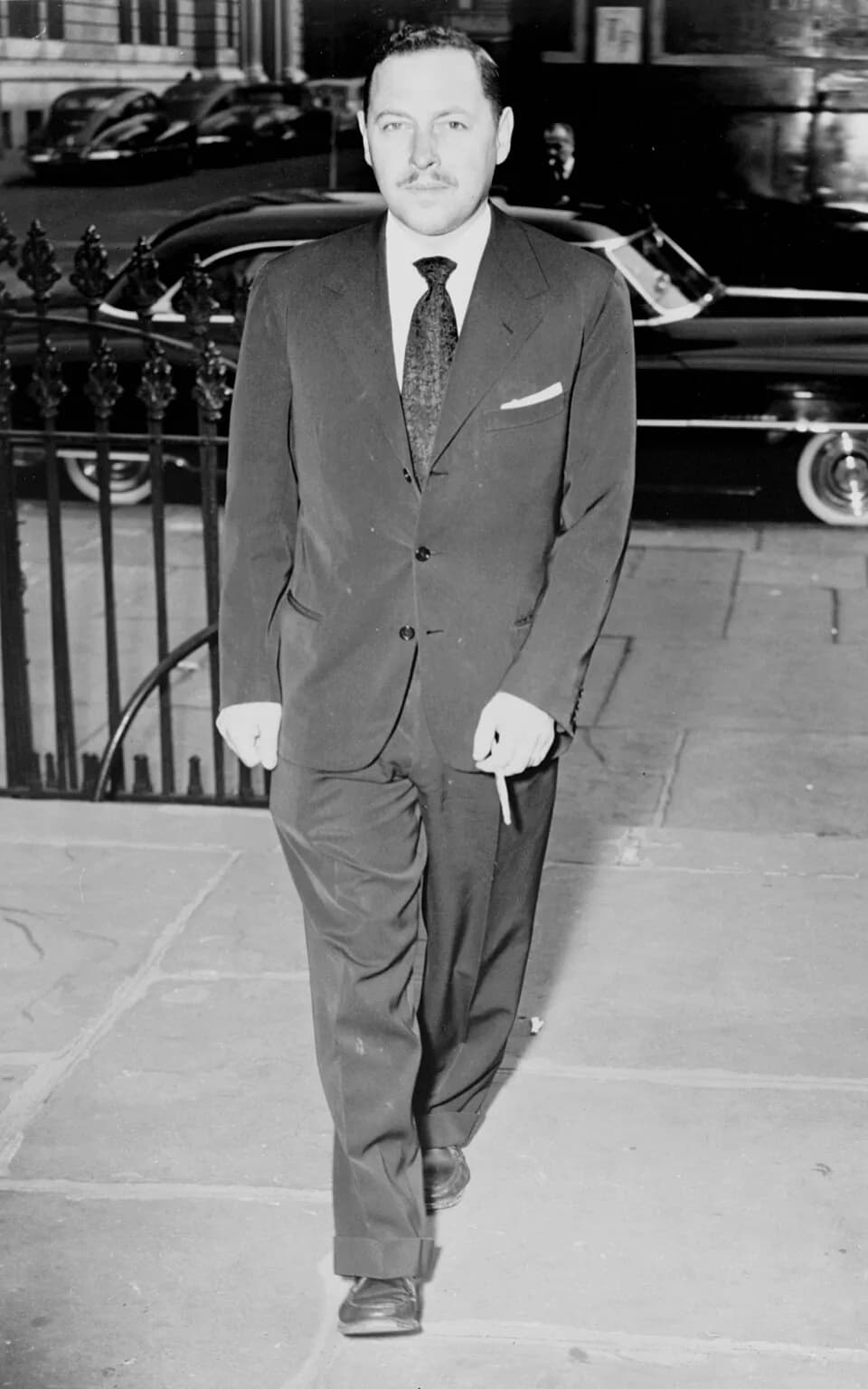

FAQ
அடிக்கடி கேட்கப்படுபவை
Tennessee Williams எப்போது இறந்தார்?
Tennessee Williams 25 பிப்ரவரி, 1983 அன்று New York City, United States-ல் இறந்தார், 71 வயதில்.
Tennessee Williams எங்கு பிறந்தார்?
Tennessee Williams Columbus, United States-ல் 26 மார்ச், 1911 அன்று பிறந்தார்.
Tennessee Williams எதற்காக மிகவும் பிரபலமானவர்?
Tennessee Williams American playwright-க்காக மிகவும் பிரபலமானவர்.
இறக்கும் போது Tennessee Williams-க்கு வயது என்ன?
இறக்கும் போது Tennessee Williams-க்கு 71 வயது.
Tennessee Williams-இன் தேசியம் என்ன?
Tennessee Williams United States நாட்டைச் சேர்ந்தவர்.
காலவரிசை
ஒரு பார்வையில் வாழ்க்கை
புகைப்பட கேலரி
படங்களில் ஒரு வாழ்க்கை
விரிவாக்க எந்த polaroid ஐயும் கிளிக் செய் · 25 புகைப்படங்கள்
QR குறியீடு
இந்த வாழ்க்கை வரலாற்றைப் பகிர்
அச்சிட்டு பகிர்
இந்த வாழ்க்கை வரலாற்றுப் பக்கத்திற்கு செல்ல ஸ்கேன் செய்க. நிகழ்வுகள், கண்காட்சிகள் அல்லது கல்விப் பொருட்களுக்கு அச்சிடவும்.