பிறப்பு
March 17, 1938
Razdolnoe, Russia
மறைவு
January 6, 1993
Levallois-Perret, France
அறியப்படுவது
Soviet ballet dancer and choreographer
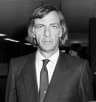
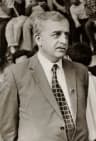
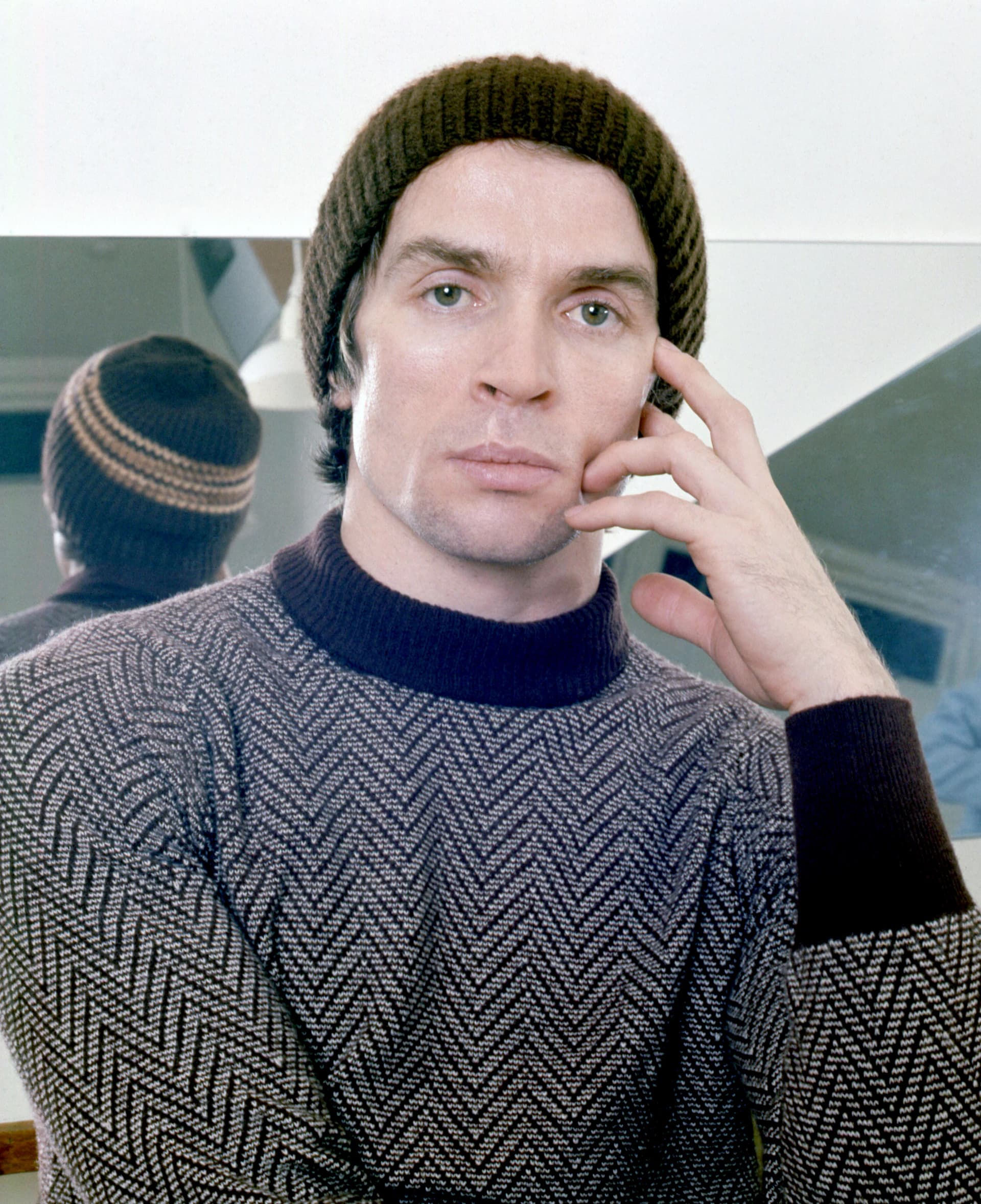
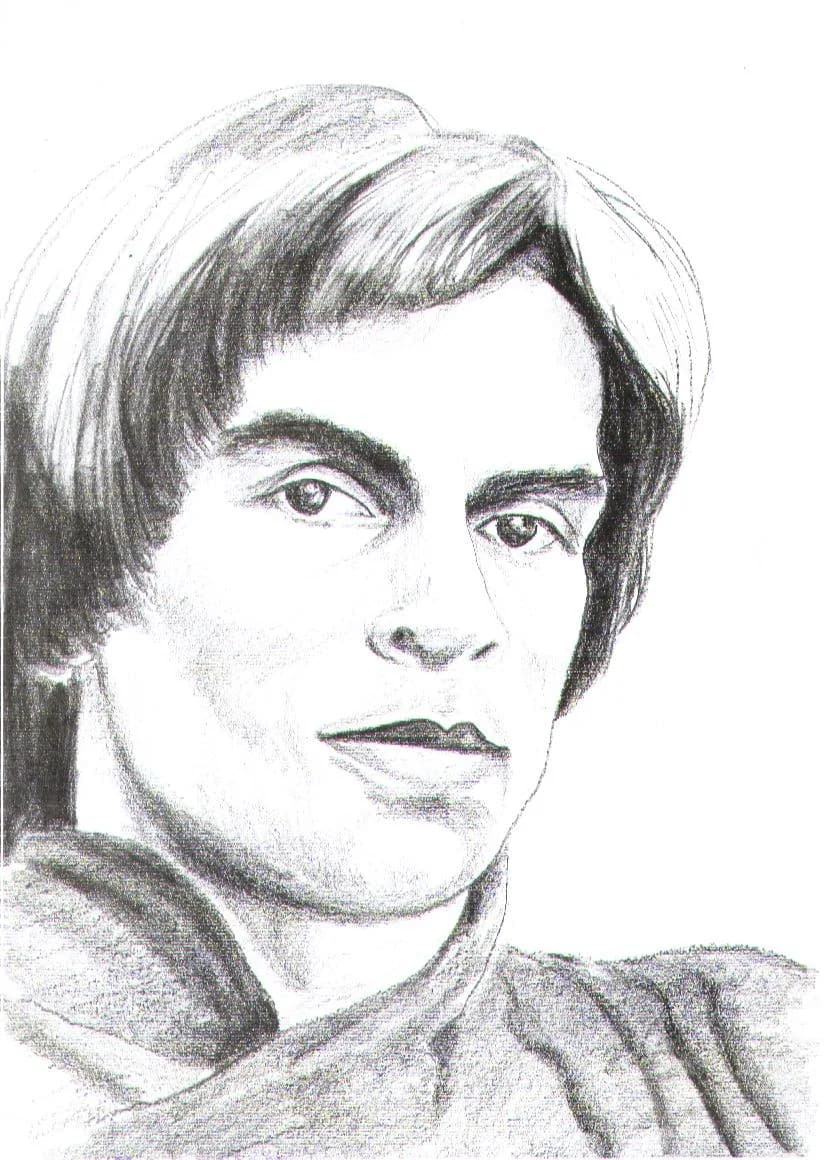
Rudolf Nureyev (1938–1993) was Russia best known for Soviet ballet dancer and choreographer.
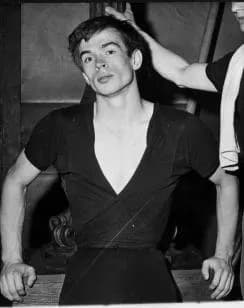
Rudolf Khametovich Nureyev (March 17, 1938 – January 6, 1993) was a Soviet-born ballet dancer and choreographer. He is widely regarded as the preeminent male ballet dancer of the 20th century. His 1961 defection to the West and legendary partnerships revolutionized classical ballet.
அத்தியாயம்
வாழ்க்கை அத்தியாயங்கள்
அத்தியாயம் 1 · 1938· அத்தியாயம் 1 / 7
Early Life and Origins
Rudolf Nureyev was born on March 17, 1938, in Razdolnoe, a small village in Russia. His early years were marked by the hardships of Soviet life during World War II and its aftermath. Despite limited resources and his family's modest circumstances, young Rudolf showed an early fascination with dance and music.
Growing up in Soviet Russia, Nureyev faced significant challenges in pursuing his artistic ambitions. His father, a political instructor in the Red Army, initially opposed his son's interest in dance, considering it inappropriate for a young man. However, Rudolf's passion for movement and expression could not be suppressed, and he eventually found his way to formal dance training in Leningrad.
அத்தியாயம் 2· அத்தியாயம் 2 / 7
Career Beginnings
Nureyev's formal ballet training began when he moved to Leningrad to study at the prestigious Vaganova Ballet Academy. His exceptional talent quickly became apparent to his instructors, though his rebellious nature and unconventional approach often put him at odds with the strict Soviet ballet establishment. His technique combined the classical Russian training with a wild, almost feral intensity that would become his signature.
After graduating, Nureyev joined the Kirov Ballet (now the Mariinsky Ballet) in Leningrad, where he rapidly rose through the ranks. His performances in classical ballets like Swan Lake showcased his extraordinary technical ability and magnetic stage presence. However, his growing international recognition would soon lead to one of the most dramatic moments in Cold War cultural history.
அத்தியாயம் 3 · 1961· அத்தியாயம் 3 / 7
Major Achievements and Career Highlights
The defining moment of Nureyev's career came in June 1961 when he defected to the West at Le Bourget Airport in Paris. This dramatic escape from his KGB handlers made international headlines and marked the beginning of his legendary career in Western ballet. His defection was not just a personal choice but a cultural earthquake that brought unprecedented attention to the world of ballet.
Following his defection, Nureyev formed his most famous partnership with Margot Fonteyn of the Royal Ballet in London. Despite their 19-year age difference, their on-stage chemistry was electric, and they performed together for over 15 years. Their collaborations in ballets like Romeo and Juliet and Giselle became the gold standard for classical ballet partnerships and drew audiences who had never before attended ballet performances.
Throughout the 1960s and 1970s, Nureyev performed with virtually every major ballet company in the world, from the Royal Ballet to the American Ballet Theatre. His interpretations of classical roles revolutionized male dancing, bringing a new level of athleticism, sensuality, and dramatic intensity to the stage. He also ventured into choreography, creating his own versions of classical ballets and developing new works that showcased his unique artistic vision.
அத்தியாயம் 4· அத்தியாயம் 4 / 7
Personal Life
Nureyev's personal life was as intense and complicated as his performances. He never married and was known for his passionate relationships with both men and women, though he rarely discussed his private life publicly during an era when homosexuality was largely taboo. His sexuality was an open secret in the dance world, but he maintained his privacy with fierce determination.
Despite his fame and success in the West, Nureyev paid a heavy price for his defection. The Soviet government stripped him of his citizenship and banned him from returning to Russia, meaning he could never see his family again. This separation from his homeland and loved ones remained a source of deep pain throughout his life, though he never publicly expressed regret about his decision to defect.
அத்தியாயம் 5 · 1966· அத்தியாயம் 5 / 7
Notable Works and Contributions
Beyond his stage performances, Nureyev expanded his artistic reach into film and television. His 1966 film version of Swan Lake captured his powerful stage presence for posterity, while the 1972 documentary I Am a Dancer provided intimate insights into his creative process. His venture into dramatic acting included roles in Valentino (1982), where he portrayed the silent film star, and Exposed (1983), demonstrating his versatility as a performer.
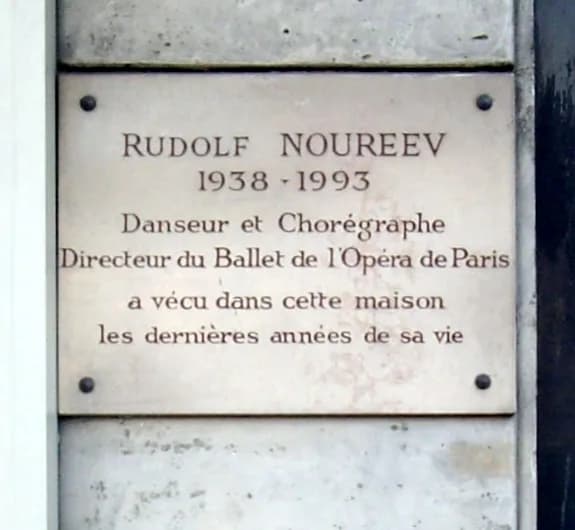
As a choreographer and director, Nureyev created numerous ballet productions that remain in the repertoires of major companies worldwide. His versions of classical ballets like Don Quixote, Romeo and Juliet, and The Nutcracker brought fresh interpretations to beloved works. He served as director of the Paris Opera Ballet from 1983 to 1989, where he worked to modernize the company while maintaining its classical foundations.
அத்தியாயம் 6· அத்தியாயம் 6 / 7
Later Years
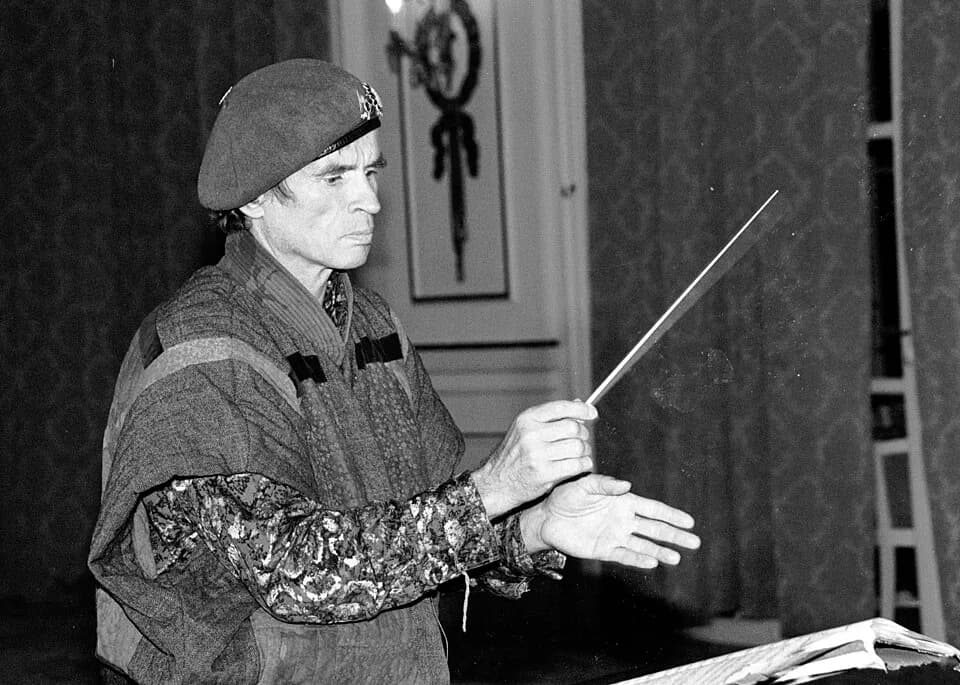
In his later years, Nureyev continued performing well into his 50s, long past the age when most dancers retire. His dedication to dance remained absolute, even as his body began to show the wear of decades of intense physical demands. He also expanded his interests to include conducting, leading orchestras in ballet performances and demonstrating yet another facet of his musical talents.
The 1980s brought new challenges as Nureyev's health began to decline. Though he kept his illness private, it became increasingly difficult for him to maintain the physical standards he had set for himself. Nevertheless, he continued to teach, mentor young dancers, and share his vast knowledge of classical ballet technique and interpretation until very near the end of his life.
அத்தியாயம் 7 · 1993· அத்தியாயம் 7 / 7
Legacy and Impact
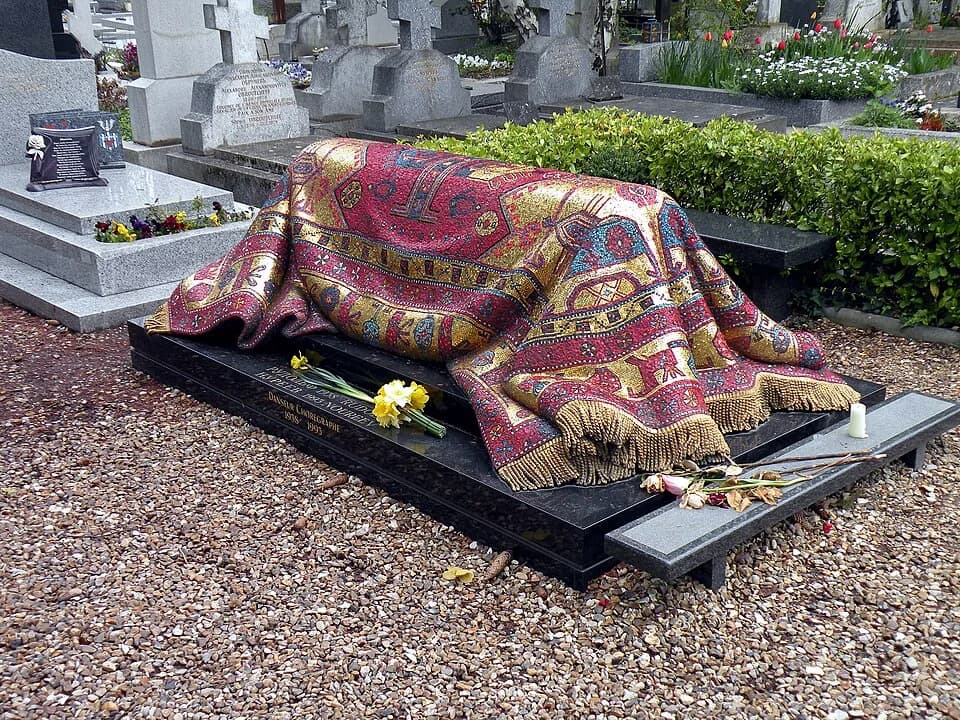
Rudolf Nureyev died on January 6, 1993, in Levallois-Perret, France, but his influence on ballet continues to this day. He single-handedly elevated the role of the male dancer from supporting player to equal partner, inspiring countless dancers to pursue careers in ballet. His dramatic defection brought ballet into the international spotlight and helped make it accessible to mainstream audiences around the world.
The Nureyev style—combining technical precision with emotional intensity and theatrical flair—became the template for male classical dancing. Dance companies continue to perform his choreographic works, and his interpretations of classical roles remain the standard by which others are measured. His life story, from humble beginnings in Soviet Russia to international superstardom, continues to inspire artists and audiences alike, proving that exceptional talent and unwavering determination can overcome any obstacle.
தருணங்களில் ஒரு வாழ்க்கை
ஒரு வாழ்க்கையை வடிவமைத்த தருணங்கள்
FAQ
அடிக்கடி கேட்கப்படுபவை
Rudolf Nureyev எப்போது இறந்தார்?
Rudolf Nureyev 6 ஜனவரி, 1993 அன்று Levallois-Perret, France-ல் இறந்தார், 54 வயதில்.
Rudolf Nureyev எங்கு பிறந்தார்?
Rudolf Nureyev Razdolnoe, Russia-ல் 17 மார்ச், 1938 அன்று பிறந்தார்.
Rudolf Nureyev எதற்காக மிகவும் பிரபலமானவர்?
Rudolf Nureyev Soviet ballet dancer and choreographer-க்காக மிகவும் பிரபலமானவர்.
இறக்கும் போது Rudolf Nureyev-க்கு வயது என்ன?
இறக்கும் போது Rudolf Nureyev-க்கு 54 வயது.
Rudolf Nureyev-இன் தேசியம் என்ன?
Rudolf Nureyev Russia நாட்டைச் சேர்ந்தவர்.
காலவரிசை
ஒரு பார்வையில் வாழ்க்கை
புகைப்பட கேலரி
படங்களில் ஒரு வாழ்க்கை
விரிவாக்க எந்த polaroid ஐயும் கிளிக் செய் · 47 புகைப்படங்கள்
QR குறியீடு
இந்த வாழ்க்கை வரலாற்றைப் பகிர்
அச்சிட்டு பகிர்
இந்த வாழ்க்கை வரலாற்றுப் பக்கத்திற்கு செல்ல ஸ்கேன் செய்க. நிகழ்வுகள், கண்காட்சிகள் அல்லது கல்விப் பொருட்களுக்கு அச்சிடவும்.