பிறப்பு
May 21, 1914
Vilnius, Lithuania
மறைவு
December 2, 1980
7th arrondissement of Paris, France
அறியப்படுவது
French writer and diplomat
Romain Gary (1914–1980) was Lithuania best known for French writer and diplomat.
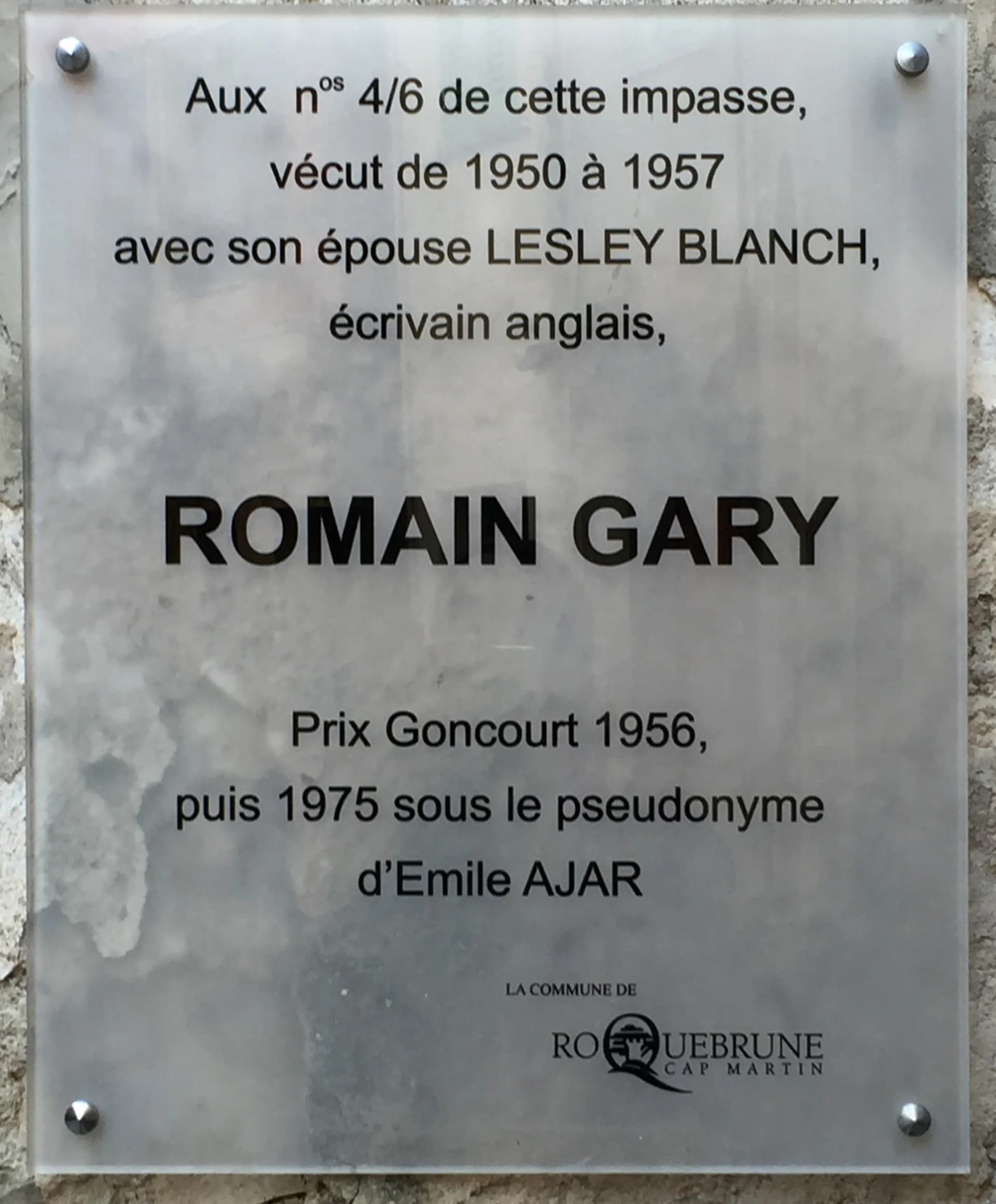
Romain Gary (May 21, 1914 – December 2, 1980) was a Lithuanian-born French novelist, diplomat, and film director. He is the only author to have won the prestigious Prix Goncourt twice, once under his own name and again as Émile Ajar. He is considered a major writer of French literature.
அத்தியாயம்
வாழ்க்கை அத்தியாயங்கள்
அத்தியாயம் 1 · 1914· அத்தியாயம் 1 / 8
Opening Tribute
Romain Gary (May 21, 1914 – December 2, 1980) was a highly distinguished French writer and diplomat, whose life was as rich and complex as the narratives he penned. Born in Lithuania, he rose to become a major literary figure in France, leaving an indelible mark on 20th-century literature. His varied professional life included roles as a screenwriter, film director, aircraft pilot, and translator, showcasing a breadth of talent few could match.
Gary's unique contributions to French culture extend beyond his impressive bibliography. He cultivated a singular literary identity that fascinated critics and readers alike. His work continues to resonate, affirming his status as a cornerstone of modern French letters.
அத்தியாயம் 2 · 1914· அத்தியாயம் 2 / 8
Early Life and Origins
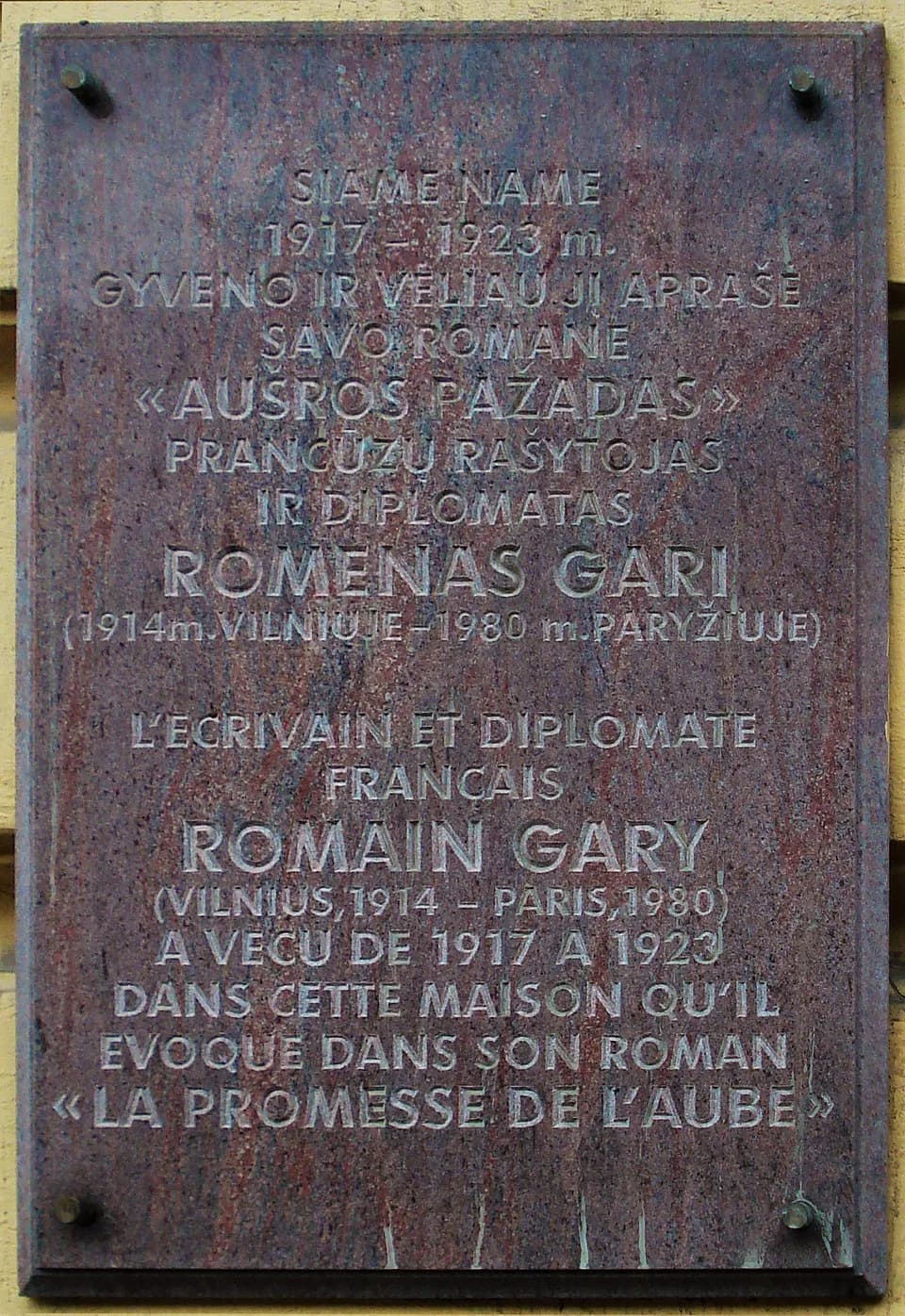
Born on May 21, 1914, in the city of Vilnius, Lithuania, Romain Gary's early years were shaped by his Eastern European heritage. This birthplace provided a rich cultural backdrop that subtly influenced his later worldview and artistic expressions. His journey from this origin to becoming a celebrated voice in French literature reflects a remarkable personal and intellectual evolution.
The cultural environment of Vilnius during his youth certainly contributed to his keen observations of human nature. These formative experiences laid the groundwork for the insightful and often poignant narratives that would later define his literary career. Gary's origins in Lithuania remained a significant, if often understated, aspect of his identity.
அத்தியாயம் 3· அத்தியாயம் 3 / 8
Career Beginnings and Wartime Service
Romain Gary's career path was notably diverse from its very outset. He served as a Français libre, indicating his involvement with the Free French Forces during World War II, a period of immense personal and national upheaval. This dedication to France during wartime profoundly influenced his perspective and commitment to public service.
During his service, he distinguished himself as an aircraft pilot, adding another significant profession to his rapidly expanding skill set. These early experiences as a military aviator provided a unique lens through which he viewed the world, undoubtedly inspiring many of the themes found in his later literary and diplomatic work. His multifaceted background began to take shape during these formative years.
அத்தியாயம் 4 · 1956· அத்தியாயம் 4 / 8
Major Achievements and Literary Milestones
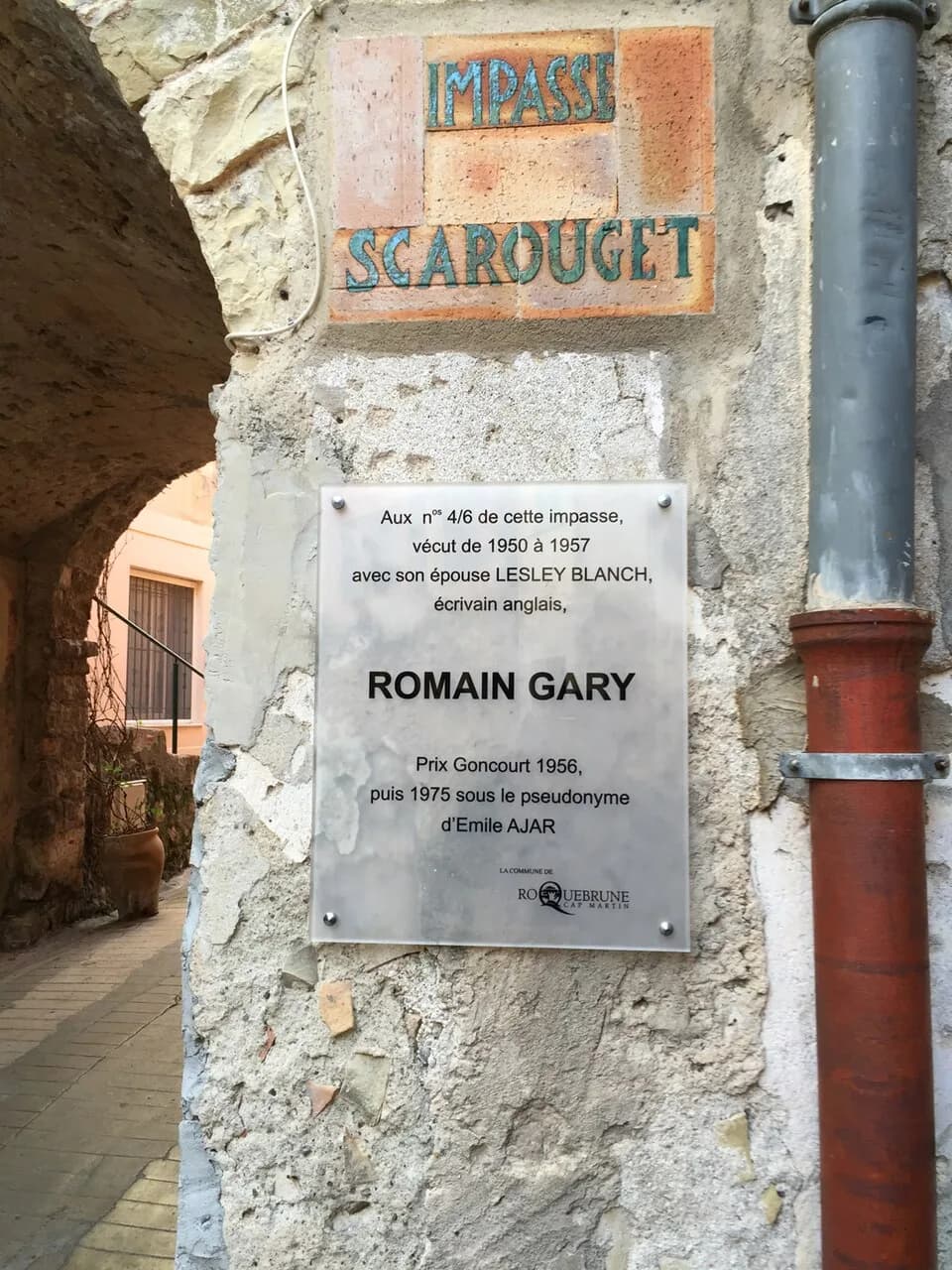
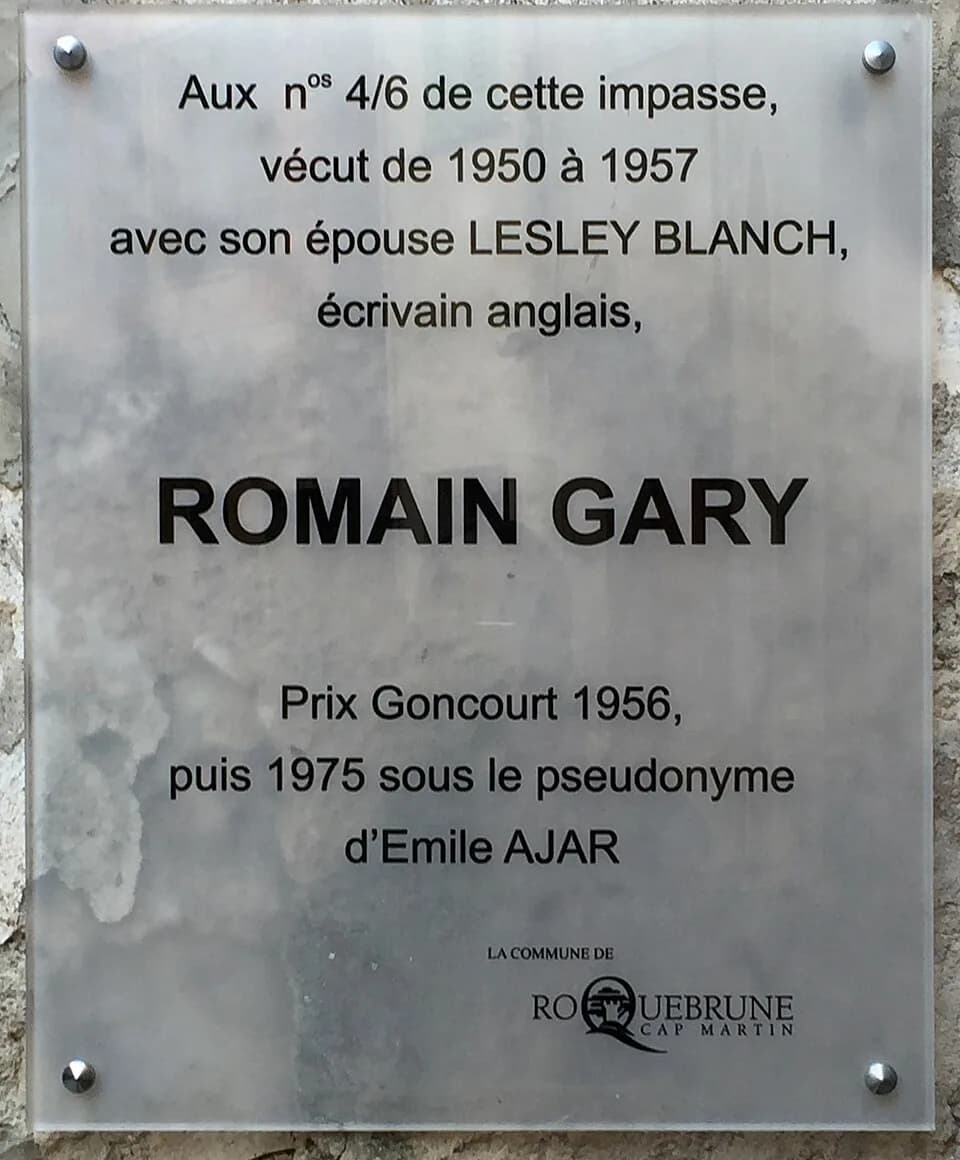
Romain Gary holds a singular place in French literary history as the only author to have won the prestigious Prix Goncourt twice. This extraordinary and unprecedented achievement underscores his exceptional literary talent and profound impact on French literature. His first win was for Les Racines du ciel (The Roots of Heaven) in 1956, and his second, under the pen name Émile Ajar, was for La Vie devant soi (The Life Before Us) in 1975.
These dual victories for the Prix Goncourt, a leading French literary award, cemented his reputation as a master storyteller and an undeniably major writer of French literature. His ability to achieve such recognition under different identities speaks volumes about his creative depth and the sheer power of his narrative voice. This accomplishment remains unparalleled in the history of the award.
அத்தியாயம் 5· அத்தியாயம் 5 / 8
A Unique Literary Identity: Émile Ajar
A fascinating aspect of Romain Gary's literary career was his decision to adopt the pen name Émile Ajar. This clever literary masquerade allowed him to publish works under a completely separate identity, creating a unique mystique and contributing to one of literature's most elaborate hoaxes. The works published as Émile Ajar received critical acclaim independently, showcasing Gary's immense versatility and capacity for reinvention.
His successful maintenance of these two distinct literary personas highlighted his experimental spirit and his desire to challenge conventional notions of authorship. The eventual revelation of Émile Ajar's true identity sent shockwaves through the literary world, further solidifying Gary's legendary status. This episode underscored his playful yet profound engagement with the nature of storytelling and perception.
அத்தியாயம் 6· அத்தியாயம் 6 / 8
Notable Works and Contributions to Literature
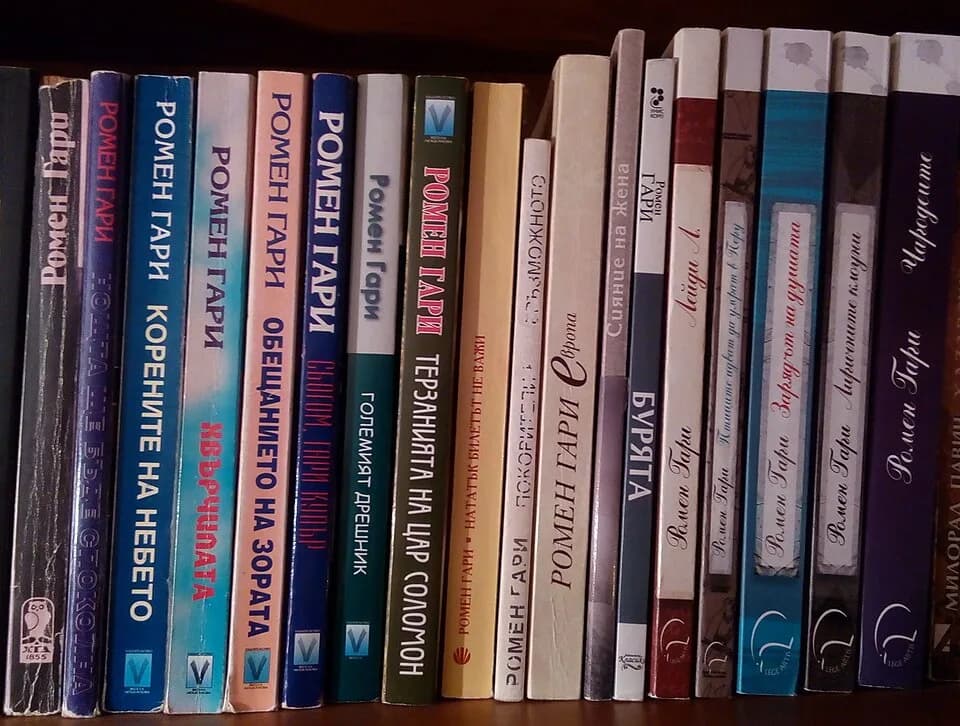
Romain Gary's extensive bibliography reflects a profound and varied literary output. His novels explored a wide range of human experiences, from grand historical narratives to intimate psychological portraits. Among his celebrated works are "Au-delà de cette limite votre ticket n'est plus valable" and "Cennetin kökleri," which demonstrate his narrative breadth and stylistic innovation.
Other significant titles that contributed to his rich literary legacy include "Les Oiseaux Vont Mourir au Perou," which was later adapted into a film. Readers also remember "Ledi L.," "Kol ha-ḥayim le-fanaṿ," and "Les tetes de Stephanie" for their unique perspectives and compelling storytelling. He also published "romain gary;s hissing tales," "ʻAfifonim," "Kleider ohne Leute.," and "Tulipe, ou la protestation," each adding to his diverse and impactful body of work.
அத்தியாயம் 7· அத்தியாயம் 7 / 8
Diplomatic Career and Artistic Expansion
Beyond his prolific writing, Romain Gary dedicated a significant portion of his life to public service as a diplomat. His diplomatic postings and experiences provided him with a unique understanding of international relations and human behavior on a global scale. This direct engagement with world affairs undoubtedly informed the themes and characters found in many of his novels, adding depth and authenticity to his narratives.
Furthermore, his creative talents extended into the visual arts. Gary worked as a screenwriter, crafting stories for the silver screen. He also ventured into film directing, bringing his unique artistic vision to cinematic productions. These roles as a film director and screenwriter demonstrate his comprehensive artistic reach, showcasing his ability to express himself across multiple creative mediums.
அத்தியாயம் 8 · 1980· அத்தியாயம் 8 / 8
Later Years and Enduring Legacy
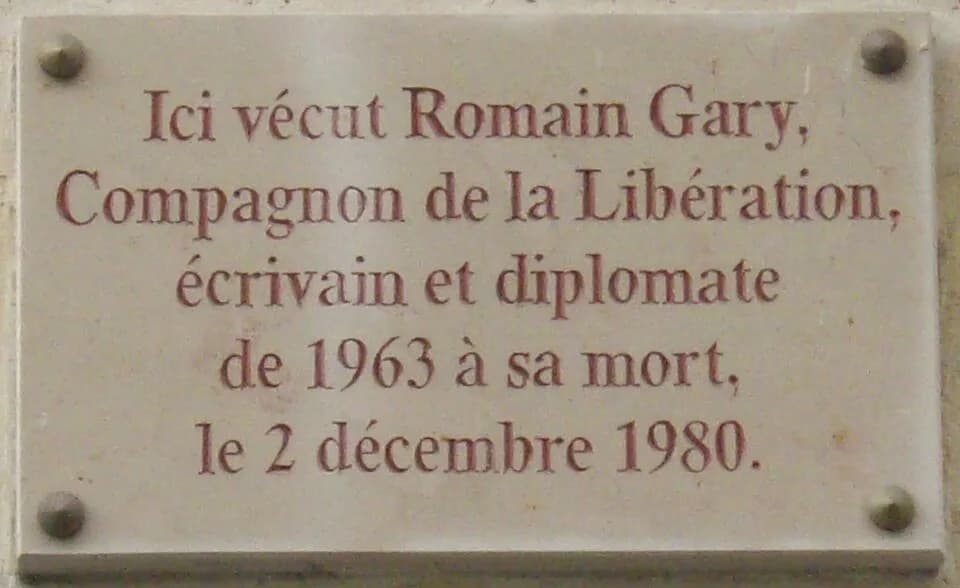
Romain Gary's remarkable life concluded on December 2, 1980, in the 7th arrondissement of Paris, France. His passing marked the end of an era for French literature, though his influence continued undiminished. He remained an esteemed and influential figure in both literary and diplomatic circles until his final days, revered for his intellect and creativity.
His lasting legacy is firmly rooted in his unparalleled literary achievements and his innovative approach to authorship. As a major writer of French literature in the second half of the 20th century, Gary's works continue to be studied, admired, and cherished by new generations of readers and scholars. His unique double victory of the Prix Goncourt stands as a permanent testament to his extraordinary talent and enduring place in literary history.
தருணங்களில் ஒரு வாழ்க்கை
ஒரு வாழ்க்கையை வடிவமைத்த தருணங்கள்
FAQ
அடிக்கடி கேட்கப்படுபவை
Romain Gary எப்போது இறந்தார்?
Romain Gary 2 டிசம்பர், 1980 அன்று 7th arrondissement of Paris, France-ல் இறந்தார், 66 வயதில்.
Romain Gary எங்கு பிறந்தார்?
Romain Gary Vilnius, Lithuania-ல் 21 மே, 1914 அன்று பிறந்தார்.
Romain Gary எதற்காக மிகவும் பிரபலமானவர்?
Romain Gary French writer and diplomat-க்காக மிகவும் பிரபலமானவர்.
இறக்கும் போது Romain Gary-க்கு வயது என்ன?
இறக்கும் போது Romain Gary-க்கு 66 வயது.
Romain Gary-இன் தேசியம் என்ன?
Romain Gary Lithuania நாட்டைச் சேர்ந்தவர்.
காலவரிசை
ஒரு பார்வையில் வாழ்க்கை
புகைப்பட கேலரி
படங்களில் ஒரு வாழ்க்கை
விரிவாக்க எந்த polaroid ஐயும் கிளிக் செய் · 28 புகைப்படங்கள்
QR குறியீடு
இந்த வாழ்க்கை வரலாற்றைப் பகிர்
அச்சிட்டு பகிர்
இந்த வாழ்க்கை வரலாற்றுப் பக்கத்திற்கு செல்ல ஸ்கேன் செய்க. நிகழ்வுகள், கண்காட்சிகள் அல்லது கல்விப் பொருட்களுக்கு அச்சிடவும்.