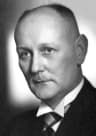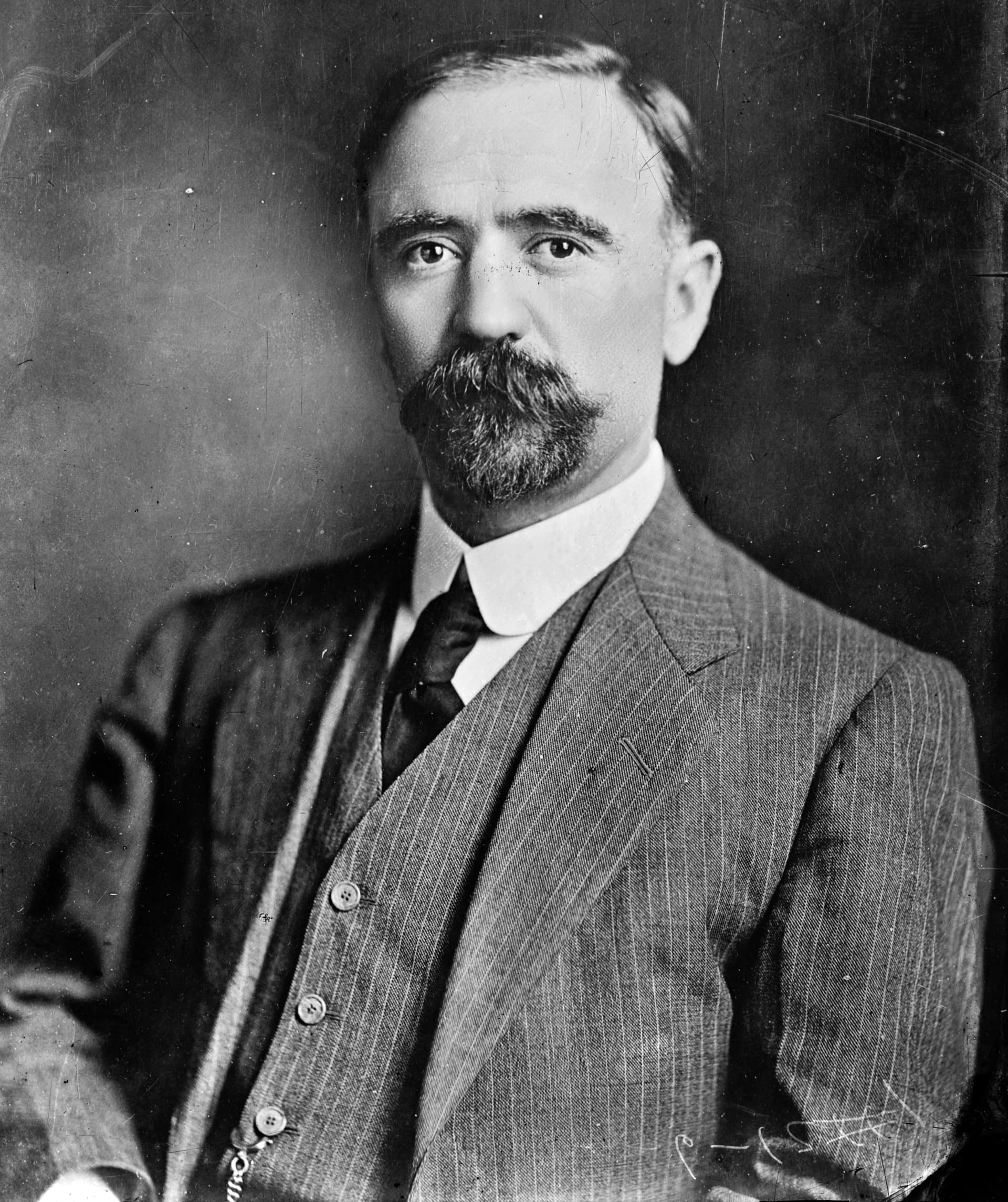
பிறப்பு
October 30, 1873
Parras de la Fuente, Mexico
மறைவு
February 22, 1913
Mexico City, Mexico
அறியப்படுவது
Mexican revolutionary leader and president
Francisco I. Madero (1873–1913) was Mexico best known for Mexican revolutionary leader and president.
Francisco I. Madero (October 30, 1873 – February 22, 1913) was a Mexican revolutionary leader and president from Parras de la Fuente, Mexico. He initiated the Mexican Revolution to oust dictator Porfirio Díaz and served as Mexico's 37th president, advocating for democracy. His actions profoundly shaped Mexico's political landscape, leaving a lasting legacy.
அத்தியாயம்
வாழ்க்கை அத்தியாயங்கள்
அத்தியாயம் 1 · 1873· அத்தியாயம் 1 / 7
Introduction to Francisco I. Madero
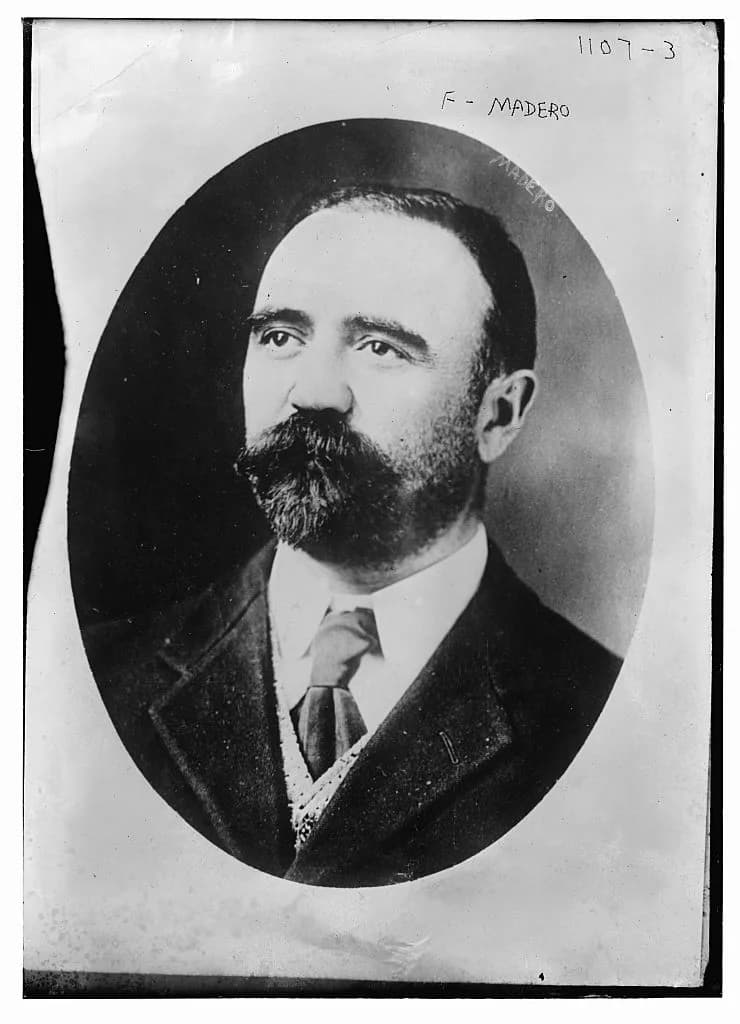
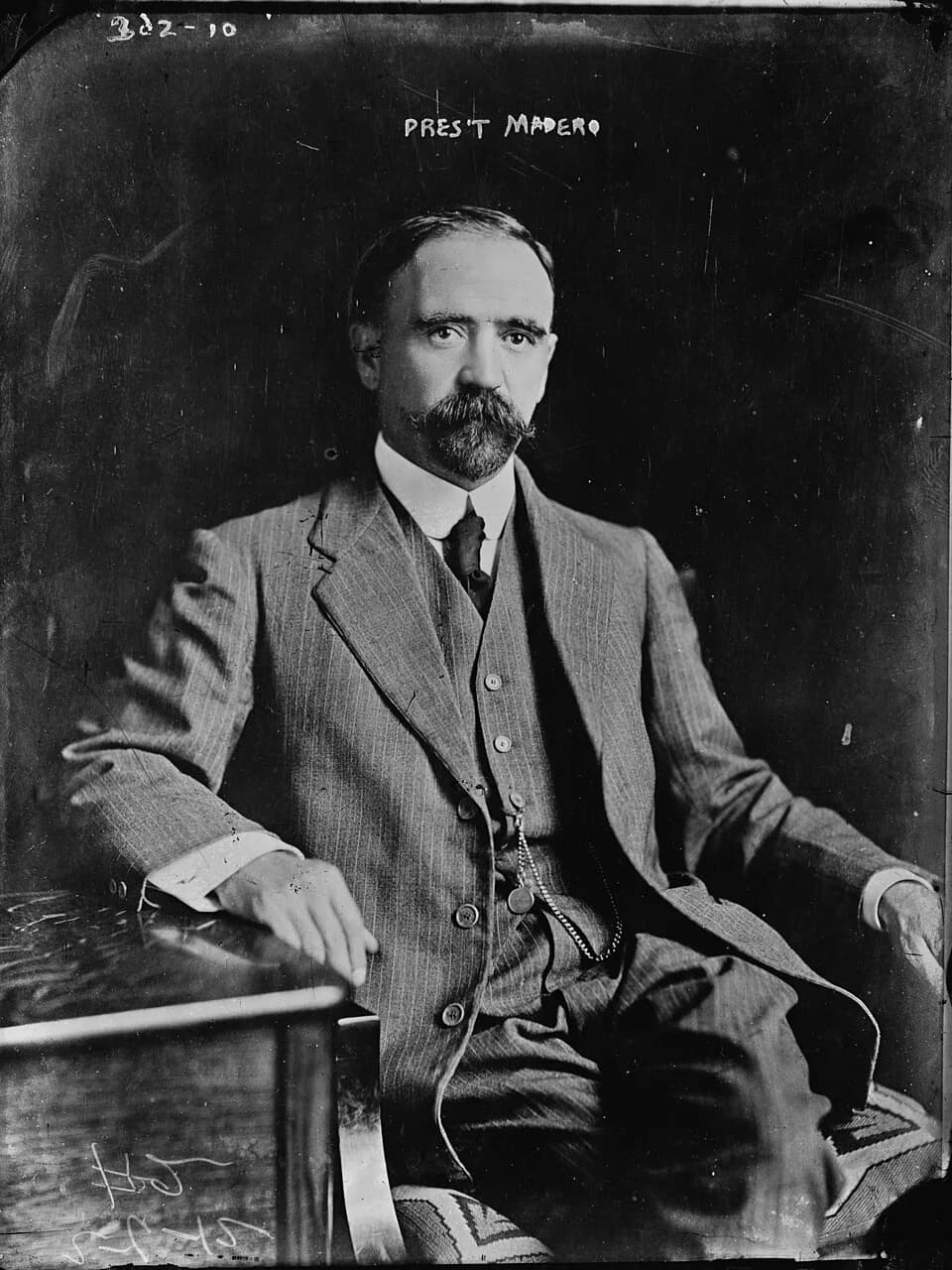
Francisco Ignacio Madero González (October 30, 1873 – February 22, 1913) was a Mexican revolutionary leader, president, writer, businessperson, military personnel, politician, and musician. His life and actions profoundly shaped Mexico's destiny, initiating a period of dramatic change that led to the Mexican Revolution. Madero is remembered for his unwavering commitment to democracy and his courage in challenging entrenched authoritarianism.
He advocated tirelessly for democratic principles, becoming a pivotal figure in Mexican history. His journey from a prominent family to the nation's highest office, and his tragic demise, encapsulates a turbulent yet transformative era for Mexico. Madero's enduring legacy continues to inspire discussions on political freedom and national sovereignty.
அத்தியாயம் 2 · 1873· அத்தியாயம் 2 / 7
Early Life and Origins
Born on October 30, 1873, in Parras de la Fuente, Mexico, Francisco Ignacio Madero González hailed from a prominent and wealthy landowning family. His upbringing afforded him opportunities for extensive education, both within Mexico and abroad in the United States and France. This early exposure to diverse ideas and political thought significantly shaped his later reformist convictions and democratic ideals.
Madero's privileged background allowed him to observe the social and political inequalities prevalent in Mexico. He developed a deep understanding of the country's need for change, particularly concerning the authoritarian rule that dominated the political sphere. These foundational experiences fueled his eventual decision to dedicate his life to public service and political reform.
அத்தியாயம் 3· அத்தியாயம் 3 / 7
Career Beginnings
Francisco I. Madero first emerged into public life as a successful businessperson and a prolific writer, publishing works that critically examined the political climate of Mexico. He became a vocal advocate for democracy, directly challenging the long-standing dictatorship of President Porfirio Díaz. Madero's intellectual contributions laid the groundwork for his political activism.
His early opposition to Díaz, detailed in his writings, began to define his public persona and political trajectory. Madero passionately argued for electoral reform and an end to the perpetual re-election of Díaz. This early activism transformed him from a regional figure into a national voice for change, gathering support for his democratic cause.
அத்தியாயம் 4 · 1910· அத்தியாயம் 4 / 7
Major Achievements and Career Highlights
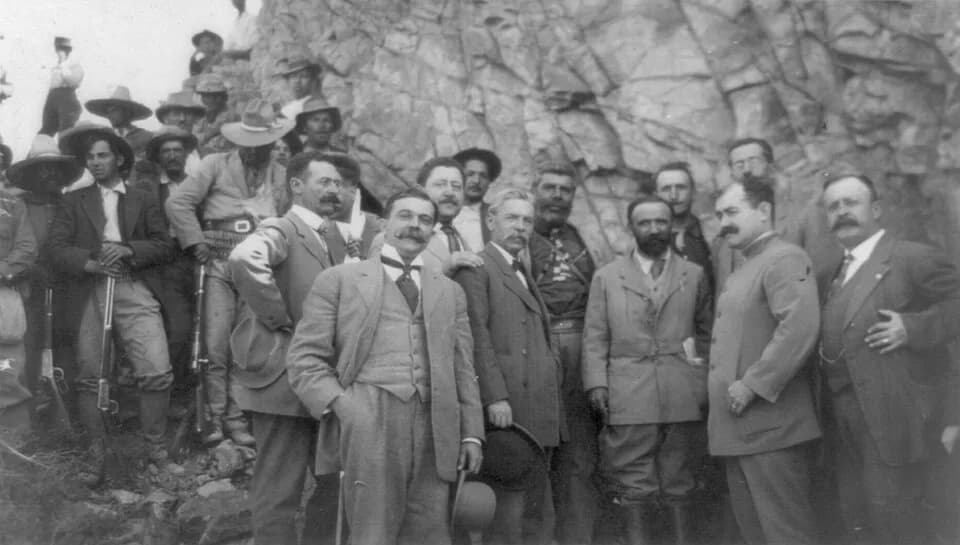
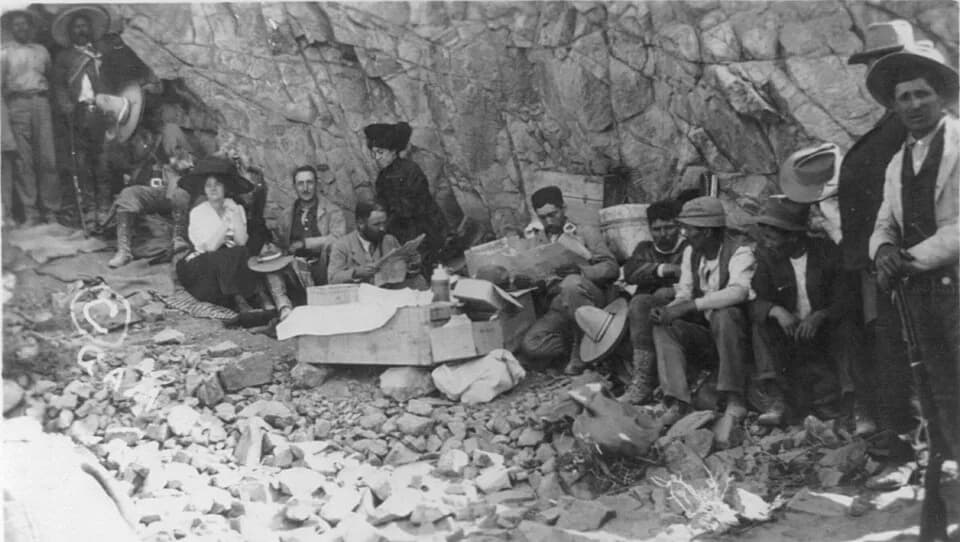
Madero's most significant achievement was sparking the Mexican Revolution, a conflict that fundamentally reshaped the nation. After challenging President Díaz in the fraudulent election of 1910, Madero called for armed rebellion through his revolutionary manifesto, "El Plan de San Luis." This audacious act ignited the revolution, leading to Díaz's overthrow.
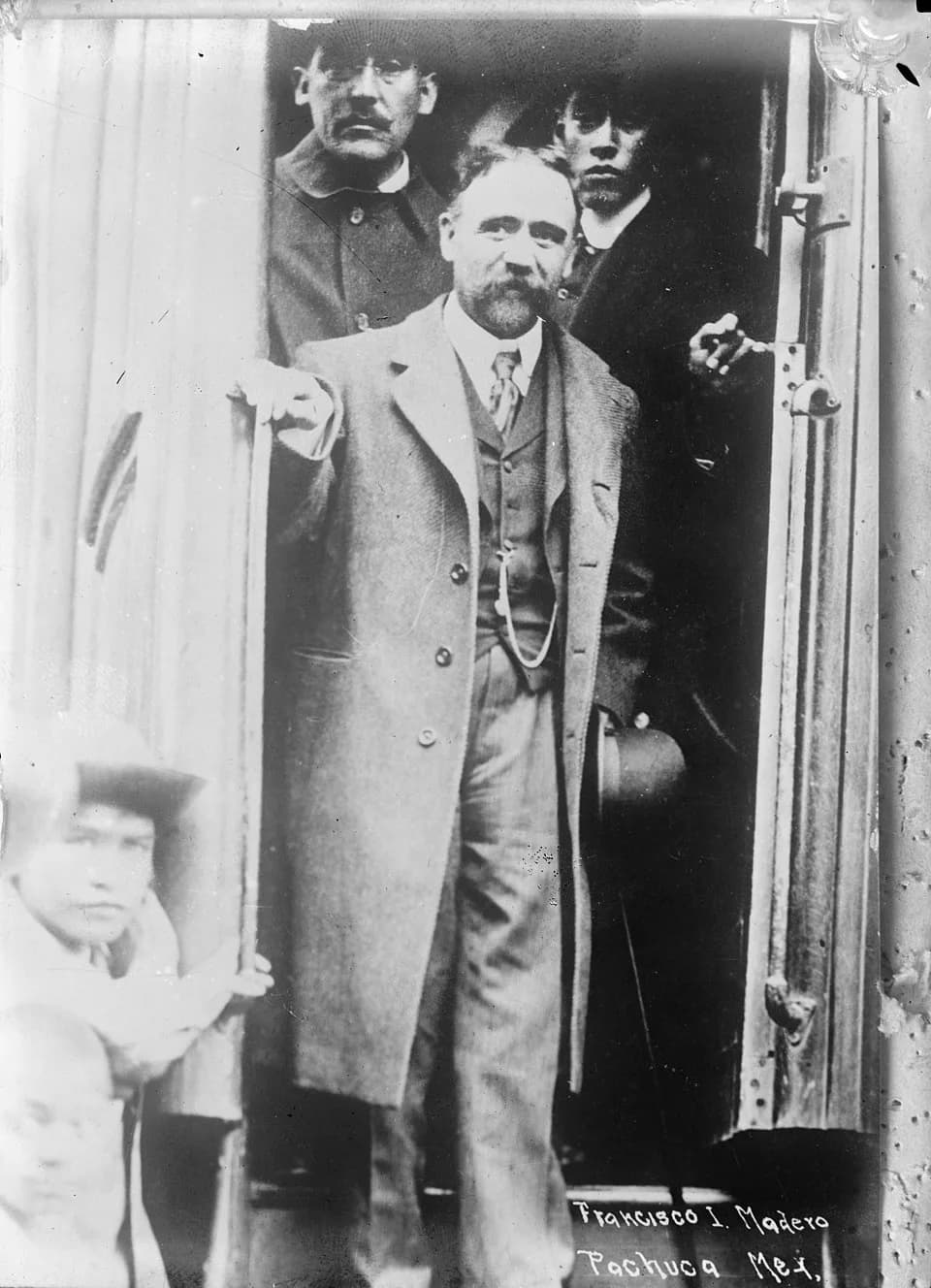
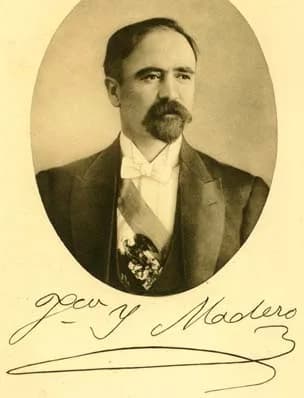
Following Díaz's resignation, Madero was elected president, serving as the 37th president of Mexico from 1911. His election represented a brief but crucial victory for democratic ideals in Mexico. As president, he worked to implement reforms aimed at strengthening democratic institutions and addressing social grievances, though his time in office was fraught with challenges.
அத்தியாயம் 5 · 1910· அத்தியாயம் 5 / 7
Notable Works or Contributions
As a prolific writer and intellectual, Francisco I. Madero authored several influential works that articulated his vision for Mexico's future. His seminal book, "La sucesión presidencial en 1910," outlined his democratic ideals and presented a powerful critique of the existing political system. This work served as a foundational text for the anti-reelectionist movement.
Other significant writings include "The revolution in Mexico" and his extensive collection of letters known as "Epistolario." He also penned "El Partido nacional anti-reeleccionista y la proxima lucha electoral," further detailing his political strategies. The historic "El Plan de San Luis" served as the manifesto for his call to arms, while comprehensive collections such as "Francisco I. Madero, Archivo de don Francisco I. Madero" preserve his intellectual legacy for future generations.
அத்தியாயம் 6 · 1911· அத்தியாயம் 6 / 7
Later Years
Francisco I. Madero's presidency, which began in 1911, was a tumultuous period marked by ongoing political instability and internal conflicts from various factions. Despite his sincere efforts to implement democratic reforms and address the revolution's causes, his government faced severe opposition. The challenges were immense, ranging from conservative resistance to revolutionary dissatisfaction.
Tragically, Madero's time in office was cut short when he was deposed and assassinated in a coup d'état on February 22, 1913, in Mexico City. His death came barely two years after he ascended to the presidency, marking a dark turn in the ongoing Mexican Revolution. This event underscored the deep divisions and intense struggles for power that defined the era.
அத்தியாயம் 7 · 1920· அத்தியாயம் 7 / 7
Legacy and Impact
Madero's sacrifice cemented his place as a foundational figure in Mexican history, a martyr for democracy. Although the Mexican Revolution continued until 1920, well after his death, his initial call to arms fundamentally reshaped the nation's political trajectory. His unwavering advocacy for democracy and electoral integrity laid the groundwork for future political reforms.
His ideas inspired generations of Mexicans to pursue a more just and equitable society, free from authoritarian rule. Madero remains a powerful symbol of revolutionary idealism and the enduring struggle against dictatorship. His commitment to democratic principles continues to resonate, reminding us of the profound impact one individual can have in challenging oppression and striving for freedom.
தருணங்களில் ஒரு வாழ்க்கை
ஒரு வாழ்க்கையை வடிவமைத்த தருணங்கள்
FAQ
அடிக்கடி கேட்கப்படுபவை
Francisco I. Madero எப்போது இறந்தார்?
Francisco I. Madero 22 பிப்ரவரி, 1913 அன்று Mexico City, Mexico-ல் இறந்தார், 39 வயதில்.
Francisco I. Madero எங்கு பிறந்தார்?
Francisco I. Madero Parras de la Fuente, Mexico-ல் 30 அக்டோபர், 1873 அன்று பிறந்தார்.
Francisco I. Madero எதற்காக மிகவும் பிரபலமானவர்?
Francisco I. Madero Mexican revolutionary leader and president-க்காக மிகவும் பிரபலமானவர்.
இறக்கும் போது Francisco I. Madero-க்கு வயது என்ன?
இறக்கும் போது Francisco I. Madero-க்கு 39 வயது.
Francisco I. Madero-இன் தேசியம் என்ன?
Francisco I. Madero Mexico நாட்டைச் சேர்ந்தவர்.
காலவரிசை
ஒரு பார்வையில் வாழ்க்கை
புகைப்பட கேலரி
படங்களில் ஒரு வாழ்க்கை
விரிவாக்க எந்த polaroid ஐயும் கிளிக் செய் · 46 புகைப்படங்கள்
QR குறியீடு
இந்த வாழ்க்கை வரலாற்றைப் பகிர்
அச்சிட்டு பகிர்
இந்த வாழ்க்கை வரலாற்றுப் பக்கத்திற்கு செல்ல ஸ்கேன் செய்க. நிகழ்வுகள், கண்காட்சிகள் அல்லது கல்விப் பொருட்களுக்கு அச்சிடவும்.