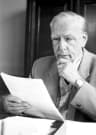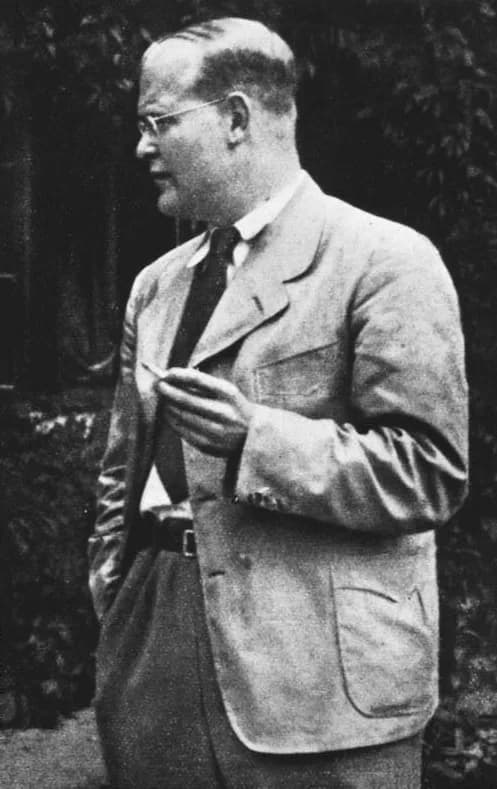
பிறப்பு
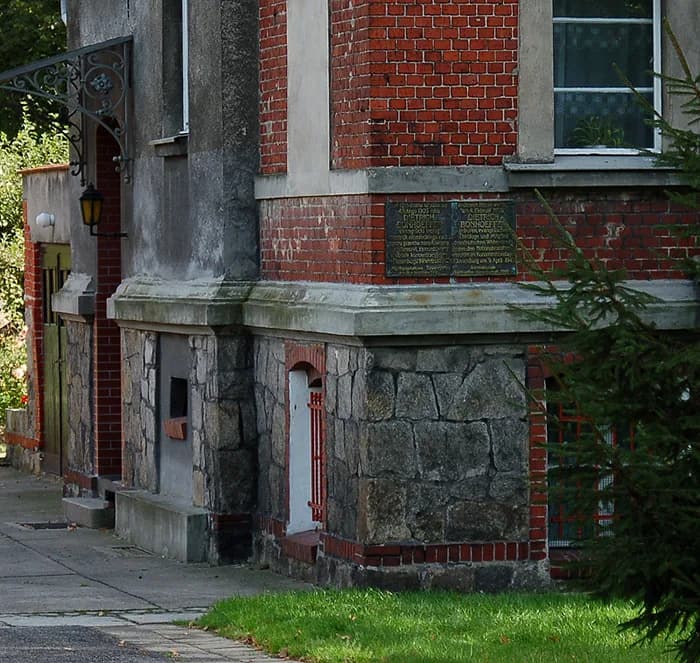
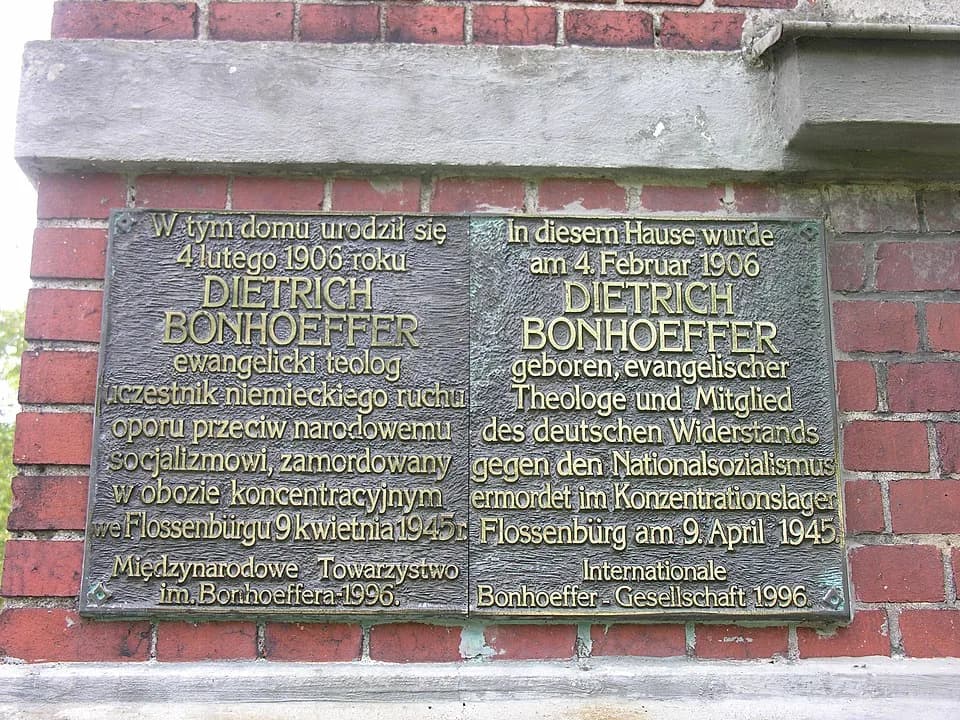
February 4, 1906
Wrocław, Kingdom of Poland
மறைவு
April 9, 1945
Flossenbürg concentration camp, Germany
அறியப்படுவது
German Lutheran pastor, theologian, anti-Nazi dissident
Dietrich Bonhoeffer (1906–1945) was Kingdom of Poland best known for German Lutheran pastor, theologian, anti-Nazi dissident.
Dietrich Bonhoeffer (February 4, 1906 – April 9, 1945) was a German Lutheran pastor, theologian, and anti-Nazi dissident. He was a key founding member of the Confessing Church and known for his staunch resistance to the Nazi dictatorship. His influential writings, including The Cost of Discipleship, continue to shape Christian thought and ethics.
அத்தியாயம்
வாழ்க்கை அத்தியாயங்கள்
அத்தியாயம் 1 · 1906· அத்தியாயம் 1 / 7
Early Life and Origins
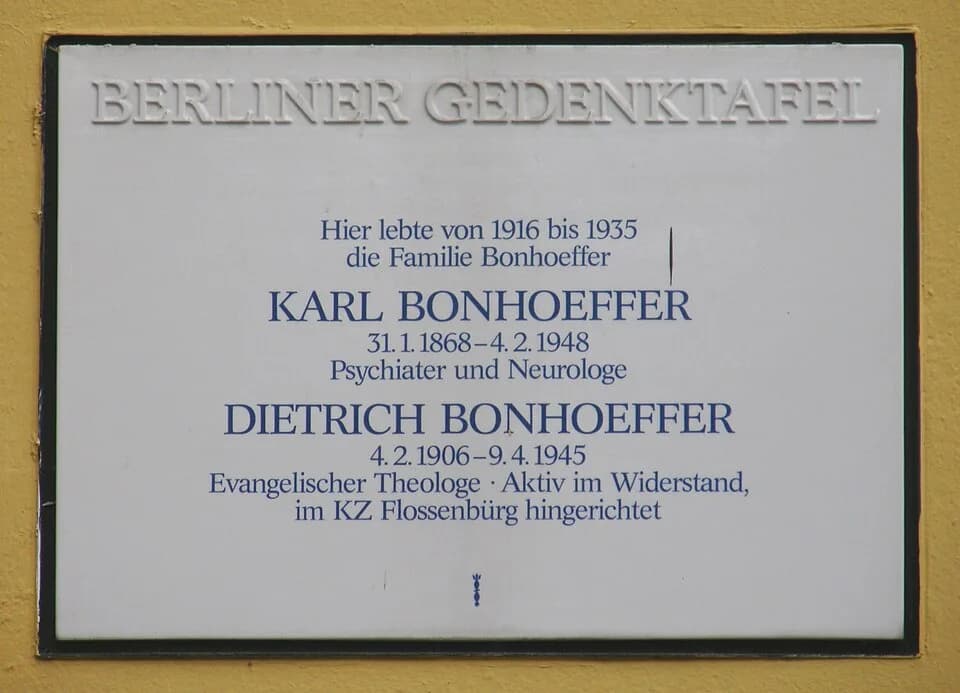
Dietrich Bonhoeffer entered the world on February 4, 1906, in Wrocław, which was then part of the Kingdom of Poland. He was born into an academically distinguished family, which likely fostered his early intellectual curiosity and development. The specific details of his early family life and upbringing, while not extensively documented here, undoubtedly shaped the philosophical and theological foundations of his later work. His formative years set the stage for a life dedicated to rigorous study and deep reflection on Christian ethics.
அத்தியாயம் 2· அத்தியாயம் 2 / 7
Career Beginnings
Bonhoeffer's career began within the German Lutheran Church, where he quickly distinguished himself as both a pastor and a theologian. His early work involved deep engagement with theological concepts and the practical application of Christian principles in a rapidly changing world. These initial experiences were crucial in shaping his distinctive voice and perspective. He began to explore the role of Christianity in modern secular society, themes that would later define much of his written output and public ministry.
அத்தியாயம் 3· அத்தியாயம் 3 / 7
Major Achievements and Career Highlights
A defining aspect of Bonhoeffer's public life was his staunch resistance to the Nazi dictatorship. He became a key founding member of the Confessing Church, an organization that courageously opposed the Nazi regime's attempts to co-opt the church for its own ideological ends. Bonhoeffer was particularly vocal in his opposition to the Nazi euthanasia program, denouncing its inherent inhumanity. Furthermore, he spoke out against the genocidal persecution of Jews, demonstrating a moral clarity that was rare and dangerous during that era.
Beyond his active resistance, Bonhoeffer's theological writings gained significant influence. His insights into Christianity's role in the secular world challenged conventional thought and spurred new discussions. His 1937 book, The Cost of Discipleship, is widely recognized as a modern classic, exploring the demands of authentic Christian living. This work, alongside others, cemented his reputation as a leading neo-orthodox theologian of his time.
அத்தியாயம் 4· அத்தியாயம் 4 / 7
Personal Life
While the provided information focuses primarily on Bonhoeffer's professional and political life, it underscores his identity as a poet and philosopher alongside his roles as pastor, theologian, and resistance fighter. His dedication to these diverse intellectual pursuits suggests a rich inner world that fueled his public actions. His commitments reflect a deep engagement with both spiritual contemplation and the ethical challenges of his era. The absence of specific familial or relational details allows us to focus on the public dimensions of his impactful existence.
அத்தியாயம் 5 · 1937· அத்தியாயம் 5 / 7
Notable Works or Contributions
Dietrich Bonhoeffer's intellectual legacy is preserved through his extensive writings, which span theology, philosophy, and practical Christian living. His most widely known work, The Cost of Discipleship, published in 1937, continues to be read and studied by countless individuals around the globe. This book articulates a challenging vision of faith that emphasizes sacrifice and commitment in following Christ. The ideas presented in it remain highly relevant for contemporary ethical and spiritual discussions.
Beyond this classic, Bonhoeffer produced a significant body of work, much of which reflects his intellectual development and engagement with the pressing issues of his time. Other notable titles include Zingst und Finkenwalde 1935-1937, Liv i gemenskap, 行為と存在, and Résistance et soumission. He also contributed 現代キリスト敎倫理, 抵抗と信従, Watch For The Light, Vorbild im Glauben, 說教と牧会, and Vikariat und Habilitation 1928-1931. These works showcase his breadth of thought and his ability to communicate complex ideas across different languages and cultural contexts.
Bonhoeffer was also an accomplished academic, with an h-index of 12 across 61 papers. His top academic publications include Theological Education at Finkenwalde: 1935-1937, published in 2013, which has garnered 7 citations. The Collected Sermons of Dietrich Bonhoeffer, published in 2012, received 3 citations. His work After Ten Years:: An Account at the Turn of the Year 1942–1943, released in 2017, holds 2 citations. Other academic contributions include Indexes and Supplementary Materials (2014, 1 citation) and The Collected Sermons of Dietrich Bonhoeffer: Volume 2 (2017, 0 citations). These scholarly contributions further highlight his dedication to theological education and intellectual discourse.
அத்தியாயம் 6 · 1943· அத்தியாயம் 6 / 7
Later Years
Bonhoeffer's courageous resistance against the Nazi regime ultimately led to his capture and imprisonment. He was arrested in April 1943 by the Gestapo, the secret police of Nazi Germany. For approximately a year and a half, he was held at Tegel Prison, where he continued to write and reflect on the nature of faith and society. His letters and papers from this period offer a powerful glimpse into his spiritual resilience under extreme duress.
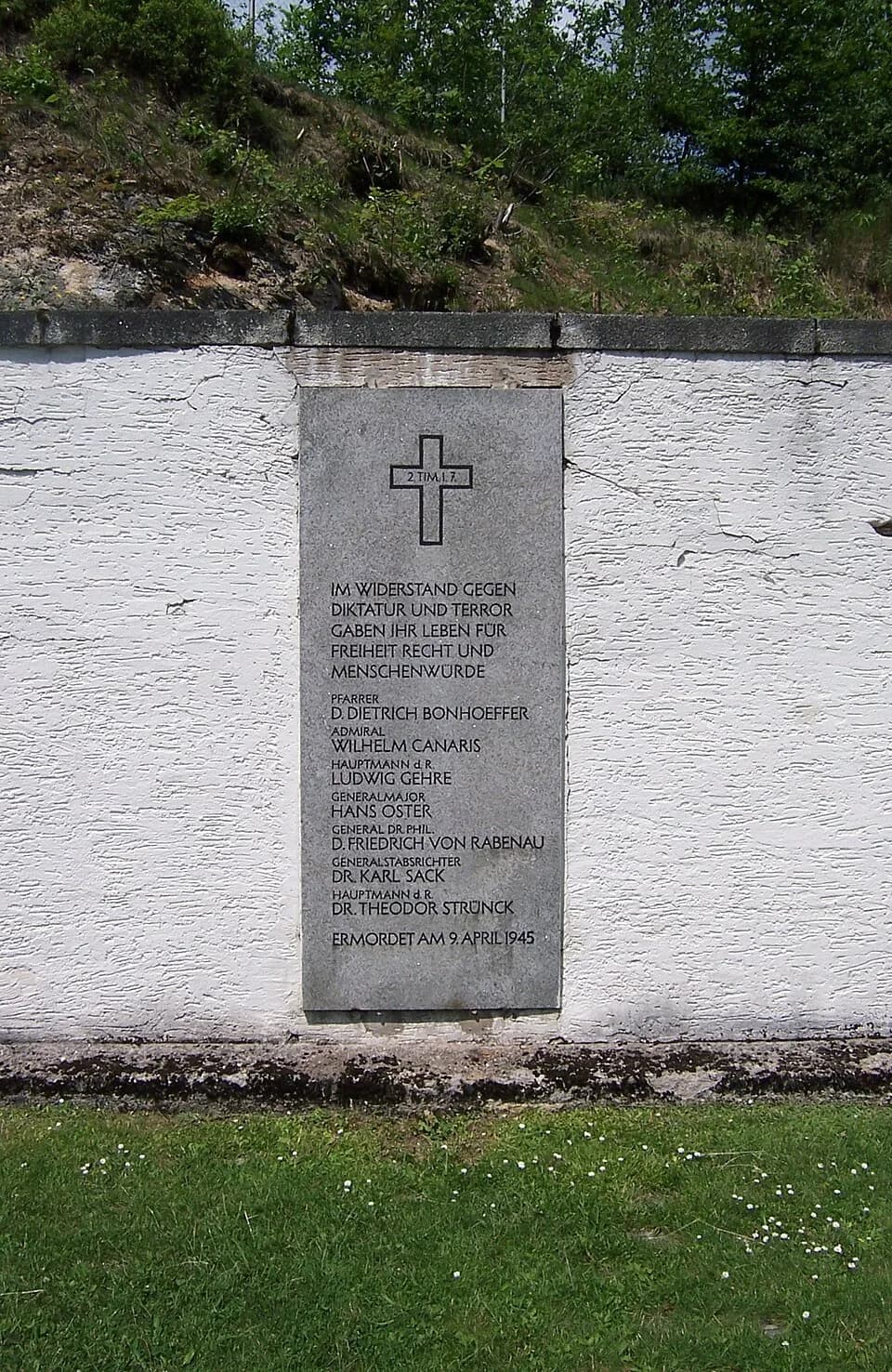
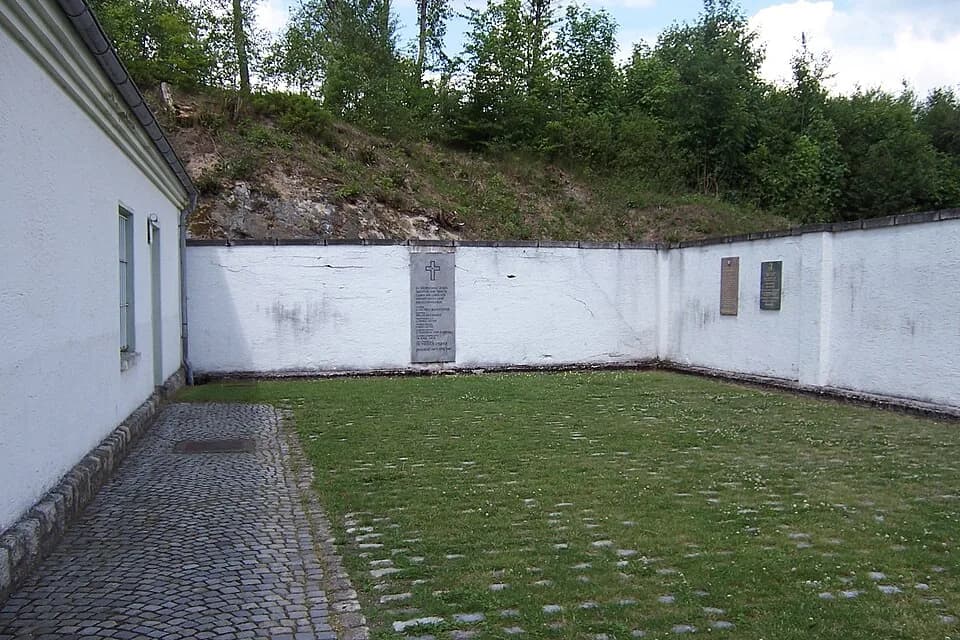
Following his time at Tegel, Bonhoeffer was transferred to Flossenbürg concentration camp. His time in various prisons and concentration camps deepened his reflections on suffering and the cost of true discipleship. His life tragically ended on April 9, 1945, at Flossenbürg concentration camp in Germany, just weeks before the camp's liberation. His death marked a significant loss for both the theological world and the anti-Nazi resistance movement.
அத்தியாயம் 7· அத்தியாயம் 7 / 7
Legacy and Impact
The legacy of Dietrich Bonhoeffer is immense and continues to shape religious thought, ethics, and political activism. His influential writings, particularly The Cost of Discipleship, remain essential texts for understanding Christian ethics in challenging times. Bonhoeffer's concept of “cheap grace” versus “costly grace” has particularly resonated with generations of readers seeking an authentic faith. His theological explorations concerning Christianity's role in a secularized world offer enduring frameworks for contemporary discussions about faith and public life.
As an anti-Nazi dissident and a resistance fighter, Bonhoeffer's life serves as a potent example of moral courage and self-sacrifice. His willingness to confront injustice, even at the cost of his own life, inspires individuals to stand up against oppressive regimes and advocate for human dignity. His role in the Confessing Church underscores the importance of institutional resistance against state overreach. Dietrich Bonhoeffer's impact extends far beyond theology, touching upon political philosophy, ethics, and the very definition of integrity in the face of evil. His memory is honored as a martyr and a visionary.
தருணங்களில் ஒரு வாழ்க்கை
ஒரு வாழ்க்கையை வடிவமைத்த தருணங்கள்
FAQ
அடிக்கடி கேட்கப்படுபவை
Dietrich Bonhoeffer எப்போது இறந்தார்?
Dietrich Bonhoeffer 9 ஏப்ரல், 1945 அன்று Flossenbürg concentration camp, Germany-ல் இறந்தார், 39 வயதில்.
Dietrich Bonhoeffer எங்கு பிறந்தார்?
Dietrich Bonhoeffer Wrocław, Kingdom of Poland-ல் 4 பிப்ரவரி, 1906 அன்று பிறந்தார்.
Dietrich Bonhoeffer எதற்காக மிகவும் பிரபலமானவர்?
Dietrich Bonhoeffer German Lutheran pastor, theologian, anti-Nazi dissident-க்காக மிகவும் பிரபலமானவர்.
இறக்கும் போது Dietrich Bonhoeffer-க்கு வயது என்ன?
இறக்கும் போது Dietrich Bonhoeffer-க்கு 39 வயது.
Dietrich Bonhoeffer-இன் தேசியம் என்ன?
Dietrich Bonhoeffer Kingdom of Poland நாட்டைச் சேர்ந்தவர்.
காலவரிசை
ஒரு பார்வையில் வாழ்க்கை
புகைப்பட கேலரி
படங்களில் ஒரு வாழ்க்கை
விரிவாக்க எந்த polaroid ஐயும் கிளிக் செய் · 33 புகைப்படங்கள்
QR குறியீடு
இந்த வாழ்க்கை வரலாற்றைப் பகிர்
அச்சிட்டு பகிர்
இந்த வாழ்க்கை வரலாற்றுப் பக்கத்திற்கு செல்ல ஸ்கேன் செய்க. நிகழ்வுகள், கண்காட்சிகள் அல்லது கல்விப் பொருட்களுக்கு அச்சிடவும்.