பிறப்பு
January 20, 1716
Madrid, Spain
மறைவு
December 14, 1788
Madrid, Spain
அறியப்படுவது
King of Spain from 1759 to 1788
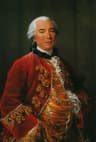
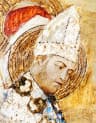
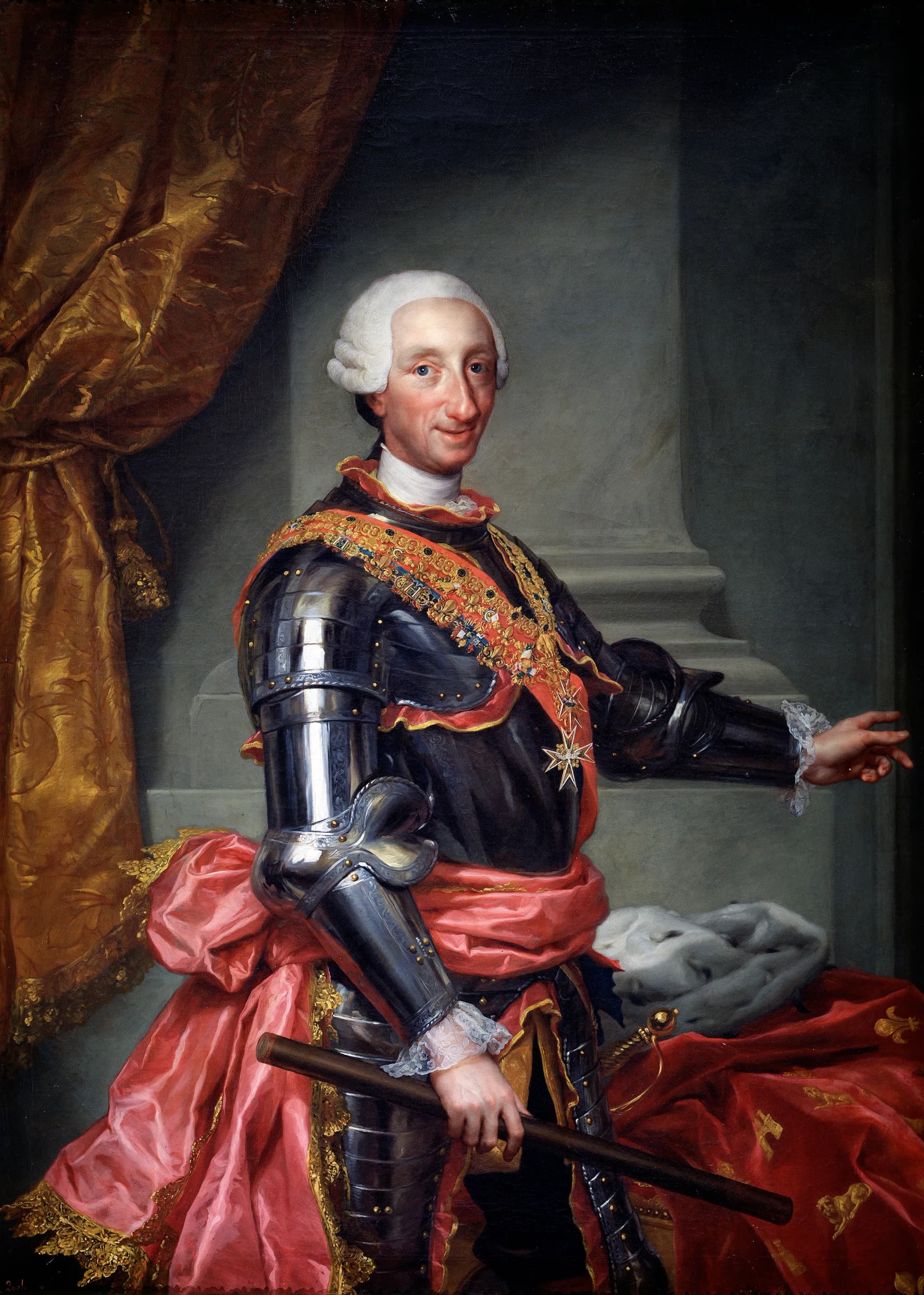
Charles III of Spain (January 20, 1716 – December 14, 1788) was a ruler from Madrid, Spain. He served as King of Spain from 1759 to 1788, having previously reigned as Duke of Parma and King of Naples and Sicily. He was a notable proponent of enlightened absolutism and regalism during his time.
தருணங்களில் ஒரு வாழ்க்கை
ஒரு வாழ்க்கையை வடிவமைத்த தருணங்கள்
அத்தியாயம்
வாழ்க்கை அத்தியாயங்கள்
அத்தியாயம் 1 · 1716· அத்தியாயம் 1 / 7
Early Life and Origins
Born in the Spanish capital of Madrid on January 20, 1716, Charles III entered a world inherently defined by his illustrious royal lineage and the pervasive dynastic ambitions that characterized European powers during the early 18th century. His birth marked him as the fourth son of Philip V of Spain, a monarch historically significant as the very first ruler from the House of Bourbon to sit upon the Spanish throne, thus establishing a crucial dynastic link. This birthright immediately placed Charles firmly within the highest echelons of European aristocracy, intimately connecting him to the involved web of royal succession, political influence, and inherited power. The precise geographical location of his birth within Madrid further solidified his intrinsic and personal link to the kingdom and its people, a realm he would ultimately come to govern with dedication many years later in his distinguished career.
His mother was Elisabeth Farnese, Philip V's second wife, and Charles held the singular distinction of being her eldest son, a position of considerable importance within the royal family structure. This maternal connection was particularly significant, as Elisabeth Farnese herself was widely recognized as a figure of substantial political influence and was directly descended from the powerful and ancient Farnese ducal family of Parma, thus providing an Italian connection. This dual parentage, linking him to both the esteemed Spanish Bourbons through his father and the powerful Italian nobility through his mother, established a unique and highly influential foundation for his future trajectory and sovereign career. While detailed accounts of Charles's specific childhood experiences and precise educational regimen are not extensively provided, it is unequivocally understood that a prince of his elevated status would have received a thorough and rigorous education, carefully tailored to prepare him for the demanding and multifaceted roles of leadership and statecraft that awaited him. Such an elite education typically encompassed a wide and varied array of subjects, including advanced diplomacy, sophisticated military strategy, classical studies, profound historical knowledge, and a deep understanding of the many layers of European political history, all meticulously designed to ensure he was exceptionally well-equipped for the weighty and numerous responsibilities that would eventually befall him as a sovereign ruler. His formative years, though largely private in their specific intricacies, undoubtedly laid a strong and resilient groundwork for his later governance, instilling in him the fundamental principles, ethical duties, and high expectations inherent to a royal heir destined for ultimate command and authority.
அத்தியாயம் 2 · 1731· அத்தியாயம் 2 / 7
Career Beginnings
Charles’s journey towards ultimately inheriting the Spanish throne was not a direct or immediate progression, but rather involved several highly significant and formative periods of independent rule within the Italian peninsula, which collectively served as his initial proving ground and unequivocally demonstrated his inherent capacity for effective and autonomous governance. His first sovereign role commenced in 1731, when he was formally recognized as Charles I, Duke of Parma and Piacenza, a vital position he meticulously held for four impactful years until 1735. This early ducal reign proved immensely valuable, providing him with indispensable practical experience in the detailed daily operations of state administration, the careful formulation of public policy, and the subtle challenges inherent in governing a distinct sovereign territory. Assuming this significant ducal title at a relatively young age, he began the essential process of actively cultivating the leadership, diplomatic, and executive skills required for effectively leading a state, thereby laying robust and enduring foundations for his future and more expansive monarchical responsibilities.
Following his ducal tenure in Parma and Piacenza, Charles’s personal domain and geopolitical sphere of influence expanded considerably, marking a substantial and strategic advancement in his royal career. In the pivotal year of 1735, he successfully ascended to the dual crowns, becoming King of Naples, where he was recognized as Charles VII, and simultaneously King of Sicily, under the distinctive regnal name of Charles III. He maintained these prestigious and demanding sovereign titles over these crucial southern Italian kingdoms for an extended and impactful period, spanning more than two decades, concluding in 1759. The culmination of this long and experienced Italian rule directly coincided with the very year he eventually inherited the Spanish throne, underscoring the continuous and progressive nature of his rise to greater power.
These many years of firsthand experience as an active monarch in both Naples and Sicily were absolutely critical for refining his profound understanding of large-scale governmental administration, adeptly navigating complex international relations, and skillfully managing the diverse needs and aspirations of populous and economically vital kingdoms. His sustained, stable, and effective rule in these significant Italian kingdoms gradually solidified his growing reputation throughout Europe as a highly capable, astute, and experienced monarch, one deeply familiar with the subtle details and demanding arts of effective governance, thereby meticulously preparing him for the even greater and more encompassing responsibilities that unequivocally awaited him in Spain.
அத்தியாயம் 3 · 1759· அத்தியாயம் 3 / 7
Major Achievements and Career Highlights
Charles III's most defining and enduring period of rule began with his successful ascension to the revered throne as King of Spain in 1759, a paramount position he maintained with unwavering dedication and astute leadership until his passing in 1788. His extensive reign, which spanned for nearly three full decades, was profoundly characterized by a distinctive and forward-thinking approach to governance, one that was consciously shaped and deeply informed by the prominent intellectual currents and progressive philosophical ideals of the European Enlightenment. Throughout his substantial time as King of Spain, Charles consistently demonstrated himself to be a steadfast and vigorous proponent of enlightened absolutism. This sophisticated political philosophy advocated for the principle that monarchs, while retaining their absolute power and authority, should judiciously employ this immense power to enact extensive reforms and significant improvements, specifically for the betterment and overall welfare of their subjects across the realm. Such reforms were explicitly intended to be guided primarily by reason, modern scientific principles, and a deep, abiding commitment to administrative efficiency, with the overarching aim of fostering widespread progress and sustained societal advancement within their kingdoms.
In conjunction with his robust advocacy for enlightened absolutism, Charles III also staunchly championed and actively implemented the powerful policy known as regalism throughout his domains. Regalism, as a political doctrine, focused intently on asserting and strengthening the inherent authority of the monarch and the central state apparatus over the often considerable influence and power of the Church within the defined boundaries of his kingdom. This crucial policy explicitly sought to firmly establish the state's supremacy over religious institutions, particularly in matters pertaining to secular governance, jurisdictional disputes between state and ecclesiastical bodies, and frequently, in the critical and sensitive appointments to ecclesiastical positions within the Church hierarchy. These two interconnected and powerful guiding principles—enlightened absolutism and regalism—were not merely abstract theoretical concepts but profoundly defined the very character, operational framework, and long-term objectives of his extensive reign. They critically informed his consistent approach to reforming, modernizing, and meticulously consolidating the Spanish state and its vast colonial empire. His long and remarkably stable tenure on the Spanish throne provided him with the necessary continuity, authority, and political capital to consistently and effectively apply these principles, thereby aiming to bolster the power, prestige, and administrative reach of the monarchy while simultaneously working tirelessly to improve the overall administrative efficiency and economic functioning of the Spanish state and to enhance the welfare of its diverse subjects across the globe.
அத்தியாயம் 4· அத்தியாயம் 4 / 7
Personal Life
Information specifically pertaining to the personal life of Charles III, beyond the fundamental and publicly known details of his noble familial origins—identifying him as the fourth son of Philip V and the eldest son of Elisabeth Farnese—is not extensively elaborated upon within the provided biographical information. His entire life, from his birth in the vibrant and culturally rich city of Madrid to his eventual passing in the very same capital, was unequivocally framed and largely consumed by his profound commitment to his royal duties and the detailed, demanding governance of his various kingdoms and territories. As an influential eighteenth-century monarch, Charles III’s public persona and his official capacities as a ruler inherently took precedence and were of paramount importance, with specific intimate personal details often remaining deliberately private or considered distinctly secondary to his overwhelming official functions and responsibilities of state. His identity throughout his lengthy and impactful career was intrinsically and inextricably linked to his successive and demanding sovereign roles: first as a diligent and capable Duke, subsequently as a powerful and respected King of two distinct Italian realms, and finally as the long-reigning and widely recognized King of Spain. His life therefore stands as a notable embodiment of a sovereign ruler whose entire existence was fundamentally dedicated to the demanding art of statecraft and the unwavering service of his crown and his subjects.
அத்தியாயம் 5 · 1731· அத்தியாயம் 5 / 7
Notable Works or Contributions
The most significant and enduring contributions of Charles III undeniably emanate directly from his extensive and highly impactful career as a dedicated and astute ruler across multiple important European territories. His consecutive reigns as Duke of Parma and Piacenza, from 1731 to 1735, followed by his extended and formative period as King of Naples and concurrently King of Sicily, spanning from 1735 to 1759, collectively allowed him to accumulate an extensive body of invaluable practical experience in the complex art of statecraft and international diplomacy. These formative early roles were absolutely vital preparatory stages, enabling him to contribute substantially to the political stability, administrative efficiency, and overall progressive governance of several key European territories during a period of significant geopolitical change. Each distinct period of his rule saw him effectively exercise sovereign authority, meticulously manage the detailed domestic and international affairs of his respective kingdoms, and skillfully navigate the numerous and often challenging complexities inherent in monarchical leadership, thereby honing his skills as a monarch.
However, his crowning contribution and the period for which he is most widely and historically recognized remains his nearly three-decade reign as King of Spain, which commenced in 1759 and concluded with his death in 1788. During these crucial and significant years, he emerged as a leading figure among European monarchs advocating for and actively implementing the principles of enlightened absolutism, purposefully shaping the policies and administrative structures of his vast kingdom in alignment with this progressive, modernizing philosophical framework. His steadfast and continuous promotion of regalism further served to fundamentally redefine and significantly strengthen the relationship between the Spanish state and the Church, profoundly contributing to the establishment of a more centralized, autonomous, and robust royal authority throughout his extensive domains. These fundamental principles of enlightened absolutism and regalism were far from being mere theoretical constructs; rather, they actively and consistently guided his governance, profoundly influencing the entire administration, the economic direction, and the potential social reforms within the Spanish Empire throughout his long, influential, and impactful rule. His consistent and dedicated application of these tenets left an enduring blueprint for governance that continued to shape the political and social trajectory of Spain for generations to come.
அத்தியாயம் 6 · 1788· அத்தியாயம் 6 / 7
Later Years
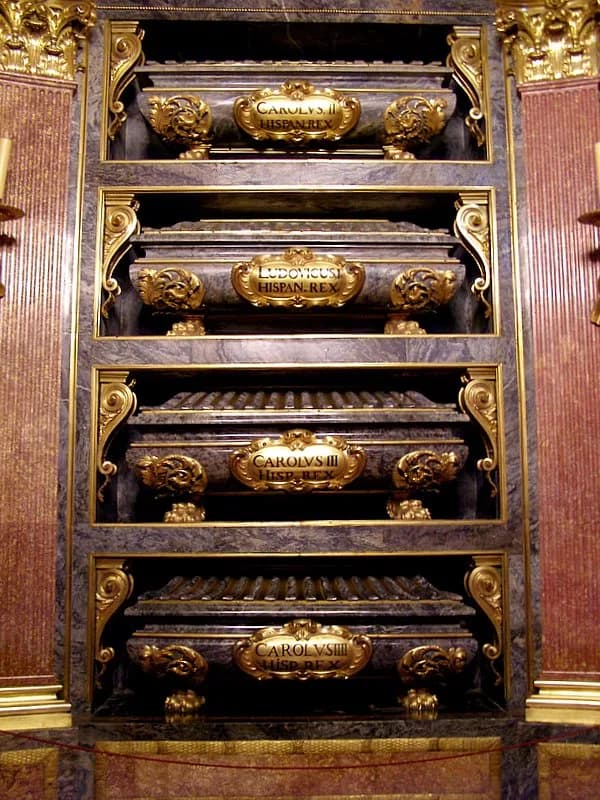
Charles III maintained his extensive and active rule as King of Spain with unwavering dedication, considerable skill, and profound commitment until his peaceful passing in December 1788. His later years on the Spanish throne were consistently characterized by the ongoing and dedicated application of his deeply held principles of enlightened absolutism and regalism, which had guided his statecraft for decades. Having successfully reigned for nearly three full decades over the vast and complex Spanish Empire, and having previously spent an even longer and equally active period as a sovereign in the Italian peninsula, his entire life was, in essence, an unbroken continuum of dedicated governance and profound monarchical responsibility. His exceptionally long and distinguished journey as a sovereign ruler ultimately concluded in Madrid, the very city of his birth, where he passed away on December 14, 1788. This specific date marked the peaceful and dignified close of an era defined by his significant and consistent royal leadership, thereby drawing to an end a notably long, productive, and active life that was wholly devoted to the exacting duties and profound responsibilities inherent to monarchy. His death signaled not only the culmination of his personal story but also a distinct transition point for the Spanish Crown, concluding a specific and highly significant period defined by his unique and significant style of governance.
அத்தியாயம் 7 · 1759· அத்தியாயம் 7 / 7
Legacy and Impact
The enduring and substantial legacy of Charles III is robustly and inextricably rooted in his exceptionally long, notably varied, and consistently impactful career as a prominent European monarch. As the esteemed King of Spain from 1759 to 1788, he is most significantly and historically remembered for his unwavering dedication to and his active, consistent promotion of the principles of enlightened absolutism and regalism throughout his reign. His steadfast adherence to these sophisticated governing principles distinctly positioned him as a central and influential figure among the pantheon of 18th-century European rulers who diligently sought to modernize and strategically strengthen their respective states through the rigorous application of reason, advanced administrative practices, and robust central authority. His nearly six decades of continuous sovereign rule, spanning different and distinct kingdoms—initially in the strategically important Italian peninsula and subsequently over the vast and complex Spanish Empire—eloquently attest to his profound and enduring commitment to effective, progressive, and sustained governance across diverse territories.
His far-reaching influence extended well beyond the geographical borders of Spain itself, as his compelling example as an enlightened monarch resonated widely and significantly throughout the entire European continent. The core principles that he so ardently championed aimed extensively to strengthen the central state apparatus, significantly improve its administrative efficiency, and foster a more rational, systematic, and modern approach to the multifaceted challenges of governance that faced 18th-century states. Charles III's complete life story, from his birth in the vibrant and culturally rich heart of Madrid in 1716 to his dignified death in the very same capital in 1788, represents an exceptionally significant and well-defined chapter in the illustrious history of the Spanish Bourbon dynasty. Moreover, his distinguished career provides crucial insights into the broader intellectual and political context of the European Enlightenment, showcasing precisely how its ideals were practically applied and implemented by a dedicated and influential sovereign. He adeptly navigated the involved complexities of ruling diverse territories and left behind a discernible and lasting legacy that is predominantly defined by his unwavering dedication to the principles of efficient, centralized, and progressively-minded monarchy, thereby shaping the course of Spanish history and its imperial administration for generations to come.
காலவரிசை
ஒரு பார்வையில் வாழ்க்கை
புகைப்பட கேலரி
படங்களில் ஒரு வாழ்க்கை
விரிவாக்க எந்த polaroid ஐயும் கிளிக் செய் · 48 புகைப்படங்கள்
QR குறியீடு
இந்த வாழ்க்கை வரலாற்றைப் பகிர்
அச்சிட்டு பகிர்
இந்த வாழ்க்கை வரலாற்றுப் பக்கத்திற்கு செல்ல ஸ்கேன் செய்க. நிகழ்வுகள், கண்காட்சிகள் அல்லது கல்விப் பொருட்களுக்கு அச்சிடவும்.