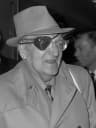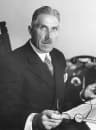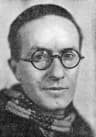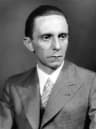
பிறப்பு
October 29, 1920
Caracas, Venezuela
மறைவு
August 2, 2011
Boston, United States
அறியப்படுவது
Venezuelan-American immunologist
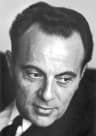
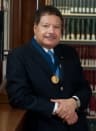
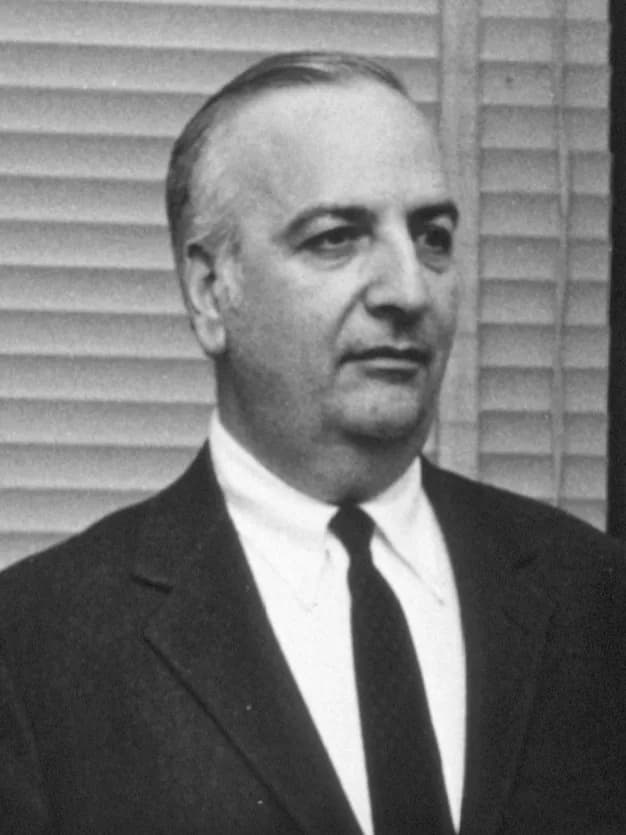
Baruj Benacerraf (1920–2011) was Venezuela best known for Venezuelan-American immunologist.
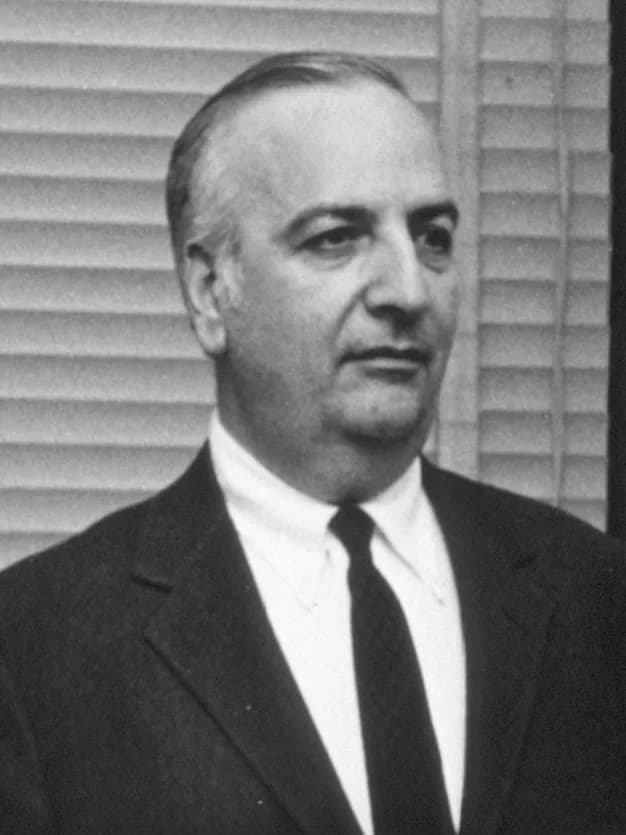
Baruj Benacerraf (October 29, 1920 – August 2, 2011) was a Venezuelan-American immunologist. He shared the 1980 Nobel Prize in Physiology or Medicine for his discovery of major histocompatibility complex genes, crucial for the immune system's self-recognition. His work reshaped our understanding of immune responses.
அத்தியாயம்
வாழ்க்கை அத்தியாயங்கள்
அத்தியாயம் 1 · 1920· அத்தியாயம் 1 / 7
Early Life and Origins
Baruj Benacerraf's life began on October 29, 1920, in Caracas, Venezuela. This South American birthplace set the stage for a life that would eventually bridge continents and scientific fields. While specific details of his early family life and upbringing in Caracas are not provided, his journey from Venezuela led him to become a pivotal figure in global scientific exploration. His diverse cultural background may have contributed to his unique perspective in problem-solving and collaboration.
அத்தியாயம் 2· அத்தியாயம் 2 / 7
Career Beginnings
Benacerraf embarked on a multifaceted professional journey, initially trained as a physician, a role that provided him with a direct understanding of human health challenges and disease mechanisms. He also honed his expertise as a biologist, delving into the fundamental processes of living organisms, and as a physiologist, studying the functions and mechanisms of living systems. This broad, interdisciplinary foundation was crucial for his later specialization as an immunologist.
His work as a university teacher further solidified his knowledge and likely influenced countless students, preparing him for leadership in research. Each step in his early career built towards a comprehensive understanding of biological systems, culminating in his deep engagement with the complexities of the immune response. This solid grounding allowed him to approach immunological questions with a unique blend of clinical and basic science perspectives.
அத்தியாயம் 3 · 1980· அத்தியாயம் 3 / 7
Major Achievements and Career Highlights
The pinnacle of Baruj Benacerraf's scientific career arrived in 1980, when he was awarded the Nobel Prize in Physiology or Medicine. This globally recognized honor underscored the immense importance of his research in the medical community. He shared this prestigious award with two esteemed colleagues, Jean Dausset and George Davis Snell, celebrating a collective advancement in scientific knowledge.
The Nobel Prize acknowledged their "discoveries concerning genetically determined structures on the cell surface that regulate immunological reactions." This citation points to a fundamental breakthrough: understanding how genetic information dictates the immune system's intricate responses. Benacerraf's specific contribution centered on the "major histocompatibility complex genes," a discovery that reshaped the entire field of immunology.
These genes were found to encode crucial cell surface protein molecules, acting as the body's internal identification system. His work revealed that these protein molecules are vital for the immune system's distinction between "self" and "non-self." This ability to differentiate between the body's own components and foreign invaders like bacteria or viruses is the cornerstone of effective immune defense. Without this precise distinction, the immune system could either fail to protect the body or mistakenly attack its own healthy tissues. This genetic insight provided a clear molecular basis for a phenomenon that scientists had long observed but not fully understood.
அத்தியாயம் 4· அத்தியாயம் 4 / 7
Personal Life
While Baruj Benacerraf's scientific achievements are extensively documented and celebrated, specific details regarding his personal life, family structure, or individual hobbies beyond his demanding professional commitments are not available in the provided information. His dedication to science likely consumed a significant portion of his time and energy. He was primarily known through his transformative contributions to the field of immunology and medicine.
அத்தியாயம் 5· அத்தியாயம் 5 / 7
Notable Works or Contributions
Baruj Benacerraf's most significant scientific legacy is undeniably his work on the major histocompatibility complex (MHC). His research meticulously identified and characterized the genes responsible for these critical cell surface structures. He showed how these genes direct the production of proteins that are presented on the surface of nearly all cells in the body. These presentations serve as crucial markers for immune cells.
These MHC molecules are essential for T-cells, a type of white blood cell, to recognize antigens, which are substances that can provoke an immune response. By elucidating the role of MHC genes, Benacerraf explained how the immune system learns to tolerate the body's own tissues while mounting powerful defenses against foreign pathogens. This fundamental understanding has revolutionized fields such as organ transplantation, where MHC compatibility is a key factor in preventing rejection, and in understanding autoimmune disorders, where the immune system mistakenly attacks self-components.
Furthermore, his discoveries have had profound implications for vaccine development and understanding individual variations in disease susceptibility. The way a person's immune system responds to a vaccine or a particular pathogen can be influenced by their specific MHC genes. This personalized aspect of immunity, unveiled by Benacerraf's research, opened new avenues for tailored medical approaches and therapies. His work provided a robust framework for interpreting complex immune phenomena.
அத்தியாயம் 6 · 2011· அத்தியாயம் 6 / 7
Later Years
Baruj Benacerraf concluded his distinguished life and career in Boston, United States, where he passed away on August 2, 2011. After decades of relentless scientific inquiry and groundbreaking discoveries, his later years likely included continued engagement with the scientific community. His passing marked the end of an era for a scientist who had fundamentally reshaped our understanding of immunity. His presence in Boston, a hub of medical research, underscores his continued relevance and contribution to science until the end.
அத்தியாயம் 7· அத்தியாயம் 7 / 7
Legacy and Impact
Baruj Benacerraf's legacy in the scientific world is immense, permeating the fields of immunology, medicine, and genetics. His Nobel Prize-winning work on the major histocompatibility complex genes provided a fundamental pillar for understanding immune recognition. This concept is now universally accepted as a cornerstone of how the immune system functions, forming the basis for countless research projects and clinical applications.
His insights continue to drive advancements in transplant medicine, where matching MHC types is essential for successful organ and tissue grafts. Moreover, his discoveries remain crucial for unraveling the complexities of autoimmune diseases, such as multiple sclerosis and rheumatoid arthritis, by identifying the genetic factors that predispose individuals to these conditions. The principles he established also inform the development of immunotherapies for cancer and infectious diseases.
The intellectual framework provided by Benacerraf's research transformed immunology from a descriptive science to one rooted in precise molecular and genetic mechanisms. His clarity and rigor enabled generations of scientists to build upon his findings, leading to breakthroughs that save and improve lives globally. He truly changed the trajectory of medical understanding, leaving behind a scientific heritage of enduring significance and inspiration.
தருணங்களில் ஒரு வாழ்க்கை
ஒரு வாழ்க்கையை வடிவமைத்த தருணங்கள்



FAQ
அடிக்கடி கேட்கப்படுபவை
Baruj Benacerraf எப்போது இறந்தார்?
Baruj Benacerraf 2 ஆகஸ்ட், 2011 அன்று Boston, United States-ல் இறந்தார், 90 வயதில்.
Baruj Benacerraf எங்கு பிறந்தார்?
Baruj Benacerraf Caracas, Venezuela-ல் 29 அக்டோபர், 1920 அன்று பிறந்தார்.
Baruj Benacerraf எதற்காக மிகவும் பிரபலமானவர்?
Baruj Benacerraf Venezuelan-American immunologist-க்காக மிகவும் பிரபலமானவர்.
இறக்கும் போது Baruj Benacerraf-க்கு வயது என்ன?
இறக்கும் போது Baruj Benacerraf-க்கு 90 வயது.
Baruj Benacerraf-இன் தேசியம் என்ன?
Baruj Benacerraf Venezuela நாட்டைச் சேர்ந்தவர்.
காலவரிசை
ஒரு பார்வையில் வாழ்க்கை
புகைப்பட கேலரி
படங்களில் ஒரு வாழ்க்கை
விரிவாக்க எந்த polaroid ஐயும் கிளிக் செய் · 23 புகைப்படங்கள்
QR குறியீடு
இந்த வாழ்க்கை வரலாற்றைப் பகிர்
அச்சிட்டு பகிர்
இந்த வாழ்க்கை வரலாற்றுப் பக்கத்திற்கு செல்ல ஸ்கேன் செய்க. நிகழ்வுகள், கண்காட்சிகள் அல்லது கல்விப் பொருட்களுக்கு அச்சிடவும்.