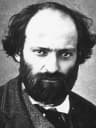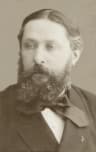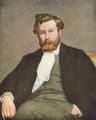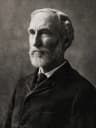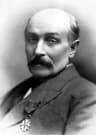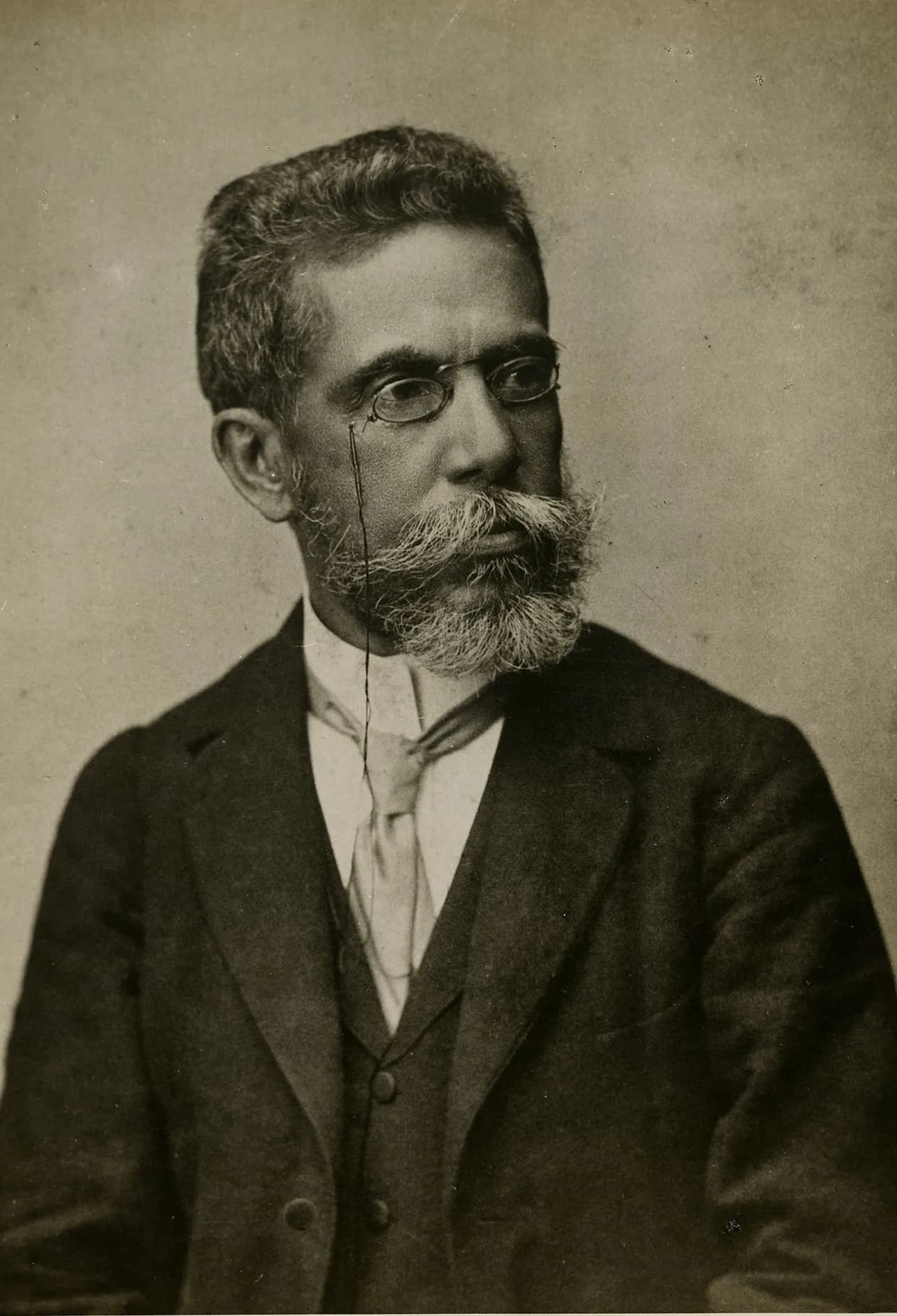
Född
June 21, 1839
Rio de Janeiro, Brazil
Avliden
September 29, 1908
Rio de Janeiro, Brazil
Känd för
Brazilian writer
Machado de Assis (1839–1908) was Brazil best known for Brazilian writer.
Joaquim Maria Machado de Assis (June 21, 1839 – September 29, 1908) was a Brazilian writer from Rio de Janeiro. He was a pioneer novelist, poet, and founder of the Brazilian Academy of Letters, widely considered the greatest writer of Brazilian literature. His work shaped the literary identity of his nation.
Kapitel
Livets kapitel
Kapitel 1 · 1839· Kapitel 1 av 7
Early Life and Origins
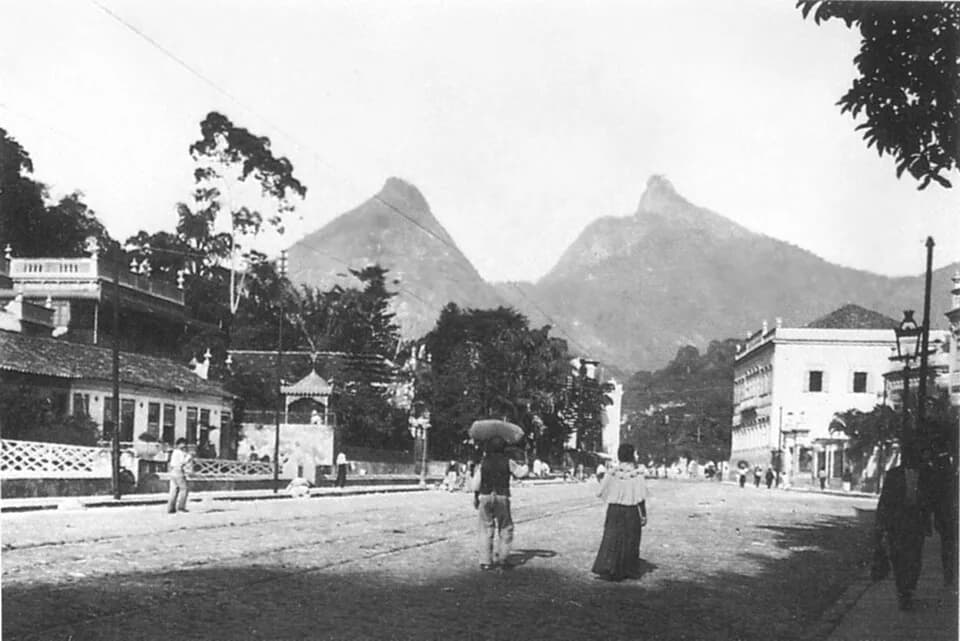
Joaquim Maria Machado de Assis was born on June 21, 1839, in Rio de Janeiro, Brazil, a city that would remain central to his life and creative output. Details of his early family life are not extensively provided, but his upbringing in the vibrant environment of Rio de Janeiro undoubtedly influenced his unique perspective. Despite limited formal education, he demonstrated an early and enduring dedication to learning and literature.
His early years were spent observing the social dynamics and cultural richness of his birthplace. This keen observation would later become a hallmark of his celebrated literary style. He developed a deep understanding of human nature and societal complexities, which he skillfully wove into his narratives.
Kapitel 2· Kapitel 2 av 7
Career Beginnings
Machado de Assis began his career with a wide array of professions that honed his versatile skills. He worked as a typographer, journalist, and literary critic, roles that provided him with practical experience in the world of publishing and letters. These initial ventures allowed him to engage deeply with language and narrative forms from various angles.
His early literary efforts saw him publishing as a poet and playwright, exploring different genres and finding his voice. These formative years were crucial in establishing his reputation as a gifted wordsmith. He steadily built a foundation for the prolific and influential career that would follow, showcasing his talents across multiple literary forms.
Kapitel 3 · 1897· Kapitel 3 av 7
Major Achievements and Career Highlights
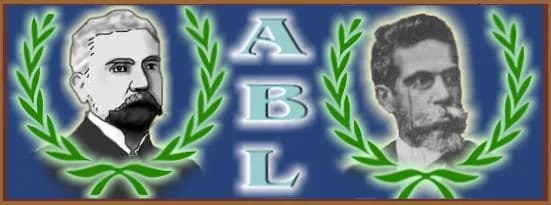
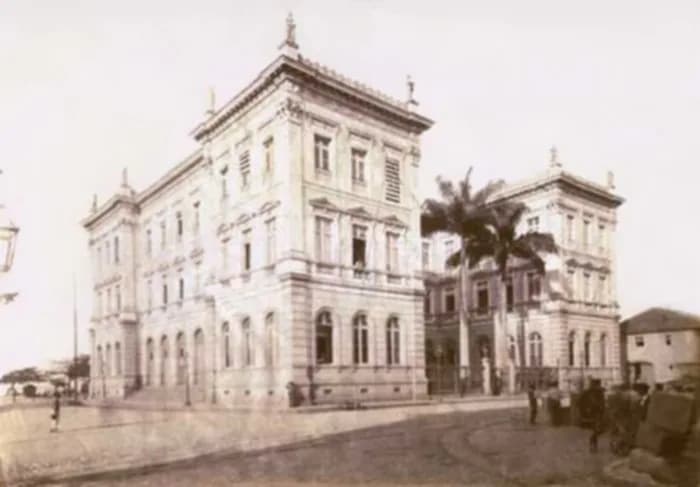
A defining moment in Machado de Assis's career came in 1897 when he co-founded the Brazilian Academy of Letters, serving as its first President. This institution, which he helped bring into being, became a cornerstone of Brazilian culture and intellectual life. His leadership established the Academy's foundational principles and prestige.
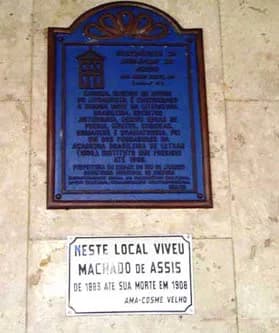
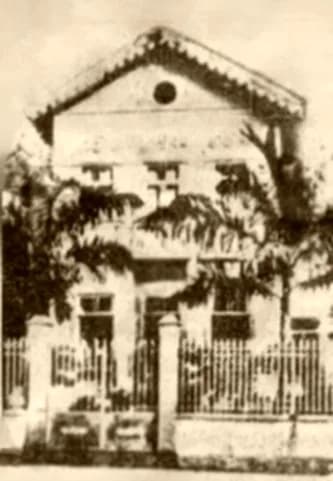
He was affectionately known as "Bruxo do Cosme Velho," or the "Wizard of Cosme Velho," a testament to his profound literary genius and intellectual prowess. His command over language extended beyond Portuguese, as he taught himself French, English, German, and Greek later in life. This self-taught multilingualism allowed him to engage with a broader spectrum of global literature and thought.
Kapitel 4· Kapitel 4 av 7
Personal Life
While specific details about Machado de Assis's personal relationships are not provided, his intellectual pursuits offer a glimpse into his private world. His dedication to teaching himself multiple languages — French, English, German, and Greek — illustrates a profound curiosity and intellectual discipline. This commitment to self-education enriched his understanding of diverse cultures and literary traditions.
His quiet dedication to learning reflects a deep personal drive for knowledge. This pursuit of intellectual growth was a consistent thread throughout his life, shaping his perspective and informing his literary output. The depth of his work suggests a thoughtful and introspective individual.
Kapitel 5· Kapitel 5 av 7
Notable Works or Contributions
Machado de Assis crafted an impressive body of work that continues to be celebrated today. Among his most famous novels are Dom Casmurro and Memórias póstumas de Brás Cubas, both canonical texts in Brazilian literature. These novels are renowned for their psychological depth and innovative narrative techniques.
His extensive bibliography also includes collections of short stories such as Contos fluminenses, Contos A, and Contos B., showcasing his mastery of the shorter form. Other significant works include the novel Ressurreição, the play Teatro, and philosophical pieces like A igreja do Diabo and A festa da caridade. These diverse contributions solidified his reputation as a versatile and brilliant writer.
Kapitel 6 · 1908· Kapitel 6 av 7
Later Years
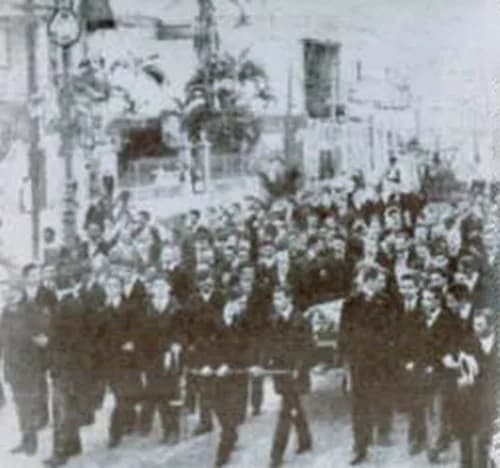
Machado de Assis continued his literary activities and intellectual engagement well into his later years. He passed away on September 29, 1908, in his beloved home city of Rio de Janeiro, Brazil. His final years were marked by continued recognition and esteem for his monumental contributions to literature.
His passing marked the end of an era for Brazilian literature, but his influence only grew in the decades that followed. The legacy of his unique perspective and narrative innovations endured, inspiring new generations of writers and readers. He remained an active and revered figure until his last days.
Kapitel 7· Kapitel 7 av 7
Legacy and Impact
Machado de Assis is universally acknowledged as the greatest writer of Brazilian literature, a title earned through his pioneering work in the novel, poetry, and short story forms. His insightful critiques of society and human psychology introduced a sophistication previously unseen in Brazilian letters. He transformed the literary expression of his nation.
His founding of the Brazilian Academy of Letters cemented his place not only as a writer but also as an institution builder. Machado de Assis left an enduring legacy of works that are studied and celebrated globally, continuing to influence authors and scholars. His contributions remain fundamental to understanding Brazilian cultural identity and the evolution of its literary tradition.
Ett liv i ögonblick
Stunderna som formade ett liv
Vanliga frågor
Vanliga frågor
När dog Machado de Assis?
Machado de Assis dog den 29 september 1908 i Rio de Janeiro, Brazil, 69 år gammal.
Var föddes Machado de Assis?
Machado de Assis föddes i Rio de Janeiro, Brazil den 21 juni 1839.
Vad är Machado de Assis mest känd för?
Machado de Assis är mest känd för Brazilian writer.
Hur gammal var Machado de Assis när hen dog?
Machado de Assis var 69 år gammal vid dödsögonblicket.
Vilken nationalitet hade Machado de Assis?
Machado de Assis kom från Brazil.
Tidslinje
Livet i översikt
Fotogalleri
Ett liv i bilder
Klicka på en polaroid för att förstora · 48 foton
QR-kod
Dela denna biografi
Skriv ut och dela
Skanna för att besöka denna biografisida. Skriv ut till evenemang, utställningar eller utbildningsmaterial.