Född
August 4, 1859
Vågå, Norway
Avliden
February 19, 1952
Grimstad, Norway
Känd för
Norwegian novelist
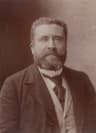
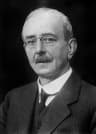
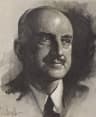
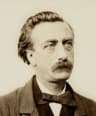
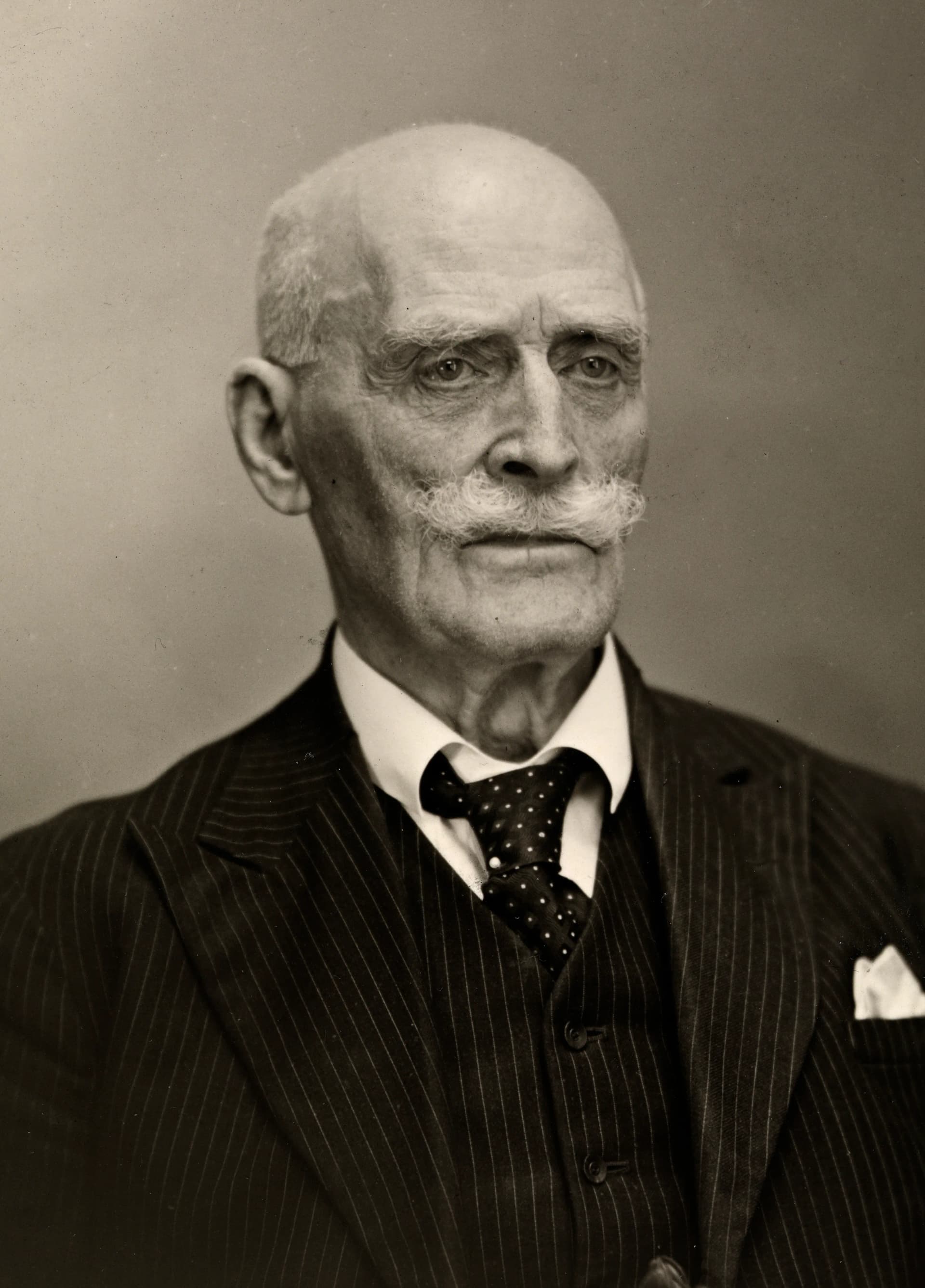
Knut Hamsun (1859–1952) was Norway best known for Norwegian novelist.
Knut Hamsun (August 4, 1859 – February 19, 1952) was a Norwegian novelist from Vågå, Norway. He was awarded the Nobel Prize in Literature in 1920 for his monumental work, <em>Growth of the Soil</em>. Hamsun's diverse body of work, spanning over 70 years, left a significant mark on global literature.
Kapitel
Livets kapitel
Kapitel 1 · 1859· Kapitel 1 av 6
Early Life and Origins
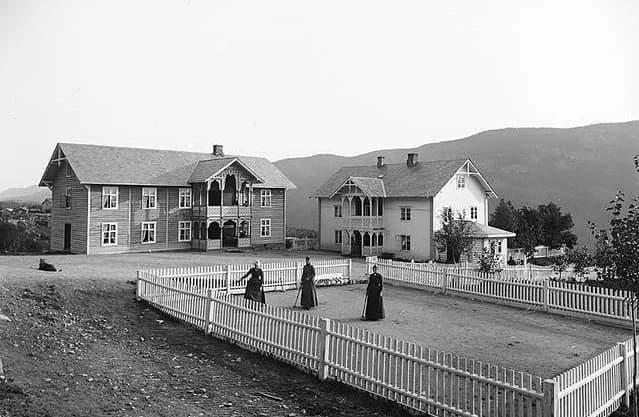
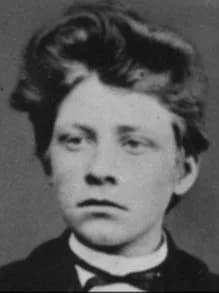
Knut Hamsun was born on August 4, 1859, in Vågå, Norway, a region that undoubtedly shaped his early experiences and worldview. His origins in this Norwegian landscape provided a rich backdrop for his developing literary sensibilities. These formative years laid the foundation for the diverse perspectives that would later characterize his extensive body of work.
Kapitel 2· Kapitel 2 av 6
Career Beginnings
Hamsun's journey into the literary arts began early, establishing him across multiple professional fields. He was known as a writer, a poet, a playwright, and a critic before becoming celebrated as a novelist. This wide range of creative pursuits allowed him to explore different forms of expression and hone his unique voice.
Kapitel 3 · 1920· Kapitel 3 av 6
Major Achievements and Career Highlights
A crowning achievement in Knut Hamsun's career was the conferral of the Nobel Prize in Literature in 1920. This prestigious award recognized his monumental work, Growth of the Soil, solidifying his place among the world's most significant authors. His literary output was prolific, encompassing more than 23 novels, a collection of poetry, and numerous short stories, plays, a travelogue, non-fiction works, and essays.
Kapitel 4· Kapitel 4 av 6
Notable Works and Contributions
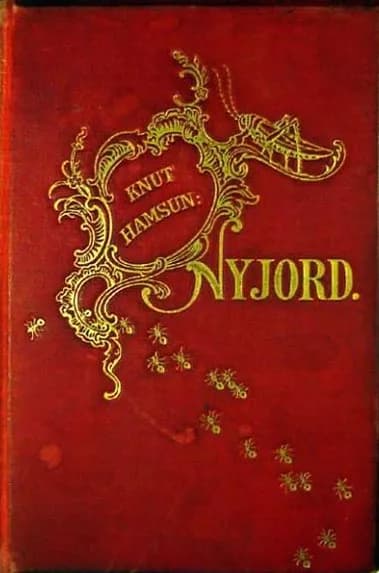
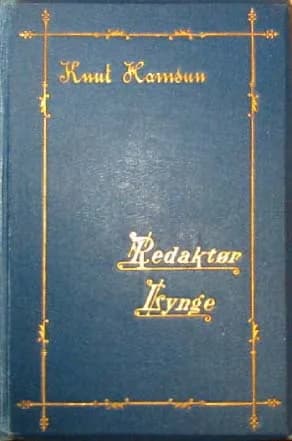
Knut Hamsun's bibliography features a wide array of significant contributions that showcase his evolving consciousness and perspective. Among his celebrated novels is Sult, a pivotal work known for its psychological depth. His monumental achievement, Growth of the Soil, earned him international acclaim and the Nobel Prize. Other notable titles include Segelfoss by, Ertsehlungen, and Aftenrøde, each reflecting his distinct narrative style.
Beyond his novels, Hamsun contributed to various literary forms, including Artikler 1889-1928, a collection of articles that offered insight into his critical thought. He also authored Cultural Life of Modern America, demonstrating his observations on broader societal themes. His comprehensive Samlede verker gathers his extensive literary output, allowing readers to appreciate the full breadth of his creative vision.
Kapitel 5 · 1952· Kapitel 5 av 6
Later Years
Knut Hamsun continued to contribute to literature for many years, with his work spanning an impressive period of over 70 years. He spent his final years in Norway, passing away on February 19, 1952, in Grimstad. His passing marked the end of an era for Norwegian literature, leaving behind a rich and complex legacy of storytelling.
Kapitel 6· Kapitel 6 av 6
Legacy and Impact
Knut Hamsun's literary legacy is defined by his continuous evolution and the broad scope of his storytelling. His works are noted for their variation with regard to consciousness, subject matter, narrative perspective, and environmental settings. He pushed the boundaries of traditional storytelling, influencing generations of writers with his innovative narrative techniques and psychological insights. His enduring influence continues to be studied and appreciated by literary scholars and readers worldwide.
Ett liv i ögonblick
Stunderna som formade ett liv
Vanliga frågor
Vanliga frågor
När dog Knut Hamsun?
Knut Hamsun dog den 19 februari 1952 i Grimstad, Norway, 92 år gammal.
Var föddes Knut Hamsun?
Knut Hamsun föddes i Vågå, Norway den 4 augusti 1859.
Vad är Knut Hamsun mest känd för?
Knut Hamsun är mest känd för Norwegian novelist.
Hur gammal var Knut Hamsun när hen dog?
Knut Hamsun var 92 år gammal vid dödsögonblicket.
Vilken nationalitet hade Knut Hamsun?
Knut Hamsun kom från Norway.
Tidslinje
Livet i översikt
Fotogalleri
Ett liv i bilder
Klicka på en polaroid för att förstora · 50 foton
QR-kod
Dela denna biografi
Skriv ut och dela
Skanna för att besöka denna biografisida. Skriv ut till evenemang, utställningar eller utbildningsmaterial.