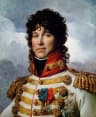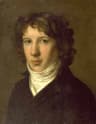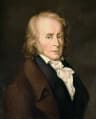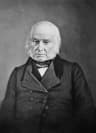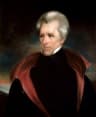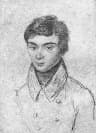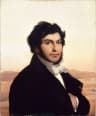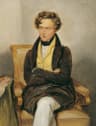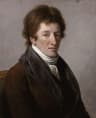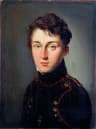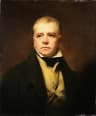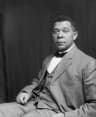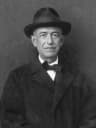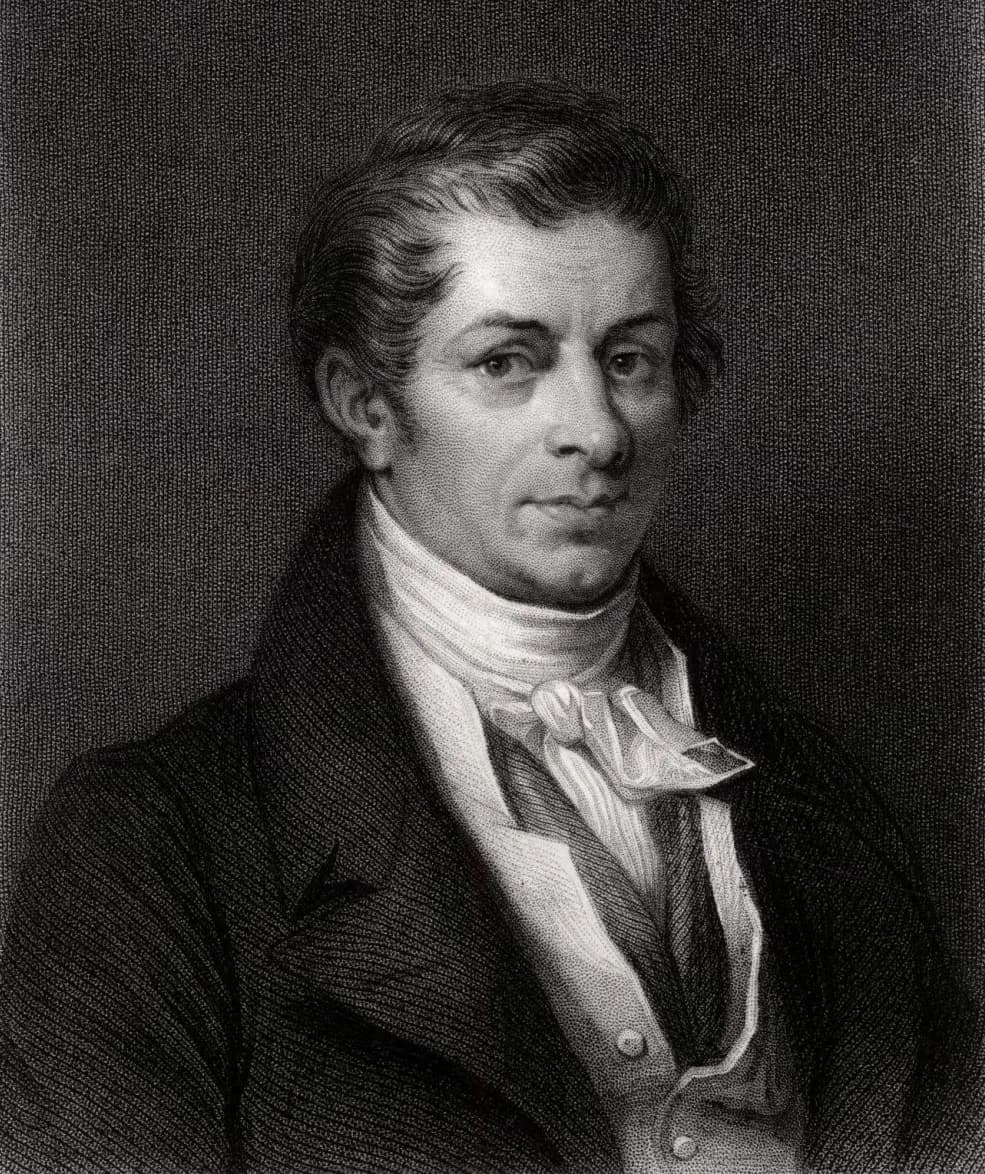
Född
January 5, 1767
Lyon, France
Avliden
November 14, 1832
former 2nd arrondissement of Paris, France
Känd för
French economist and businessman
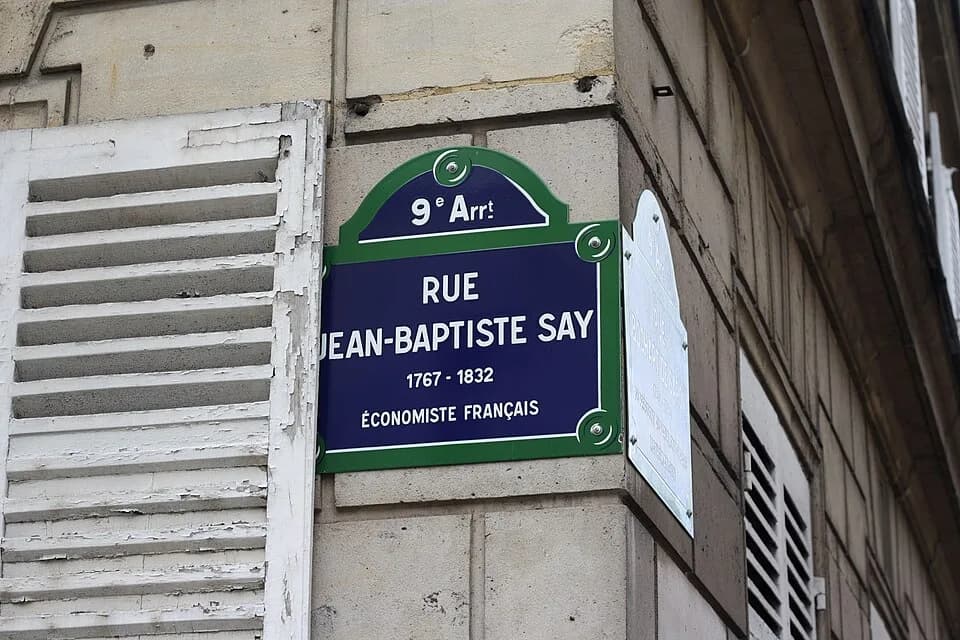
Jean-Baptiste Say (1767–1832) was France best known for French economist and businessman.
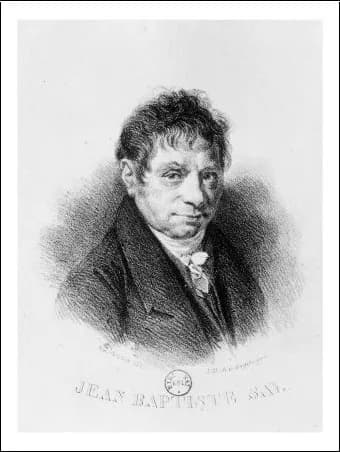
Jean-Baptiste Say (January 5, 1767 – November 14, 1832) was a French economist and businessman. He is celebrated for popularizing Say's law, also known as the law of markets, and for his early studies on entrepreneurship. His work significantly influenced economic thought regarding competition and free trade.
Kapitel
Livets kapitel
Kapitel 1 · 1767· Kapitel 1 av 8
An Enduring Legacy in Economic Thought
Jean-Baptiste Say, born on January 5, 1767, and passing on November 14, 1832, was a distinguished French economist and a keen businessman whose intellectual contributions continue to shape economic discourse. He played a significant role in advocating for liberal economic principles, emphasizing the virtues of competition, the benefits of free trade, and the necessity of reducing governmental restraints on commercial activities. Say is most widely recognized for popularizing what became known as Say's law, or the law of markets, a theory that profoundly influenced classical economics. His pioneering work also extended to the study of entrepreneurship, where he conceptualized entrepreneurs as essential organizers and dynamic leaders within the economy, giving early academic weight to their crucial role.
His diverse professional life saw him contribute as a writer, economist, translator, journalist, and industrialist, reflecting a broad engagement with both theoretical and practical aspects of societal development. Say's commitment to fostering economic understanding also manifested in his close involvement with the establishment of the École spéciale de commerce et d'industrie, recognized as the historically first business school. His comprehensive approach to economic inquiry, blending academic analysis with real-world observation, cemented his place as a foundational figure in the development of modern economic thought and business education.
Kapitel 2 · 1767· Kapitel 2 av 8
Early Life and Origins
Jean-Baptiste Say's journey began in Lyon, France, a city renowned in the 18th century as a bustling hub of commerce and manufacturing. Born on January 5, 1767, his early environment was rich with the dynamics of trade and industry, which undoubtedly provided a practical foundation for his future economic theories. Growing up in such a commercially active locale offered him firsthand observations of market forces, labor, and capital, grounding his academic pursuits in tangible reality. This direct exposure to the mechanisms of a thriving economy likely cultivated his profound interest in understanding how wealth is created and distributed.
The intellectual climate of late 18th-century France was a period of significant change and emerging ideas, and Say absorbed these influences. His family background, while not extensively detailed, must have supported his intellectual development given his eventual breadth of professions. This early exposure to the practicalities of business, combined with an inquisitive mind, prepared him to later challenge prevailing economic notions and to articulate new perspectives rooted in the observed realities of economic life. His origins in Lyon provided a unique vantage point from which to assess economic policy and propose reforms.
Kapitel 3· Kapitel 3 av 8
Career Beginnings and Diverse Pursuits
Say's initial steps into his extensive career reflected a man of varied talents and interests, beginning as a writer and journalist before solidifying his reputation as an economist. His work as a translator provided him with exposure to a wide array of international thought, broadening his perspectives beyond the confines of French intellectual circles. This early engagement with diverse texts and ideas was instrumental in shaping his unique economic worldview, allowing him to synthesize disparate concepts into cohesive theories.
His venture into industry as an industrialist further distinguished him from many purely academic economists of his time. This practical experience in manufacturing and business management offered invaluable insights into the challenges and opportunities faced by real-world enterprises. It was this blend of theoretical acumen and practical, hands-on experience that gave his economic analyses a depth and credibility that resonated deeply with his contemporaries and future generations. His early professional years laid the groundwork for a career dedicated to both articulating economic principles and observing their application in daily commerce.
Kapitel 4· Kapitel 4 av 8
Major Achievements and Career Highlights
Among Jean-Baptiste Say's most significant contributions is his widespread popularization of Say's law, frequently referred to as the law of markets. This principle suggests that supply creates its own demand, meaning the production of goods and services generates the income necessary to purchase them, thereby precluding general overproduction in the economy. While scholars continue to debate whether Say was the initial articulator of this theory, his role in elucidating, developing, and advocating for it made it a cornerstone of classical economic thought. His clear explanation of this concept helped to frame discussions on economic equilibrium and the nature of recessions for decades.
Beyond Say's law, his pioneering work in the study of entrepreneurship marks another enduring highlight of his career. He was one of the very first economists to systematically analyze the role of the entrepreneur, defining them not merely as capital owners but as critical organizers and dynamic leaders who drive economic activity. Say articulated that entrepreneurs combine factors of production—land, labor, and capital—to create new value, identifying their risk-taking and innovative functions as central to economic growth. This conceptualization elevated the entrepreneur from a simple capitalist to a distinct and vital economic agent.
Say's influence also extended into the practical realm of education through his close involvement in the development of the École spéciale de commerce et d'industrie, known today as ESCP Business School. This institution holds the distinction of being historically the first business school ever established, a testament to Say's foresight in recognizing the need for formal education in commerce and industry. His commitment to structured business education underscores his belief in the systematic development of future economic leaders. Throughout his career, Say was a steadfast advocate for competition, free trade, and the reduction of government interference in business, consistently arguing that such conditions foster greater prosperity and innovation for all. His principles championed an economic system where individual initiative could flourish.
Kapitel 5· Kapitel 5 av 8
Personal Life and Dedicated Endeavors
While specific details regarding Jean-Baptiste Say's personal life, such as family relationships or private interests, are not widely documented, it is evident that his life was deeply intertwined with his professional pursuits. His chosen professions as an industrialist, economist, writer, and journalist suggest a person dedicated to both the intellectual development and practical application of economic principles. His commitment to understanding and promoting free-market ideals appears to have been a central driving force in his existence. The breadth of his work points to a focus on contributing to public discourse and shaping economic policy through his extensive writings.
His intellectual curiosity and the energy he devoted to his various careers imply a life rich in study and observation. The intricate relationship between his theoretical work as an economist and his hands-on experience as an industrialist indicates a holistic approach to understanding the world around him. Say's personal legacy is therefore inextricably linked to his enduring professional contributions, reflecting a life largely dedicated to advancing the understanding of economic systems and the role of individuals within them.
Kapitel 6· Kapitel 6 av 8
Notable Works and Enduring Contributions
Among Jean-Baptiste Say's substantial body of work, his most enduring contribution to economic theory is arguably the popularization and detailed exposition of Say's law. This theory, positing that production creates its own demand, profoundly influenced subsequent generations of economists, shaping debates on economic cycles and the efficacy of government intervention. His articulate presentation of this concept in his various writings helped to disseminate these vital ideas widely among academics and policymakers alike. The clarity with which he explained complex economic relationships ensured his ideas gained significant traction in the intellectual community.
His intellectual output also includes the work titled, "Une contribution à la théorie du revenu permanent" which further showcases his depth of engagement with economic concepts. This title, appearing in his bibliography, suggests a sophisticated approach to understanding income and its long-term implications, reflecting his dedication to exploring fundamental economic questions. Beyond specific titles, his writings consistently championed the principles of free markets, open competition, and reduced trade barriers, thereby providing a robust intellectual framework for economic liberalism. He systematically argued for policies that would unleash productive capacity and foster greater prosperity, influencing the direction of economic policy in his time and beyond.
Kapitel 7 · 1832· Kapitel 7 av 8
Later Years and Continued Influence
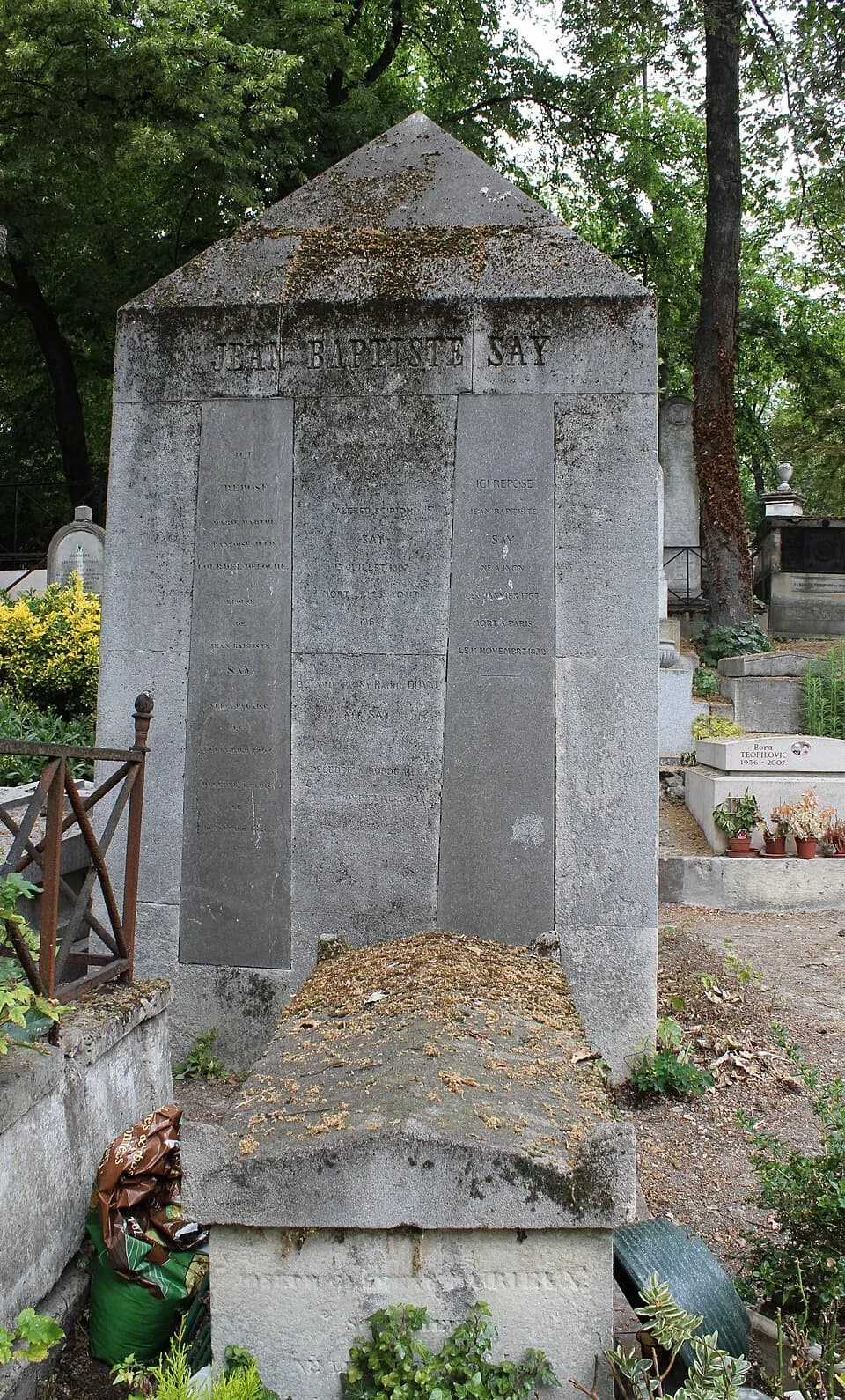
Jean-Baptiste Say's later years were marked by a continued dedication to his economic studies and public intellectual life, culminating in his passing on November 14, 1832. He died in what was then the 2nd arrondissement of Paris, France, a fitting location for a figure so deeply embedded in the intellectual and commercial heart of the nation. Up until his death, Say remained an active participant in economic discourse, refining his theories and advocating for policies he believed would best serve societal prosperity. His later contributions built upon his earlier foundational work, ensuring his economic principles evolved with changing times.
His intellectual presence continued to exert influence on burgeoning economic thought, as his ideas were debated, adopted, and expanded upon by contemporary scholars. The principles he championed regarding production, demand, and the role of the entrepreneur continued to be central themes in economic discussions. Say's commitment to educating the next generation of business leaders also persisted, ensuring that the legacy of institutions like ESCP Business School would thrive. His final years were a testament to a lifelong commitment to economic enlightenment and the practical betterment of society through sound economic understanding.
Kapitel 8· Kapitel 8 av 8
Legacy and Lasting Impact
The legacy of Jean-Baptiste Say extends far beyond his lifetime, cementing his position as a crucial figure in the history of economic thought. His popularization of Say's law fundamentally altered how economists understood the relationship between production and consumption, influencing major economic theories for centuries. This concept continues to be studied and debated, demonstrating its enduring relevance in contemporary discussions about market efficiency and economic crises. His ability to articulate complex economic ideas with clarity ensured their lasting impact on the field.
Say's pioneering efforts in defining and analyzing entrepreneurship provided a crucial framework for understanding economic dynamism and innovation. By conceptualizing entrepreneurs as central agents in organizing resources and driving economic progress, he laid the groundwork for future studies in business and innovation. This foundational work remains highly pertinent in today's economy, which increasingly values entrepreneurial spirit and innovation. His advocacy for free trade, competition, and minimal government intervention also positioned him as a leading voice for economic liberalism, principles that continue to inform policy debates worldwide.
Moreover, his involvement in establishing the first business school showcased a visionary understanding of the need for specialized education in commerce and industry. This commitment to practical business training has had a ripple effect, shaping business education globally and preparing countless individuals to lead in the commercial world. Jean-Baptiste Say's intellectual contributions and practical engagements collectively illustrate a lifetime dedicated to advancing economic understanding and fostering an environment conducive to prosperity and progress. His ideas resonate across disciplines, underscoring his lasting influence on how we perceive markets, business, and economic growth.
Ett liv i ögonblick
Stunderna som formade ett liv
Vanliga frågor
Vanliga frågor
När dog Jean-Baptiste Say?
Jean-Baptiste Say dog den 14 november 1832 i former 2nd arrondissement of Paris, France, 65 år gammal.
Var föddes Jean-Baptiste Say?
Jean-Baptiste Say föddes i Lyon, France den 5 januari 1767.
Vad är Jean-Baptiste Say mest känd för?
Jean-Baptiste Say är mest känd för French economist and businessman.
Hur gammal var Jean-Baptiste Say när hen dog?
Jean-Baptiste Say var 65 år gammal vid dödsögonblicket.
Vilken nationalitet hade Jean-Baptiste Say?
Jean-Baptiste Say kom från France.
Tidslinje
Livet i översikt
Fotogalleri
Ett liv i bilder
Klicka på en polaroid för att förstora · 42 foton
QR-kod
Dela denna biografi
Skriv ut och dela
Skanna för att besöka denna biografisida. Skriv ut till evenemang, utställningar eller utbildningsmaterial.