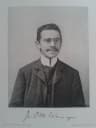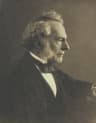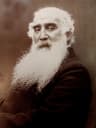
Född
April 28, 1820
Derby, United Kingdom
Avliden
December 8, 1903
Brighton, United Kingdom
Känd för
English philosopher and political theorist
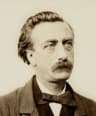
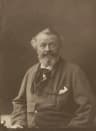
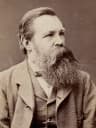
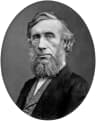
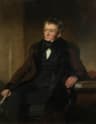
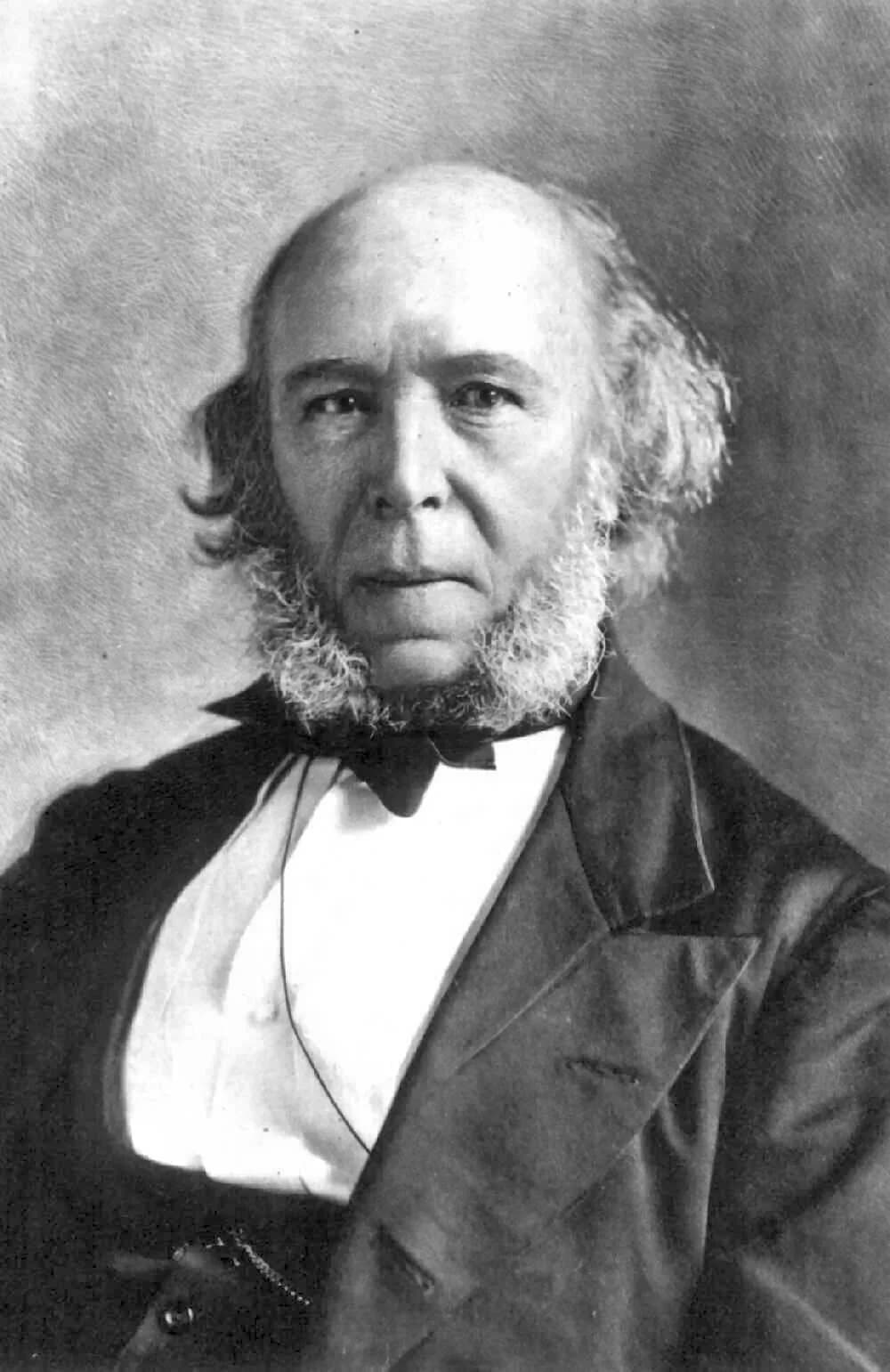
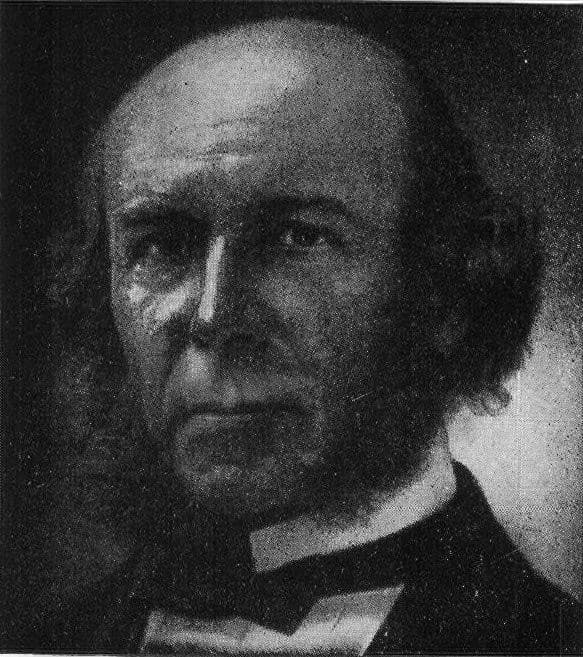
Herbert Spencer (1820–1903) was United Kingdom best known for English philosopher and political theorist.
Herbert Spencer (April 28, 1820 – December 8, 1903) was an English philosopher and political theorist from the United Kingdom. He originated the phrase "survival of the fittest," applying evolutionary thought to sociology and ethics. His broad polymathic work shaped discourse across multiple disciplines.
Kapitel
Livets kapitel
Kapitel 1 · 1820· Kapitel 1 av 6
Early Life and Origins
Herbert Spencer began his journey in Derby, United Kingdom, where he was born on April 28, 1820. His early environment in this English town likely shaped his analytical mind and his future intellectual pursuits. Details of his specific upbringing and formal education are not extensively documented, yet his later work showcased a broad and self-directed acquisition of knowledge.
Kapitel 2· Kapitel 2 av 6
Career Beginnings
Spencer's career path was marked by a diverse range of professions, highlighting his expansive intellectual curiosity from an early age. He was active as an author, economist, psychologist, and journalist before delving deeper into philosophical and scientific inquiry. These varied experiences provided a rich foundation for his later, more synthetic philosophical system.
Kapitel 3 · 1864· Kapitel 3 av 6
Major Achievements and Career Highlights
One of Herbert Spencer's most enduring contributions was coining the expression "survival of the fittest," which he first used in his 1864 work, Principles of Biology. This phrase emerged after his engagement with Charles Darwin's seminal 1859 book, On the Origin of Species. While the term strongly suggests natural selection, Spencer's understanding of evolution extended beyond biology into the realms of sociology and ethics, reflecting his unique perspective.
Spencer also distinguished himself as an English polymath, actively engaging as a philosopher, psychologist, biologist, sociologist, and anthropologist. His ability to synthesize ideas from such disparate fields allowed him to develop a comprehensive system of thought. His support for Lamarckism, alongside his Darwinian-inspired evolutionary views, further illustrates the complexity of his scientific and philosophical positions.
Kapitel 4· Kapitel 4 av 6
Notable Works or Contributions
Herbert Spencer's extensive bibliography reflects the breadth of his intellectual output and his systematic approach to philosophy. His foundational work, First Principles, laid out the framework for his synthetic philosophy, attempting to unify all branches of knowledge. This publication was central to his ambition to create a coherent system explaining the universe.
Among his significant contributions were works exploring social and ethical dimensions. Social statics delved into political theory, while The data of ethics and The principles of ethics articulated his moral philosophy. These writings showcased his effort to apply scientific and evolutionary principles to human society and behavior.
Other notable works include Political institutions, which further explored governmental structures and societal organization. He also authored Le rôle moral de la bienfaisance, indicating his interest in the moral aspects of benevolence. Compilations like Aphorisms from the Writings of Herbert Spencer and his broader System of Synthetic Philosophy - First, along with Philosophy of style, provided insight into his diverse intellectual concerns and his approach to communication.
Kapitel 5 · 1903· Kapitel 5 av 6
Later Years
Herbert Spencer continued his intellectual work throughout his later years, contributing to the ongoing philosophical and scientific debates of his time. His dedication to developing and refining his synthetic philosophy remained consistent. He passed away on December 8, 1903, in Brighton, United Kingdom, leaving behind a substantial body of work that continued to be studied and debated.
Kapitel 6· Kapitel 6 av 6
Legacy and Impact
Herbert Spencer's legacy is most strongly associated with his coinage of "survival of the fittest," a phrase that became shorthand for evolutionary processes, even though his interpretation differed subtly from Darwin's. His application of evolutionary theory to sociology and ethics significantly influenced the development of these nascent fields. He shaped how thinkers considered social progress and the organization of human societies.
As an English polymath, Spencer's work spanned an impressive array of disciplines, demonstrating a singular vision to connect scientific principles with social and moral philosophy. His writings fostered discussions about individual liberty, social evolution, and the role of government, leaving a lasting mark on 19th and early 20th-century intellectual thought. His ideas continue to prompt examination and discussion among scholars across various fields.
Ett liv i ögonblick
Stunderna som formade ett liv
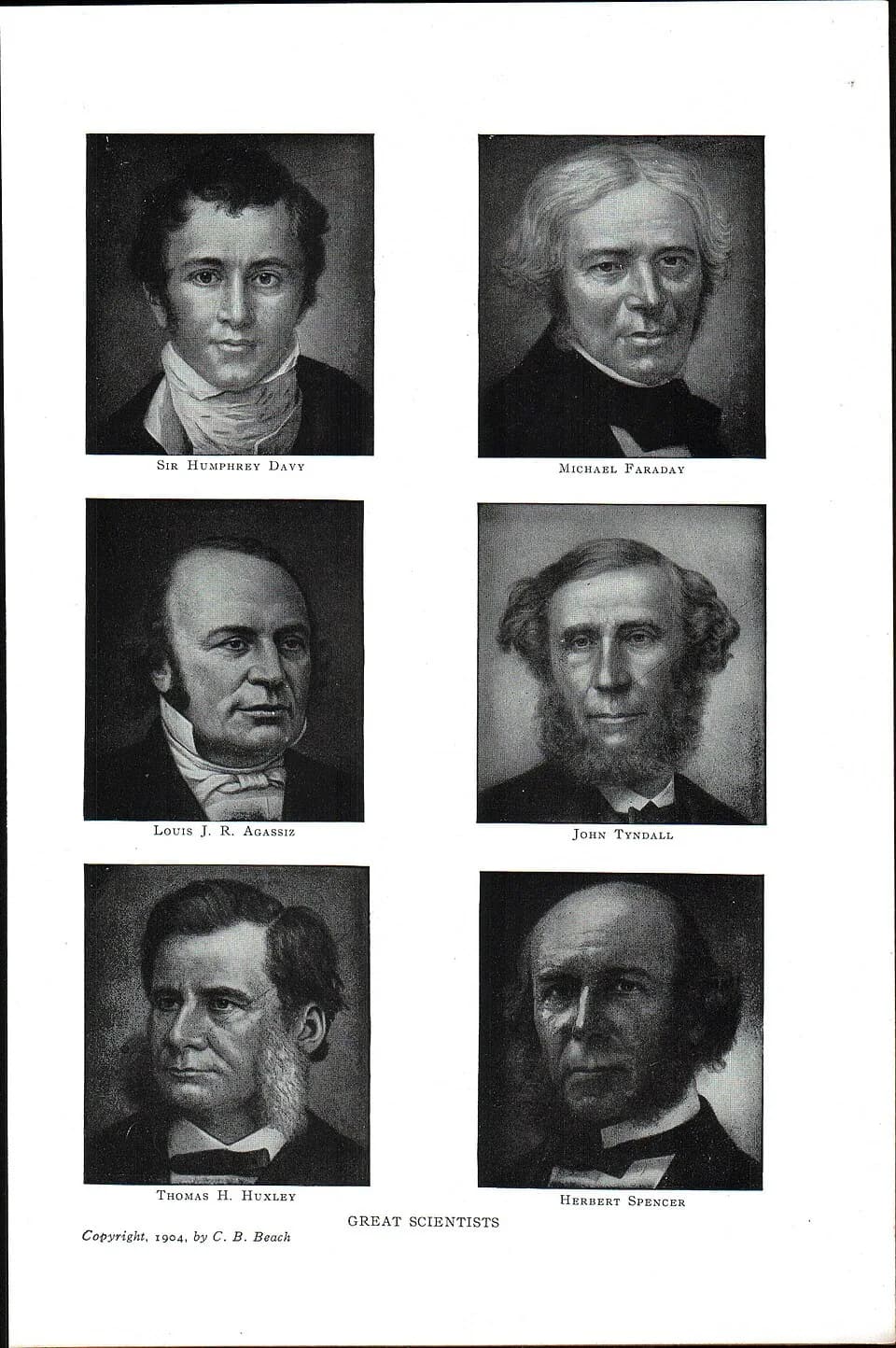
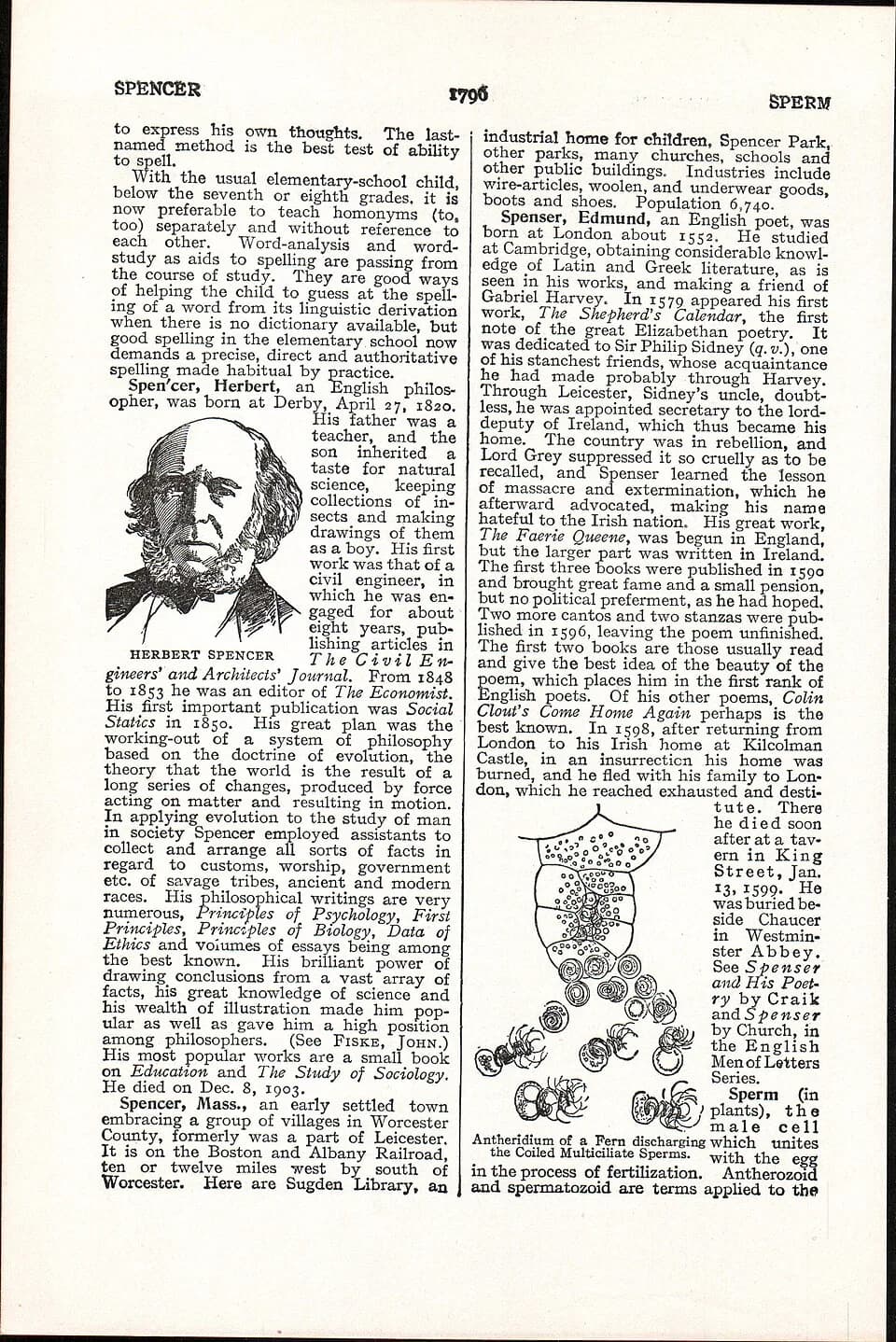
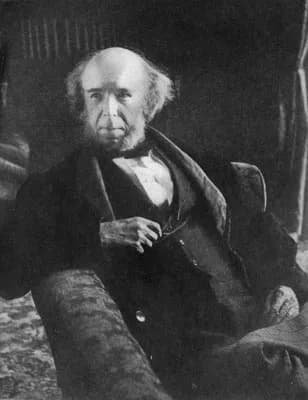
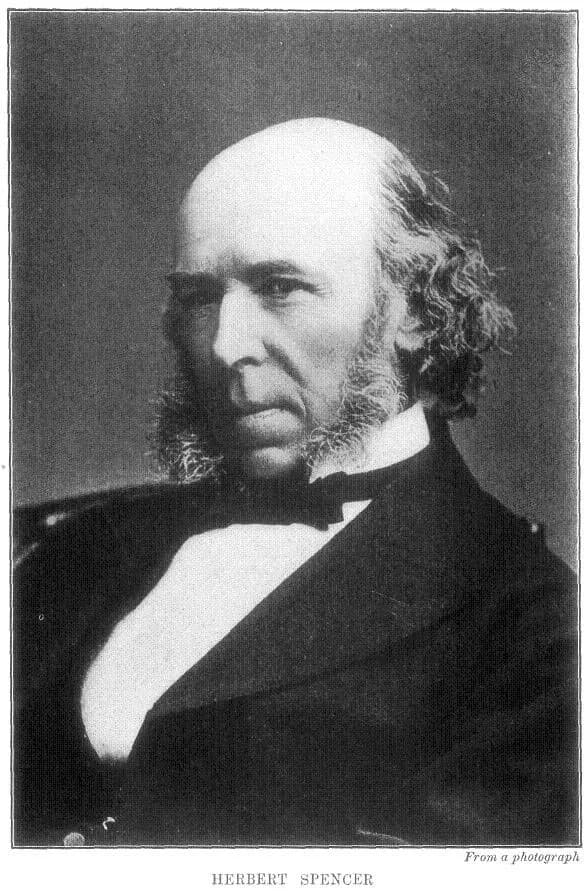
Vanliga frågor
Vanliga frågor
När dog Herbert Spencer?
Herbert Spencer dog den 8 december 1903 i Brighton, United Kingdom, 83 år gammal.
Var föddes Herbert Spencer?
Herbert Spencer föddes i Derby, United Kingdom den 28 april 1820.
Vad är Herbert Spencer mest känd för?
Herbert Spencer är mest känd för English philosopher and political theorist.
Hur gammal var Herbert Spencer när hen dog?
Herbert Spencer var 83 år gammal vid dödsögonblicket.
Vilken nationalitet hade Herbert Spencer?
Herbert Spencer kom från United Kingdom.
Tidslinje
Livet i översikt
Fotogalleri
Ett liv i bilder
Klicka på en polaroid för att förstora · 24 foton
QR-kod
Dela denna biografi
Skriv ut och dela
Skanna för att besöka denna biografisida. Skriv ut till evenemang, utställningar eller utbildningsmaterial.