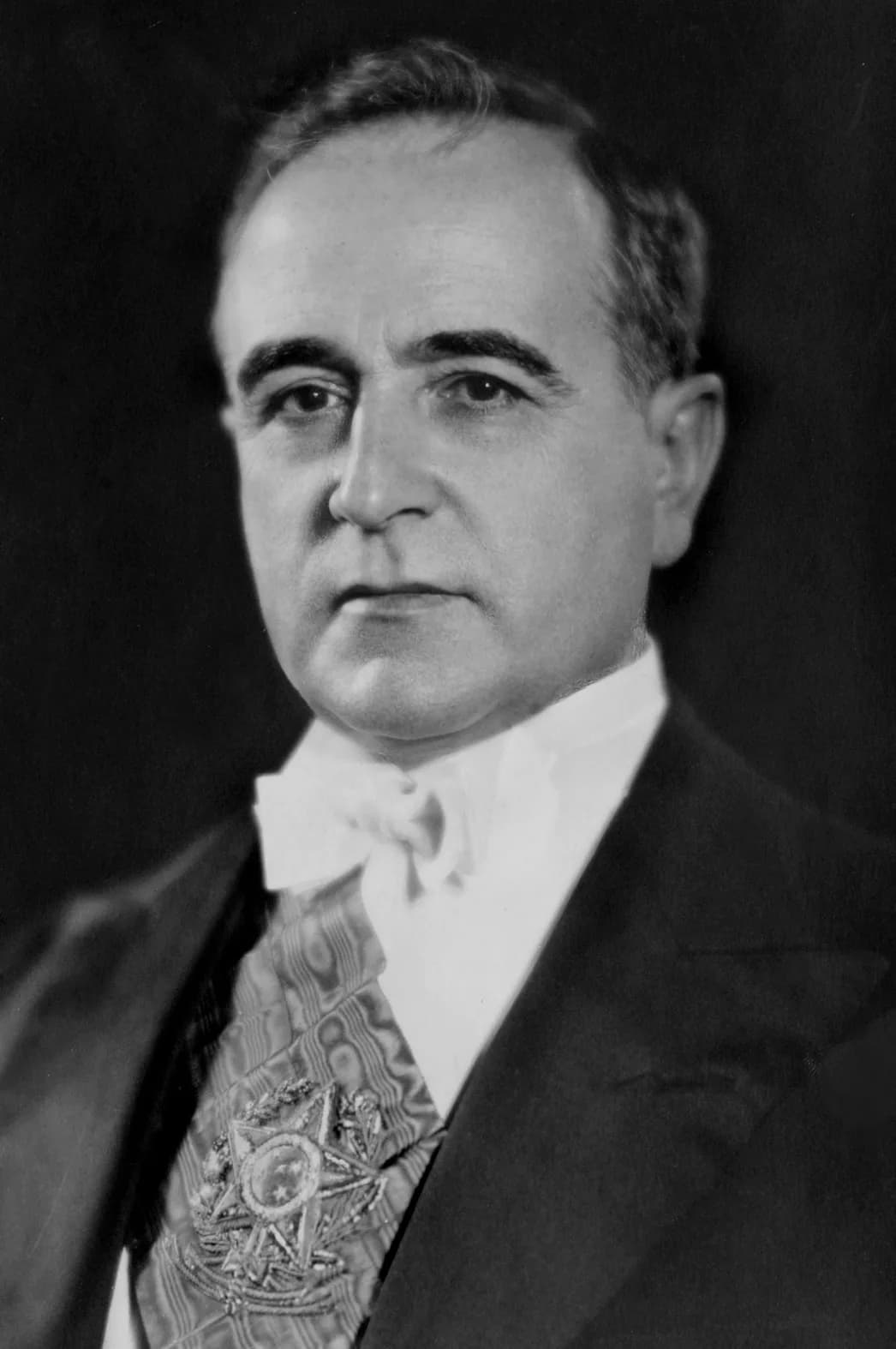
Född
April 19, 1882
São Borja, Brazil
Avliden
August 24, 1954
Catete Palace, Brazil
Känd för
President of Brazil (1930–1945; 1951–1954)
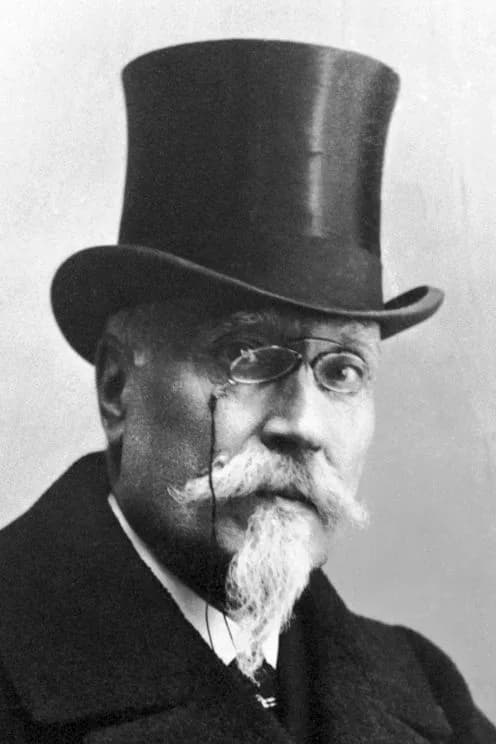
Getúlio Vargas (1882–1954) was Brazil best known for President of Brazil (1930–1945; 1951–1954).
Getúlio Dornelles Vargas (1882-1954) was a Brazilian lawyer and politician who served as president from 1930-1945 and 1951-1954. He transformed Brazil from an agricultural nation into a modern, industrialized state through sweeping political and social reforms. Historians consider him the most influential Brazilian politician of the 20th century.
Ett liv i ögonblick
Stunderna som formade ett liv
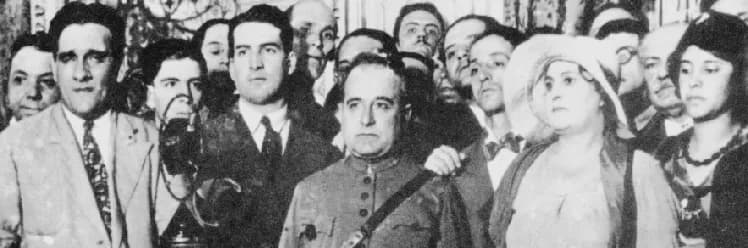
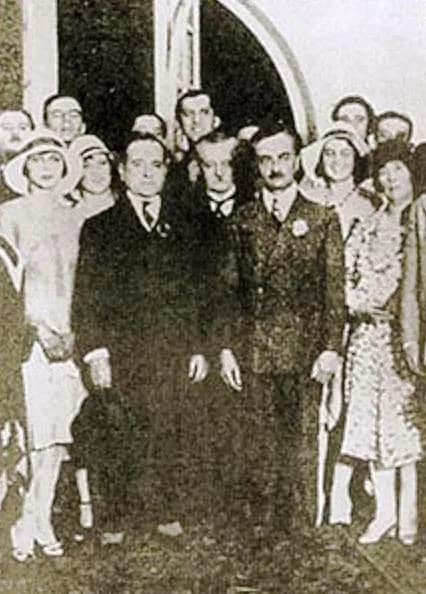
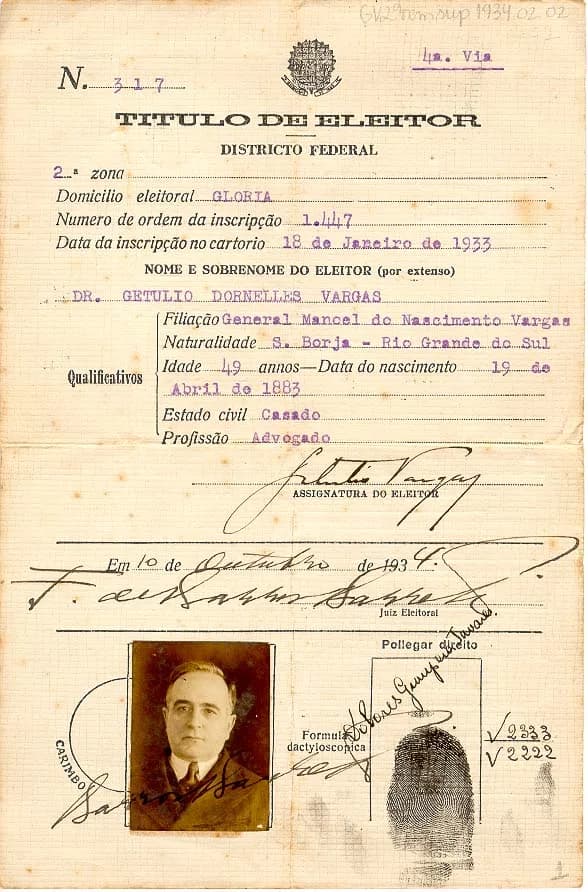
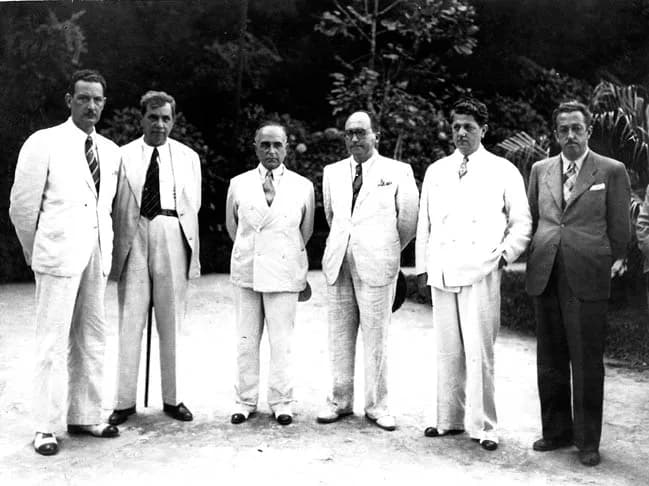
Kapitel
Livets kapitel
Kapitel 1 · 1882· Kapitel 1 av 6
Early Life and Origins
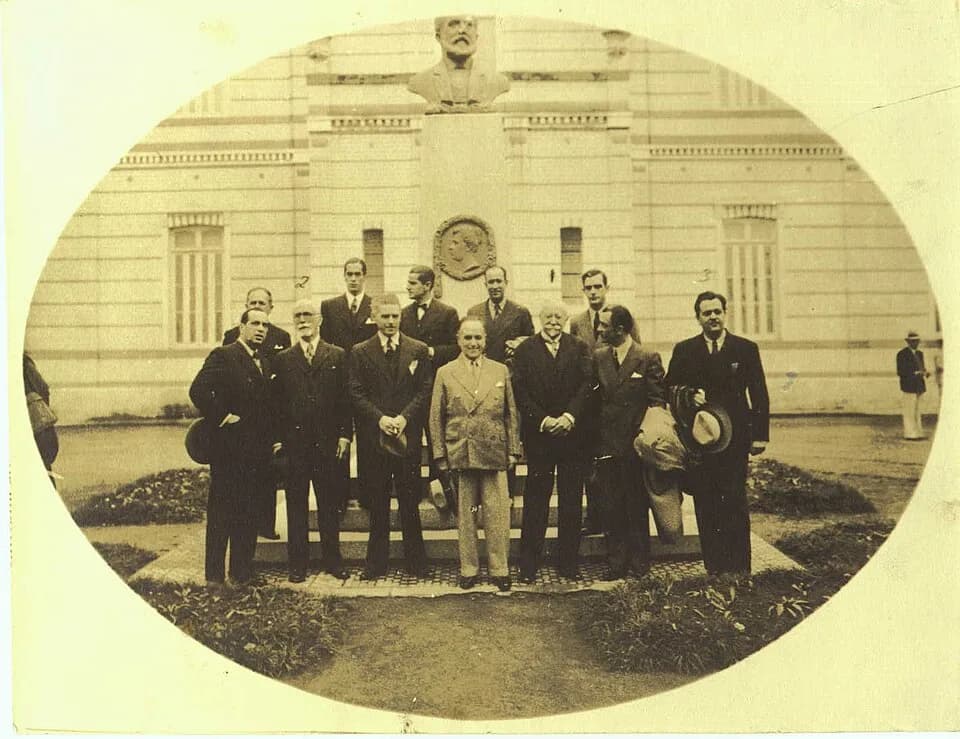
Getúlio Vargas was born on April 19, 1882, in São Borja, a town in the southern Brazilian state of Rio Grande do Sul. Growing up in this border region gave him early exposure to the political and cultural complexities that would later inform his national leadership. His upbringing in Rio Grande do Sul, a state known for its strong regional identity and political activism, helped shape his understanding of Brazil's diverse regional interests.
Vargas pursued legal studies, following a path that many ambitious young Brazilians of his era took to enter public service. His education in law provided him with the intellectual foundation and professional credentials necessary for a political career. The legal training he received would prove essential in his later roles as both a constitutional president and as a leader who would significantly reshape Brazil's legal and institutional framework.
Kapitel 2· Kapitel 2 av 6
Career Beginnings
After completing his legal education, Vargas began his career as a lawyer before transitioning into politics. His early political involvement took place in his home state of Rio Grande do Sul, where he gained experience in regional politics. This local foundation provided him with crucial insights into Brazil's federal system and the challenges of governing a large, diverse nation.
Vargas's rise through Brazilian politics was marked by his ability to navigate complex political alliances and regional interests. His military background, combined with his legal training, gave him a unique perspective on both the administrative and strategic aspects of governance. These early experiences prepared him for the national leadership role he would eventually assume through the revolutionary movement that brought him to power in 1930.
Kapitel 3 · 1930· Kapitel 3 av 6
Major Achievements and Rise to National Leadership
Vargas's most significant achievement was leading the revolution of 1930 that brought him to the presidency and ended the Old Republic period in Brazilian history. This marked the beginning of his first presidential term, during which he would serve from 1930 to 1945. His initial rise to power came through political upheaval, but he would go on to serve in multiple capacities, sometimes as a democratic leader and at other times as a dictator.
During his first extended period in office, Vargas implemented sweeping changes to Brazilian society and government. He modernized the country's infrastructure, promoted industrialization, and established new labor laws that protected workers' rights. His administration created a more centralized federal government and reduced the power of regional oligarchies that had dominated Brazilian politics during the Old Republic.
After leaving office in 1945, Vargas successfully returned to power through democratic elections, serving his second presidential term from 1951 until his death in 1954. This return demonstrated his enduring popularity with the Brazilian people and his ability to adapt his political style to changing circumstances. His second presidency, though shorter, continued his focus on national development and social reform.
Kapitel 4· Kapitel 4 av 6
Leadership Style and Governance
Vargas's approach to leadership was characterized by his ability to govern under different political systems, earning him recognition as a leader who served as provisional, constitutional, dictatorial, and democratic president. This adaptability allowed him to maintain power through various political crises and changing circumstances. His governance style combined populist appeals with authoritarian control when he deemed it necessary.
As both a military officer and a civilian politician, Vargas understood the importance of balancing different power centers within Brazilian society. He worked to modernize the country while managing tensions between traditional elites and emerging social forces. His policies often focused on strengthening the federal government's role in promoting economic development and social welfare.
Kapitel 5 · 1951· Kapitel 5 av 6
Later Years and Final Term
Vargas's second presidency, beginning in 1951, occurred during a period of increased political tension and economic challenges. Despite these difficulties, he continued to champion policies aimed at Brazilian development and sovereignty. His final years in office were marked by growing opposition from various political factions and increasing pressure from both domestic and international sources.
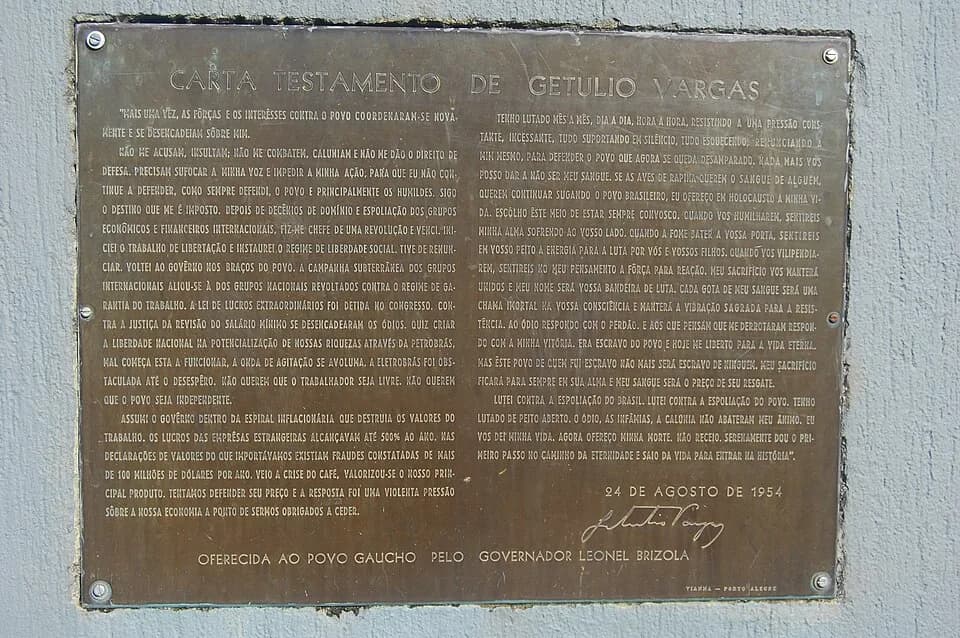
The end of Vargas's life and career came tragically on August 24, 1954, when he died by suicide at the Catete Palace in Rio de Janeiro. His death occurred during a severe political crisis that threatened to end his presidency. The dramatic circumstances of his death shocked the nation and cemented his place as one of Brazil's most controversial yet influential leaders.
Kapitel 6· Kapitel 6 av 6
Legacy and Historical Impact
Getúlio Vargas left an enduring mark on Brazilian politics, society, and institutions that extends far beyond his years in office. His influence on Brazil's political development, labor relations, and federal structure continued to shape the country long after his death. Modern Brazil's approach to federalism, worker protections, and state-led development can trace many elements back to policies and institutions established during the Vargas era.
Historians recognize Vargas as the most influential Brazilian politician of the 20th century because of his role in transforming the country from a largely agricultural, regionally divided nation into a more unified, industrialized modern state. His complex legacy includes both democratic innovations and authoritarian practices, reflecting the challenging political environment in which he operated. The institutions, policies, and political precedents established during his long tenure continued to influence Brazilian governance for decades after his death.
Vanliga frågor
Vanliga frågor
När dog Getúlio Vargas?
Getúlio Vargas dog den 24 augusti 1954 i Catete Palace, Brazil, 72 år gammal.
Var föddes Getúlio Vargas?
Getúlio Vargas föddes i São Borja, Brazil den 19 april 1882.
Vad är Getúlio Vargas mest känd för?
Getúlio Vargas är mest känd för President of Brazil (1930–1945; 1951–1954).
Hur gammal var Getúlio Vargas när hen dog?
Getúlio Vargas var 72 år gammal vid dödsögonblicket.
Vilken nationalitet hade Getúlio Vargas?
Getúlio Vargas kom från Brazil.
Tidslinje
Livet i översikt
Fotogalleri
Ett liv i bilder
Klicka på en polaroid för att förstora · 49 foton
QR-kod
Dela denna biografi
Skriv ut och dela
Skanna för att besöka denna biografisida. Skriv ut till evenemang, utställningar eller utbildningsmaterial.