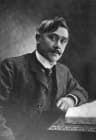
Född
August 22, 1862
Saint-Germain-en-Laye, France
Avliden
March 25, 1918
16th arrondissement of Paris, France
Känd för
French classical composer
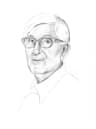
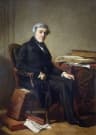
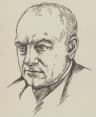
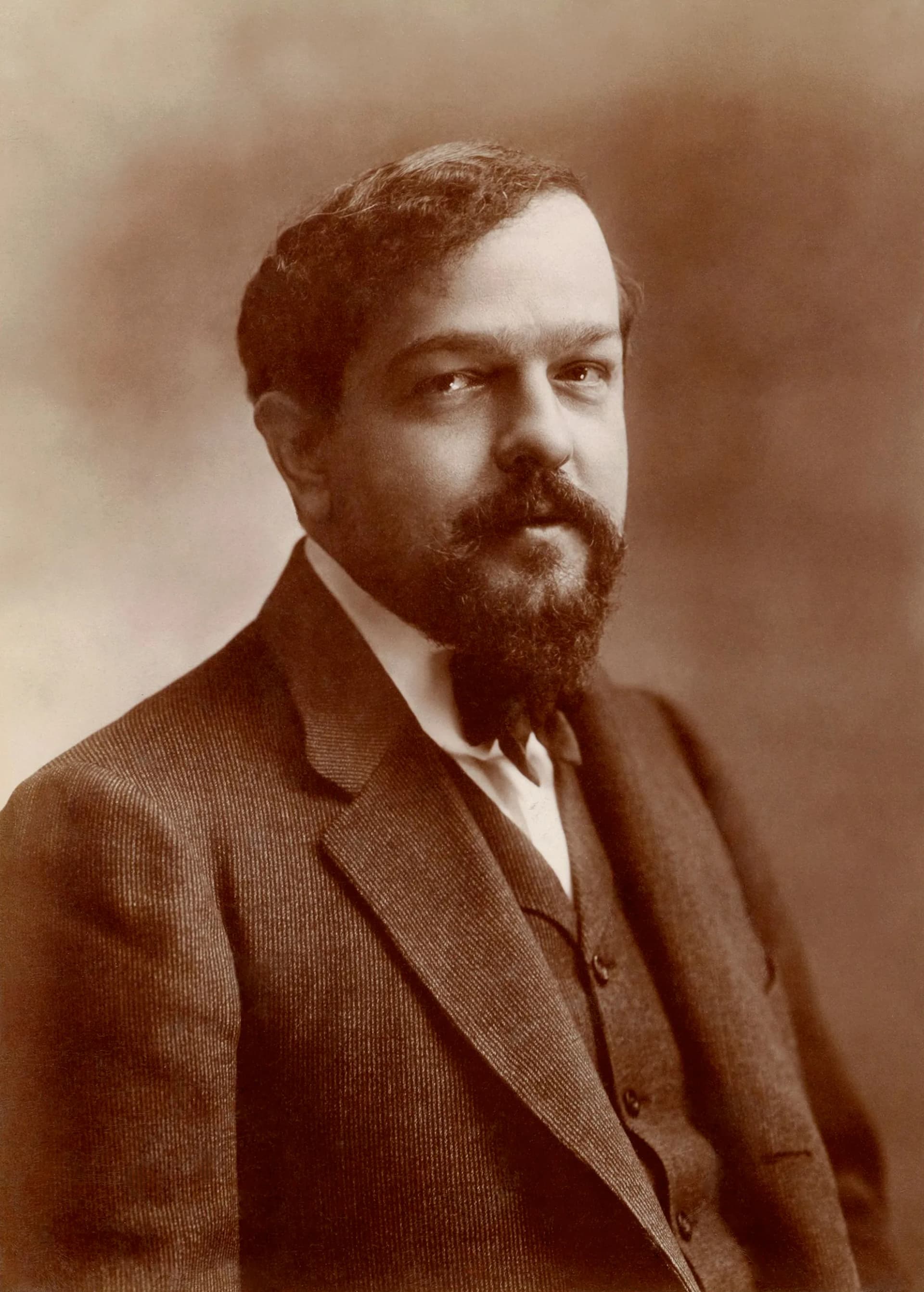
Claude Debussy (1862–1918) was France best known for French classical composer.
Claude Debussy (August 22, 1862 – March 25, 1918) was a French classical composer, pianist, and music critic. He was among the most influential composers of the late 19th and early 20th centuries. Often called the first Impressionist composer, his innovative music redefined classical expression.
Kapitel
Livets kapitel
Kapitel 1 · 1862· Kapitel 1 av 8
Opening
Achille Claude Debussy (August 22, 1862 – March 25, 1918) was a revered French composer, pianist, and insightful music critic whose work profoundly shaped the course of classical music. He is celebrated as one of the most influential figures of the late 19th and early 20th centuries, leaving an indelible mark on musical expression. Debussy's innovative approach to composition, characterized by unique harmonic explorations and atmospheric textures, challenged conventional boundaries and redefined the artistic possibilities of his time.
Kapitel 2 · 1862· Kapitel 2 av 8
Early Life and Origins
Achille Claude Debussy was born on August 22, 1862, in Saint-Germain-en-Laye, a picturesque town located in France. This historical birthplace provided the initial setting for a musical prodigy whose early experiences in France undoubtedly contributed to the development of his distinctive artistic voice. His formative years in Saint-Germain-en-Laye were the beginning of a life dedicated to the exploration and creation of soundscapes that would captivate audiences worldwide.
Kapitel 3· Kapitel 3 av 8
Career Beginnings
Debussy's professional journey encompassed multiple facets of musical artistry, establishing him as a versatile and accomplished figure. Beyond his primary role as a prolific composer, he was also recognized as a skilled pianist, frequently performing and interpreting a diverse repertoire. His engagement with music further extended to the realm of criticism, where his writings offered perceptive and often challenging commentary on contemporary musical developments.
Kapitel 4· Kapitel 4 av 8
Major Achievements and Career Highlights
Claude Debussy earned international acclaim as a leading French classical composer, becoming a foundational presence in the evolving musical landscape. His groundbreaking contributions positioned him among the most influential composers active during the late 19th and early 20th centuries. While often cited as the first Impressionist composer, a categorization he famously rejected, this association nevertheless highlights the evocative and atmospheric qualities that defined his unique musical style. His innovations were central to the shift in musical aesthetics during this dynamic period.
Kapitel 5· Kapitel 5 av 8
Personal Life
The available information primarily details Claude Debussy's remarkable professional trajectory and his extensive musical output. Specific details regarding his personal relationships, family life, or any non-musical interests are not included within the provided data. This memorial respectfully focuses on his public life and the significant contributions he made to the world of music, which remain his enduring legacy.
Kapitel 6 · 1954· Kapitel 6 av 8
Notable Works or Contributions
Debussy's expansive discography demonstrates his genius across various musical genres, encompassing classical, art song, ballet, impressionism, and orchestral compositions. His orchestral masterpiece, "La Mer / Iberia," released in 1954, stands as a testament to his ability to craft vivid, immersive soundscapes through complex orchestrations. This recording, alongside "Ravel: La valse, Boléro, Mother Goose Suite / Debussy: Nocturnes: Nuages, fêtes" from 1956, showcases his profound skill in creating atmospheric and emotionally resonant large-scale works, where individual instruments contribute to a rich, cohesive tapestry of sound.
Beyond his orchestral brilliance, Debussy made significant contributions to piano literature and vocal works. The 1953 recording "Douze etudes pour le piano" exemplifies his deep exploration of the instrument's technical and expressive capabilities, pushing the boundaries of piano composition. His work "La damoiselle élue," featured in a 1947 recording, demonstrates his sensitive approach to vocal and choral writing, capturing lyrical beauty. Additionally, the "Piano Concerto for the Left Hand," also appearing in the 1947 release alongside "La damoiselle élue," highlights his versatility and willingness to explore unconventional instrumental configurations.
Debussy's impact on chamber music is equally profound, with several recordings underscoring his innovative approach to smaller ensembles. The "Quartet in G minor, op. 10," notably paired with Ravel's quartet in a 1953 recording, is a cornerstone of the string quartet repertoire, showcasing his distinctive harmonic language. Further evidence of his chamber music prowess includes "Debussy: Sonata for Flute, Viola and Harp / Syrinx for Unaccompanied Flute" (1955), which reveals his exquisite sense of instrumental color and balance. The recordings "Quatuor en sol mineur, op. 10 / Sonate pour violoncelle et piano" (1955) and "Le quatuor à cordes / Sonate pour flûte, alto et harpe / Sonate pour violoncelle et piano" (1957) reiterate the enduring significance and beauty of his contributions to chamber music.
Kapitel 7 · 1918· Kapitel 7 av 8
Later Years
Claude Debussy’s illustrious life concluded on March 25, 1918, in the vibrant 16th arrondissement of Paris, France. His passing occurred during a period of immense global upheaval, coinciding with the final stages of World War I, yet his creative spirit remained undimmed until the end. Even amidst challenging times, his commitment to artistic innovation and the pursuit of new musical frontiers continued to influence his final compositions, solidifying his legacy.
Kapitel 8· Kapitel 8 av 8
Legacy and Impact
Despite his personal reservations about the "Impressionist" label, Claude Debussy's compositions are inextricably linked to the movement's evocative aesthetic, a connection that endures in musical discourse. His revolutionary approach to harmony, rhythm, and orchestral color broke away from established Romantic traditions, opening new avenues for musical expression in the 20th century. Debussy's ability to create shimmering, often elusive sound worlds, and his sensitive treatment of instrumental textures, continue to inspire and resonate deeply with composers, performers, and audiences worldwide, confirming his lasting status as a visionary.
Ett liv i ögonblick
Stunderna som formade ett liv
Vanliga frågor
Vanliga frågor
När dog Claude Debussy?
Claude Debussy dog den 25 mars 1918 i 16th arrondissement of Paris, France, 55 år gammal.
Var föddes Claude Debussy?
Claude Debussy föddes i Saint-Germain-en-Laye, France den 22 augusti 1862.
Vad är Claude Debussy mest känd för?
Claude Debussy är mest känd för French classical composer.
Hur gammal var Claude Debussy när hen dog?
Claude Debussy var 55 år gammal vid dödsögonblicket.
Vilken nationalitet hade Claude Debussy?
Claude Debussy kom från France.
Tidslinje
Livet i översikt
Fotogalleri
Ett liv i bilder
Klicka på en polaroid för att förstora · 49 foton
QR-kod
Dela denna biografi
Skriv ut och dela
Skanna för att besöka denna biografisida. Skriv ut till evenemang, utställningar eller utbildningsmaterial.