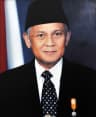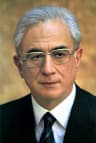
Född
July 26, 1938
Miraflores, Peru
Avliden
September 11, 2024
Lima, Peru
Känd för
President of Peru from 1990 to 2000
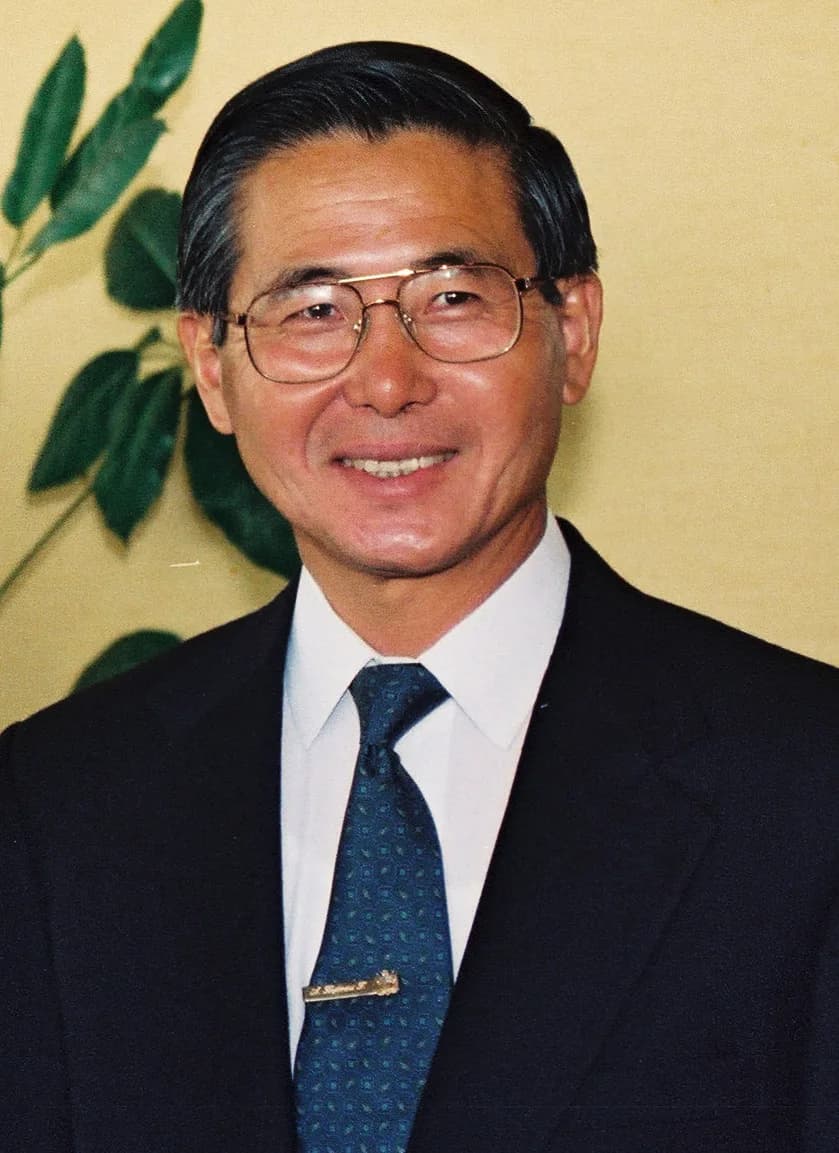
Alberto Fujimori (1938–2024) was Peru best known for President of Peru from 1990 to 2000.
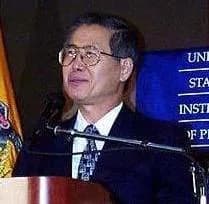
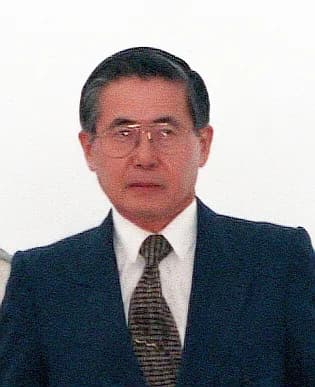
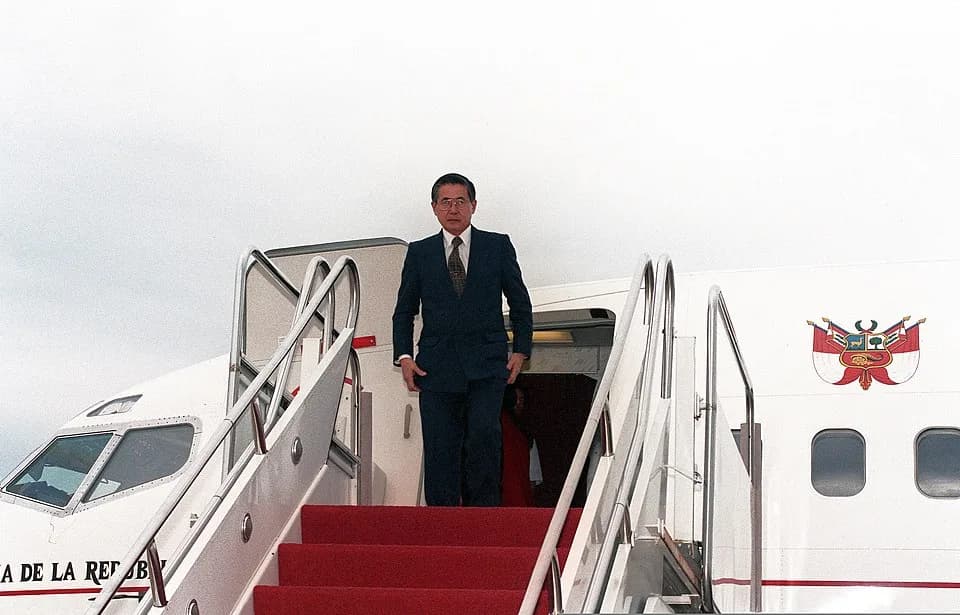
Alberto Kenya Fujimori Inomoto (1938-2024) was a Peruvian politician, agricultural engineer, and university teacher who served as President of Peru from 1990 to 2000. His presidency was marked by significant economic reforms and the defeat of the Shining Path guerrilla movement, though it also involved controversial authoritarian measures. His political ideology of Fujimorism continues to influence Peruvian politics today.
Kapitel
Livets kapitel
Kapitel 1 · 1938· Kapitel 1 av 7
Early Life and Origins
Alberto Kenya Fujimori Inomoto was born in the affluent district of Miraflores, Lima, on July 26, 1938. His full name reflected his Japanese heritage, with "Kenya" honoring his ancestral roots. Growing up in Peru during a time when the Japanese-Peruvian community faced various social challenges, Fujimori's early experiences would later influence his understanding of minority perspectives within Peruvian society.
His educational journey led him to pursue agricultural engineering, a field that would provide him with technical expertise and analytical thinking skills. This academic background in engineering would later inform his systematic approach to governance and policy implementation. His early exposure to both Japanese cultural values and Peruvian society created a unique worldview that would characterize his later political philosophy.
Kapitel 2· Kapitel 2 av 7
Career Beginnings
Before entering politics, Fujimori established himself as a university teacher and agricultural engineer. His academic career provided him with a platform to develop his communication skills and understanding of Peruvian social issues. During this period, he also worked as a television presenter, which helped him master the art of public communication and media relations.
His diverse professional background as a writer, educator, and media personality gave him unique insights into Peruvian society from multiple perspectives. These early career experiences in education and media would prove invaluable when he later entered the political arena. His ability to connect with audiences through television and academic settings demonstrated his natural aptitude for leadership and public engagement.
Kapitel 3 · 1990· Kapitel 3 av 7
Presidential Years and Political Philosophy
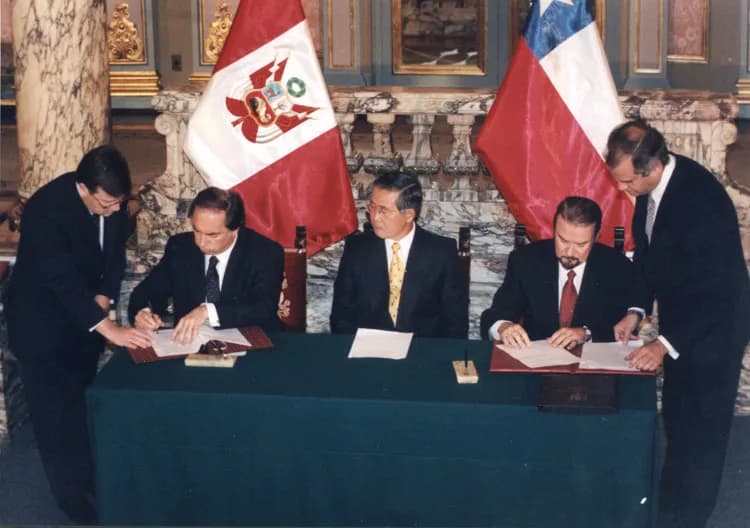
Fujimori's presidency from 1990 to 2000 was defined by his implementation of Fujimorism, a political ideology that combined neoliberal economic policies with social conservatism. His administration promoted free market reforms that fundamentally restructured Peru's economy. During his tenure, he worked closely with Vladimiro Montesinos, the head of the National Intelligence Service (SIN), to consolidate governmental power.
His presidency coincided with Peru's struggle against the far-left guerrilla group Shining Path. The Peruvian Armed Forces, under his administration, responded to this threat with significant force, ultimately halting the group's operations. However, this period was also marked by controversy, as his governance style became increasingly authoritarian, involving extensive use of propaganda and centralized control.
The Fujimori administration implemented severe measures to maintain order and eliminate political opposition. His presidency was characterized by significant human rights concerns, including multiple cases of extrajudicial killings and various human rights violations. Political corruption became entrenched during this period, raising questions about governmental accountability and democratic institutions.
Kapitel 4 · 2018· Kapitel 4 av 7
Academic Contributions and Scholarly Work
Beyond his political career, Fujimori maintained an academic presence with 18 published papers and an h-index of 5. His most cited academic work, "Populist Constitutions," published in 2018, received 31 citations and reflected his deep understanding of constitutional law and populist governance structures. His 2007 paper "Disrupting Corruption" garnered 7 citations and demonstrated his scholarly engagement with anti-corruption strategies.
His academic portfolio also included "Free Choice or Poverty Alleviation? Population Politics in Peru," which examined demographic policies during his administration. Other scholarly works included "Feminism and Fertility: Discourse and Policy Disconnect in Fujimori's Family Planning Program" (2015) and "The Process from Dictatorship Towards Democracy" (2013), which provided academic perspectives on his governmental transition experiences.
Kapitel 5· Kapitel 5 av 7
Written Works and Publications
Fujimori authored several books that documented his political philosophy and presidential experiences. "Alberto Fujimori, Presidente del Perú" provided his personal account of his presidency and the challenges he faced during his time in office. "La Universidad en el futuro" reflected his ongoing commitment to educational reform and his vision for higher education in Peru.
His presidential addresses were compiled in "Mensaje del Ing. Alberto Fujimori Fujimori, Presidente Constitucional del Peru, al Congreso de la República, 28 de Julio de 1990," which captured his inaugural congressional address. "El peso de la verdad" offered his perspective on the controversial aspects of his presidency and his responses to various criticisms leveled against his administration.
Kapitel 6 · 2000· Kapitel 6 av 7
Later Years and Final Period
After leaving the presidency in 2000, Fujimori's later years were marked by legal proceedings and international attention regarding his presidential actions. Despite the controversies surrounding his administration, he remained an influential figure in Peruvian politics, with his political movement continuing to play a significant role in the country's electoral landscape.
His family, particularly his daughter Keiko Fujimori, continued his political legacy by maintaining active roles in Peruvian politics. The Fujimorism ideology he developed continued to influence political discourse in Peru long after his departure from office. His final years were spent in Lima, where he passed away on September 11, 2024, at the age of 86.
Kapitel 7· Kapitel 7 av 7
Legacy and Lasting Impact
Fujimori's legacy remains one of the most debated topics in contemporary Peruvian history. His economic reforms transformed Peru's market structure and established foundations for future economic development. The neoliberal policies he implemented created lasting changes in Peru's economic framework and international trade relationships.
His approach to combating terrorism, particularly against the Shining Path, demonstrated both the effectiveness and the costs of decisive governmental action. While his methods successfully neutralized a significant security threat, they also raised enduring questions about the balance between security and human rights. The political movement he founded, Fujimorism, continues to influence Peruvian politics, with his family members and political allies maintaining active roles in the country's democratic processes.
His contributions to academic discourse on governance, corruption, and democratic transitions provide scholarly resources for understanding Latin American political developments. His presidency serves as a case study in the complexities of governing during crisis periods and the long-term consequences of authoritarian governance methods.
Ett liv i ögonblick
Stunderna som formade ett liv

Vanliga frågor
Vanliga frågor
När dog Alberto Fujimori?
Alberto Fujimori dog den 11 september 2024 i Lima, Peru, 86 år gammal.
Var föddes Alberto Fujimori?
Alberto Fujimori föddes i Miraflores, Peru den 26 juli 1938.
Vad är Alberto Fujimori mest känd för?
Alberto Fujimori är mest känd för President of Peru from 1990 to 2000.
Hur gammal var Alberto Fujimori när hen dog?
Alberto Fujimori var 86 år gammal vid dödsögonblicket.
Vilken nationalitet hade Alberto Fujimori?
Alberto Fujimori kom från Peru.
Tidslinje
Livet i översikt
Fotogalleri
Ett liv i bilder
Klicka på en polaroid för att förstora · 46 foton
QR-kod
Dela denna biografi
Skriv ut och dela
Skanna för att besöka denna biografisida. Skriv ut till evenemang, utställningar eller utbildningsmaterial.