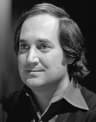
Lindur
March 1, 1939
Sofia, Bulgaria
Vdekur
February 7, 2017
13th arrondissement of Paris, France
I njohur për
Bulgarian historian, philosopher, structuralist literary critic, sociologist and essayist
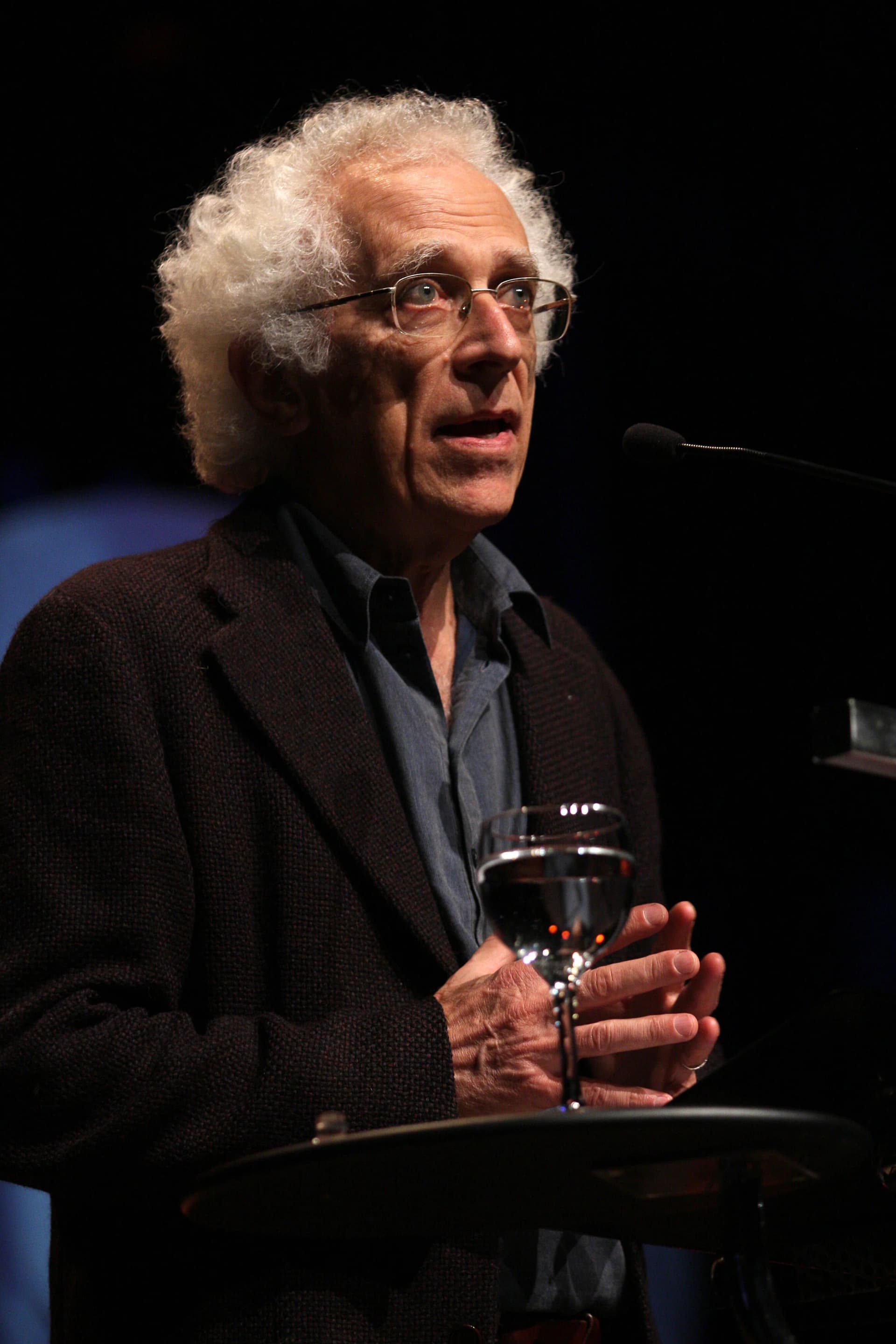
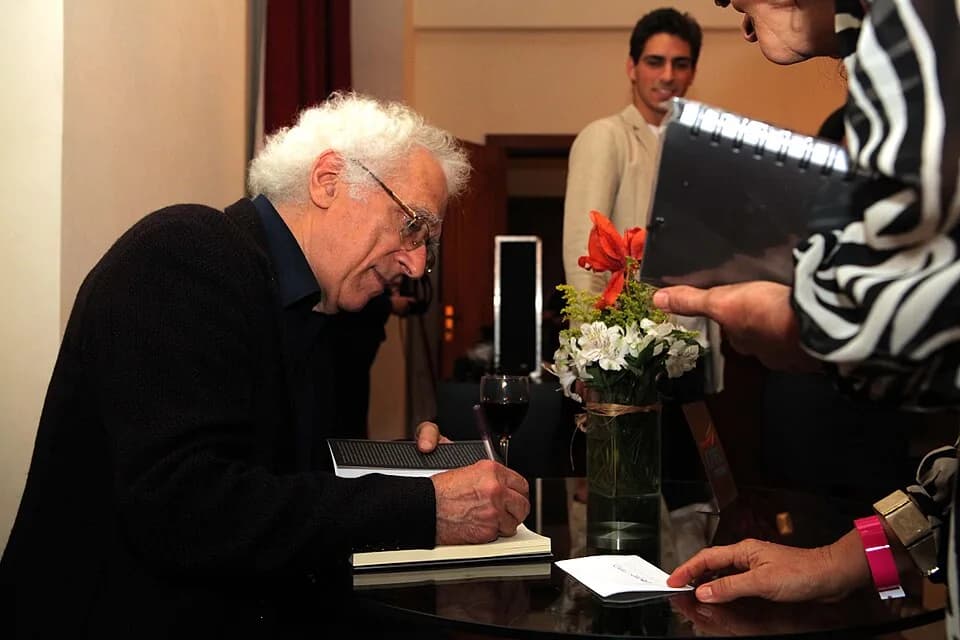
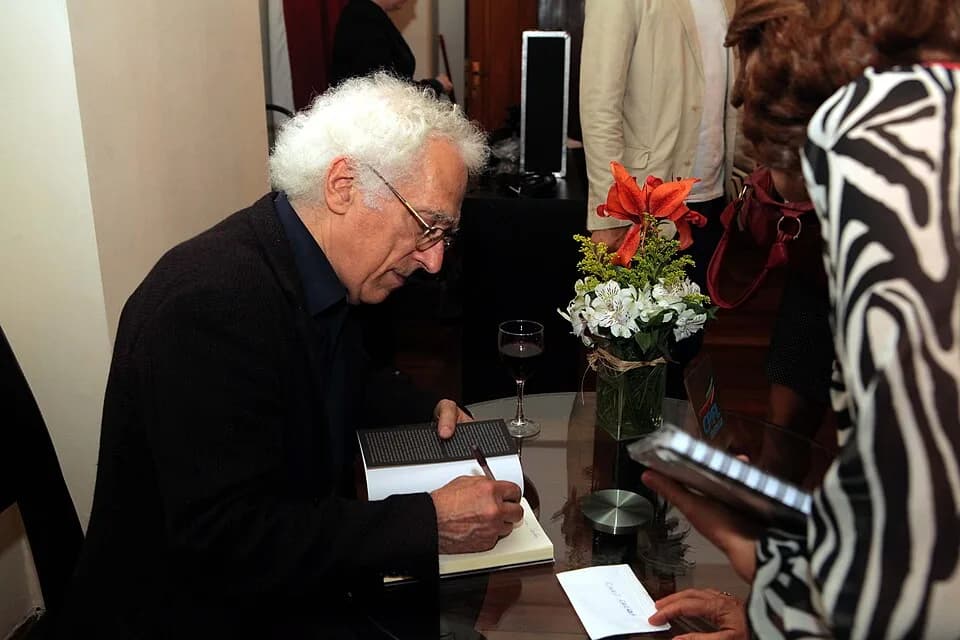
Tzvetan Todorov (1939–2017) was Bulgaria best known for Bulgarian historian, philosopher, structuralist literary critic, sociologist and essayist.
Tzvetan Todorov (March 1, 1939 – February 7, 2017) was a Bulgarian-French historian, philosopher, and literary critic. He authored numerous influential books and essays across anthropology, sociology, and literary theory. His work continues to shape intellectual discourse.
Kapitulli
Kapitujt e jetës
Kapitulli 1 · 1939· Kapitulli 1 nga 7
Early Life and Origins
Tzvetan Todorov was born on March 1, 1939, in Sofia, Bulgaria, a city that formed the backdrop of his early life. His upbringing in Bulgaria laid a foundational layer for his intellectual development and later studies. He eventually emigrated to France, becoming a Bulgarian-French thinker who skillfully navigated and enriched both cultural and academic traditions. This unique bicultural background provided him with a distinctive analytical lens that greatly influenced his later scholarly work.
Kapitulli 2· Kapitulli 2 nga 7
Career Beginnings
Tzvetan Todorov's professional journey was marked by a wide array of intellectual interests from the outset. He began exploring history, philosophy, and literary criticism, disciplines that would remain central to his entire career. His early academic work likely focused on developing the structuralist approach that would become a hallmark of his literary analysis. This broad intellectual curiosity allowed him to bridge different academic fields, setting the stage for his interdisciplinary contributions.
Kapitulli 3· Kapitulli 3 nga 7
Major Achievements and Career Highlights
Throughout his extensive career, Tzvetan Todorov garnered significant recognition for his profound scholarly output and original thought. He authored a great many influential books and essays, making a substantial mark on anthropology, sociology, semiotics, and literary theory. His insightful work also extended into intellectual history and culture theory, cementing his status as a truly interdisciplinary scholar.
His excellence in essay writing was acknowledged with the prestigious Prix européen de l'essai "Charles Veillon" in 1998, a testament to his literary skill and intellectual rigor. Academically, he maintained an h-index of 17 across 50 published papers, demonstrating his consistent contribution to scholarly discourse. Among his notable academic works, "El miedo a los bárbaros" from 2008 received 32 citations, underscoring its relevance and scholarly engagement.
Kapitulli 4· Kapitulli 4 nga 7
Personal Life
While Tzvetan Todorov's public life was richly filled with his academic pursuits and literary contributions, specific details regarding his personal and family life are not extensively documented in the available information. His intellectual output and public engagements were the primary focus of his public persona, reflecting a dedication to his scholarly mission.
Kapitulli 5· Kapitulli 5 nga 7
Notable Works or Contributions
Tzvetan Todorov's bibliography is extensive, featuring numerous thought-provoking titles that have been translated and read globally. His celebrated books include "La bellezza salverà il mondo," "Na predela," and "Du bon usage de la mémoire." He also contributed works such as "Zhivot s drugite" and "L'Enseignement de la littérature," which are widely studied.
Beyond these, his writings encompassed titles like "極限に面して," "象徴の理論," and "Văn chương lâm nguy /Tzvetan Todorov; Trần Huyền Sâm và Đan Thanh dịch, Trần Thiện Đạo hiệu đính." These diverse publications collectively showcase his deep engagement with literature, philosophy, and pressing societal issues. His essays, including "El miedo a los bárbaros" and "El eterno retorno de la "hybris" (2013), consistently demonstrated his rigorous analytical approach and intellectual courage.
Kapitulli 6 · 2017· Kapitulli 6 nga 7
Later Years
Tzvetan Todorov remained an active and influential intellectual force throughout his later years, consistently engaging with contemporary issues through his writing. He continued to publish and contribute to scholarly debates until his passing. He died on February 7, 2017, in the 13th arrondissement of Paris, France, leaving behind a profound body of work.
Kapitulli 7· Kapitulli 7 nga 7
Legacy and Impact
Tzvetan Todorov's legacy is characterized by his enduring influence on a broad spectrum of humanistic studies. His structuralist literary criticism fundamentally reshaped how texts and narratives are interpreted, offering new frameworks for analysis. Through his sociological and philosophical inquiries, he significantly broadened the scope of cultural analysis, connecting literature to larger societal concerns.
He expertly demonstrated how intellectual history could illuminate and inform contemporary ethical and political challenges, advocating for a critical examination of memory, identity, and otherness. His rigorous approach and dedication to understanding the complexities of human experience continue to inspire new generations of scholars. Todorov's work remains essential for anyone exploring the intersections of language, culture, and ethics, securing his place as a seminal thinker of his era.
Një jetë në momente
Momentet që formësuan një jetë
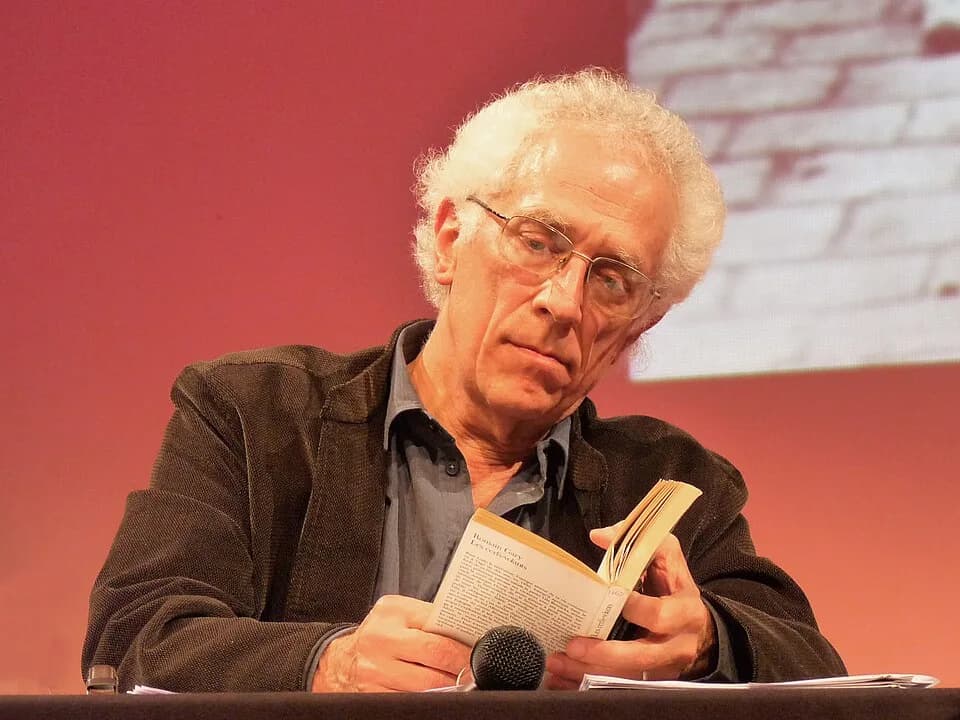
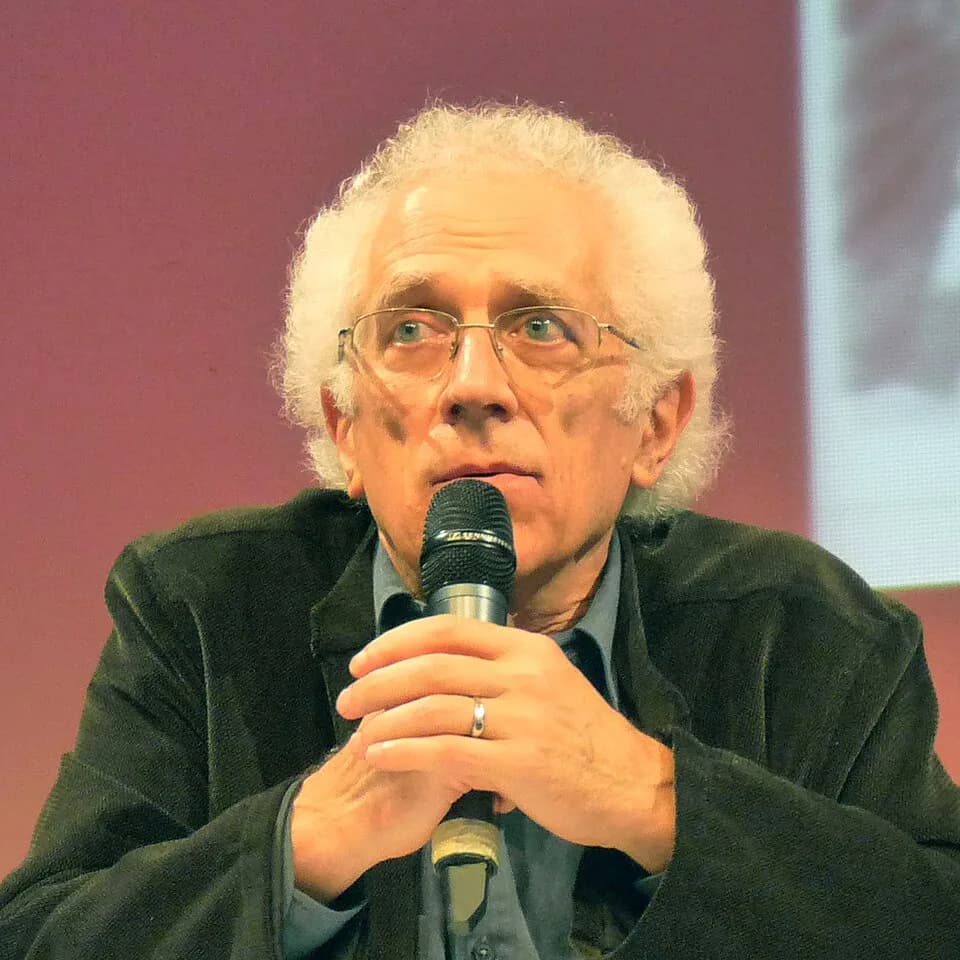
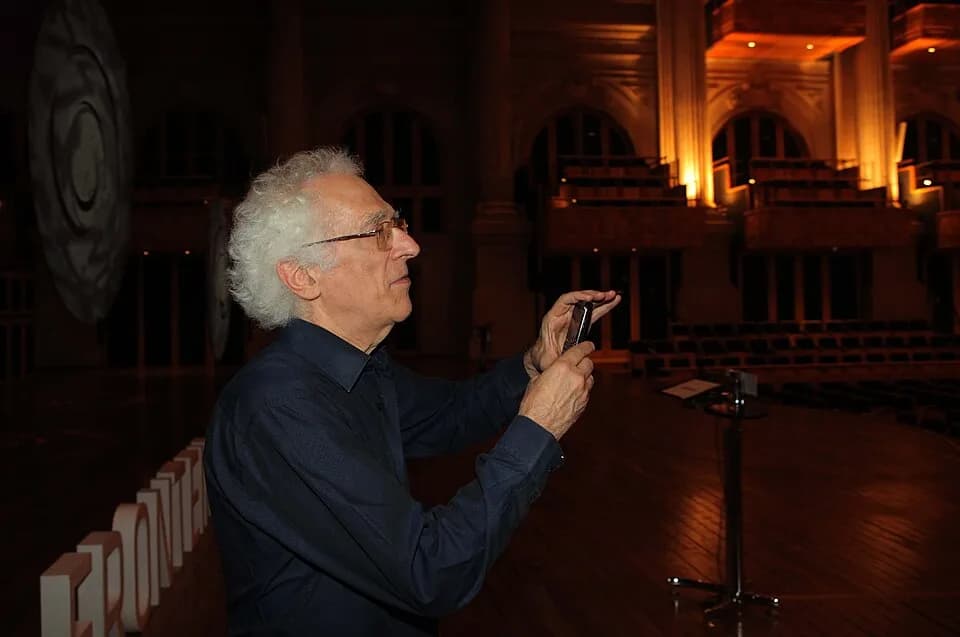
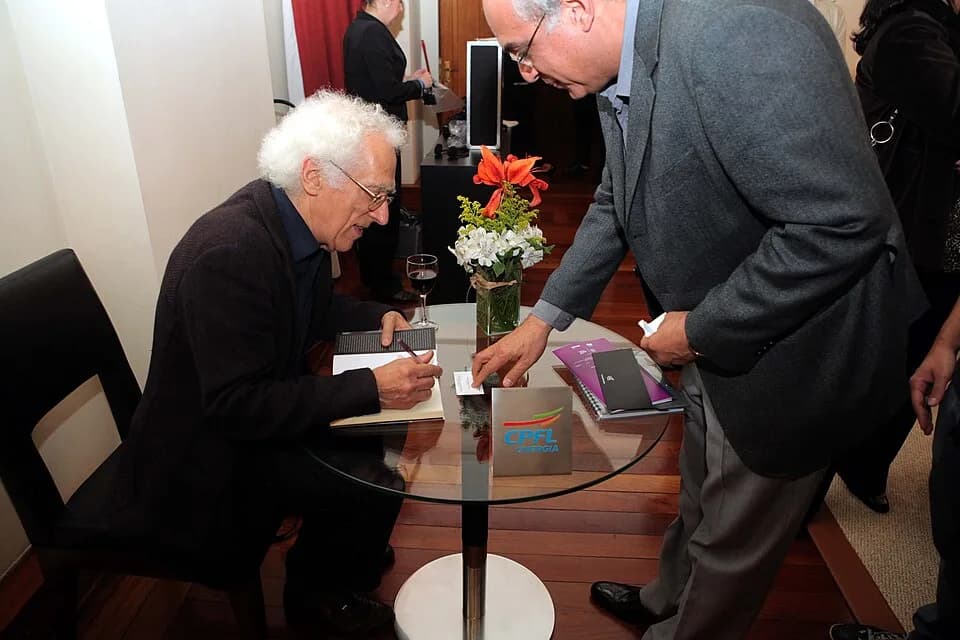
Pyetje të shpeshta
Pyetje të bëra shpesh
Kur vdiq Tzvetan Todorov?
Tzvetan Todorov vdiq më 7 shkurt 2017 në 13th arrondissement of Paris, France, në moshën 77-vjeçare.
Ku lindi Tzvetan Todorov?
Tzvetan Todorov lindi në Sofia, Bulgaria më 1 mars 1939.
Për çfarë është më i/e njohur Tzvetan Todorov?
Tzvetan Todorov është më i/e njohur për Bulgarian historian, philosopher, structuralist literary critic, sociologist and essayist.
Sa vjeç ishte Tzvetan Todorov kur vdiq?
Tzvetan Todorov ishte 77 vjeç kur vdiq.
Çfarë kombësie kishte Tzvetan Todorov?
Tzvetan Todorov ishte nga Bulgaria.
Linja kohore
Jeta në një vështrim
Galeri fotografike
Një jetë në fotografi
Klikoni çdo polaroid për ta zmadhuar · 21 foto
Kodi QR
Ndajeni Këtë Biografi
Printoni dhe Ndani
Skanoni për të vizituar këtë faqe biografie. Printojeni për ngjarje, ekspozita ose materiale edukative.