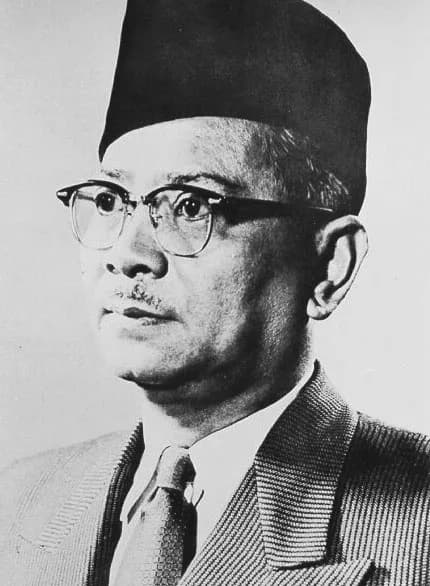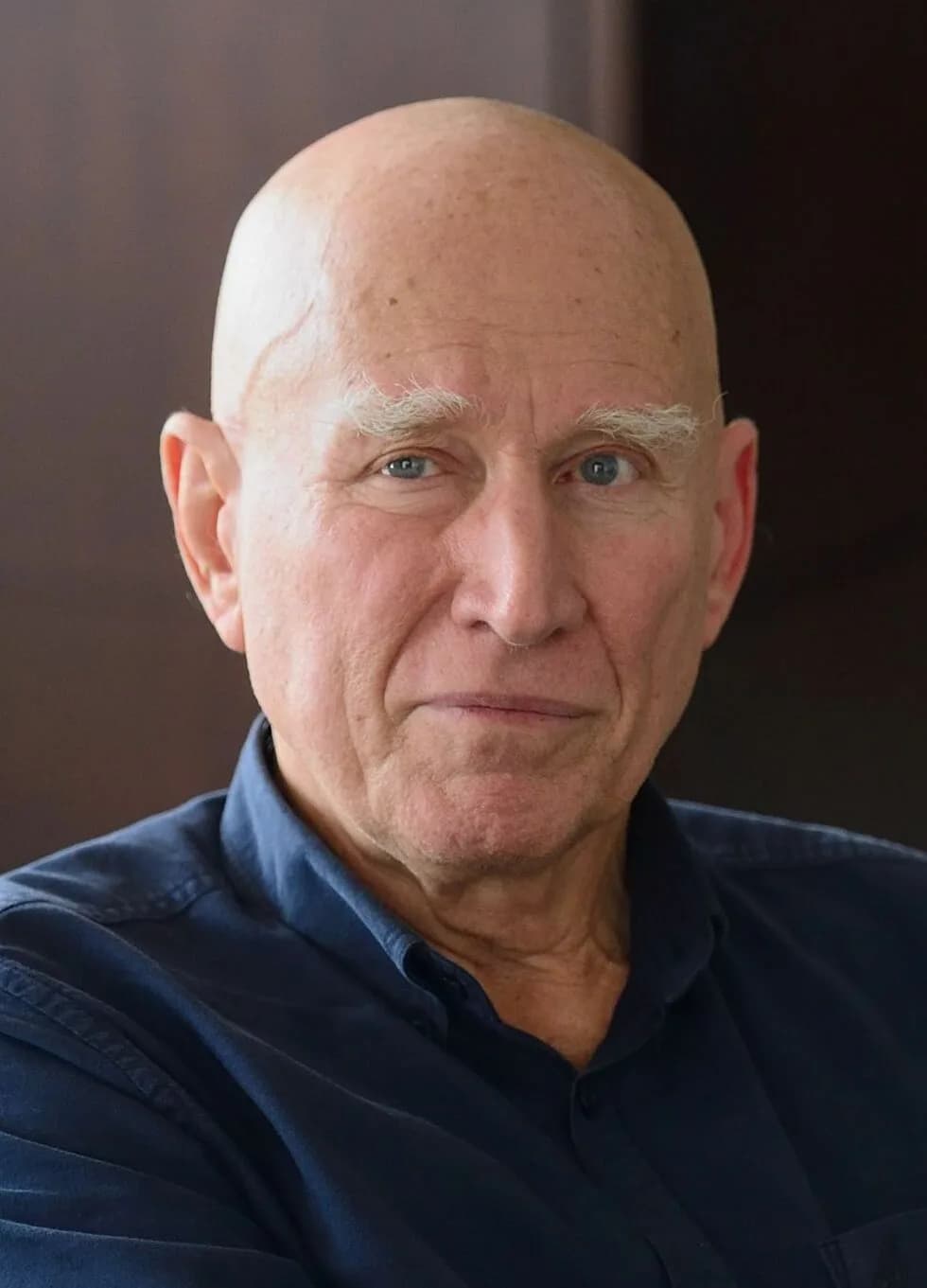
Lindur
February 8, 1944
Aimorés, Brazil
Vdekur
May 23, 2025
Neuilly-sur-Seine, France
I njohur për
Brazilian photographer
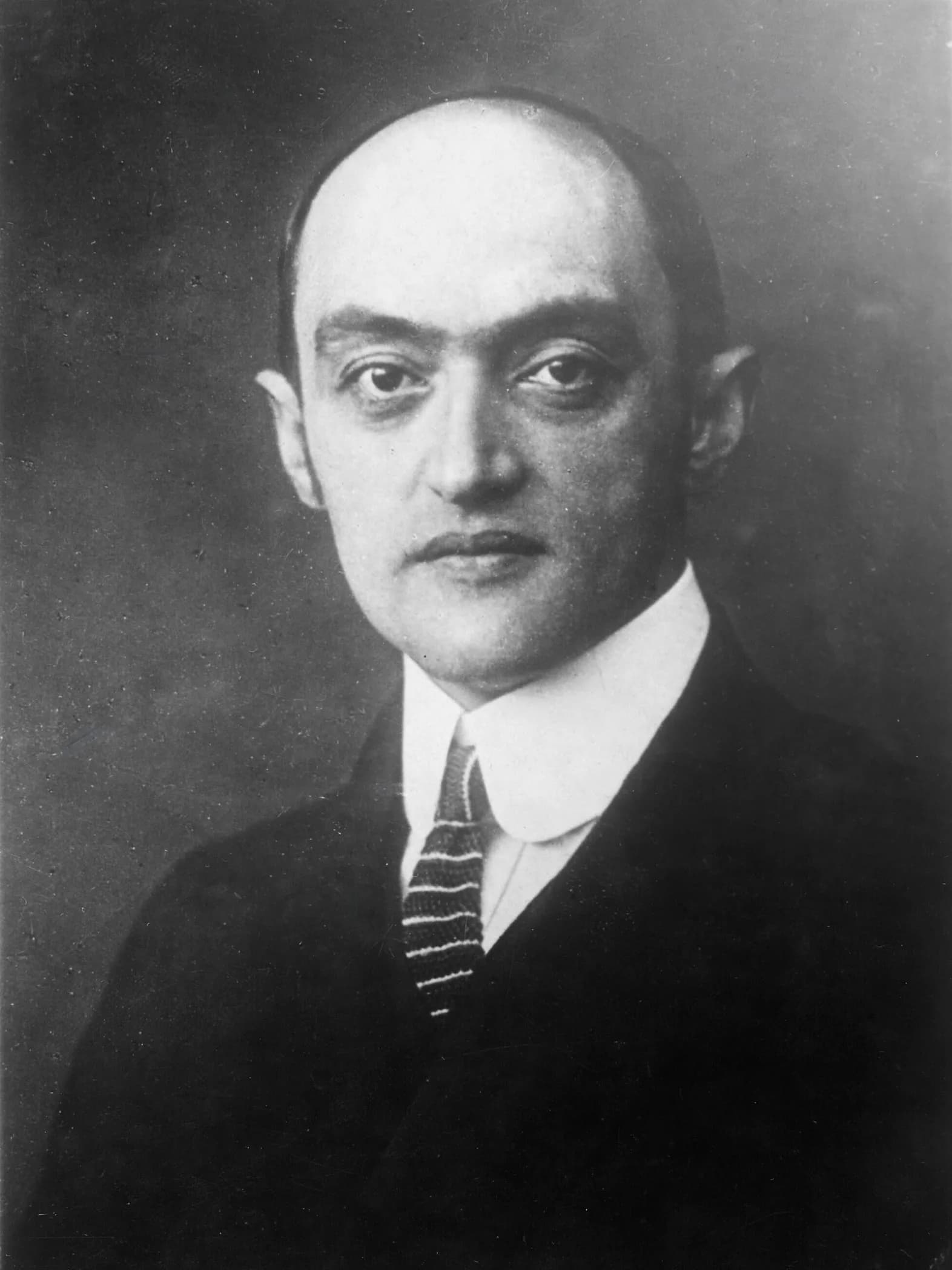
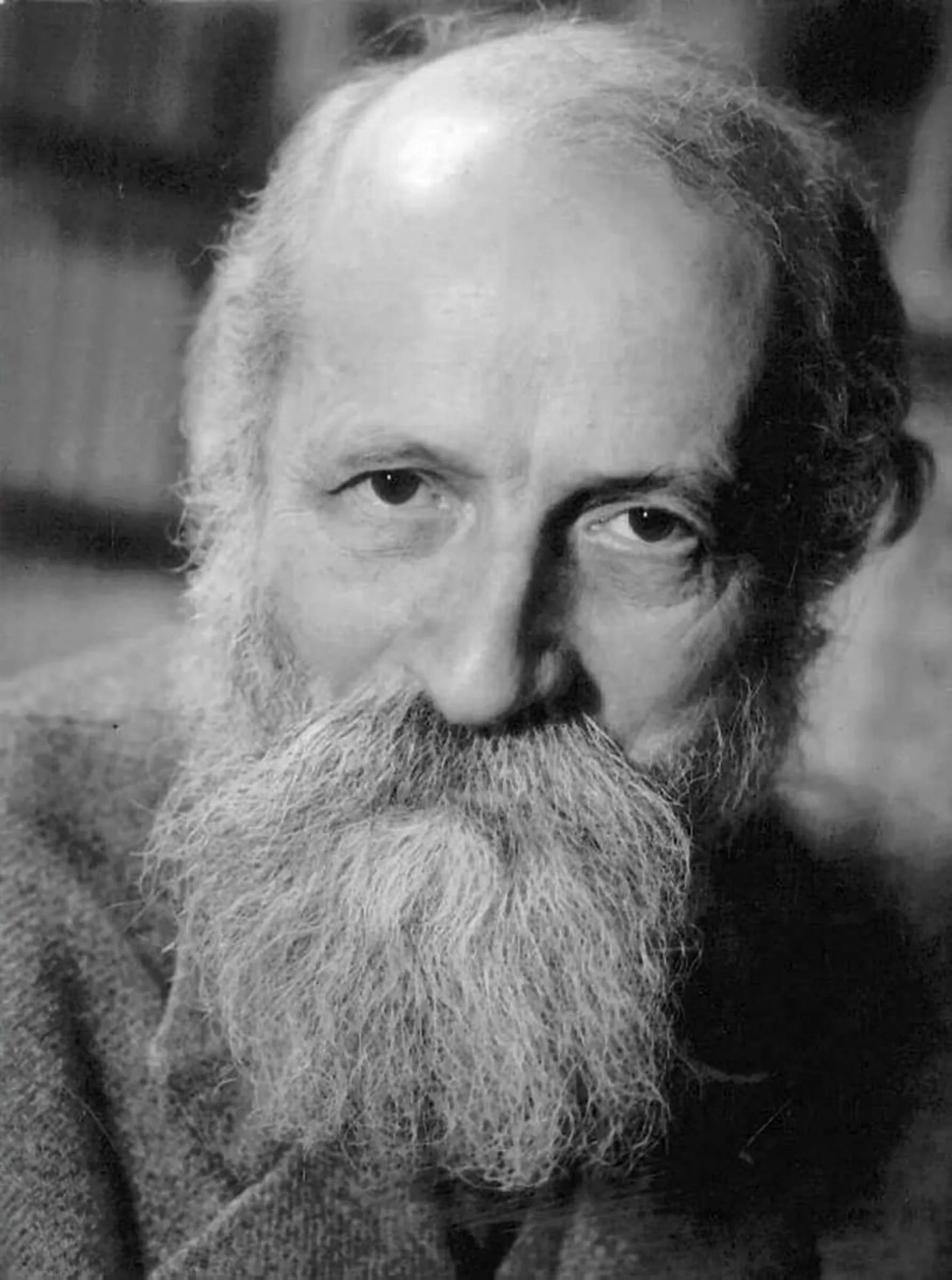
Sebastião Salgado (1944–2025) was Brazil best known for Brazilian photographer.
Sebastião Salgado (February 8, 1944 – May 23, 2025) was a Brazilian social documentary photographer and environmentalist. He was known for his powerful black-and-white images depicting human dignity and the natural world. His work, seen in projects like "Genesis" and "Workers," left a lasting impact on photojournalism and environmental advocacy.
Një jetë në momente
Momentet që formësuan një jetë
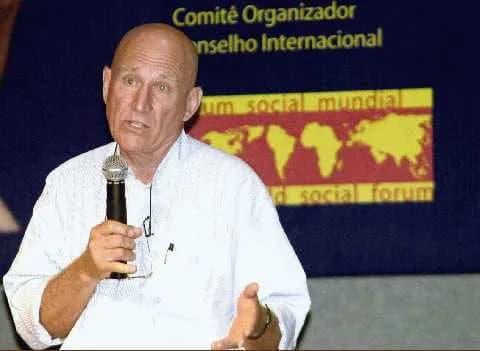
Kapitulli
Kapitujt e jetës
Kapitulli 1 · 1944· Kapitulli 1 nga 7
Early Life and Origins
Sebastião Ribeiro Salgado Júnior was born in the small Brazilian town of Aimorés, nestled within the state of Minas Gerais, on February 8, 1944. His formative years in this rural setting provided him with an intimate connection to the land and its people, experiences that profoundly shaped his later artistic and environmental endeavors. This upbringing instilled in him a foundational understanding of agricultural life and the natural rhythms of Brazil, which would critically inform his distinct photographic perspective on global human experiences and ecological issues. This deep-seated connection to his birth country remained a constant, potent force throughout his illustrious professional journey, influencing his compassionate approach to subjects worldwide.
Kapitulli 2· Kapitulli 2 nga 7
Career Beginnings
Before embarking on his renowned photography career, Salgado initially pursued and earned a degree in economics, a path that led him to work for significant international organizations like the International Coffee Organization and the World Bank. During his assignments in Africa in the early 1970s, he began to take photographs, initially using his wife's camera, quickly realizing his profound passion and talent for visual storytelling. This unique background provided him with a rigorous analytical framework for understanding the complex socioeconomic and political factors underpinning the human stories he would later meticulously capture through his lens. His formal training as an economist offered a critical perspective on global systems and human migration, which significantly enriched his work as a budding photojournalist and informed his deep empathy for the subjects he portrayed.
Kapitulli 3 · 2004· Kapitulli 3 nga 7
Major Achievements and Career Highlights
Sebastião Salgado swiftly rose to international prominence as a Brazilian social documentary photographer and photojournalist, celebrated for his long-term projects that meticulously explored specific global themes. His powerful series, such as "Workers" and the expansive "Genesis," garnered widespread critical acclaim, showcasing his unwavering commitment to portraying human dignity amidst hardship and the untouched grandeur of the natural world. This dedication extended into scholarly recognition, culminating in an impressive h-index of 5 based on 21 academic papers, underscoring the deep intellectual engagement with his visual narratives and their societal implications. Among his most cited academic works is "Sahel: The End of the Road," published in 2004, which alone received 10 citations, demonstrating the significant scholarly impact of his photographic explorations of humanitarian crises.
He was globally recognized for his extraordinary ability to translate intricate, often challenging, global issues into powerful, timeless black-and-white photographs that resonated profoundly with audiences across cultures and continents. His photographic style, characterized by its dramatic contrasts, masterful composition, and profound empathy, elevated photojournalism to an art form capable of eliciting deep human connection. His extensive bibliography stands as a powerful testament to his prolific and dedicated output, featuring significant titles like "Africa," "India," "México," and "Amazônia," each book representing years of painstaking research, immersive travel, and artistic creation focused on specific global regions and their inhabitants. These enduring works solidified his reputation as a leading figure in documenting the human condition and the precarious state of our planet.
Kapitulli 4 · 2016· Kapitulli 4 nga 7
Personal Life
While the provided information focuses primarily on his professional milestones and public contributions, Sebastião Salgado's personal relationships often played an integral role in the conceptualization and meticulous production of his renowned photographic projects. His collaborative spirit is notably evidenced in the book "Kuwait : a desert on fire," published in 2016, which explicitly credits Lélia Wanick Salgado for its insightful concept and masterful design, illustrating a close creative partnership that spanned many of his most important publications. This collaboration extended beyond mere aesthetic choices, suggesting a shared artistic vision that profoundly shaped the final presentation and impact of his artistic endeavors. Furthermore, Salgado was described not only as a photographer, economist, and photojournalist but also as a painter and environmentalist, highlighting a broad spectrum of artistic interests and a profound commitment to ecological preservation, underscoring a personal philosophy inextricably intertwined with his celebrated professional pursuits.
Kapitulli 5 · 1986· Kapitulli 5 nga 7
Notable Works or Contributions
Sebastião Salgado's visual contributions are marked by several iconic series and individual photographs that have achieved enduring status in the annals of photography. His haunting and monumental image "Serra Pelada, State of Para, Brazil" from 1986, a key piece held in the collection of the Art Institute of Chicago (AIC), powerfully depicts the arduous, often brutal, labor of thousands of gold miners in a vast, man-made open-pit mine. This photograph, along with other evocative works such as "Guatemala" (1978) and "Mexico" (1980), both also part of the AIC collection, showcases his early dedication to documenting the lives, struggles, and resilience of people across Latin America. These early images offer a stark, unflinching look at the economic and social realities faced by individuals in these regions during that particular period, laying the groundwork for his later global projects.
His monumental series "Workers," which culminated in a critically acclaimed book of the same name and included the moving photograph "Three Coal Miners, India" (1989) — another significant artwork housed at the AIC — stands as a powerful, empathetic record of manual labor worldwide. This extensive series eloquently captured the inherent dignity, often harsh realities, and incredible resilience of workers across various industries and diverse cultures, from the dangerous shipbreaking yards to the demanding oil fields of Kuwait. Later in his career, his "Genesis" project, a sprawling global undertaking involving eight years of travel, culminated in a highly celebrated book and exhibition that documented pristine landscapes, untouched wildlife, and indigenous communities largely isolated from modern civilization, eloquently showcasing the planet's enduring natural beauty and advocating for its protection. The subsequent book "Sebastião Salgado. Amazônia" further extended this dedicated environmental focus, exploring the unparalleled splendor and fragile ecosystems of the Amazon rainforest, along with its vibrant indigenous cultures, serving as both an artistic statement and a fervent plea for conservation. Other significant books in his vast bibliography, such as "Images d'entreprises," "Kawait," and "An uncertain grace," further demonstrate the extensive range and profound depth of his photographic investigations, each offering unique and invaluable insights into different facets of global life and the intricate human interaction with their environment.
Kapitulli 6· Kapitulli 6 nga 7
Later Years
In his later career, Sebastião Salgado continued to channel his extraordinary photographic talents towards large-scale, environmentally conscious projects, increasingly focusing on the preservation of our planet's delicate ecosystems and rich biodiversity. His ambitious "Genesis" project, which required extensive travel to 32 different locations across diverse continents over eight years, resulted in a globally acclaimed book and exhibition that documented vast, untouched regions of the Earth and their unique inhabitants. This profound thematic shift represented a significant evolution in his artistic interests, moving from documenting human work and migration to celebrating and advocating for the pristine beauty of nature itself. The subsequent "Sebastião Salgado. Amazônia" project further underscored his dedication to environmental advocacy, powerfully depicting the unparalleled splendor and fragility of the Amazon rainforest and its invaluable indigenous populations.
Beyond his major photographic expeditions and publications, Salgado's academic contributions persisted into his later years, with works such as "The imperfect pearl: The worldly view of Sebastiao Salgado" (2017) and "On Air: Interacting with Podcasts as an Auxiliary Educational Resource" (2020), even if these particular scholarly works garnered fewer citations. His enduring creative partnership with Lélia Wanick Salgado, notably on the design and concept of "Kuwait : a desert on fire" (2016), also illustrates his sustained artistic output and collaborative spirit during this period. Sebastião Salgado passed away peacefully on May 23, 2025, in Neuilly-sur-Seine, France, leaving behind an immense, influential, and deeply moving body of work that continues to challenge, inspire, and educate audiences globally about the critical issues facing humanity and the planet.
Kapitulli 7· Kapitulli 7 nga 7
Legacy and Impact
Sebastião Salgado's profound legacy is deeply embedded in the annals of photography and photojournalism, where he fundamentally redefined how the world perceives critical global issues, from human migration and manual labor to environmental destruction. His distinct black-and-white photographic style, characterized by its profound emotional depth, powerful compositional elements, and dramatic use of light and shadow, granted a timeless quality to his images, allowing them to communicate universal human experiences across cultural and generational divides. As an individual who seamlessly blended the demanding roles of photographer, economist, photojournalist, painter, and dedicated environmentalist, he powerfully demonstrated the inherent capacity of art to serve as an agent for incisive social commentary and urgent environmental consciousness.
His iconic photographs, meticulously collected in influential books like "Africa," "India," and "Workers," are continuously studied, revered, and exhibited in prestigious institutions worldwide, inspiring new generations of visual storytellers and dedicated environmental advocates alike. His unwavering commitment to meticulously documenting the natural world, prominently showcased in his monumental projects "Genesis" and "Amazônia," will undoubtedly endure as a powerful call to action for the vigilant protection of the planet's remaining pristine areas, cementing his position not merely as a celebrated artist but as a vital, articulate, and compassionate voice for humanity and the Earth itself.
Pyetje të shpeshta
Pyetje të bëra shpesh
Kur vdiq Sebastião Salgado?
Sebastião Salgado vdiq më 23 maj 2025 në Neuilly-sur-Seine, France, në moshën 81-vjeçare.
Ku lindi Sebastião Salgado?
Sebastião Salgado lindi në Aimorés, Brazil më 8 shkurt 1944.
Për çfarë është më i/e njohur Sebastião Salgado?
Sebastião Salgado është më i/e njohur për Brazilian photographer.
Sa vjeç ishte Sebastião Salgado kur vdiq?
Sebastião Salgado ishte 81 vjeç kur vdiq.
Çfarë kombësie kishte Sebastião Salgado?
Sebastião Salgado ishte nga Brazil.
Linja kohore
Jeta në një vështrim
Galeri fotografike
Një jetë në fotografi
Klikoni çdo polaroid për ta zmadhuar · 23 foto
Kodi QR
Ndajeni Këtë Biografi
Printoni dhe Ndani
Skanoni për të vizituar këtë faqe biografie. Printojeni për ngjarje, ekspozita ose materiale edukative.