Lindur
March 27, 1883
Tallinn, Estonia
Vdekur
September 25, 1980
Stockholm, Sweden
I njohur për
Estonian poet
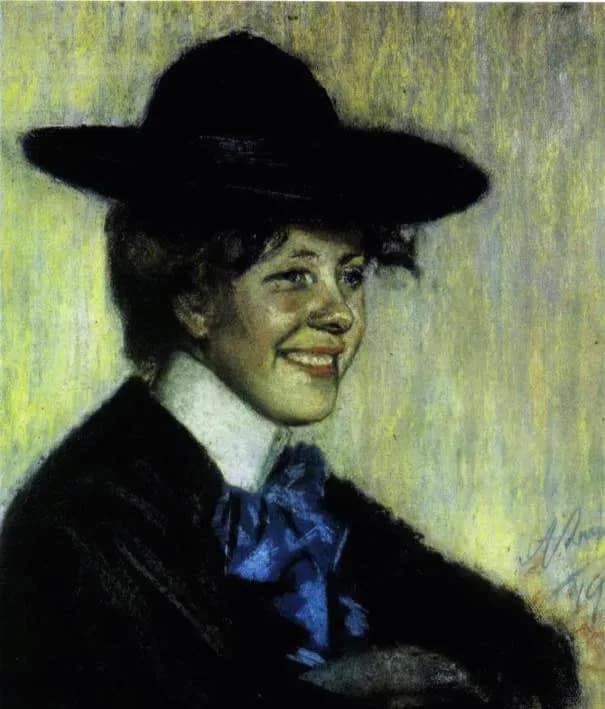
Marie Under (1883–1980) was Estonia best known for Estonian poet.
Marie Under (March 27, 1883 – September 25, 1980) was a renowned Estonian poet. She was a prolific writer, translator, and journalist, notably nominated for the Nobel Prize in Literature 16 times. Her contributions significantly shaped Estonian literature.
Kapitulli
Kapitujt e jetës
Kapitulli 1· Kapitulli 1 nga 5
Career Beginnings
Marie Under began her professional life through various literary pursuits, establishing herself as a writer. Her early endeavors in poetry quickly gained attention within Estonian literary circles. These initial works laid the groundwork for the more extensive collections and translations that would follow.
Beyond poetry, she also engaged in journalism, providing her with a platform for broader communication. Her work as an archivist suggests a methodical engagement with historical and cultural documents. Such diverse professional experiences enriched her understanding of language and society, informing her creative output.
Kapitulli 2· Kapitulli 2 nga 5
Major Achievements and Career Highlights
Marie Under's career was marked by extraordinary recognition, most notably her repeated nominations for the Nobel Prize in Literature. She was nominated an impressive 16 times over 15 separate years. This consistent acknowledgment from the Nobel Committee speaks volumes about her sustained international standing and the perceived quality of her literary work.
Her prolific output as an Estonian poet brought her widespread acclaim throughout her lifetime. She skillfully navigated the complexities of language and emotion across a diverse body of work. This sustained creativity and critical success positioned her as a central figure in Estonian culture and beyond.
Her role extended beyond merely writing; she was a significant translator, bridging linguistic and cultural divides for her readers. This dedication to introducing other literary voices to Estonian audiences, and vice-versa, further cemented her importance. Her work as a journalist also allowed her to engage directly with contemporary issues, showcasing another dimension of her intellectual capabilities.
Kapitulli 3· Kapitulli 3 nga 5
Notable Works or Contributions
Marie Under’s bibliography includes a rich array of poetic collections that resonated deeply with readers. Works such as "Reekviem" and "Predt︠s︡vi︠e︡tenʹe" are prominent examples of her lyrical expression. These titles demonstrate her mastery of verse and her ability to evoke powerful emotions.
Her collections, including "Puutarhan syksy," "Stikhotvorenii︠a︡," and "Armastusest," further illustrate the breadth of her thematic concerns. These works touched upon themes of love, nature, and the human condition. They offered her audience profound reflections on life's experiences.
Other significant contributions like "Lauluga ristitud," "Talv," "Marie Underi eluraamat," "Kevad," and "Child of man" showcase her continuous exploration of different poetic forms and subjects. Her comprehensive body of work firmly established her as a defining voice in Estonian poetry. These pieces represent a consistent and evolving artistic vision throughout her long career.
Kapitulli 4 · 1980· Kapitulli 4 nga 5
Later Years
In her later years, Marie Under continued to live a life deeply connected to literature, even after relocating to Stockholm, Sweden. Her passing in Stockholm on September 25, 1980, marked the end of an era for Estonian letters. Despite the change in residence, her dedication to her craft remained steadfast.
Her final decades were characterized by the enduring respect and admiration of her peers and readers. The sustained recognition, including her numerous Nobel Prize nominations, continued well into her advanced age. She remained an active and revered figure in the literary world until her death.
Kapitulli 5· Kapitulli 5 nga 5
Legacy and Impact
Marie Under's enduring legacy is firmly rooted in her profound influence on Estonian poetry. Her distinctive voice and extensive body of work continue to inspire generations of writers and readers. She not only enriched the literary landscape but also helped to define it for much of the 20th century.
Her persistent nominations for the Nobel Prize in Literature highlight her lasting international renown and the universal appeal of her poetry. Under's work as a translator and journalist broadened her impact beyond creative writing, connecting Estonian culture with global literary currents. Her life and achievements stand as a testament to the power of language and artistic dedication.
Një jetë në momente
Momentet që formësuan një jetë
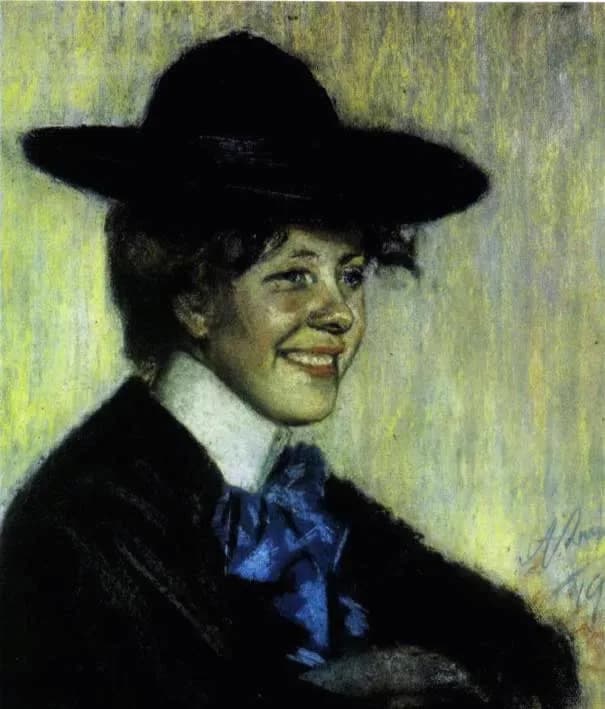
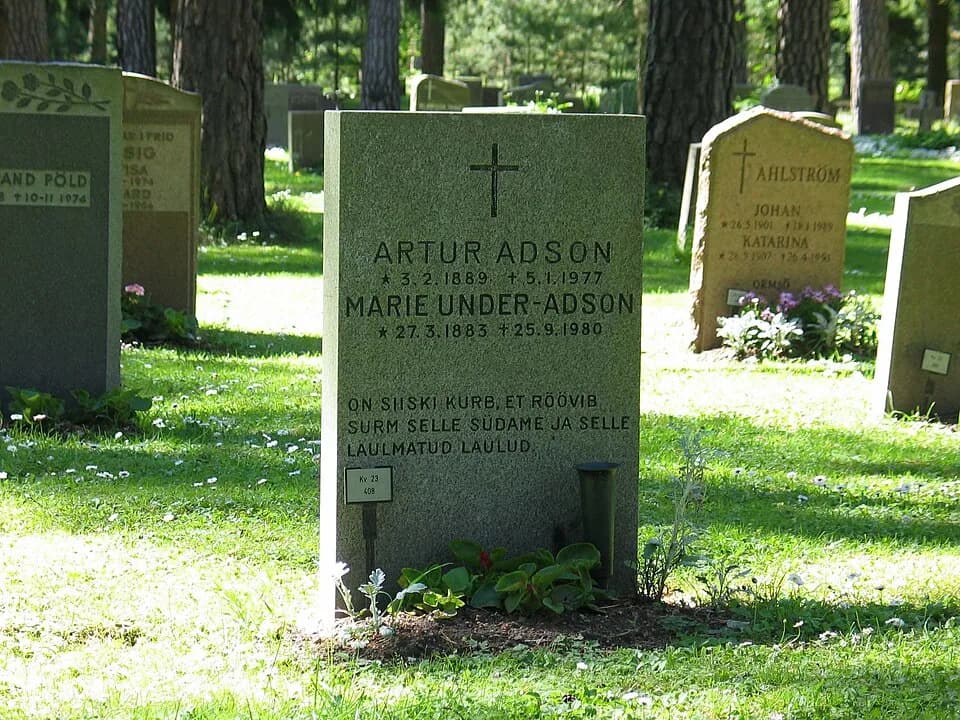
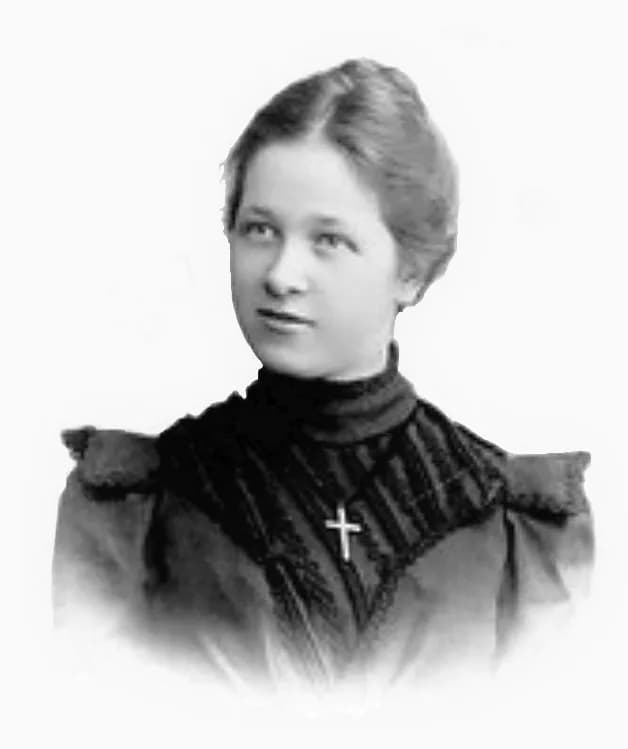
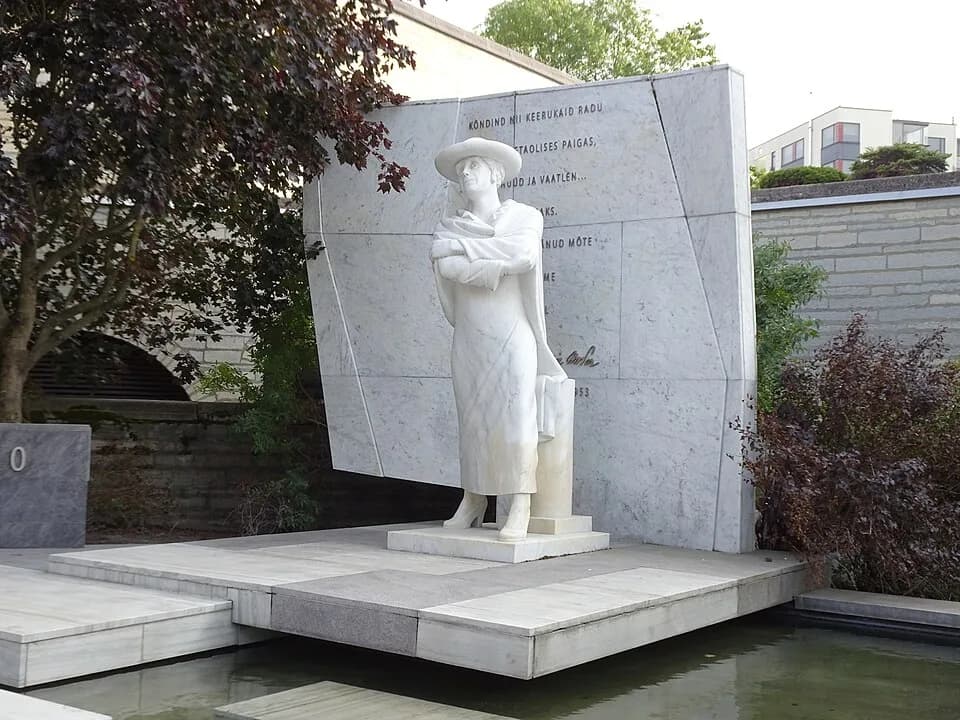
Pyetje të shpeshta
Pyetje të bëra shpesh
Kur vdiq Marie Under?
Marie Under vdiq më 25 shtator 1980 në Stockholm, Sweden, në moshën 97-vjeçare.
Ku lindi Marie Under?
Marie Under lindi në Tallinn, Estonia më 27 mars 1883.
Për çfarë është më i/e njohur Marie Under?
Marie Under është më i/e njohur për Estonian poet.
Sa vjeç ishte Marie Under kur vdiq?
Marie Under ishte 97 vjeç kur vdiq.
Çfarë kombësie kishte Marie Under?
Marie Under ishte nga Estonia.
Linja kohore
Jeta në një vështrim
- 1980
Later Years
Galeri fotografike
Një jetë në fotografi
Klikoni çdo polaroid për ta zmadhuar · 22 foto
Kodi QR
Ndajeni Këtë Biografi
Printoni dhe Ndani
Skanoni për të vizituar këtë faqe biografie. Printojeni për ngjarje, ekspozita ose materiale edukative.