Lindur
September 6, 1906
16th arrondissement of Paris, France
Vdekur
December 2, 1987
Catamarca Province, Argentina
I njohur për
Argentine biochemist
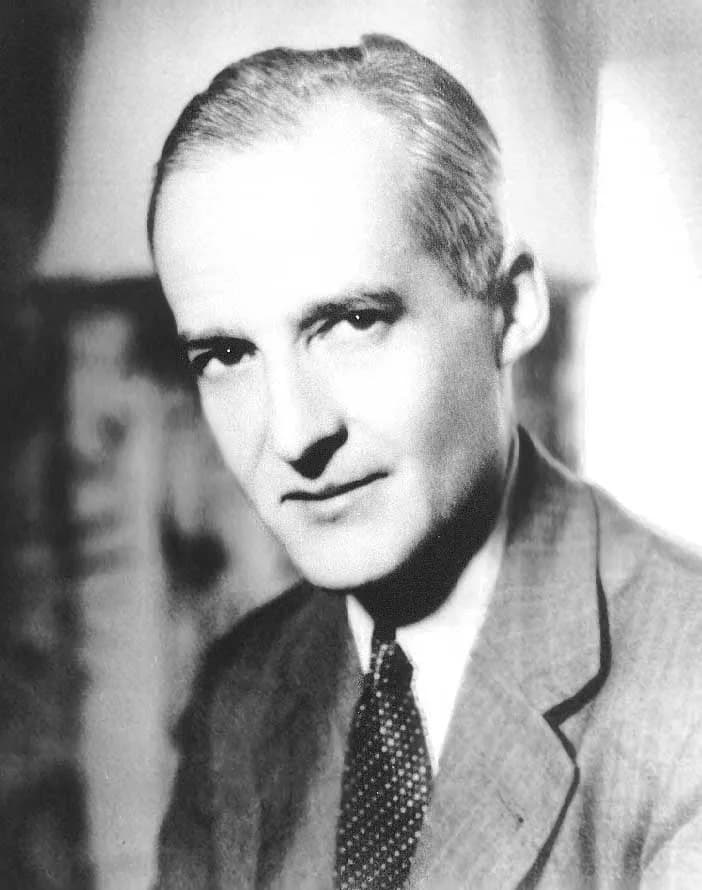
Luis Federico Leloir (1906–1987) was France best known for Argentine biochemist.
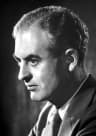
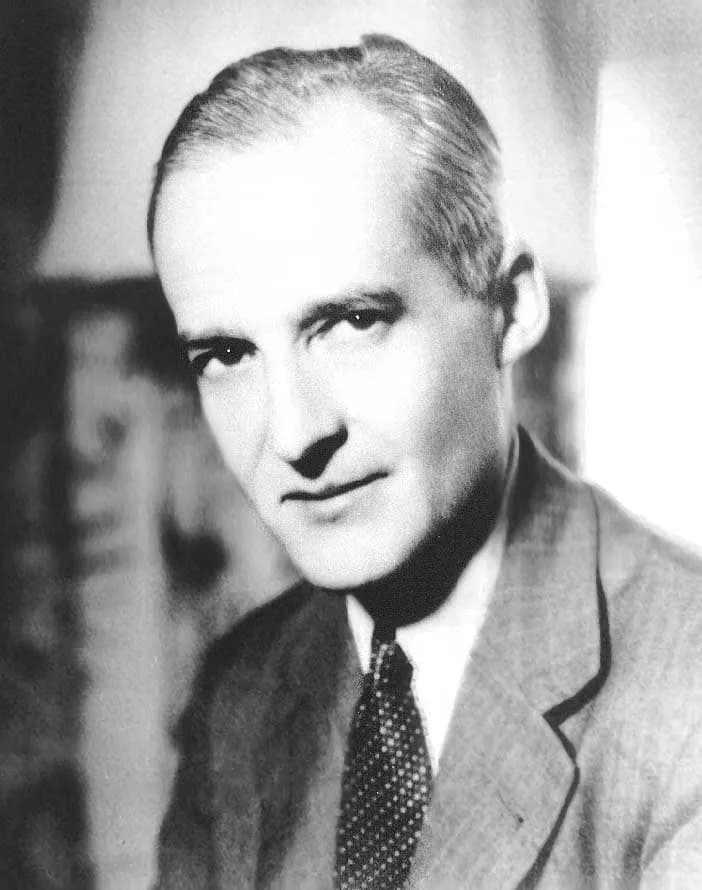
Luis Federico Leloir (September 6, 1906 – December 2, 1987) was an Argentine physician and biochemist from France. He received the 1970 Nobel Prize in Chemistry for his work on carbohydrate metabolism. His research significantly advanced the understanding of diseases like galactosemia.
Kapitulli
Kapitujt e jetës
Kapitulli 1 · 1906· Kapitulli 1 nga 7
Opening Paragraph
Luis Federico Leloir (1906-1987) was an Argentine physician and biochemist whose fundamental discoveries transformed our understanding of how the body processes carbohydrates. Born in France but educated primarily in Argentina, he dedicated his life to scientific inquiry. His meticulous research earned him the prestigious 1970 Nobel Prize in Chemistry, a recognition of his enduring contributions to metabolic science.
Kapitulli 2 · 1906· Kapitulli 2 nga 7
Early Life and Origins
Luis Federico Leloir entered the world on September 6, 1906, in the 16th arrondissement of Paris, France, to Argentine parents. Though his birth occurred abroad, his upbringing and intellectual development were deeply rooted in Argentina. He pursued his education at the esteemed University of Buenos Aires, laying the foundation for his distinguished scientific career.
Kapitulli 3· Kapitulli 3 nga 7
Career Beginnings
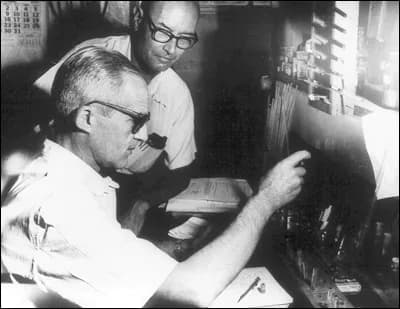
Leloir embarked on a varied and impactful professional path. He held roles as a physician, physicist, chemist, and university teacher, demonstrating a wide breadth of scientific expertise. He quickly gravitated towards biochemistry, a field where his analytical mind could truly excel. His early career saw him establish a reputation for rigorous experimental work and innovative thinking within the scientific community.
Kapitulli 4 · 1970· Kapitulli 4 nga 7
Major Achievements and Career Highlights
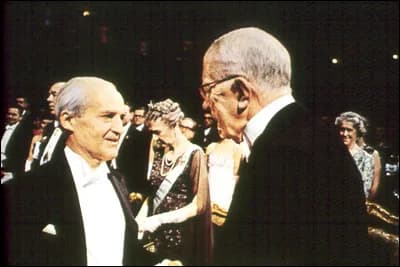
The pinnacle of Leloir's career arrived in 1970 when he was awarded the Nobel Prize in Chemistry. This high honor recognized his key discovery of the metabolic pathways through which carbohydrates are synthesized and converted into energy within the body. His intensive research into sugar nucleotides, carbohydrate metabolism, and renal hypertension garnered significant international attention.
These contributions led directly to substantial progress in understanding, diagnosing, and treating the congenital disease galactosemia. Leloir's work provided crucial insights that improved medical practice and offered hope to many affected by metabolic disorders.
Kapitulli 5 · 2005· Kapitulli 5 nga 7
Notable Works or Contributions
Throughout his productive career, Leloir was a prolific author of scientific papers, contributing to a body of work reflected in an h-index of 47 across 134 papers. Among his frequently cited works is "Microsomal glucosidases of rat liver. Partial purification and inhibition by disaccharides," published in 2005, which accumulated 58 citations. Another significant contribution was "An intermediate in cyclic β1–2 glucan biosynthesis," published in 1985, which garnered 36 citations.
Other important publications associated with his research include "Oligosaccharides containing glucoc of the thyroid gland" (2016), "In Memoriam of Ranwel Caputto" (2013), and "Rôle of Uridine Diphosphate Glucose in the Synthesis of Glycogen" (2008). These papers exemplify the depth and breadth of his scientific inquiry, with many of his ideas continuing to be cited and discussed long after their initial conceptualization.
Kapitulli 6 · 1987· Kapitulli 6 nga 7
Later Years
Luis Federico Leloir continued his dedicated scientific work as the director of the private research group Fundación Instituto Campomar. He led this institution with unwavering commitment until his passing on December 2, 1987. His life concluded in the Catamarca Province, Argentina.
Following his death, his final resting place was established at La Recoleta Cemetery in Buenos Aires, demonstrating his profound connection with his adopted homeland.
Kapitulli 7· Kapitulli 7 nga 7
Legacy and Impact
Leloir's legacy is immense, characterized by his profound contributions to biochemistry. His discoveries of carbohydrate metabolic pathways provided fundamental insights that continue to inform biological and medical science. The clarity he brought to sugar nucleotides and carbohydrate metabolism significantly improved the understanding and treatment of diseases like galactosemia.
His work not only shaped the scientific community's understanding of key biological processes but also improved the quality of life for many, leaving an enduring mark on the field of medicine and biochemistry.
Një jetë në momente
Momentet që formësuan një jetë
Pyetje të shpeshta
Pyetje të bëra shpesh
Kur vdiq Luis Federico Leloir?
Luis Federico Leloir vdiq më 2 dhjetor 1987 në Catamarca Province, Argentina, në moshën 81-vjeçare.
Ku lindi Luis Federico Leloir?
Luis Federico Leloir lindi në 16th arrondissement of Paris, France më 6 shtator 1906.
Për çfarë është më i/e njohur Luis Federico Leloir?
Luis Federico Leloir është më i/e njohur për Argentine biochemist.
Sa vjeç ishte Luis Federico Leloir kur vdiq?
Luis Federico Leloir ishte 81 vjeç kur vdiq.
Çfarë kombësie kishte Luis Federico Leloir?
Luis Federico Leloir ishte nga France.
Linja kohore
Jeta në një vështrim
Galeri fotografike
Një jetë në fotografi
Klikoni çdo polaroid për ta zmadhuar · 25 foto
Kodi QR
Ndajeni Këtë Biografi
Printoni dhe Ndani
Skanoni për të vizituar këtë faqe biografie. Printojeni për ngjarje, ekspozita ose materiale edukative.