Lindur
June 28, 1867
Agrigento, Italy
Vdekur
December 10, 1936
Rome, Italy
I njohur për
Italian dramatist, novelist, short story writer, and poet, Nobel Prize for Literature laureate
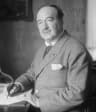
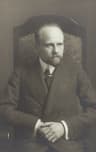
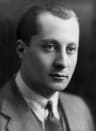
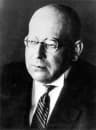
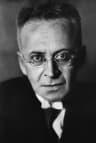
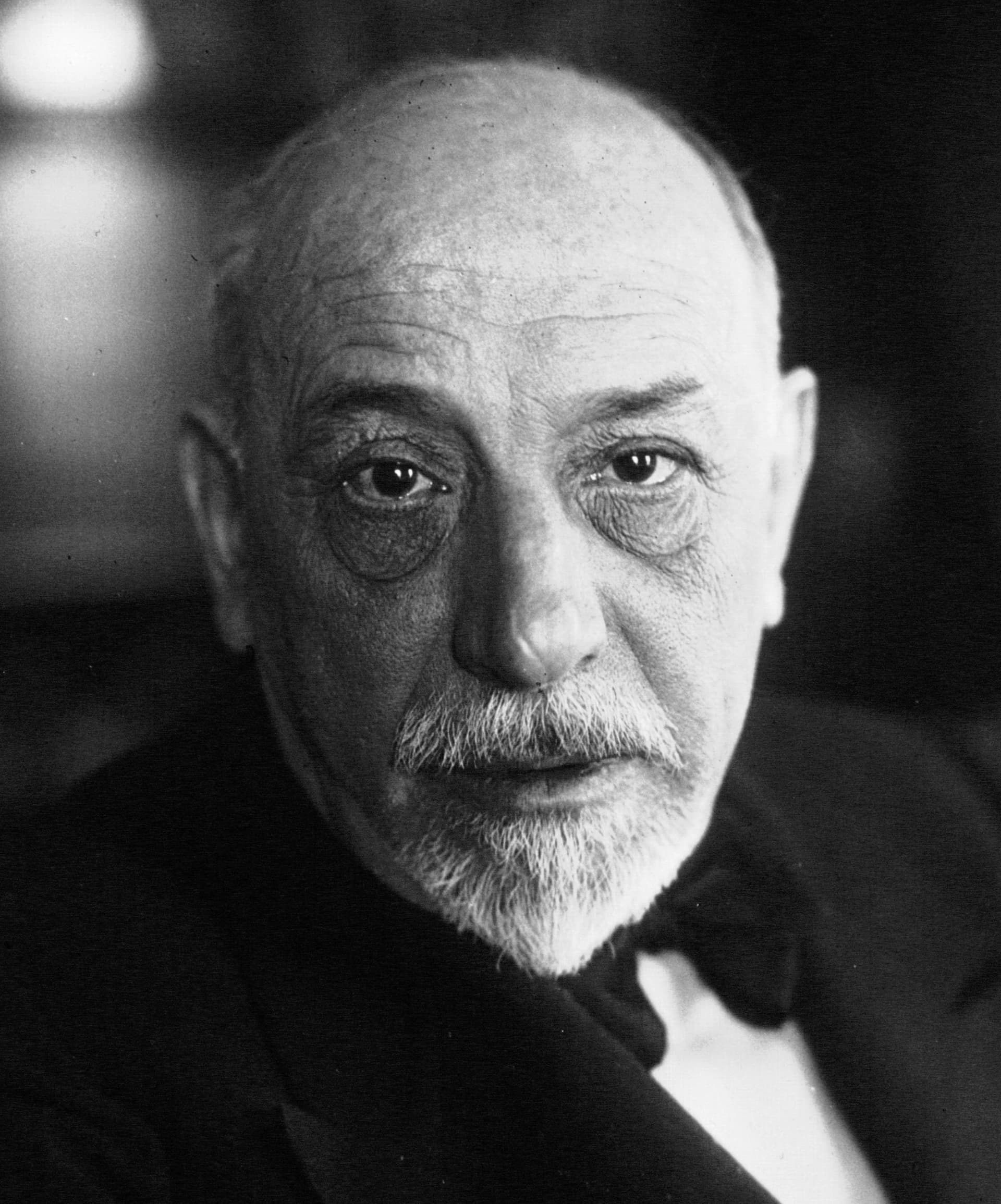
Luigi Pirandello (1867–1936) was Italy best known for Italian dramatist, novelist, short story writer, and poet, Nobel Prize for Literature laureate.
Luigi Pirandello (June 28, 1867 – December 10, 1936) was an Italian dramatist, novelist, and short story writer from Agrigento, Italy. He received the 1934 Nobel Prize in Literature for his unique contributions to dramatic and scenic art. Pirandello's plays are often considered forerunners of the Theatre of the Absurd, leaving a lasting influence on modern drama.
Kapitulli
Kapitujt e jetës
Kapitulli 1 · 1867· Kapitulli 1 nga 6
Early Life and Origins
Luigi Pirandello was born on June 28, 1867, in Agrigento, Italy. This Sicilian city, rich in history and culture, served as his initial home. His formative years in Agrigento likely provided a backdrop that subtly influenced his later literary explorations.
Kapitulli 2· Kapitulli 2 nga 6
Career Beginnings
From an early stage, Luigi Pirandello dedicated himself to a life of letters, pursuing various artistic professions. He distinguished himself across multiple creative fields, working as an author, poet, playwright, director, novelist, and screenwriter. This breadth of expertise allowed him to approach storytelling from diverse angles.
Kapitulli 3 · 1934· Kapitulli 3 nga 6
Major Achievements and Career Highlights
A crowning achievement in Luigi Pirandello's career was the awarding of the 1934 Nobel Prize in Literature. The Swedish Academy cited him "for his bold and ingenious revival of dramatic and scenic art." This prestigious recognition highlighted his originality and the significant impact he had on the theatrical landscape of his time.
His innovative approach to drama, which challenged conventional theatrical structures, earned him international acclaim. Pirandello's ability to fuse tragedy with farce created a distinctive style that resonated with critics and audiences alike. He redefined what theater could be, pushing boundaries and sparking new artistic directions.
Kapitulli 4· Kapitulli 4 nga 6
Notable Works or Contributions
Luigi Pirandello’s extensive bibliography includes a remarkable collection of novels, hundreds of short stories, and approximately 40 plays. Some of his plays were notably written in the Sicilian language, showcasing his cultural ties. His prolific output demonstrated a consistent commitment to exploring complex human experiences.
Among his significant works are plays such as "Enrico IV," a powerful exploration of identity and madness, and "La patente," a satirical look at social perception. Other notable titles include "Lumie di Sicilia," "Cecè," and "Imbecille," which exemplify his varied narrative interests. His short story collections, like "Bianche e nere" and "Contes per llegir en deu minuts," along with works like "Terzetti di Luigi Pirandello" and "Shoot!," further illustrate his literary range.
Pirandello's tragic farces, a hallmark of his dramatic style, are frequently acknowledged as forerunners of the Theatre of the Absurd. This genre, which gained prominence in the mid-20th century, found its philosophical and stylistic roots in Pirandello's pioneering works. He effectively challenged audience expectations, blurring the lines between reality and illusion.
Kapitulli 5 · 1936· Kapitulli 5 nga 6
Later Years
Luigi Pirandello's esteemed life concluded on December 10, 1936, in Rome, Italy. His death marked the end of an era for Italian and global literature. He left behind a body of work that continues to engage scholars and theater enthusiasts worldwide.
Kapitulli 6· Kapitulli 6 nga 6
Legacy and Impact
Luigi Pirandello's legacy rests firmly on his "bold and ingenious revival of dramatic and scenic art," as recognized by his Nobel Prize. He fundamentally altered the way theater was perceived and produced, moving beyond traditional realism to explore deeper psychological and philosophical questions. His influence extended far beyond his lifetime, shaping the development of modern drama.
His role as a forerunner of the Theatre of the Absurd is a cornerstone of his lasting impact. Playwrights and scholars continue to study his innovative techniques and thematic explorations, recognizing his profound contribution to dramatic theory and practice. Pirandello's works remain cornerstones of the theatrical repertoire, ensuring his enduring presence in literary history.
Një jetë në momente
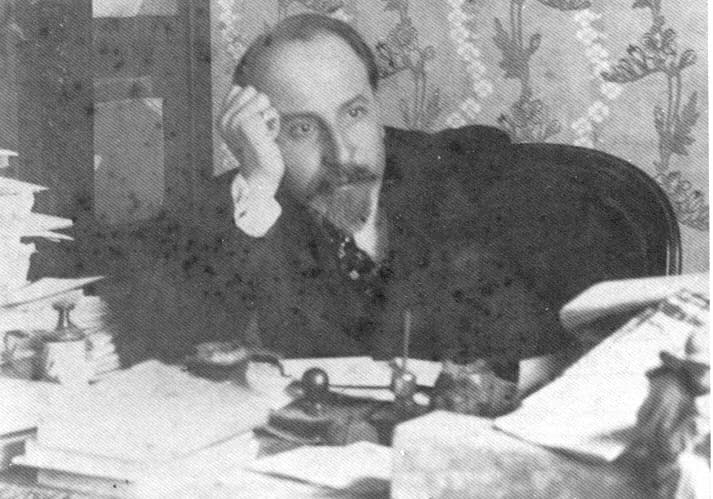
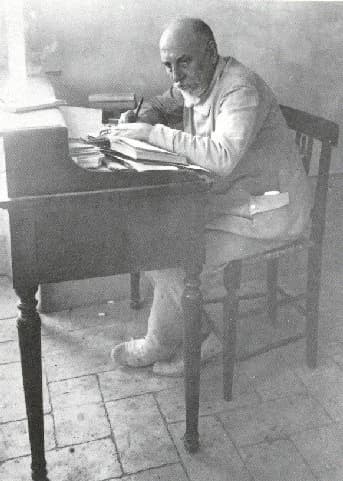
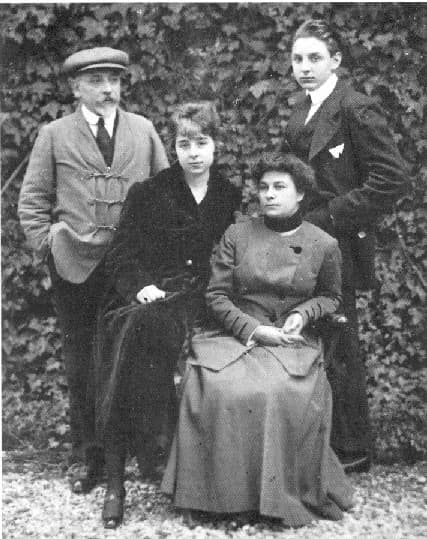
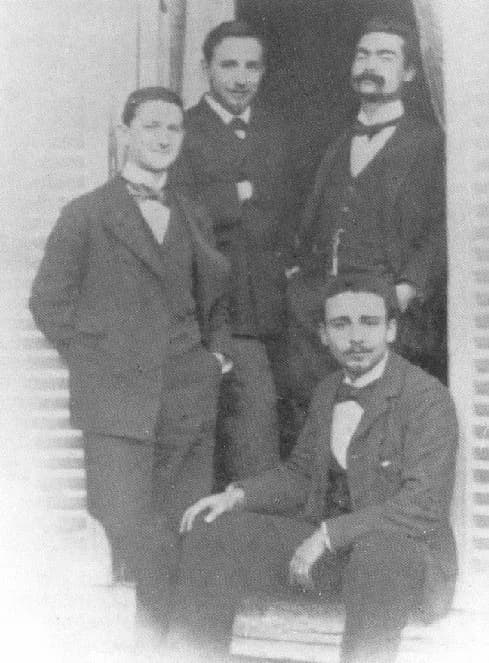
Momentet që formësuan një jetë
Pyetje të shpeshta
Pyetje të bëra shpesh
Kur vdiq Luigi Pirandello?
Luigi Pirandello vdiq më 10 dhjetor 1936 në Rome, Italy, në moshën 69-vjeçare.
Ku lindi Luigi Pirandello?
Luigi Pirandello lindi në Agrigento, Italy më 28 qershor 1867.
Për çfarë është më i/e njohur Luigi Pirandello?
Luigi Pirandello është më i/e njohur për Italian dramatist, novelist, short story writer, and poet, Nobel Prize for Literature laureate.
Sa vjeç ishte Luigi Pirandello kur vdiq?
Luigi Pirandello ishte 69 vjeç kur vdiq.
Çfarë kombësie kishte Luigi Pirandello?
Luigi Pirandello ishte nga Italy.
Linja kohore
Jeta në një vështrim
Galeri fotografike
Një jetë në fotografi
Klikoni çdo polaroid për ta zmadhuar · 25 foto
Kodi QR
Ndajeni Këtë Biografi
Printoni dhe Ndani
Skanoni për të vizituar këtë faqe biografie. Printojeni për ngjarje, ekspozita ose materiale edukative.