Lindur
October 30, 1735
Braintree, United States
Vdekur
July 4, 1826
Quincy, United States
I njohur për
Founding Father, U.S. president from 1797 to 1801
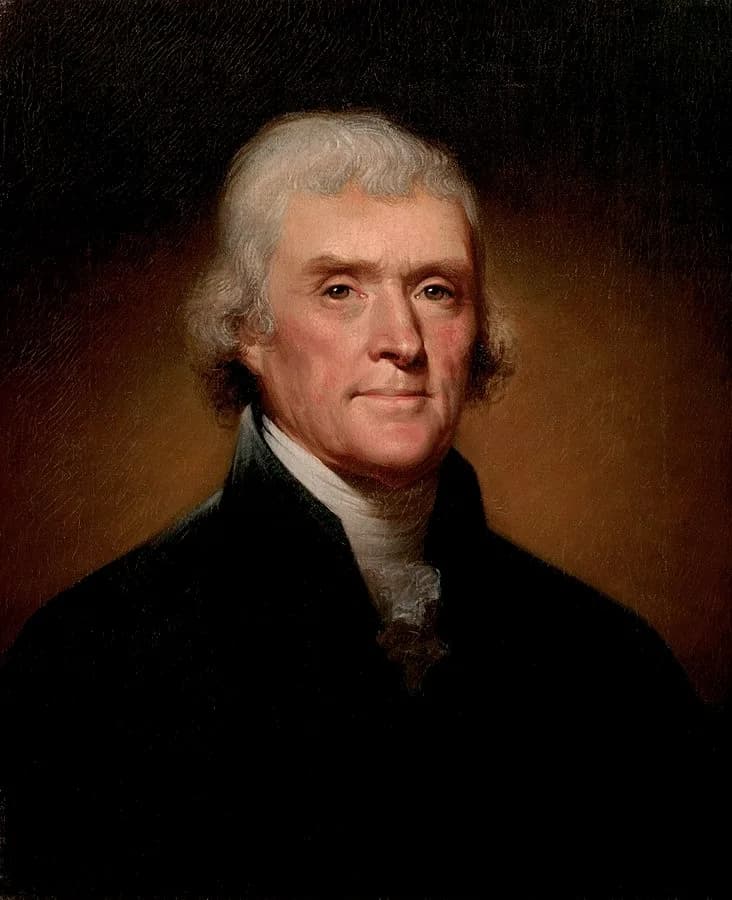
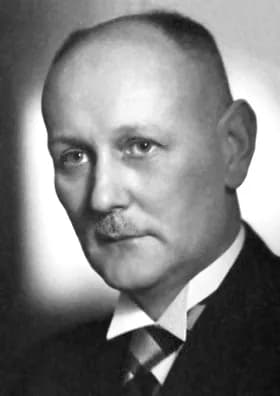
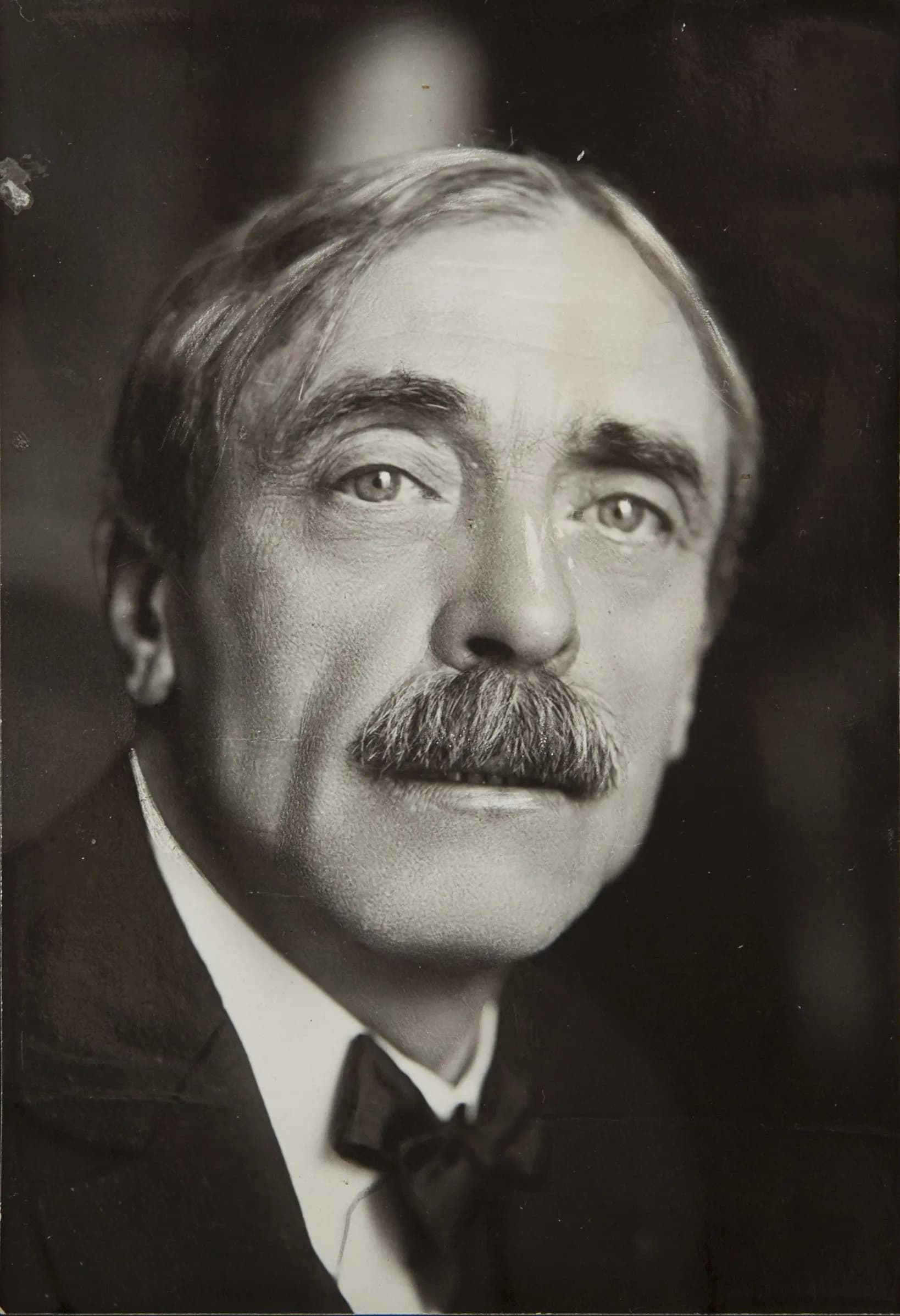
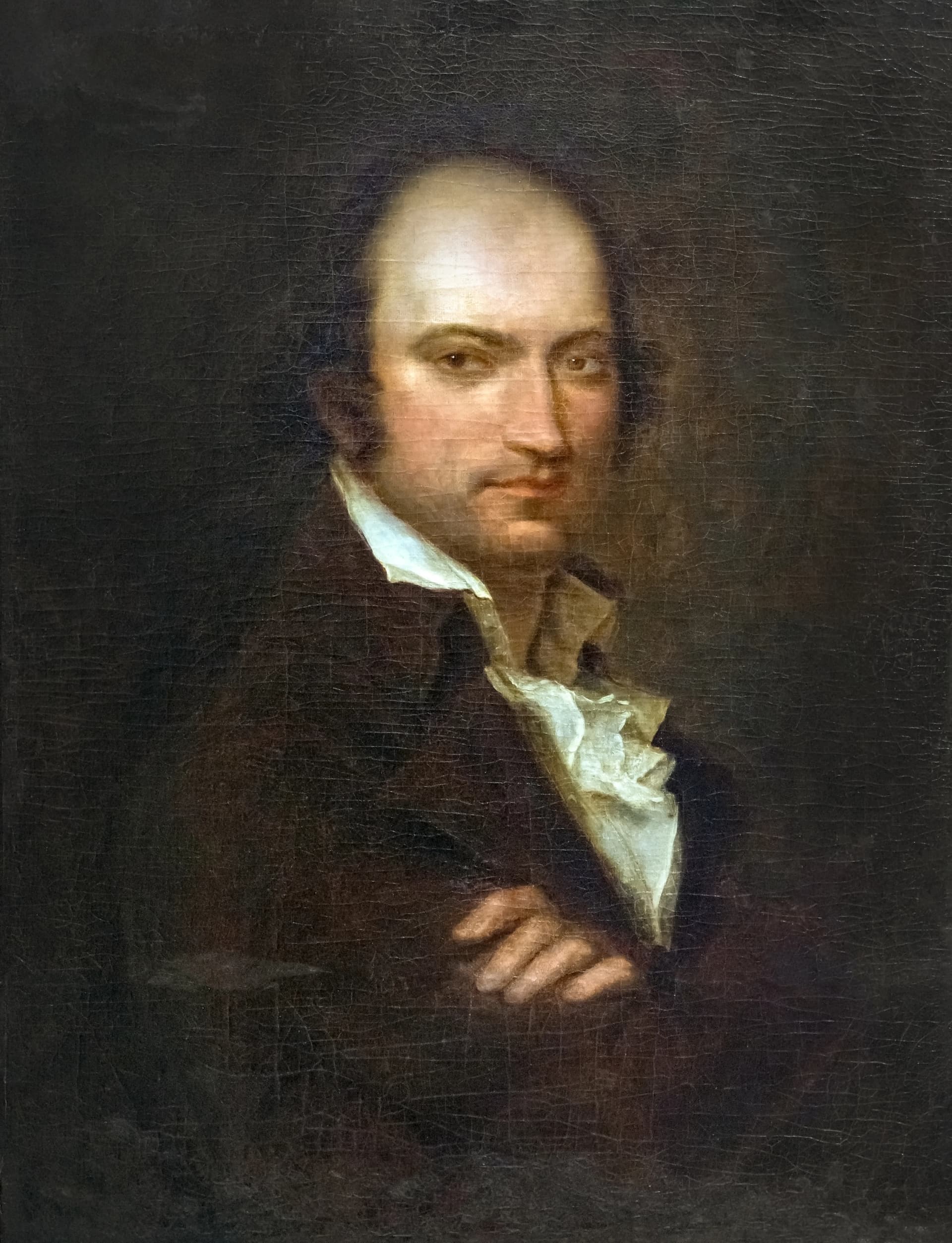
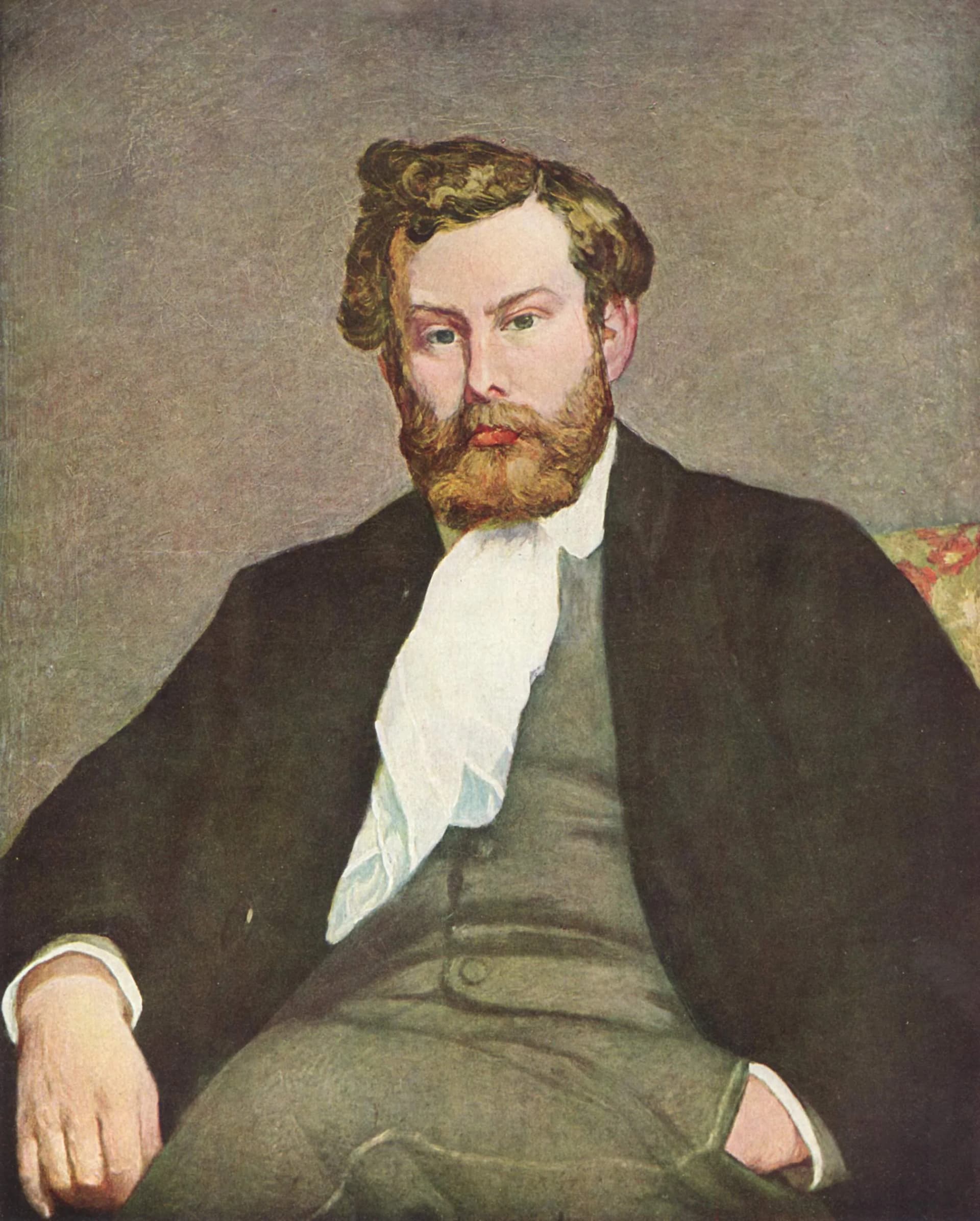
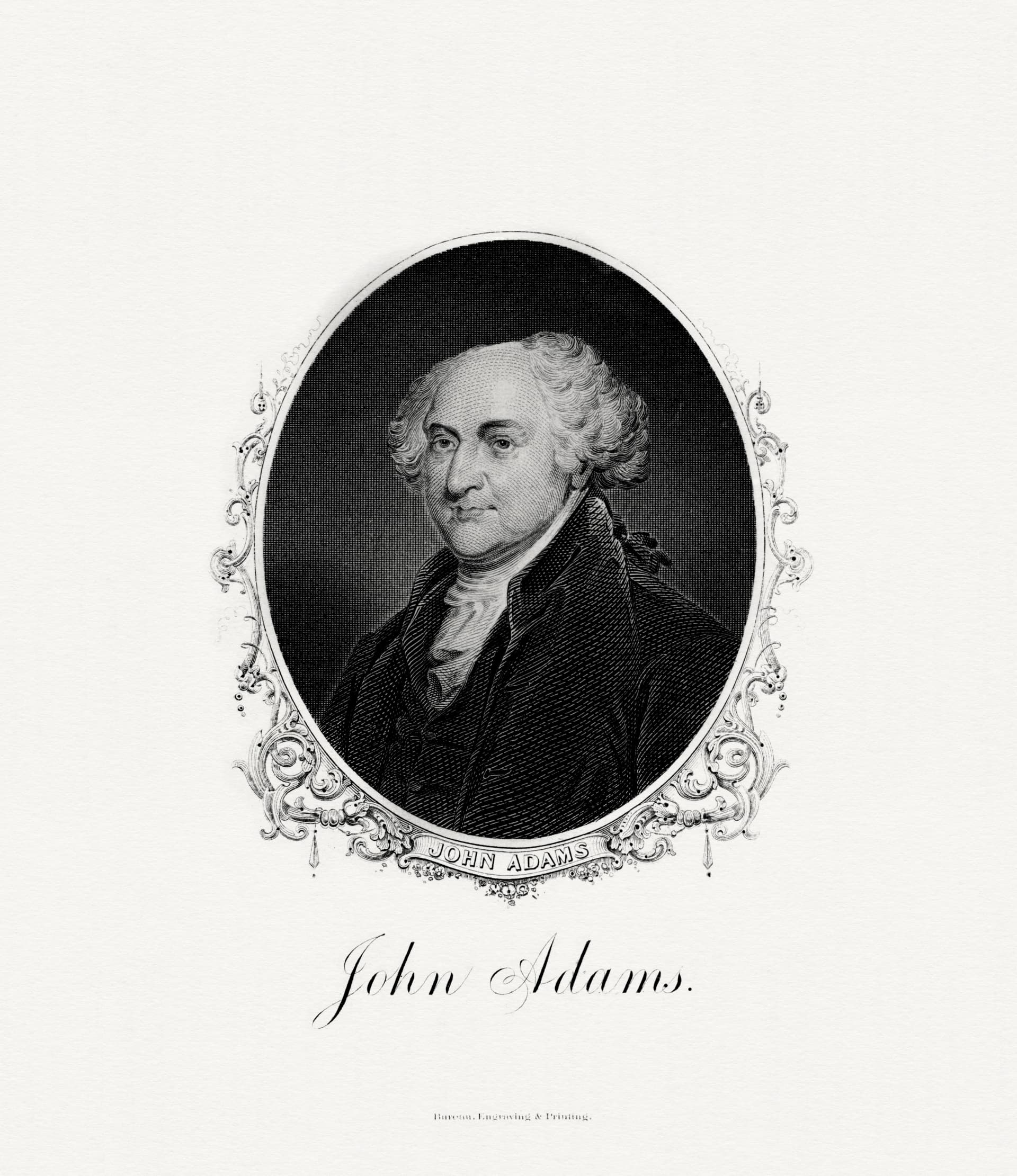
John Adams (1735–1826) was United States best known for Founding Father, U.S. president from 1797 to 1801.
John Adams (October 30, 1735 – July 4, 1826) was a Founding Father, U.S. president, lawyer, and diplomat from the United States. He was a key leader of the American Revolution and served as the second President of the United States. His extensive writings and diplomacy helped establish the nation's independence and early governance.
Një jetë në momente
Momentet që formësuan një jetë
Kapitulli
Kapitujt e jetës
Kapitulli 1 · 1735· Kapitulli 1 nga 8
Opening Tribute
John Adams (October 30, 1735 – July 4, 1826) was an American Founding Father and a pivotal figure in the nation’s formative years, serving as a writer, lawyer, politician, ambassador, diplomat, statesperson, and political philosopher. He holds the distinction of being the second president of the United States, guiding the young republic from 1797 to 1801. Adams was a leader of the American Revolution, championing the cause that achieved independence from Great Britain, and his extensive public service shaped the framework of American governance.
His intellectual contributions and unwavering commitment to public duty established him as a towering figure in American history. From his birth in Braintree to his death in Quincy, Adams dedicated his life to the ideals of self-governance and liberty. His legacy continues to inform and inspire, reflecting a profound engagement with the principles of a new nation.
Kapitulli 2 · 1735· Kapitulli 2 nga 8
Early Life and Origins
John Adams was born on October 30, 1735, in Braintree, located in what was then a British colony, now known as the United States. His upbringing in colonial Massachusetts instilled in him a strong sense of civic duty and a dedication to intellectual pursuits. This early environment fostered the foundational values that would later define his public career.
The town of Braintree provided the backdrop for his formative years, where he developed the keen analytical mind and oratorical skills that would serve him throughout his life. His early experiences undoubtedly shaped his perspectives on government and the rights of citizens, preparing him for the monumental tasks he would later undertake.
Kapitulli 3· Kapitulli 3 nga 8
Career Beginnings
Adams began his career as a lawyer, quickly establishing a reputation for his sharp intellect and principled approach to justice. His legal training provided a robust foundation for his later political and philosophical writings. It was in this professional capacity that he began to engage with the burgeoning political tensions of the time.
As a writer and political philosopher, Adams articulated powerful arguments for colonial rights and against British imperial policies. His early endeavors in law and writing paved the way for his deeper involvement in the American Revolution. He transitioned from legal practice to active politics, driven by the growing unrest and the desire for self-determination among the American colonies.
Kapitulli 4· Kapitulli 4 nga 8
Major Achievements and Career Highlights
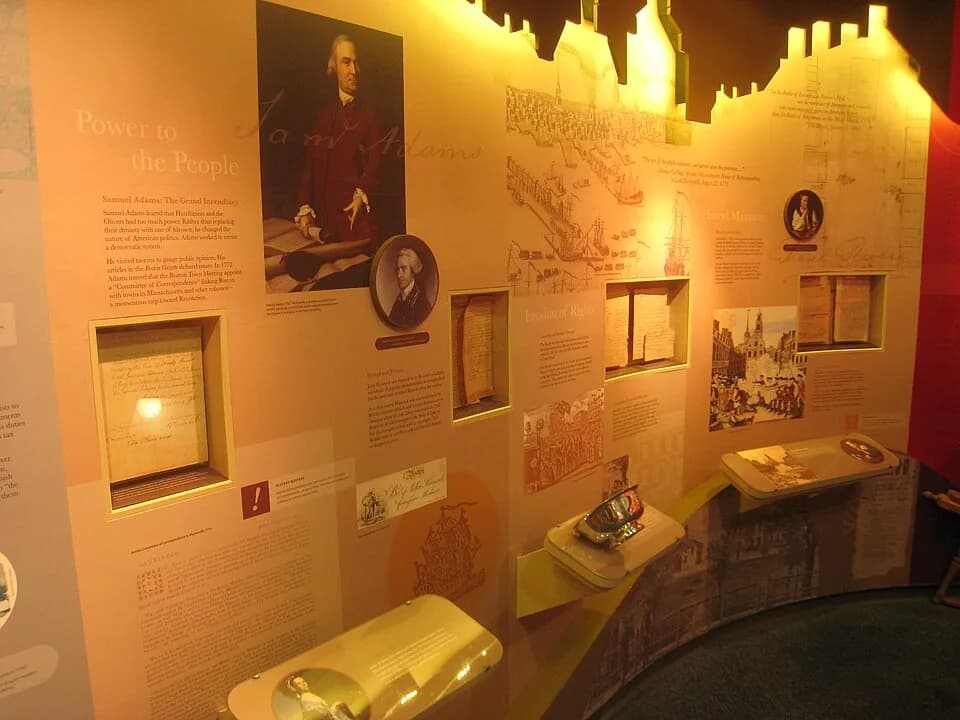
John Adams was a central leader of the American Revolution, playing a crucial role in the movement that secured independence from Great Britain. His leadership extended beyond rhetoric, as he actively participated in the Continental Congress. He was instrumental in shaping the early direction of the fledgling United States.
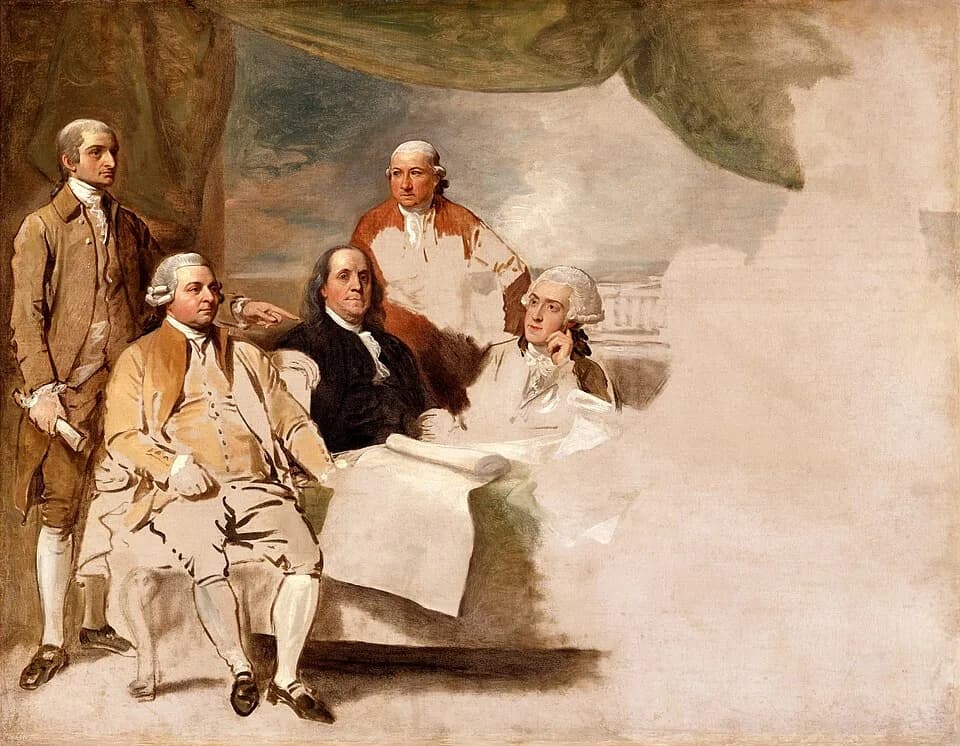
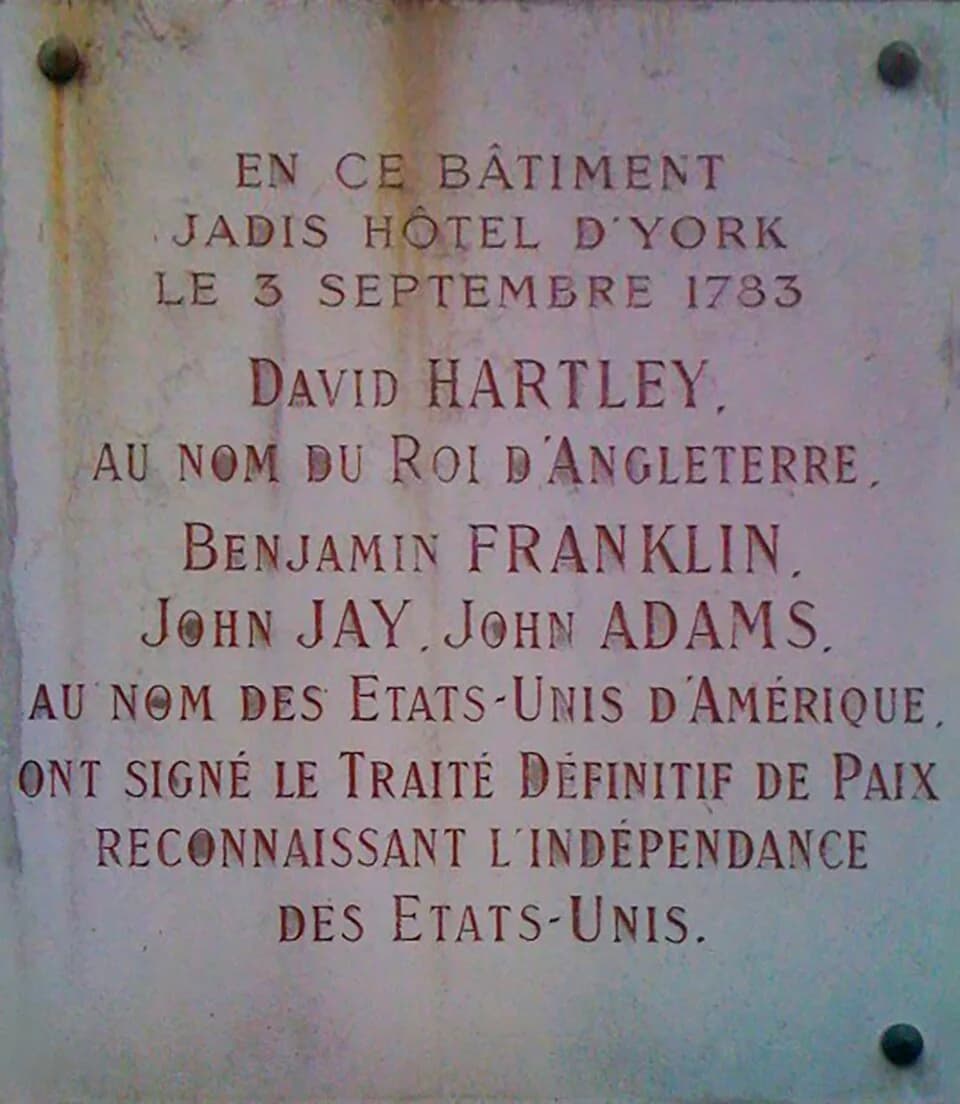
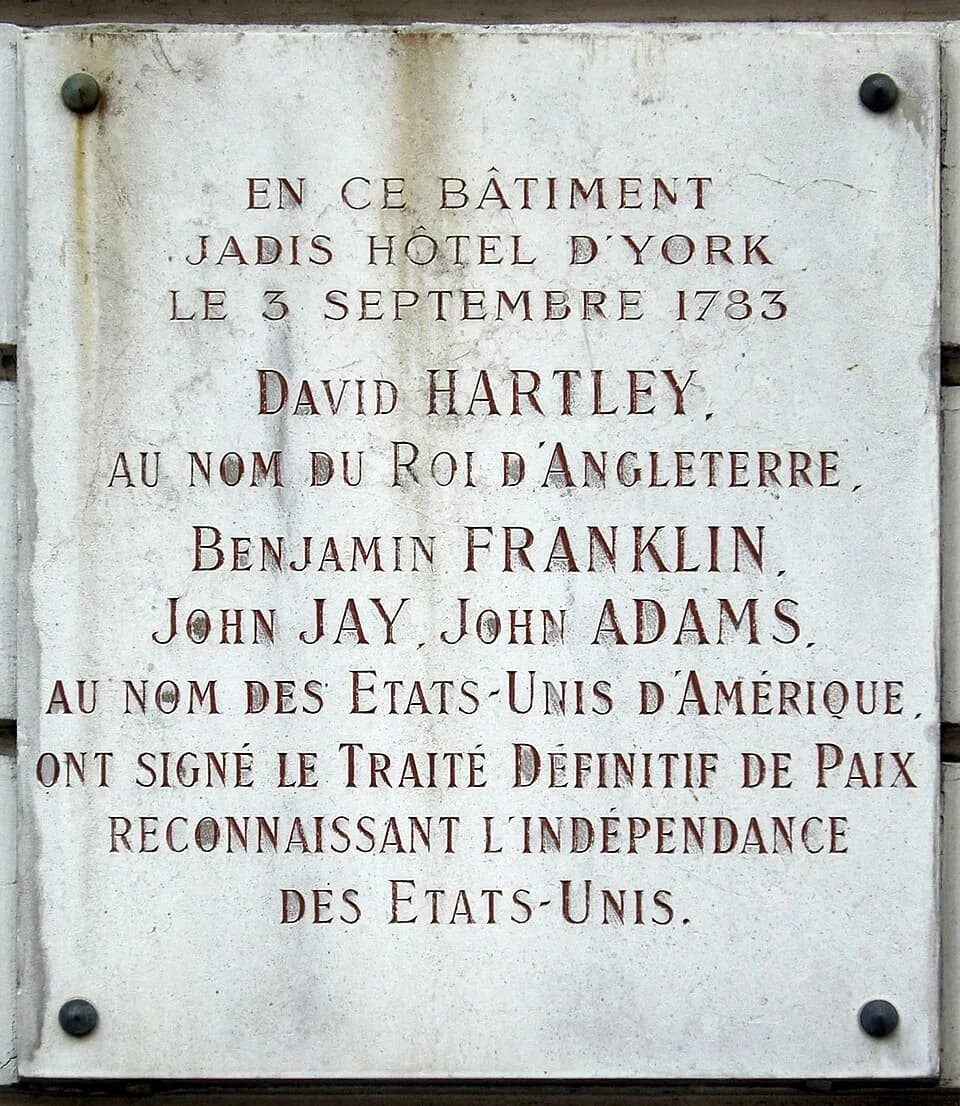
During the latter part of the Revolutionary War and in the initial years of the new nation, Adams served as a senior diplomat in Europe. This diplomatic service was critical for establishing international relations and securing support for the United States abroad. His efforts helped solidify the nation's standing on the global stage.
Upon his return, Adams became the first Vice President of the United States, serving two terms from 1789 to 1797 under President George Washington. Following Washington's retirement, Adams was elected the second president of the United States, leading the country from 1797 to 1801. His presidency marked a significant period in the young republic's history, navigating domestic challenges and international complexities.
Kapitulli 5· Kapitulli 5 nga 8
Personal Life
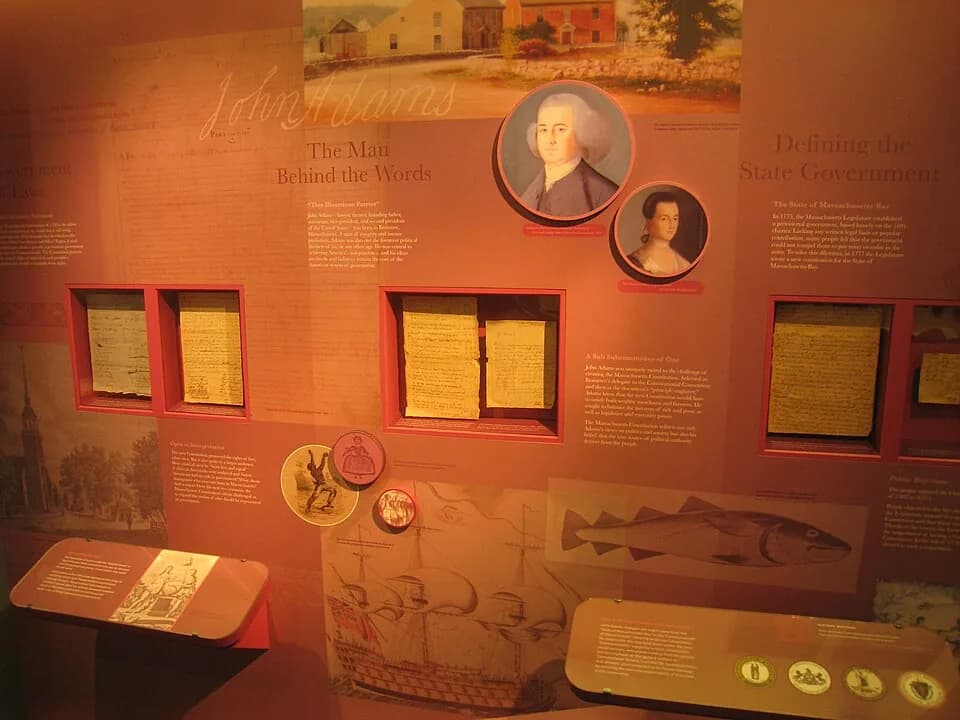
Beyond his public roles, John Adams maintained a rich personal life, characterized by extensive intellectual engagement and close relationships. He was a dedicated diarist, meticulously documenting his thoughts, experiences, and observations throughout his life. These diaries offer invaluable insights into the period and his personal journey.
Adams regularly corresponded with his contemporaries, including his wife and trusted advisor, Abigail Adams, whose intellect and counsel he highly valued. His correspondence also included a notable exchange with his friend and occasional rival, Thomas Jefferson. These letters reveal the depth of their intellectual discourse and the complexities of their political and personal bond.
Kapitulli 6· Kapitulli 6 nga 8
Notable Works or Contributions
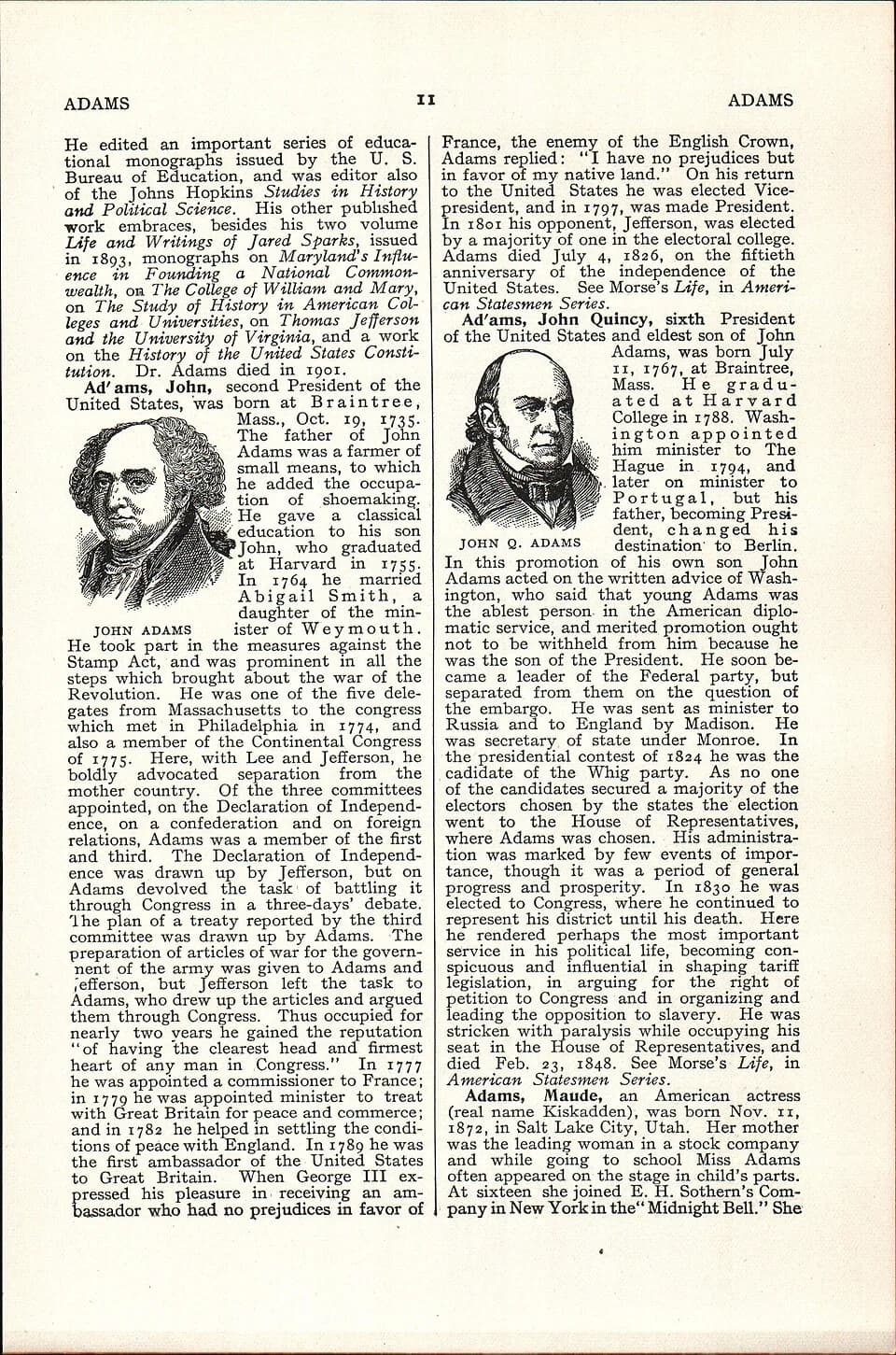
As a prolific writer and political philosopher, John Adams contributed significantly to American political thought through his various publications and official documents. Among his notable works are "A proclamation [to the people of the United States]" and the "Message from the President of the United States," which reflect his presidential duties and his communication with the populace. He also contributed to "The Inaugural speeches of Washington, Adams and Jefferson," showcasing his significant address.
His broader intellectual output includes "Pensées sur la révolution de l'Amérique-Unie, extraites de l'ouvrage anglois, intitulé Mémoire, adressé aux souverains de l'Europe, sur l'état présent des affaires de l'Ancien & du Nouveau-monde..." indicating his engagement with European perspectives on American independence. Other works like "Descripción de la parte española de Santo Domingo" and "Observations on the commerce of the American states with Europe and the West Indies" demonstrate his wide-ranging interests in international affairs and economic policy. His collection also includes "Propositions of Colonel Hamilton, of New-York, in the Convention for establishing a constitutional government for the United States" and a compilation of "Four letters."
Kapitulli 7 · 1801· Kapitulli 7 nga 8
Later Years
After concluding his term as president in 1801, John Adams retired from active public service. He returned to his home in Quincy, United States, where he continued his intellectual pursuits and extensive correspondence. His later years were marked by reflection on the nation he helped to create and the principles he championed.
John Adams passed away on July 4, 1826, in Quincy, United States, on the same day as his former friend and rival, Thomas Jefferson, and exactly 50 years after the Declaration of Independence was adopted. His death marked the end of an era, but his contributions to the foundation of American democracy remained strong.
Kapitulli 8· Kapitulli 8 nga 8
Legacy and Impact
John Adams left an enduring legacy as a Founding Father and one of the principal architects of the United States. His early leadership in the American Revolution was indispensable in achieving independence from Great Britain. His service as a diplomat in Europe secured crucial international standing for the new nation during its infancy.
As the first Vice President and second President, Adams established precedents and guided the young government through its initial challenges, firmly rooting democratic principles in practice. His extensive writings, diaries, and correspondence continue to be invaluable resources for understanding the revolutionary era and the early American republic. John Adams's unwavering dedication to justice, liberty, and the rule of law profoundly influenced the course of American history and continues to shape national identity.
Pyetje të shpeshta
Pyetje të bëra shpesh
Kur vdiq John Adams?
John Adams vdiq më 4 korrik 1826 në Quincy, United States, në moshën 90-vjeçare.
Ku lindi John Adams?
John Adams lindi në Braintree, United States më 30 tetor 1735.
Për çfarë është më i/e njohur John Adams?
John Adams është më i/e njohur për Founding Father, U.S. president from 1797 to 1801.
Sa vjeç ishte John Adams kur vdiq?
John Adams ishte 90 vjeç kur vdiq.
Çfarë kombësie kishte John Adams?
John Adams ishte nga United States.
Linja kohore
Jeta në një vështrim
- 1735
Opening Tribute
- 1735
Early Life and Origins
- 1801
Later Years
Galeri fotografike
Një jetë në fotografi
Klikoni çdo polaroid për ta zmadhuar · 25 foto
Kodi QR
Ndajeni Këtë Biografi
Printoni dhe Ndani
Skanoni për të vizituar këtë faqe biografie. Printojeni për ngjarje, ekspozita ose materiale edukative.