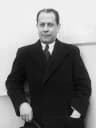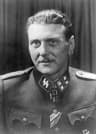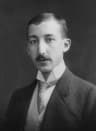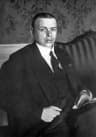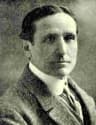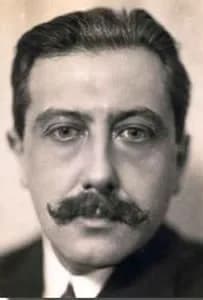
Lindur
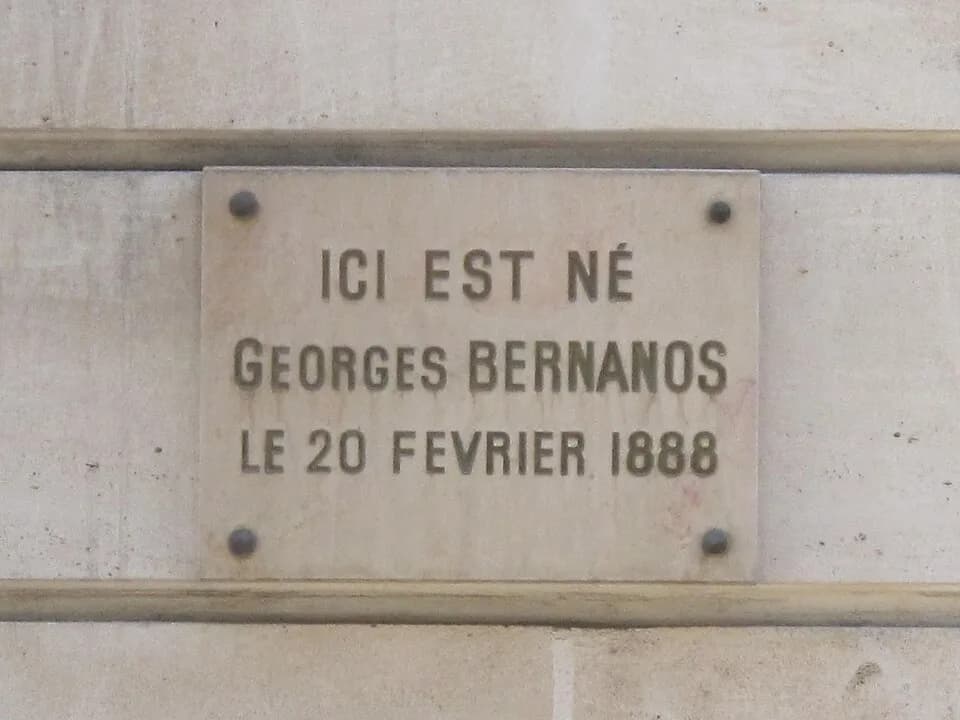
February 20, 1888
9th arrondissement of Paris, France
Vdekur
July 5, 1948
Neuilly-sur-Seine, France
I njohur për
French writer
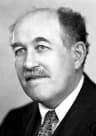
Georges Bernanos (1888–1948) was France best known for French writer.
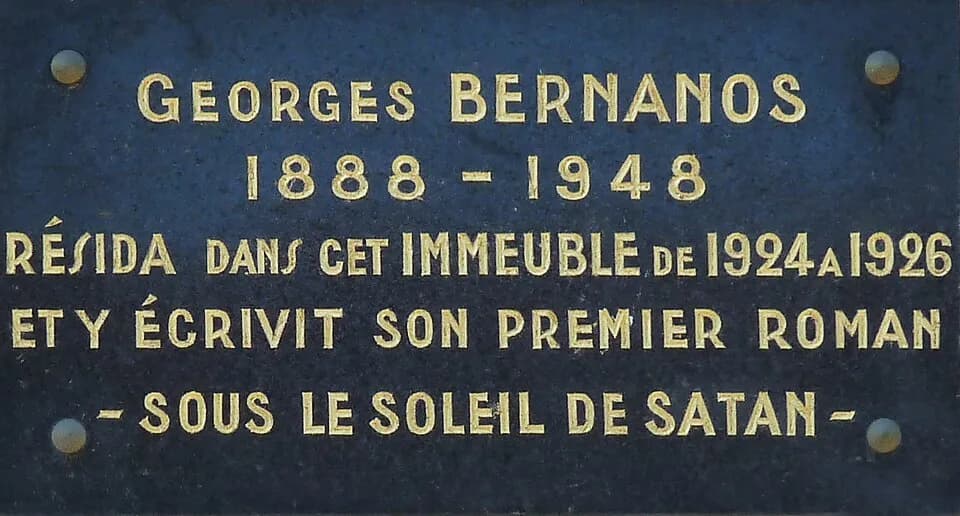
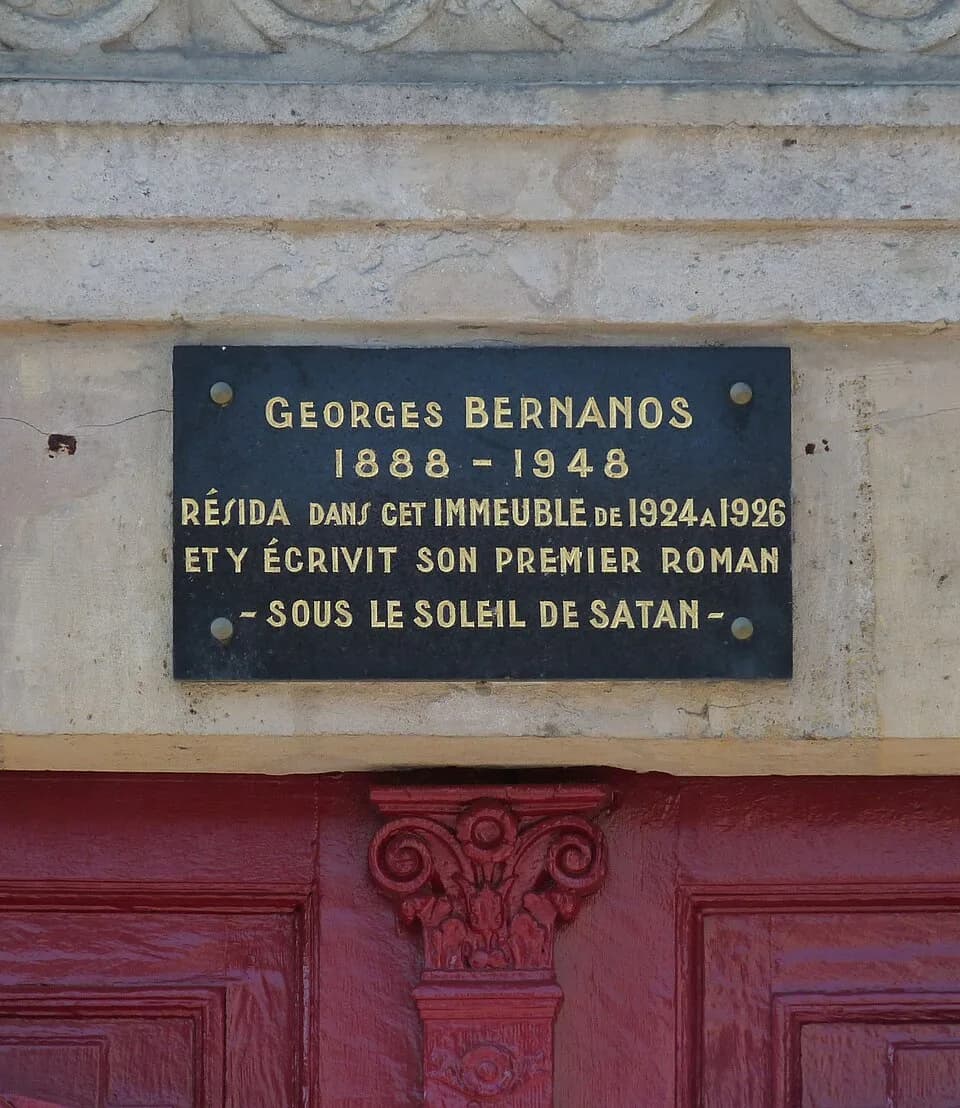
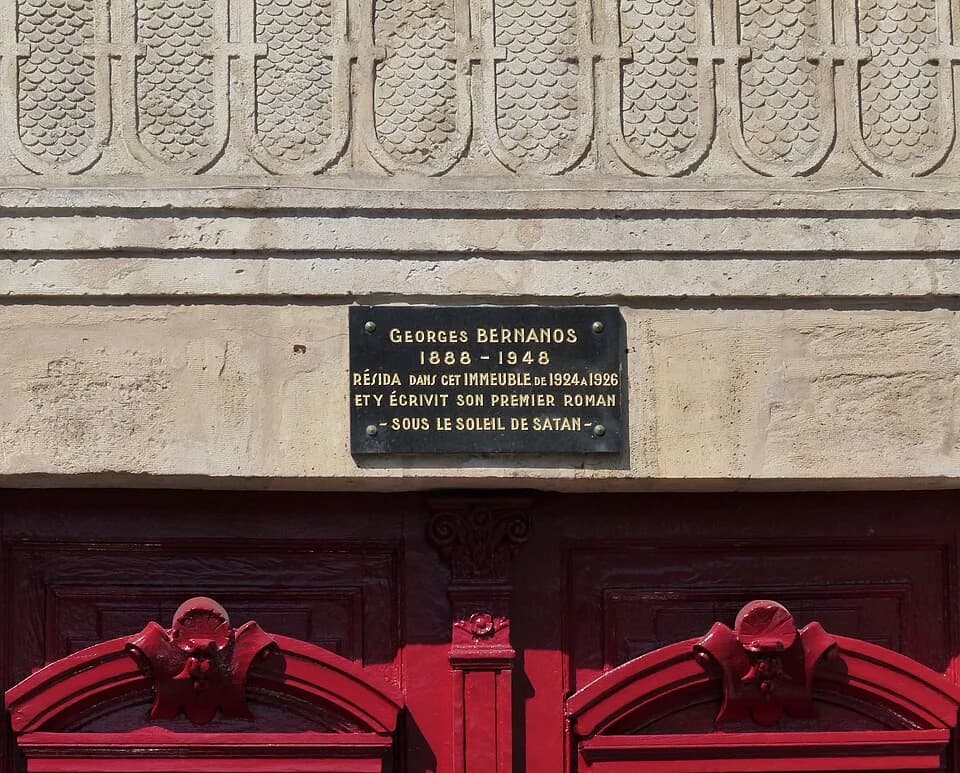
Georges Bernanos (February 20, 1888 – July 5, 1948) was a French writer from Paris, France. He was known for novels like *Sous le soleil de Satan* and *Journal d'un curé de campagne*, exploring themes of good versus evil through the lens of a parish priest. His works challenged elitist thought and defeatism, leaving a significant literary legacy.
Kapitulli
Kapitujt e jetës
Kapitulli 1 · 1888· Kapitulli 1 nga 8
An Enduring Voice in French Literature
We honor the memory of Louis Émile Clément Georges Bernanos, a distinguished French writer whose powerful narratives continue to resonate. Born on February 20, 1888, and passing on July 5, 1948, Bernanos was celebrated for his profound contributions as a novelist, journalist, librettist, and essayist. His unique voice, deeply rooted in Catholic thought and a keen critique of modern society, shaped a significant body of work that explored themes of good, evil, and despair.
Georges Bernanos dedicated his life to articulating complex moral and spiritual truths through his art. His literary career spanned decades, marked by works that often challenged prevailing social and political norms. He remains a figure of immense importance in 20th-century French literature, recognized for his uncompromising vision and evocative prose.
Kapitulli 2 · 1888· Kapitulli 2 nga 8
Early Life and Origins
Georges Bernanos was born in the historic 9th arrondissement of Paris, France, on February 20, 1888. His early life in the French capital laid the groundwork for a future dedicated to literary pursuits. While specific details of his upbringing are not extensively documented in available records, his Parisian origins undoubtedly contributed to his formation as an intellectual and artist within a rich cultural environment.
His French heritage and the societal currents of the late 19th and early 20th centuries deeply influenced his perspective. Bernanos would later draw upon these observations to construct the detailed social commentaries found throughout his published works. The period of his youth in France was one of significant change, providing a fertile ground for his critical consciousness to develop.
Kapitulli 3· Kapitulli 3 nga 8
Career Beginnings and Early Engagements
Georges Bernanos commenced his professional journey as a writer, quickly expanding his reach into journalism and eventually establishing himself as a novelist, librettist, and essayist. His early commitment to writing laid the foundation for a prolific career that would see him explore various forms of literary expression. These diverse roles allowed him to articulate his views on society, politics, and faith.
Before dedicating himself fully to literature, Bernanos served as a soldier in World War I, an experience that likely sharpened his understanding of human conflict and the fragility of peace. This direct engagement with the realities of war would later inform the moral gravity and intense psychological depth characteristic of his most famous novels. His early professional life was thus a blend of active service and burgeoning literary ambition.
Kapitulli 4· Kapitulli 4 nga 8
Major Achievements and Career Highlights
A devout Catholic with strong monarchist leanings, Georges Bernanos distinguished himself through his outspoken criticism of contemporary society. He was particularly vocal against what he perceived as elitist thought, which he believed undermined genuine spiritual and social values. This critical stance became a central pillar of his public and literary persona.
Bernanos also fiercely opposed what he identified as defeatism, a sentiment he believed played a significant role in France's vulnerability. He publicly asserted that this pervasive attitude ultimately contributed to France's defeat and subsequent occupation by Germany in 1940 during World War II. His courageous and often controversial views cemented his reputation as a writer deeply engaged with the political and moral health of his nation.
Kapitulli 5· Kapitulli 5 nga 8
Personal Convictions and Worldview
Georges Bernanos's personal life was profoundly shaped by his convictions as a Catholic and a monarchist. These deeply held beliefs were not merely passive opinions but active forces that informed his entire worldview and, by extension, his literary output. His faith provided a moral compass, while his monarchist leanings reflected a desire for order and tradition.
These personal leanings translated into a consistent critique of modern secularism and materialism throughout his writings. He frequently explored the spiritual struggles of individuals grappling with a world he saw as increasingly devoid of transcendent meaning. His unwavering principles were integral to both his character and the powerful themes he tackled in his novels and essays.
Kapitulli 6 · 1926· Kapitulli 6 nga 8
Notable Works and Enduring Contributions
Georges Bernanos is best known for two groundbreaking novels that solidified his place in French literature. *Sous le soleil de Satan*, published in 1926, introduced readers to his distinctive style and profound thematic concerns. Ten years later, in 1936, he released *Journal d'un curé de campagne* (Diary of a Country Priest), which further explored the spiritual and moral battles faced by a parish priest.
Both novels famously revolve around the struggles of a parish priest dedicated to combating evil and despair within the world, often at great personal cost. Beyond these masterpieces, Bernanos's bibliography includes significant works such as *Français, si vous saviez, 1945-1948*, *Nous autres Français*, *Écrits de combat*, *Jeanne relapse et sainte*, *imposture*, *Le Lendemain, c'est vous!*, and *Under the Sun of Satan*. Many of his novels have been translated into English, finding frequent publication in both Great Britain and the United States, thereby extending his reach to a global audience.
Kapitulli 7 · 1945· Kapitulli 7 nga 8
Later Years and Final Thoughts
Georges Bernanos continued to engage with the critical issues of his time through his writing into his later years. Works such as *Français, si vous saviez, 1945-1948*, published in the years immediately following World War II, demonstrate his ongoing commitment to public discourse and his reflections on the state of France. He remained a keen observer and a passionate critic, even as his health began to decline.
Georges Bernanos passed away on July 5, 1948, in Neuilly-sur-Seine, France. His death marked the end of a prolific literary career that spanned several tumultuous decades of French history. He left behind a legacy of powerful prose and unwavering convictions, securing his place as one of the 20th century's most compelling moral voices.
Kapitulli 8· Kapitulli 8 nga 8
Legacy and Impact
The literary legacy of Georges Bernanos continues to influence readers and writers around the world. His unflinching examination of faith, doubt, and the human condition remains relevant, offering deep insights into the spiritual struggles that transcend time. His novels, with their vividly drawn characters and intense psychological realism, have secured a lasting position in the canon of modern literature.
Bernanos's critiques of societal failings, particularly his warnings against elitist thought and defeatism, still resonate as timeless observations on civic and moral responsibility. Through the continued translation and publication of his works in various languages, his unique perspective on battling evil and despair remains accessible to new generations. Georges Bernanos is remembered not only for his masterful storytelling but also for his courage in challenging the status quo and championing a profound sense of human dignity and spiritual purpose.
Një jetë në momente
Momentet që formësuan një jetë
Pyetje të shpeshta
Pyetje të bëra shpesh
Kur vdiq Georges Bernanos?
Georges Bernanos vdiq më 5 korrik 1948 në Neuilly-sur-Seine, France, në moshën 60-vjeçare.
Ku lindi Georges Bernanos?
Georges Bernanos lindi në 9th arrondissement of Paris, France më 20 shkurt 1888.
Për çfarë është më i/e njohur Georges Bernanos?
Georges Bernanos është më i/e njohur për French writer.
Sa vjeç ishte Georges Bernanos kur vdiq?
Georges Bernanos ishte 60 vjeç kur vdiq.
Çfarë kombësie kishte Georges Bernanos?
Georges Bernanos ishte nga France.
Linja kohore
Jeta në një vështrim
Galeri fotografike
Një jetë në fotografi
Klikoni çdo polaroid për ta zmadhuar · 45 foto
Kodi QR
Ndajeni Këtë Biografi
Printoni dhe Ndani
Skanoni për të vizituar këtë faqe biografie. Printojeni për ngjarje, ekspozita ose materiale edukative.