Lindur
May 22, 1792
Paris, France
Vdekur
September 19, 1843
Paris, France
I njohur për
French mathematician, mechanical engineer, and scientist
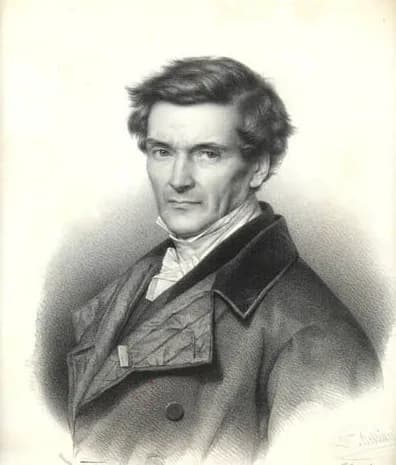
Gaspard-Gustave de Coriolis (1792–1843) was France best known for French mathematician, mechanical engineer, and scientist.
Gaspard-Gustave de Coriolis (May 22, 1792 – September 19, 1843) was a French mathematician, mechanical engineer, and scientist. He is best known for his work on the Coriolis effect and for defining the modern concept of kinetic energy. His contributions profoundly shaped the understanding of dynamics and energy transfer in physics.
Kapitulli
Kapitujt e jetës
Kapitulli 1 · 1792· Kapitulli 1 nga 6
Early Life and Origins
Gaspard-Gustave de Coriolis was born in the culturally rich and intellectually vibrant city of Paris, France, on May 22, 1792. His birth occurred amidst a period of significant scientific and philosophical ferment in Europe, an era ripe for individuals with a keen intellect and a rigorous scientific approach. Though specific details of his early family life and upbringing are not widely documented, it is evident that his environment fostered a strong aptitude for mathematics and the sciences. This foundational period in Paris would undoubtedly have influenced his path towards a career dedicated to rigorous inquiry and the advancement of knowledge in mechanics and engineering.
Kapitulli 2· Kapitulli 2 nga 6
Career Beginnings
Coriolis embarked on a diverse and impactful professional journey, distinguishing himself as an engineer, mathematician, physicist, and university teacher. His multifaceted expertise allowed him to bridge theoretical concepts with practical applications, a hallmark of his most significant work. Early in his career, Coriolis likely applied his engineering skills to practical problems, while his role as a mathematician and physicist provided the rigorous analytical framework necessary for his later theoretical breakthroughs. As a university teacher, he would have imparted his deep understanding of mechanics to future generations of scientists and engineers, influencing many through his pedagogical efforts.
Kapitulli 3· Kapitulli 3 nga 6
Major Achievements and Career Highlights
Among Coriolis's most celebrated contributions is his seminal work on the supplementary forces that become detectable within a rotating frame of reference, a phenomenon now universally recognized as the Coriolis effect. His meticulous analysis provided the mathematical framework to understand how objects appear to deflect when viewed from such a system, despite no direct physical force acting upon them. This conceptual breakthrough has had far-reaching implications, becoming indispensable in fields ranging from meteorology and oceanography to ballistics and gyroscopic engineering.
Beyond the Coriolis effect, he made a crucial terminological and conceptual advancement in the study of energy. Gaspard-Gustave de Coriolis was the first to precisely apply the term 'travail'—which translates to 'work' in English—to describe the transfer of energy by a force acting through a distance. This articulation provided a clear and concise definition for a fundamental concept in physics, distinguishing energy transfer from energy itself and solidifying the language of classical mechanics.
Furthermore, Coriolis played a pivotal role in refining the definition of kinetic energy. He notably prefixed the factor of +1/2 to Gottfried Wilhelm Leibniz's original concept of 'vis viva' (living force). This precise mathematical adjustment helped to establish the modern formula for kinetic energy as 1/2 mv², a definition that remains a cornerstone of classical mechanics. His insight brought greater clarity and consistency to the quantification of motion and energy, moving the field towards its contemporary understanding.
Kapitulli 4· Kapitulli 4 nga 6
Notable Works or Contributions
Coriolis's academic output, though concise, was deeply influential, reflected in an h-index of 4 based on his four key papers. His most cited work, "Sur les équations du mouvement relatif des systèmes de corps," despite the publication date being unrecorded, garnered 89 citations, a clear indication of its profound impact on the study of relative motion. This paper undoubtedly laid the groundwork or elaborated upon the principles behind what would become known as the Coriolis effect, addressing the complex dynamics of systems in motion relative to a rotating frame.
Another significant contribution was his "Théorie mathématique des effets du jeu de billard," which accumulated 28 citations. This work demonstrates Coriolis's ability to apply advanced mathematical and mechanical principles to understand and predict phenomena in seemingly simple, everyday contexts. By analyzing the mechanics of a game like billiards, he illustrated the practical implications of his theoretical frameworks, making complex physics accessible and demonstrable.
His work titled "Du calcul de l'effet des machines, ou, Considérations sur l'emploi des moteurs et sur leur évaluation : pour servir d'introduction à l'étude spéciale des machines" received 23 citations. This publication highlights his dedication to mechanical engineering and his focus on the efficiency and evaluation of machines. It underscores his commitment to practical applications of physics, providing engineers with methodologies to assess and optimize mechanical systems. Finally, "Traité de la mécanique des corps solides et du calcul de l'effet des machinesj," published in 1968 and cited 4 times, likely represents a later compilation or re-release of his enduring work, testament to the lasting relevance of his contributions to solid mechanics and machine design.
Kapitulli 5 · 1843· Kapitulli 5 nga 6
Later Years
Gaspard-Gustave de Coriolis's dedicated life of scientific inquiry concluded in his native Paris, France, on September 19, 1843, at the age of 51. Despite his relatively young age at the time of his passing, he had already established a formidable legacy that would profoundly influence future generations of scientists and engineers. His final years were spent solidifying his theories and sharing his knowledge, leaving behind a body of work that would be meticulously studied and built upon for centuries to come. His commitment to precision and innovation remained steadfast throughout his distinguished career.
Kapitulli 6· Kapitulli 6 nga 6
Legacy and Impact
The enduring legacy of Gaspard-Gustave de Coriolis is evident in the fundamental concepts that bear his name and are integrated into the very fabric of modern science and engineering. The Coriolis effect, his most famous contribution, is an indispensable concept for understanding global weather patterns, ocean currents, and the trajectories of long-range projectiles. His clarification of 'work' as a transfer of energy provided a clear language that enabled physicists to more accurately describe and quantify energetic interactions.
Furthermore, his refinement of the definition of kinetic energy was a crucial step in the evolution of classical mechanics, making energy calculations more precise and consistent. Coriolis's work consistently demonstrates a remarkable ability to transform abstract mathematical principles into tangible, applicable insights. He not only described complex physical phenomena but also provided the mathematical tools necessary to predict and harness them, ensuring his place as a pioneering figure in the history of science. His influence continues to resonate in classrooms, laboratories, and engineering applications around the world.
Një jetë në momente
Momentet që formësuan një jetë
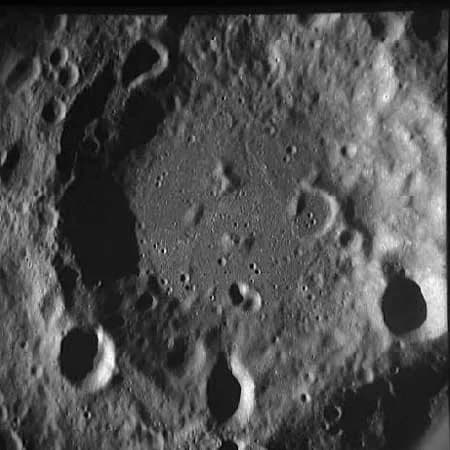
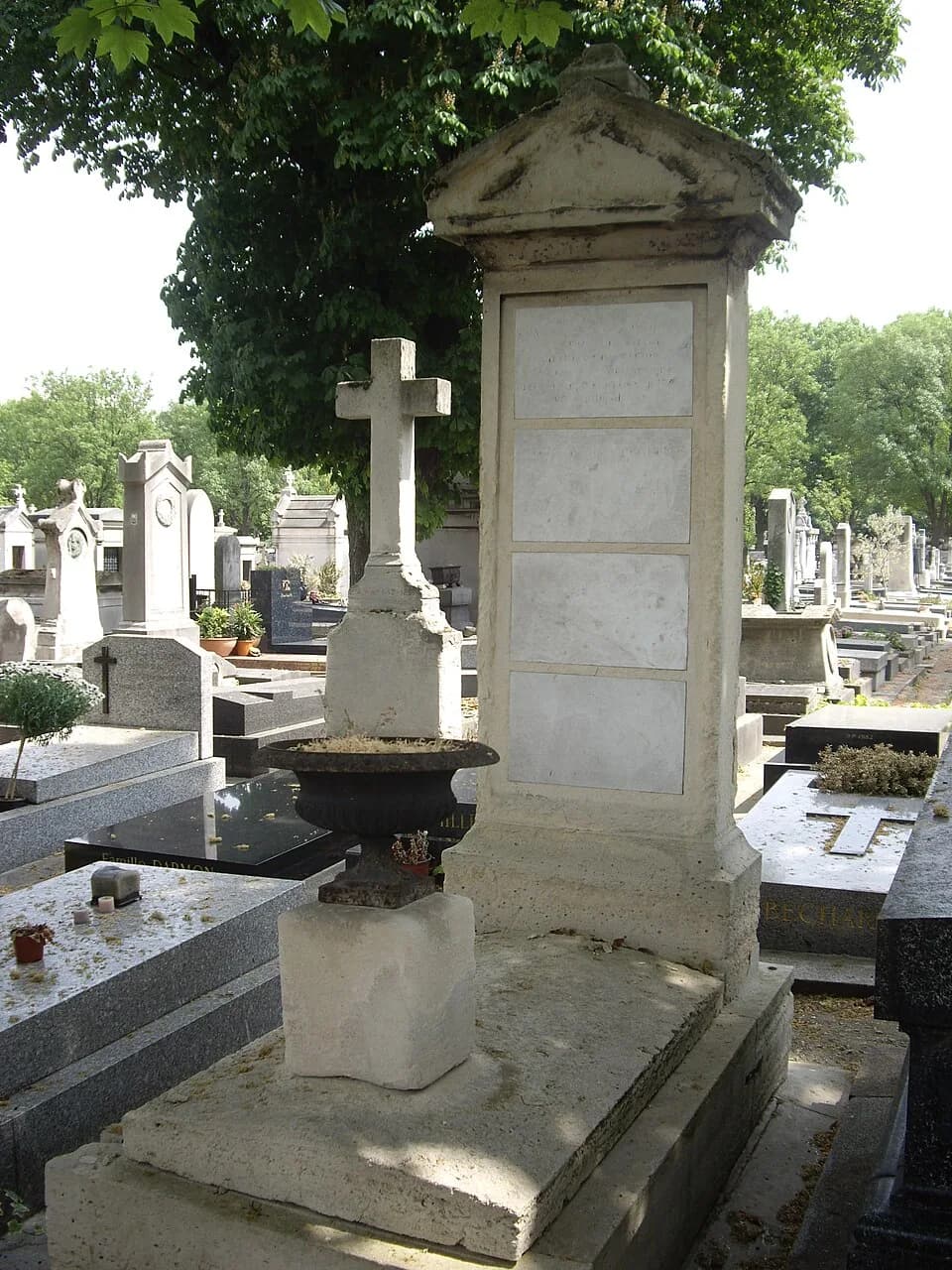
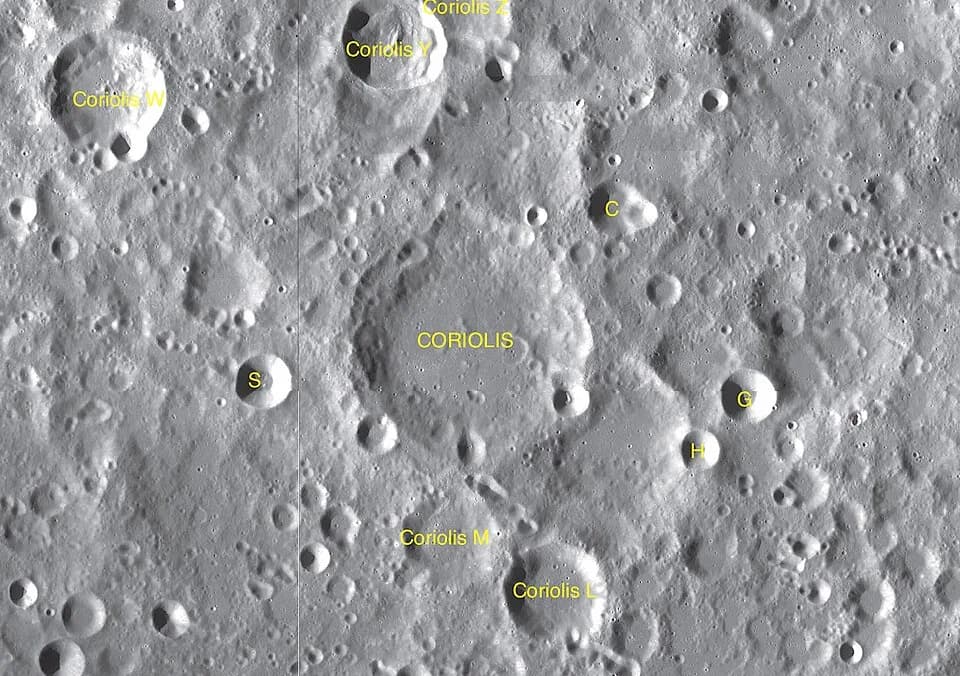
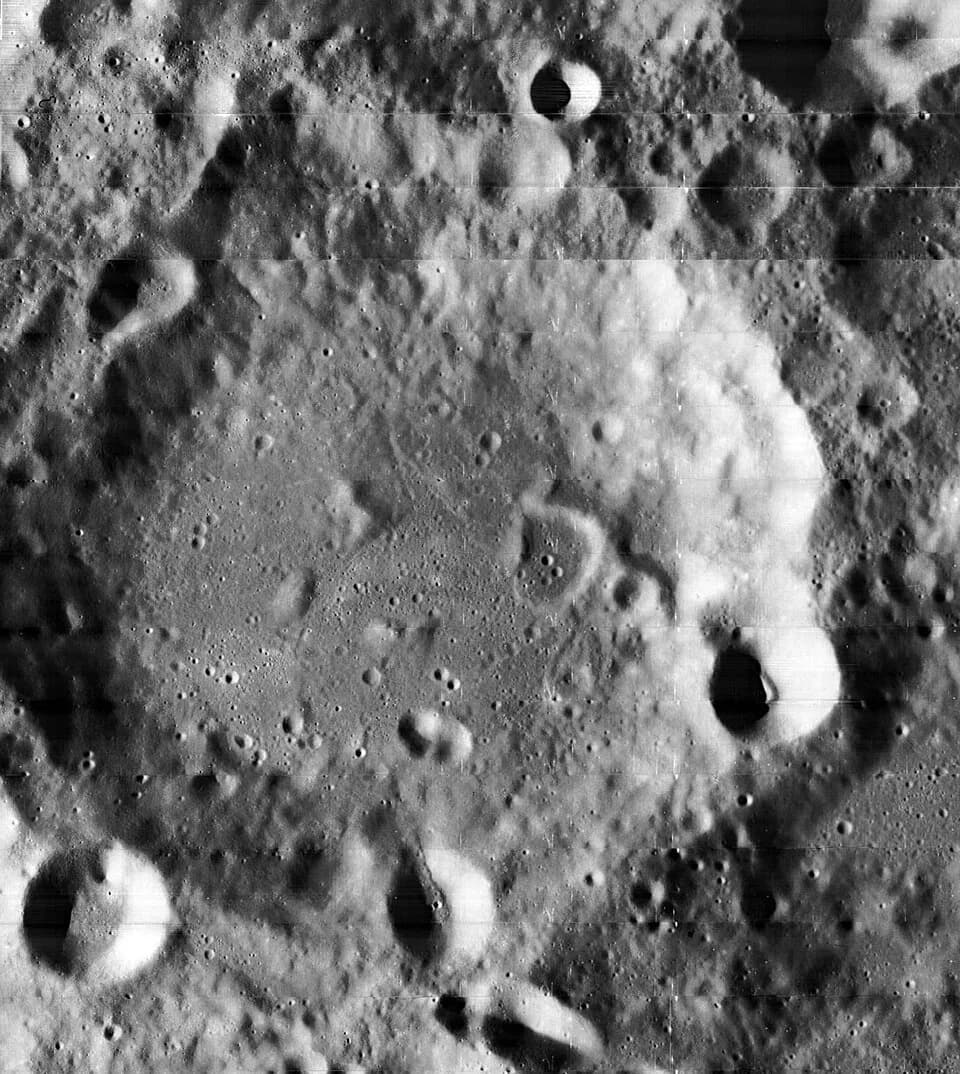
Pyetje të shpeshta
Pyetje të bëra shpesh
Kur vdiq Gaspard-Gustave de Coriolis?
Gaspard-Gustave de Coriolis vdiq më 19 shtator 1843 në Paris, France, në moshën 51-vjeçare.
Ku lindi Gaspard-Gustave de Coriolis?
Gaspard-Gustave de Coriolis lindi në Paris, France më 22 maj 1792.
Për çfarë është më i/e njohur Gaspard-Gustave de Coriolis?
Gaspard-Gustave de Coriolis është më i/e njohur për French mathematician, mechanical engineer, and scientist.
Sa vjeç ishte Gaspard-Gustave de Coriolis kur vdiq?
Gaspard-Gustave de Coriolis ishte 51 vjeç kur vdiq.
Çfarë kombësie kishte Gaspard-Gustave de Coriolis?
Gaspard-Gustave de Coriolis ishte nga France.
Linja kohore
Jeta në një vështrim
Galeri fotografike
Një jetë në fotografi
Klikoni çdo polaroid për ta zmadhuar · 47 foto
Kodi QR
Ndajeni Këtë Biografi
Printoni dhe Ndani
Skanoni për të vizituar këtë faqe biografie. Printojeni për ngjarje, ekspozita ose materiale edukative.