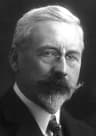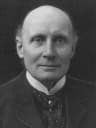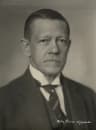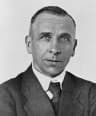
Lindur
October 10, 1861
Vestre Aker, Norway
Vdekur
May 13, 1930
Polhøgda, Norway
I njohur për
Norwegian polar explorer and diplomat; Nobel Peace Prize laureate
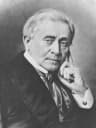
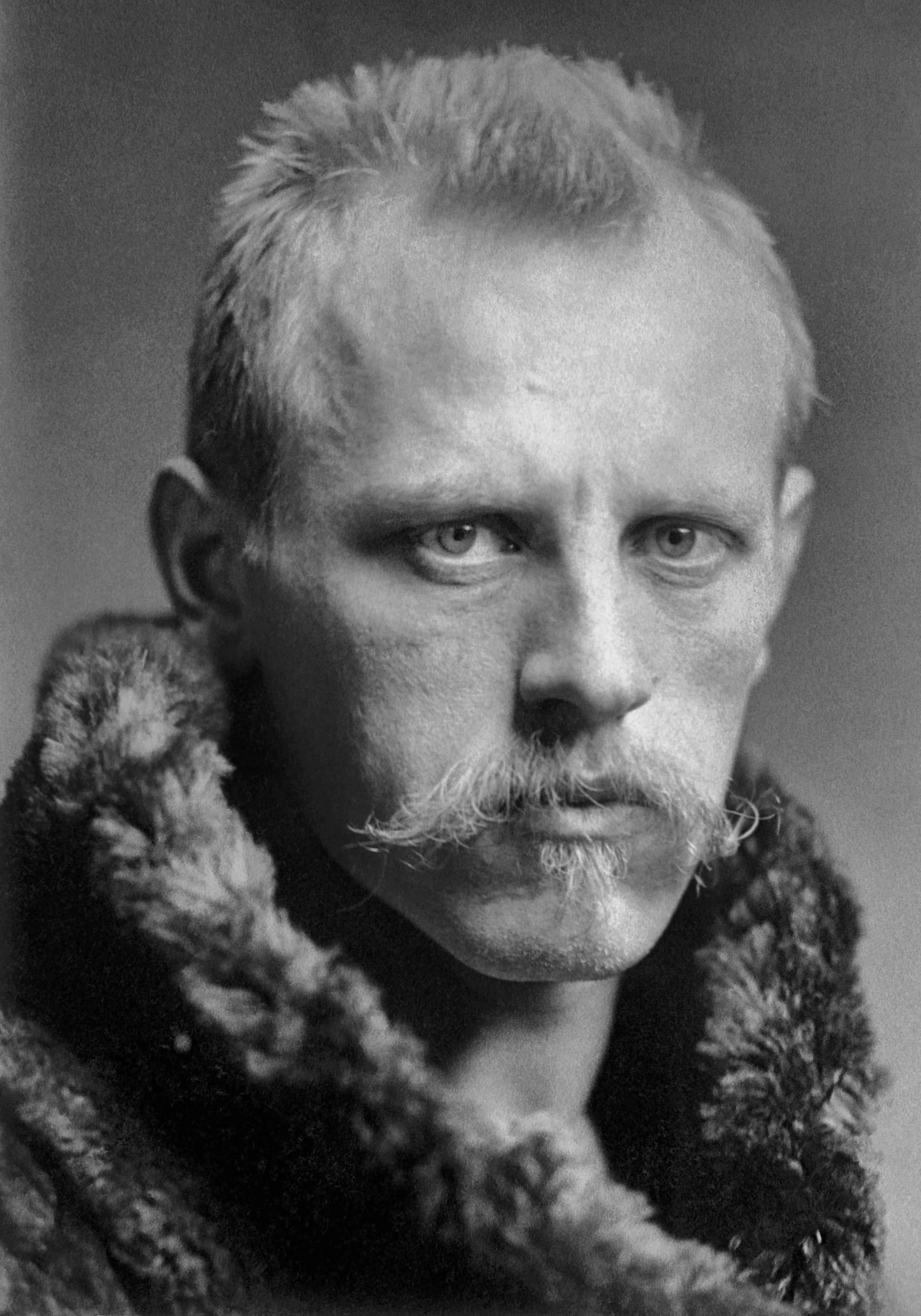
Fridtjof Nansen (1861–1930) was Norway best known for Norwegian polar explorer and diplomat; Nobel Peace Prize laureate.
Fridtjof Nansen (October 10, 1861 – May 13, 1930) was a Norwegian polar explorer, diplomat, and Nobel Peace Prize laureate. He was renowned for his Arctic expeditions and later for his humanitarian efforts with the League of Nations. His contributions significantly advanced both scientific understanding and international refugee aid.
Kapitulli
Kapitujt e jetës
Kapitulli 1 · 1861· Kapitulli 1 nga 8
Fridtjof Nansen: An Enduring Legacy of Exploration and Compassion
Fridtjof Nansen (October 10, 1861 – May 13, 1930) was a Norwegian polymath, celebrated as a pioneering polar explorer, a distinguished scientist, and an influential diplomat. Born in Vestre Aker, Norway, his remarkable life journey led him from audacious Arctic expeditions to becoming a tireless international humanitarian. Nansen’s diverse contributions, encompassing zoology, oceanography, politics, and diplomacy, ultimately earned him the Nobel Peace Prize in 1922 for his extraordinary efforts in repatriating prisoners of war and aiding countless refugees.
Kapitulli 2 · 1861· Kapitulli 2 nga 8
Early Life and Origins
Fridtjof Wedel-Jarlsberg Nansen was born on October 10, 1861, in Vestre Aker, Norway, a setting that likely instilled in him an early appreciation for nature and exploration. While detailed family history is not explicitly provided, his multifaceted career strongly suggests an upbringing with access to robust education and opportunities. From a young age, Nansen demonstrated a keen intellect and a diverse range of talents, including a passion for scientific inquiry and a remarkable athletic ability, evident in his early pursuit of speed skating.
Kapitulli 3· Kapitulli 3 nga 8
Career Beginnings
Nansen's professional path began firmly rooted in science, where he established himself as a zoologist and scientific collector. His early academic work included detailed studies like “On hydrometers and the surface tension of liquids” and “On the development and structure of the whale,” showcasing his rigorous approach to research. These foundational scientific endeavors provided him with the analytical skills and deep understanding of natural phenomena that would later prove essential for his challenging polar expeditions. His athletic background in speed skating also hinted at the physical endurance and mental fortitude characteristic of his later explorations.
Kapitulli 4 · 1888· Kapitulli 4 nga 8
Major Achievements and Career Highlights
Fridtjof Nansen's career was distinguished by several extraordinary achievements across various domains. He gained initial international prominence for his audacious 1888 crossing of Greenland on skis, an expedition vividly recounted in his book “Paa ski over Grønland.” Following this, he led the ambitious Fram expedition into the Arctic Ocean from 1893 to 1896, pushing the boundaries of polar exploration and scientific oceanography. His later life saw a significant shift to humanitarian work, culminating in the prestigious Nobel Peace Prize in 1922, awarded for his leading role in the repatriation of prisoners of war and his international relief efforts as the League of Nations' High Commissioner for refugees.
Kapitulli 5· Kapitulli 5 nga 8
Personal Life
While specific details regarding Fridtjof Nansen's intimate personal relationships are not extensively documented in the provided information, his life was evidently rich with intellectual pursuits and a deep commitment to public service. Beyond his professional titles, he was also known as a writer and a photographer, suggesting a reflective and artistic side to his personality. His enduring connection to Norway, from his birth in Vestre Aker to his death in Polhøgda, highlights a profound attachment to his homeland. Nansen’s role as a politician and co-founder of the Fatherland League further indicates his active engagement with civic life and national identity.
Kapitulli 6· Kapitulli 6 nga 8
Notable Works or Contributions
Nansen was a prolific writer, documenting his scientific findings, travels, and humanitarian work for a wide audience. His bibliography includes detailed accounts of his expeditions such as “Gjennem Kaukasus til Volga” (Through the Caucasus to the Volga) and “På ski over Polhavet.” Beyond exploration, his commitment to international affairs is reflected in works like the “Draft report to the Assembly by Dr. Nansen on the work undertaken in connection with the repatriation of prisoners of war” and “Rusland og freden” (Russia and Peace). He also contributed academic papers, with “Das Bodenwasser und die Abkühlung des Meeres” being his top-cited work with 72 citations, alongside “Sibirien : ein Zukunftsland” and “Die jährlichen Schwankungen der Wassermassen im norwegischen Nordmeer,” demonstrating his scientific depth.
Kapitulli 7 · 1930· Kapitulli 7 nga 8
Later Years
In his later years, Fridtjof Nansen dedicated himself almost entirely to diplomatic and humanitarian causes, shifting from the icy expanses of the poles to the urgent needs of post-World War I Europe. He served with distinction as the League of Nations' High Commissioner for refugees, playing a crucial role in repatriating hundreds of thousands of prisoners of war and aiding stateless individuals, many of whom benefited from the “Nansen passport.” His work with Russian refugees, detailed in his related publications, became a cornerstone of his international peace efforts. Nansen passed away peacefully in Polhøgda, Norway, on May 13, 1930, after a life defined by tireless service.
Kapitulli 8· Kapitulli 8 nga 8
Legacy and Impact
The legacy of Fridtjof Nansen is exceptionally broad, influencing science, exploration, and international diplomacy. As a polar explorer, he forever altered our understanding of the Arctic, pioneering new techniques and collecting invaluable scientific data that contributed significantly to oceanography and meteorology. His humanitarian work set a global precedent for addressing refugee crises and statelessness, establishing the Nansen International Office for Refugees which continued his work posthumously. Nansen remains an enduring symbol of courage, scientific inquiry, and compassionate global citizenship, demonstrating how one person can combine scientific rigor with a profound commitment to human welfare.
Një jetë në momente
Momentet që formësuan një jetë
Pyetje të shpeshta
Pyetje të bëra shpesh
Kur vdiq Fridtjof Nansen?
Fridtjof Nansen vdiq më 13 maj 1930 në Polhøgda, Norway, në moshën 68-vjeçare.
Ku lindi Fridtjof Nansen?
Fridtjof Nansen lindi në Vestre Aker, Norway më 10 tetor 1861.
Për çfarë është më i/e njohur Fridtjof Nansen?
Fridtjof Nansen është më i/e njohur për Norwegian polar explorer and diplomat; Nobel Peace Prize laureate.
Sa vjeç ishte Fridtjof Nansen kur vdiq?
Fridtjof Nansen ishte 68 vjeç kur vdiq.
Çfarë kombësie kishte Fridtjof Nansen?
Fridtjof Nansen ishte nga Norway.
Linja kohore
Jeta në një vështrim
Galeri fotografike
Një jetë në fotografi
Klikoni çdo polaroid për ta zmadhuar · 50 foto
Kodi QR
Ndajeni Këtë Biografi
Printoni dhe Ndani
Skanoni për të vizituar këtë faqe biografie. Printojeni për ngjarje, ekspozita ose materiale edukative.