Lindur
September 8, 1830
Maillane, France
Vdekur
March 25, 1914
Maillane, France
I njohur për
Provençal writer, poet, lexicographer and founder of Le Félibrige
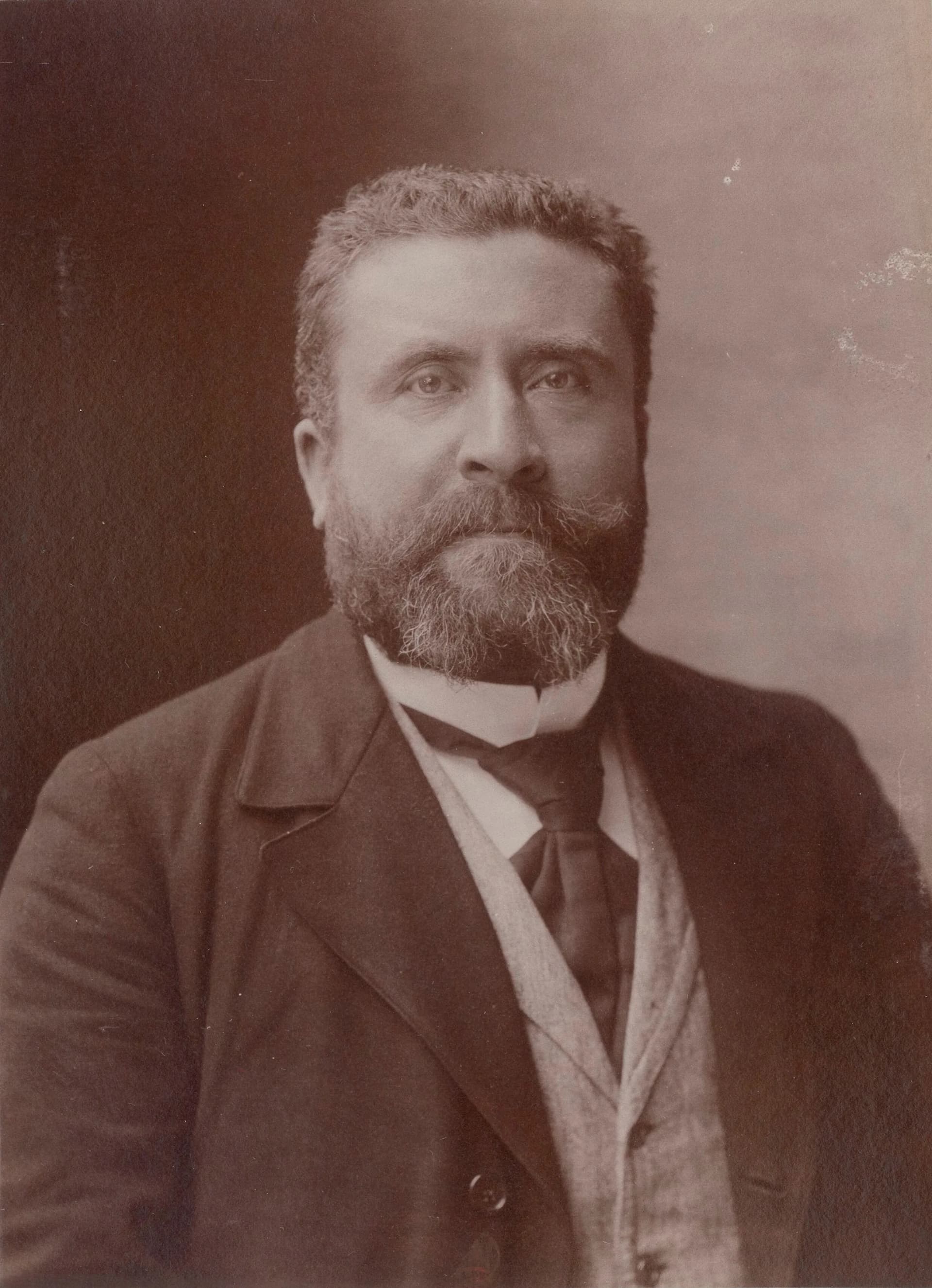
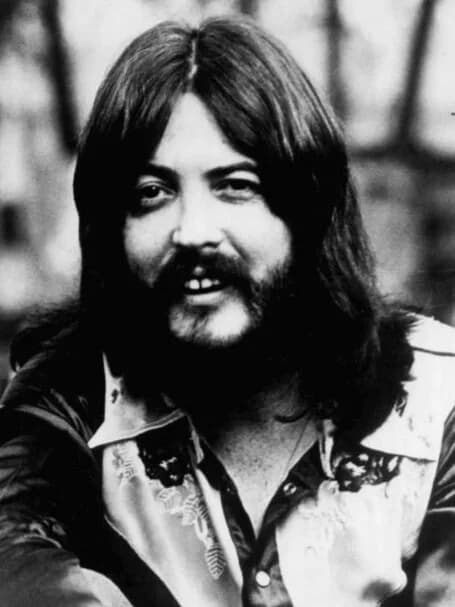
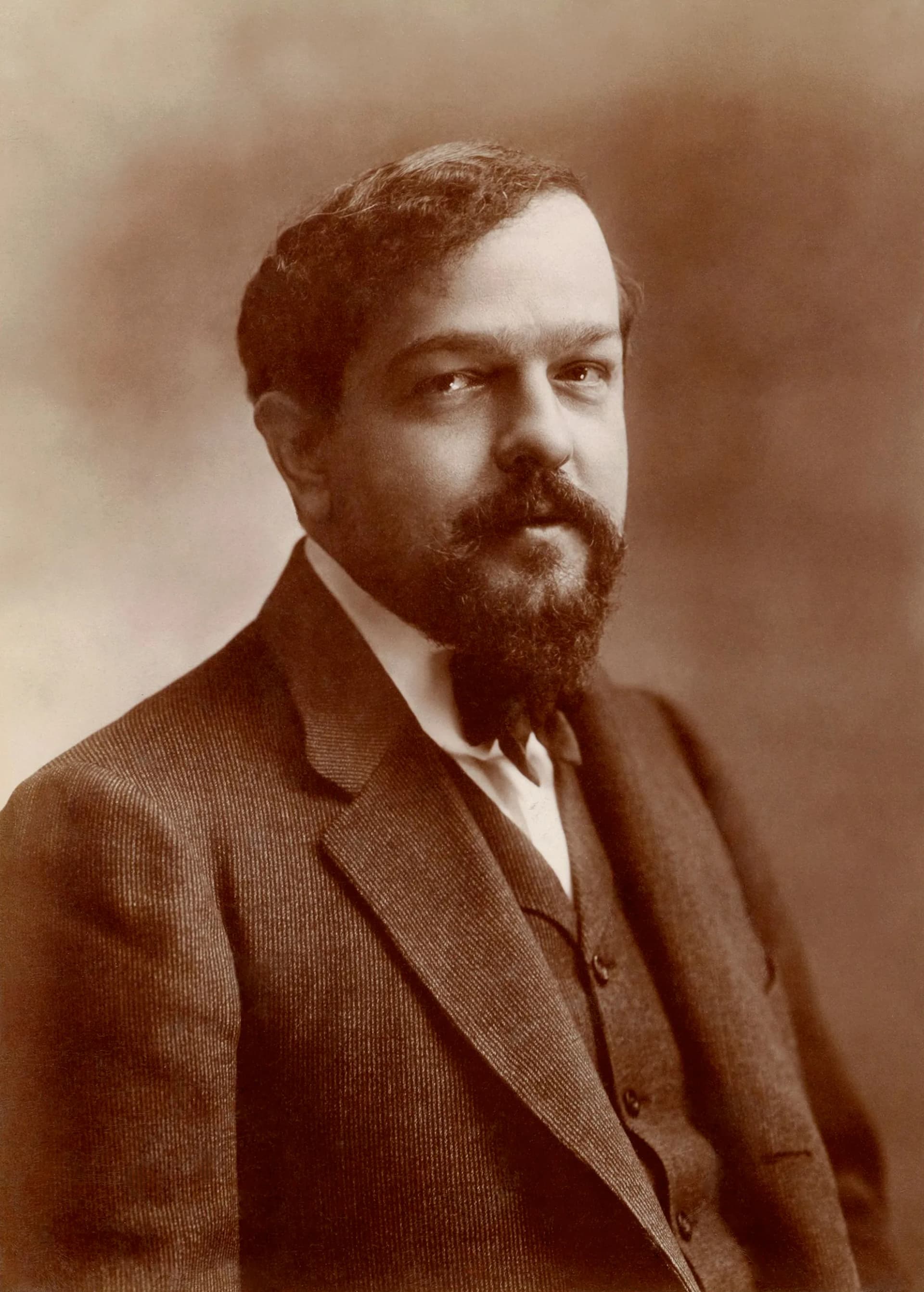
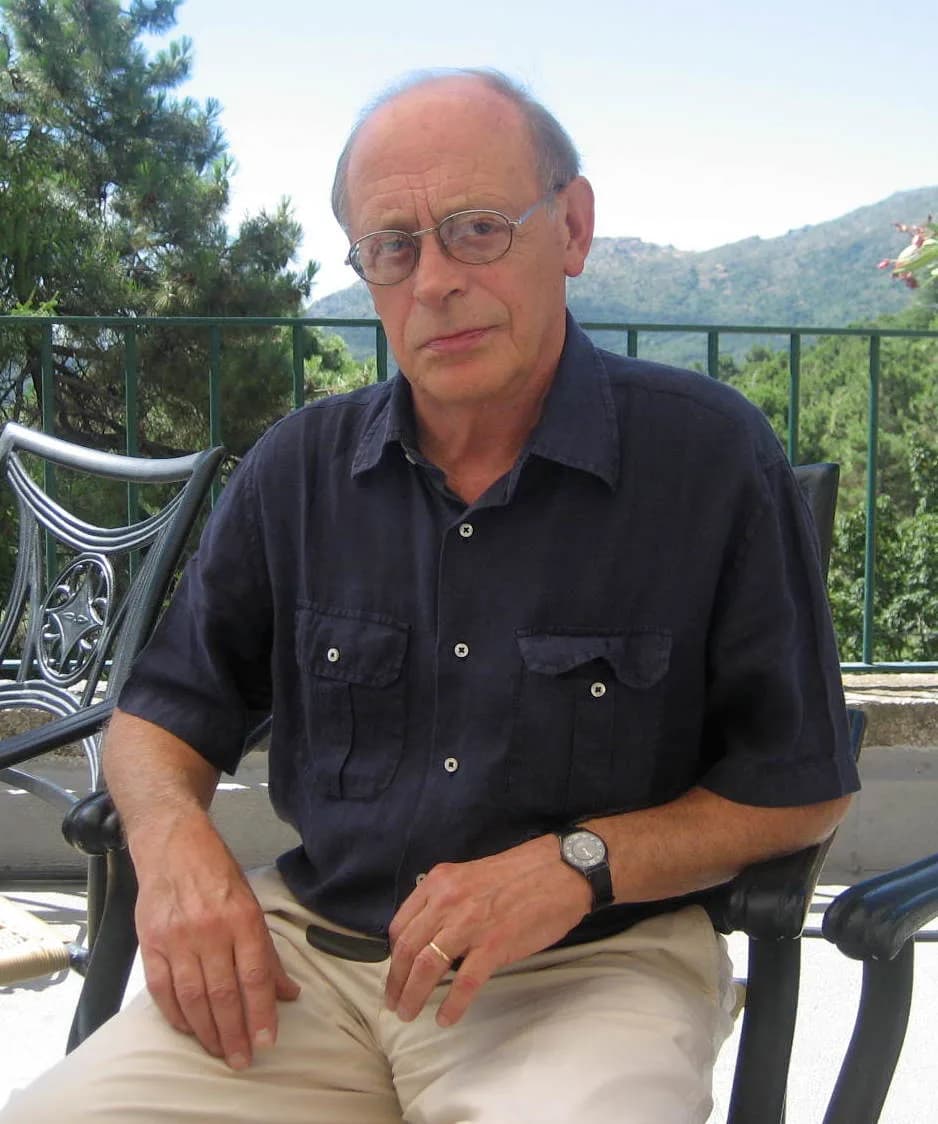
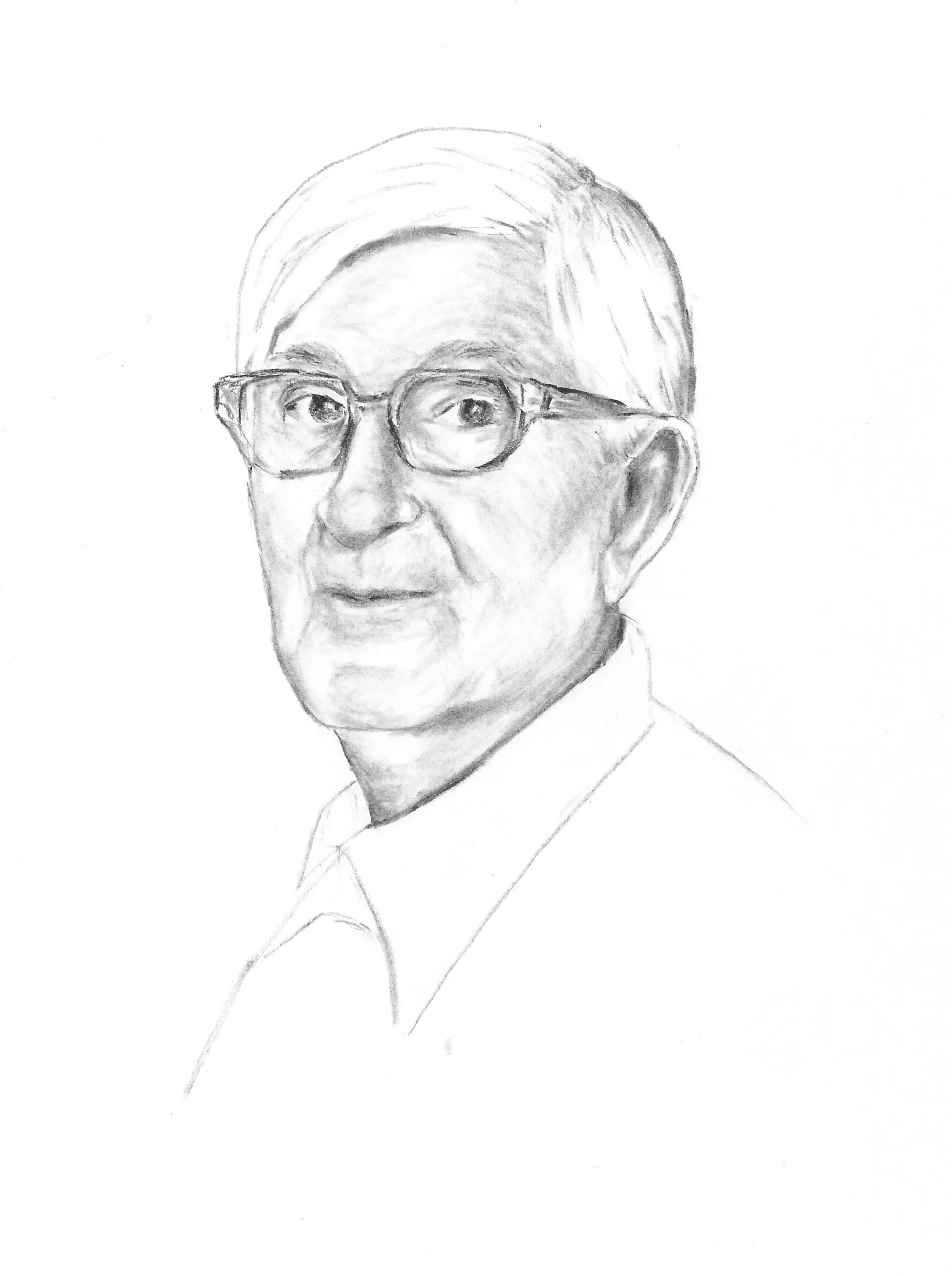
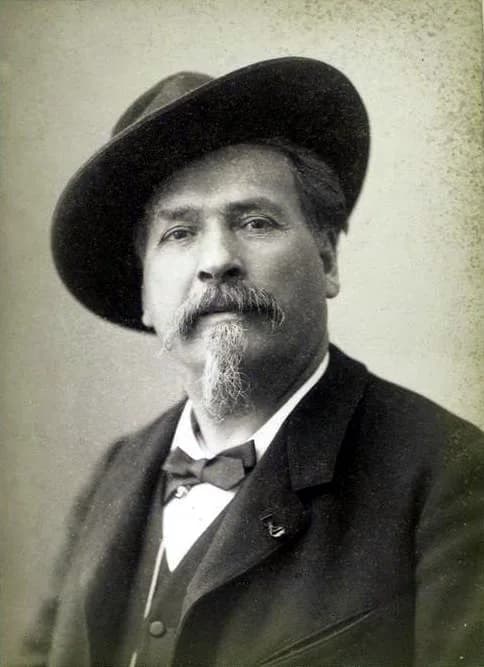
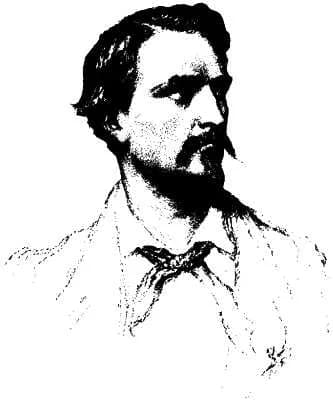
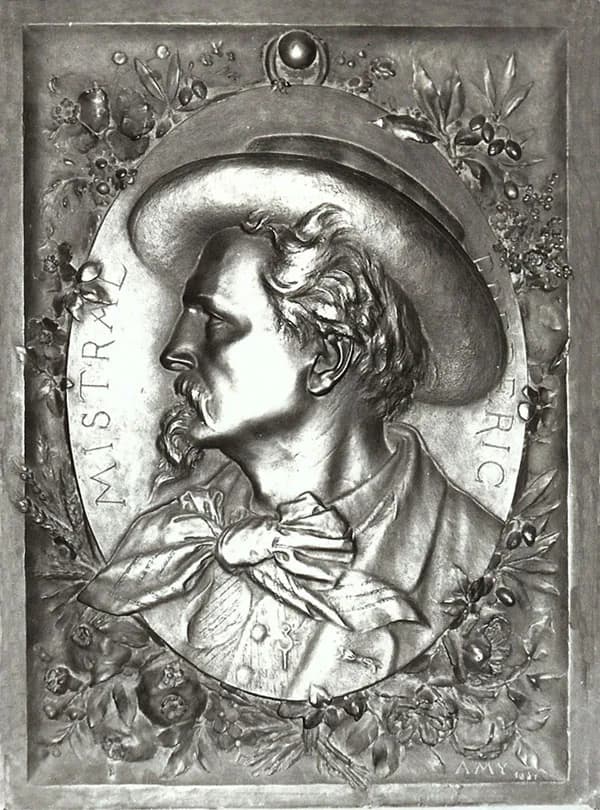
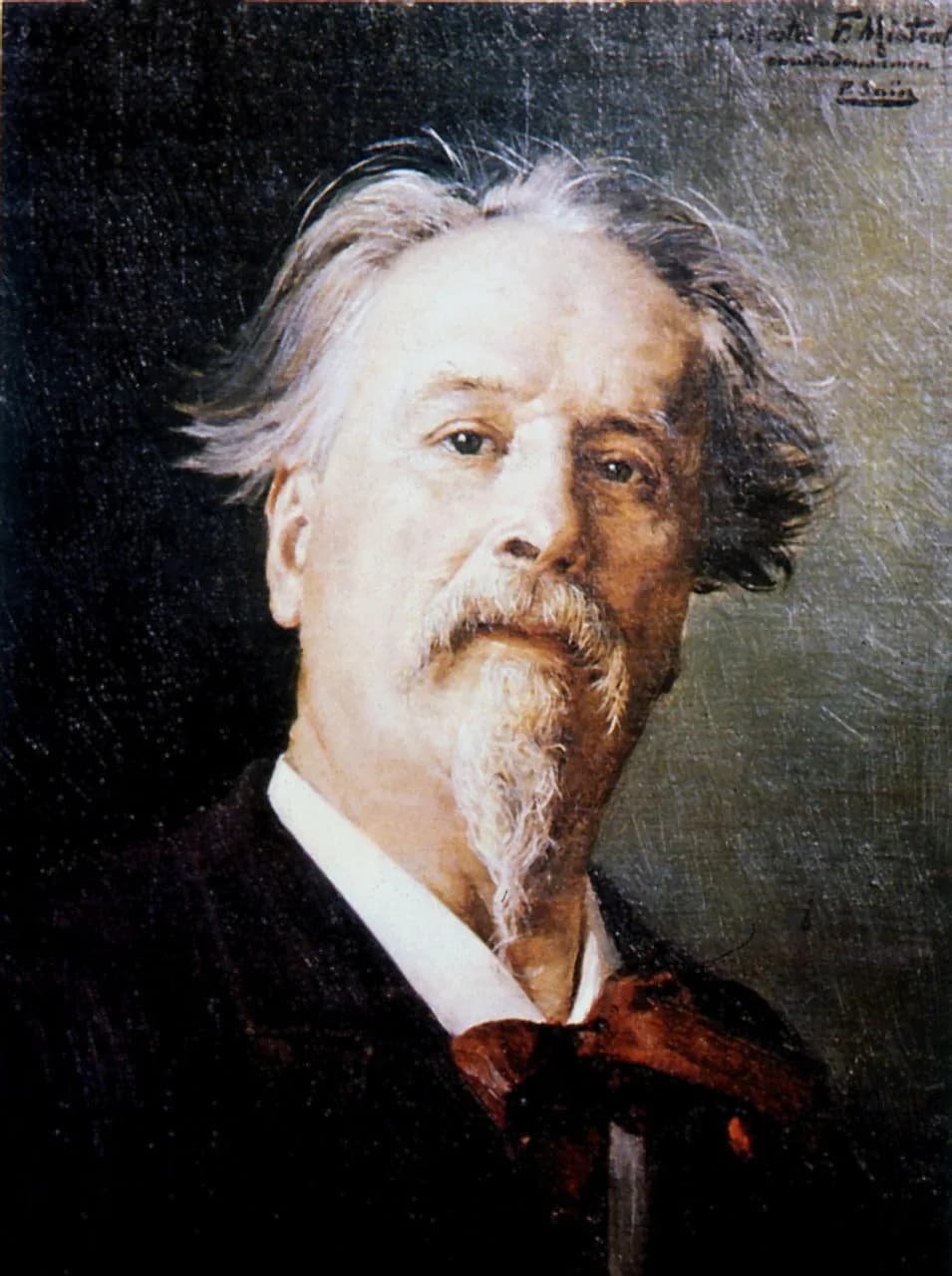
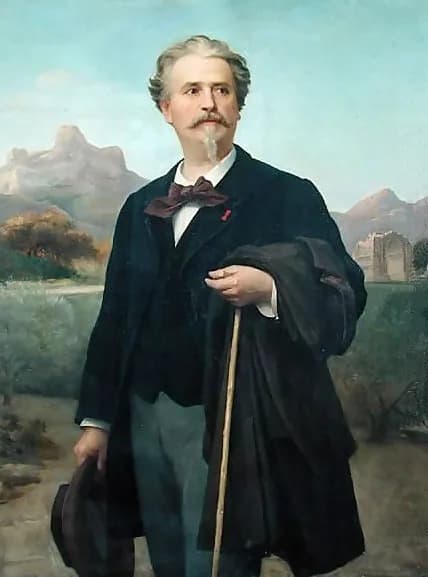
Frédéric Mistral (1830-1914) was an Occitan writer and poet from Provence, France. He won the 1904 Nobel Prize in Literature for his poetry in Provençal and founded the Félibrige literary movement. His work preserved and elevated regional French language and culture.
Një jetë në momente
Momentet që formësuan një jetë
Kapitulli
Kapitujt e jetës
Kapitulli 1 · 1830· Kapitulli 1 nga 7
Early Life and Origins
Frédéric Mistral was born on September 8, 1830, in Maillane, a small commune in the Bouches-du-Rhône department of Provence. Growing up in this traditional Provençal village, he was immersed from childhood in the rich oral traditions, folk songs, and stories that would later inspire his literary work. The rural landscape of Provence, with its olive groves, lavender fields, and ancient customs, shaped his worldview and provided the foundation for his lifelong passion for regional culture.
His upbringing in Maillane exposed him to the authentic Provençal way of life that was rapidly disappearing in the face of increasing French centralization. This early exposure to traditional Provençal culture would prove crucial in developing his deep understanding of the language's nuances and his commitment to preserving its literary potential.
Kapitulli 2· Kapitulli 2 nga 7
Career Beginnings
Mistral's literary career began with his recognition that the Provençal language, despite its rich oral tradition, lacked a unified written form and literary prestige. He saw an opportunity to elevate his native tongue to the level of other European literary languages. His early efforts focused on standardizing Provençal spelling and grammar while drawing inspiration from the region's folk traditions and natural beauty.
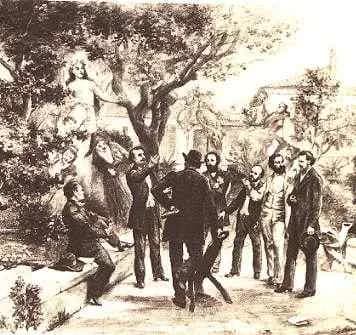
The young writer understood that individual effort alone would not be sufficient to revive Provençal literature. He began connecting with other writers and intellectuals who shared his vision of cultural preservation and linguistic revival, setting the stage for a broader literary movement.
Kapitulli 3· Kapitulli 3 nga 7
Major Achievements and Career Highlights
Mistral's most significant organizational achievement was founding Le Félibrige, a literary society dedicated to promoting Provençal language and culture. This movement brought together writers, poets, and scholars committed to creating a renaissance of Occitan literature. The Félibrige provided a platform for publishing works in Provençal and establishing literary standards for the language.
His scholarly contributions as a lexicographer were equally important to his creative work. Mistral compiled extensive dictionaries and linguistic studies that preserved the vocabulary, idioms, and expressions of Provençal for future generations. This philological work provided the academic foundation necessary for the language's literary development.
The pinnacle of his international recognition came in 1904 when he received the Nobel Prize in Literature. The Swedish Academy honored him "in recognition of the fresh originality and true inspiration of his poetic production, which faithfully reflects the natural scenery and native spirit of his people, and, in addition, his significant work as a Provençal philologist." This award brought global attention to regional European literature and validated the literary worth of minority languages.
Kapitulli 4· Kapitulli 4 nga 7
Personal Life
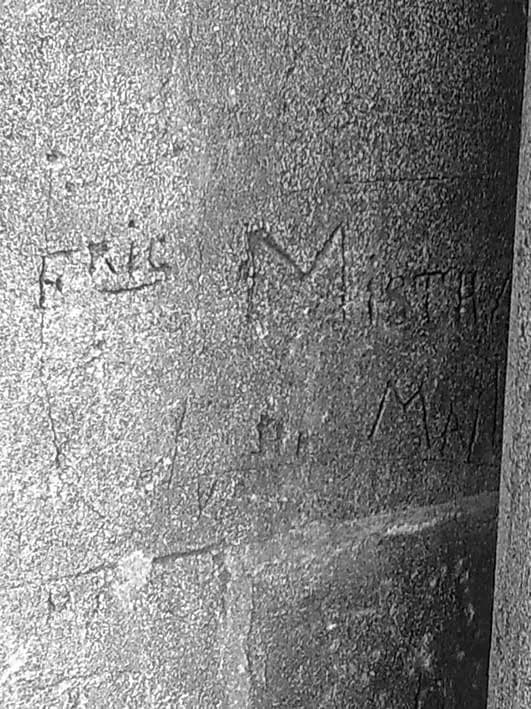
Throughout his life, Mistral remained deeply connected to his birthplace of Maillane. Unlike many writers who sought fame in major cultural centers, he chose to stay in his village, drawing inspiration from the landscape and people he had known since childhood. This decision reflected his authentic commitment to Provençal culture rather than mere literary opportunism.
His membership in the Académie de Marseille demonstrated his standing within the broader intellectual community of southern France. This recognition from established academic institutions helped legitimize his work on regional literature and language preservation.
Kapitulli 5· Kapitulli 5 nga 7
Notable Works and Contributions
Among his literary works, "... Et nous verrons Berre" stands as an example of his poetic style, which combined traditional Provençal themes with sophisticated literary techniques. His poetry captured the essence of Mediterranean life, from the mistral winds that swept across the landscape to the ancient customs that defined rural communities.
His lexicographical work represented an equally important contribution to Provençal culture. By documenting the language's vocabulary and usage patterns, Mistral preserved linguistic treasures that might otherwise have been lost to history. These scholarly efforts provided essential tools for other writers working in Provençal and established academic credibility for the language.
Kapitulli 6· Kapitulli 6 nga 7
Later Years
Mistral continued his literary and scholarly work well into his later years, maintaining his residence in Maillane and his commitment to Provençal culture. The Nobel Prize brought him international recognition, but he remained focused on his local community and regional concerns. His later years were marked by continued writing and efforts to ensure the survival of the Félibrige movement.
He lived to see the impact of his work on the broader appreciation of regional European cultures. Other minority language movements looked to his example as proof that local traditions could achieve international recognition without abandoning their authentic character.
Kapitulli 7· Kapitulli 7 nga 7
Legacy and Impact
Mistral's influence extended far beyond the boundaries of Provence or even France. His success demonstrated that regional languages and cultures could produce literature worthy of international acclaim. The Nobel Prize committee's recognition of his work in Provençal opened doors for other writers working in minority languages across Europe.
The Félibrige movement he founded continued to influence Occitan literature and culture long after his death on March 25, 1914, in his beloved Maillane. His lexicographical work remains an essential resource for scholars studying Provençal language and literature, while his poetry continues to be read and celebrated in southern France.
His life's work proved that authentic cultural expression, rooted in specific places and traditions, could achieve universal significance. Modern movements for linguistic diversity and cultural preservation continue to draw inspiration from his example of how dedicated individuals can revive and sustain endangered cultural traditions.
Pyetje të shpeshta
Pyetje të bëra shpesh
Kur vdiq Frédéric Mistral?
Frédéric Mistral vdiq më 25 mars 1914 në Maillane, France, në moshën 83-vjeçare.
Ku lindi Frédéric Mistral?
Frédéric Mistral lindi në Maillane, France më 8 shtator 1830.
Për çfarë është më i/e njohur Frédéric Mistral?
Frédéric Mistral është më i/e njohur për Provençal writer, poet, lexicographer and founder of Le Félibrige.
Sa vjeç ishte Frédéric Mistral kur vdiq?
Frédéric Mistral ishte 83 vjeç kur vdiq.
Çfarë kombësie kishte Frédéric Mistral?
Frédéric Mistral ishte nga France.
Linja kohore
Jeta në një vështrim
Galeri fotografike
Një jetë në fotografi
Klikoni çdo polaroid për ta zmadhuar · 49 foto
Kodi QR
Ndajeni Këtë Biografi
Printoni dhe Ndani
Skanoni për të vizituar këtë faqe biografie. Printojeni për ngjarje, ekspozita ose materiale edukative.