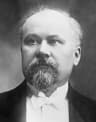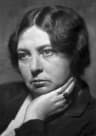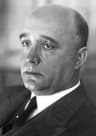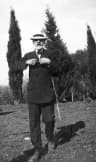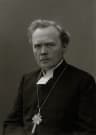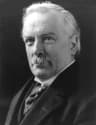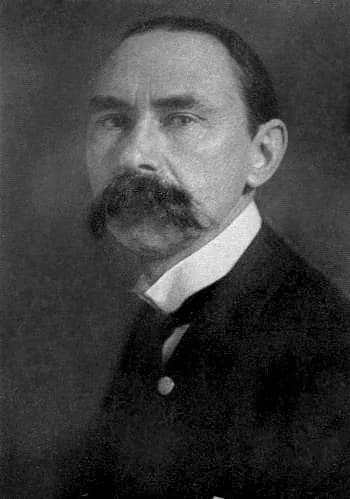
Lindur
January 17, 1860
Castlerea, Ireland
Vdekur
July 12, 1949
Dublin, United Kingdom of Great Britain and Ireland
I njohur për
first President of Ireland; historian, poet, and folklorist
Douglas Hyde (1860–1949) was Ireland best known for first President of Ireland; historian, poet, and folklorist.
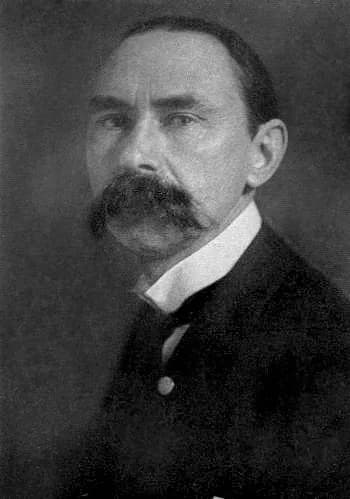
Douglas Hyde (January 17, 1860 – July 12, 1949) was an Irish writer, politician, poet, and historian. He served as the first President of Ireland and was a leading figure in the Gaelic revival. His efforts significantly promoted the Irish language and culture.
Kapitulli
Kapitujt e jetës
Kapitulli 1 · 1860· Kapitulli 1 nga 7
Early Life and Origins
Douglas Hyde was born in Castlerea, Ireland, on January 17, 1860, entering a country undergoing significant change. His upbringing instilled in him a profound connection to Irish heritage and the Irish language, shaping his future endeavors.
His early education and environment fostered a keen interest in history and folklore, subjects he would later explore extensively through his scholarly work and literary contributions. This foundational period laid the groundwork for his eventual rise as a cultural and political leader.
Kapitulli 2· Kapitulli 2 nga 7
Career Beginnings
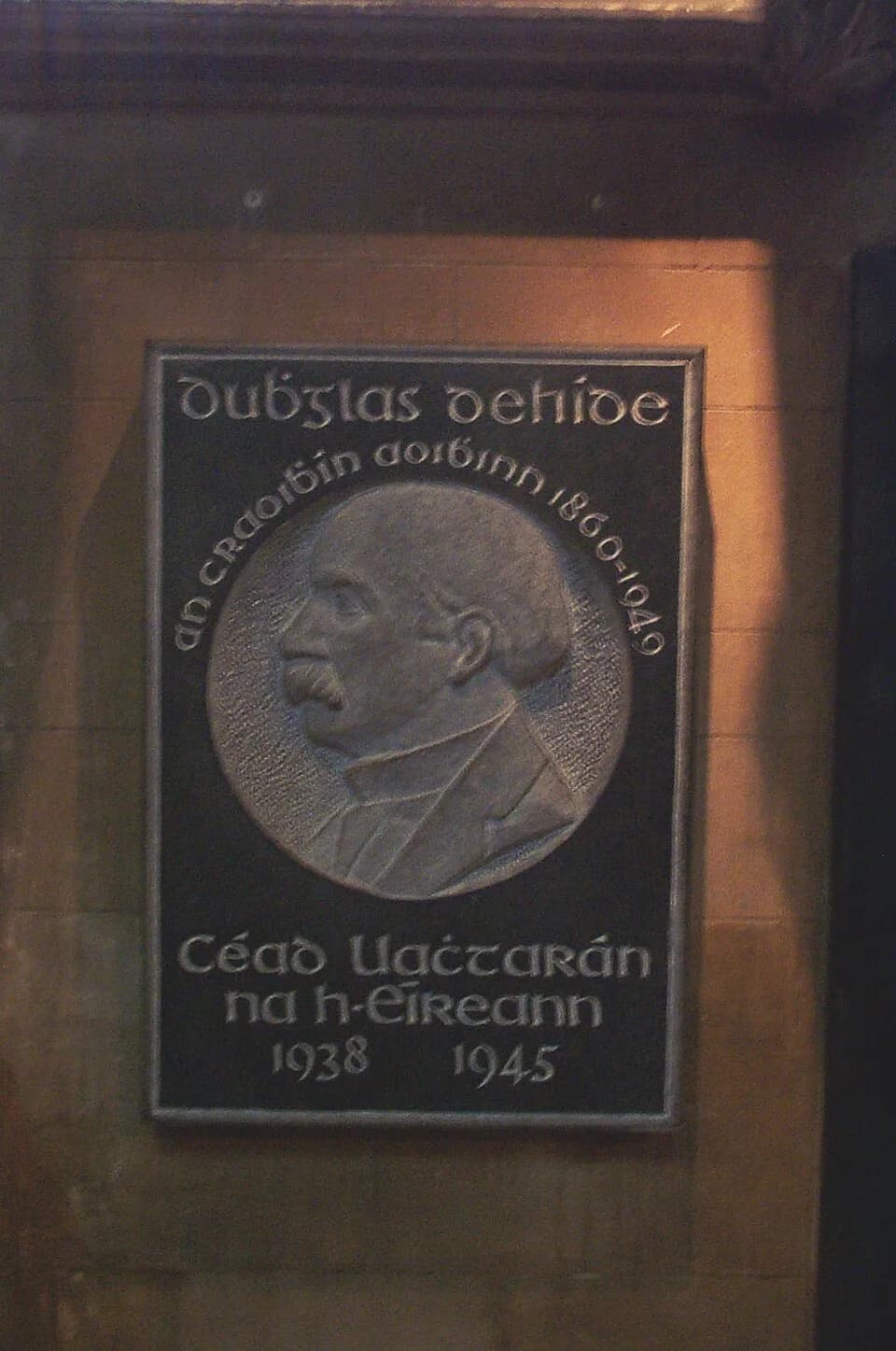
Hyde's early career was largely defined by his commitment to the preservation and promotion of the Irish language. He became known by his pen name, An Craoibhín Aoibhinn, reflecting his literary and cultural pursuits.
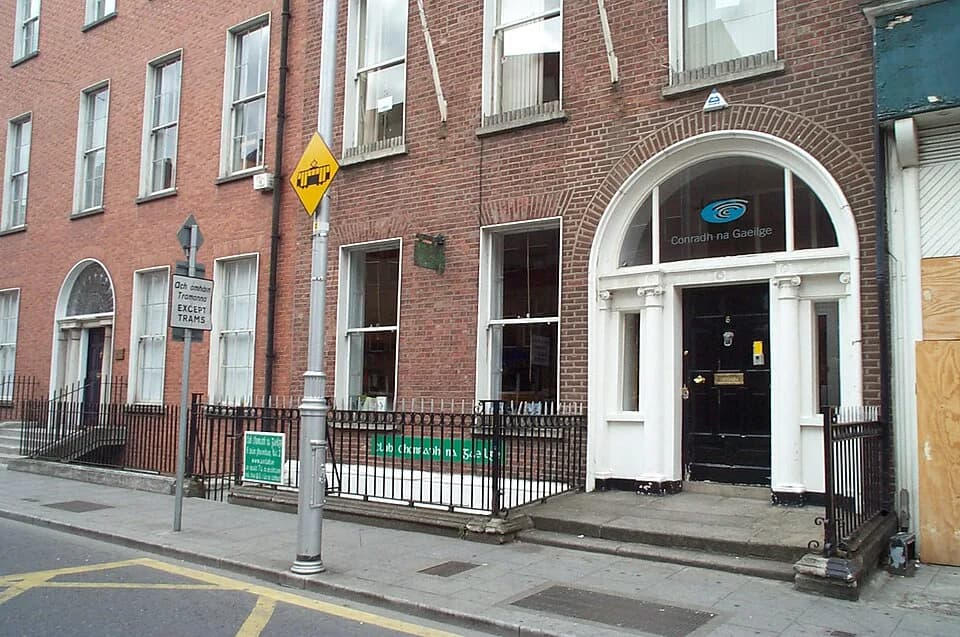
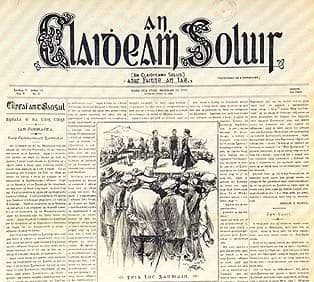
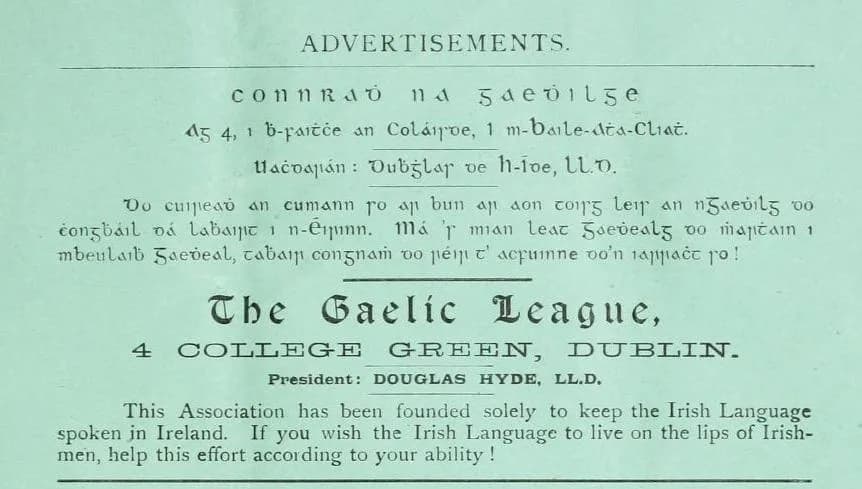
He was a pivotal figure in the establishment and leadership of the Gaelic League, serving as its first president. This organization quickly became one of the most influential cultural bodies in Ireland, aiming to de-anglicize Ireland by promoting the use of the Irish language, traditional music, and sports.
Kapitulli 3 · 1938· Kapitulli 3 nga 7
Major Achievements and Career Highlights
Douglas Hyde's career was marked by numerous significant achievements, most notably his service as the first President of Ireland. He held this office from June 1938 until June 1945, presiding over the nation during a crucial period of its early independence.
Beyond his political role, Hyde was a prolific scholar and academic, recognized for his expertise in the Irish language and his historical research. His efforts in the Gaelic revival were instrumental in reawakening Irish cultural pride and identity across the island.
Kapitulli 4· Kapitulli 4 nga 7
Personal Life
While the detailed aspects of Douglas Hyde's personal life are not extensively documented here, his public persona was deeply intertwined with his identity as an Irish academic and cultural nationalist. His interests clearly lay in literature, history, and the revitalization of the Irish language, which became central to his life's work.
He dedicated his life to scholarship and public service, embodying the ideals of the cultural movement he helped to lead. His commitment to these causes defined much of his existence, leaving little separation between his personal passions and professional pursuits.
Kapitulli 5· Kapitulli 5 nga 7
Notable Works or Contributions
As a writer, poet, and translator, Douglas Hyde left behind a substantial body of work that contributed significantly to Irish literature and scholarship. His bibliography includes important texts such as "Spain and England" and "Breith Chríosta, dr'ama aon-ghn'imh."
He also edited and published historical and folkloric texts like "The conquests of Charlemagne, edited from the book of Lismore and three other vellum mss," and popularized traditional stories such as "The three sorrows of story-telling," "The children of Lir," "Déirde," and "The children of Tuireann." His work "Abhráin grádh chúige Connacht or Love songs of Connacht" showcased his deep understanding of Irish poetry and song, while "Irische Volksmärchen" collected Irish folktales for a wider audience. He meticulously compiled "Aḃráin ȧgus Dánta an Reaċtaḃraiġ ar na scruinniuġaḋ agus ar na ḃfoillsiuġad den ċead uair," further enriching the Irish literary canon.
Kapitulli 6 · 1945· Kapitulli 6 nga 7
Later Years
After concluding his term as President in June 1945, Douglas Hyde continued to be a respected figure in Irish public life. His retirement from the presidency marked the end of a long and distinguished career in politics and academia.
He passed away on July 12, 1949, in Dublin, having lived a life rich in dedication to his country and its cultural heritage. His final years were spent as a revered elder statesman, his contributions already etched into the fabric of the Irish nation.
Kapitulli 7· Kapitulli 7 nga 7
Legacy and Impact
Douglas Hyde's legacy is profound, primarily as the first President of Ireland and a crucial architect of the Gaelic revival. His vision helped to shape a distinct national identity for Ireland in the early 20th century, emphasizing its unique linguistic and cultural heritage.
Through his roles as a historian, poet, folklorist, and political leader, he inspired a generation to embrace and reclaim Irish culture. His work continues to influence discussions on Irish identity, language, and the nation's historical development.
Një jetë në momente
Momentet që formësuan një jetë
Pyetje të shpeshta
Pyetje të bëra shpesh
Kur vdiq Douglas Hyde?
Douglas Hyde vdiq më 12 korrik 1949 në Dublin, United Kingdom of Great Britain and Ireland, në moshën 89-vjeçare.
Ku lindi Douglas Hyde?
Douglas Hyde lindi në Castlerea, Ireland më 17 janar 1860.
Për çfarë është më i/e njohur Douglas Hyde?
Douglas Hyde është më i/e njohur për first President of Ireland; historian, poet, and folklorist.
Sa vjeç ishte Douglas Hyde kur vdiq?
Douglas Hyde ishte 89 vjeç kur vdiq.
Çfarë kombësie kishte Douglas Hyde?
Douglas Hyde ishte nga Ireland.
Linja kohore
Jeta në një vështrim
Galeri fotografike
Një jetë në fotografi
Klikoni çdo polaroid për ta zmadhuar · 21 foto
Kodi QR
Ndajeni Këtë Biografi
Printoni dhe Ndani
Skanoni për të vizituar këtë faqe biografie. Printojeni për ngjarje, ekspozita ose materiale edukative.