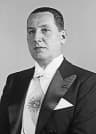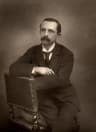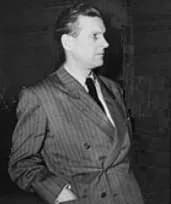
Lindur
May 9, 1907
Berlin, Margraviate of Brandenburg
Vdekur
August 8, 1974
Kröv, Germany
I njohur për
German Nazi politician and convicted war criminal
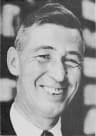
Baldur von Schirach (1907–1974) was Margraviate of Brandenburg best known for German Nazi politician and convicted war criminal.
Baldur von Schirach (May 9, 1907 – August 8, 1974) was a German Nazi politician and Holocaust perpetrator from Berlin. He led the Hitler Youth from 1931 to 1940 and served as Gauleiter of Vienna from 1940 to 1945, for which he was later convicted as a war criminal.
Kapitulli
Kapitujt e jetës
Kapitulli 1 · 1907· Kapitulli 1 nga 8
Opening Paragraph
Baldur Benedikt von Schirach (May 9, 1907 – August 8, 1974) was a prominent German Nazi politician, writer, and convicted war criminal, known for his leadership of the Hitler Youth and later as Gauleiter of Vienna. His career spanned significant periods of Germany's 20th-century history, marked by his involvement in key political structures and ideological dissemination during the Third Reich. Born in Berlin and dying in Kröv, Germany, von Schirach's life is inextricably linked to the rise and fall of the Nazi regime, leaving a profound and somber mark on historical memory. He held various professions including screenwriter, film director, and autobiographer, alongside his primary role as a politician and, notably, a Holocaust perpetrator.
His professional life was characterized by a deep entanglement with the mechanisms of totalitarian rule, from the indoctrination of youth to the administration of occupied territories. Von Schirach's trajectory from an aspiring writer to a high-ranking Nazi official demonstrates the pathways individuals took to power within the regime. The impact of his decisions and directives, particularly in his capacity as a party leader and administrator, reverberated through the lives of countless individuals and shaped the course of historical events. His legacy is therefore viewed through the lens of his direct participation in crimes against humanity, as established by international legal proceedings.
Kapitulli 2 · 1907· Kapitulli 2 nga 8
Early Life and Origins
Baldur Benedikt von Schirach was born on May 9, 1907, in the vibrant metropolis of Berlin, a city that served as the capital of the German Empire and, subsequently, the Weimar Republic. At the time of his birth, Berlin was situated within the Margraviate of Brandenburg, a historical region that played a central role in the development of Prussia and later Germany. His birth into this dynamic urban environment placed him at the heart of German political and cultural life during a period of immense change and upheaval, encompassing the lead-up to World War I, the war itself, and the turbulent post-war years.
The specific details concerning von Schirach's early family life, his upbringing, and his formal educational experiences beyond his place and date of birth are not extensively documented in the available records. However, the backdrop of his youth in early 20th-century Germany undoubtedly played a formative role in shaping his worldview and political affiliations. The societal dislocations, economic instability, and political extremism prevalent in Germany during the Weimar era provided fertile ground for the emergence of radical ideologies, which von Schirach would later embrace and actively promote. His formative years in Berlin, a hub of intellectual and social ferment, contributed to the context in which he would eventually align himself with extremist movements.
Kapitulli 3· Kapitulli 3 nga 8
Career Beginnings
Von Schirach's political career began with his early and committed association with the Nazi Party. His initial involvement demonstrated a nascent aptitude for organization and the dissemination of propaganda, particularly within the party's youth-oriented initiatives. This dedication to the Nazi cause and his evident organizational skills quickly propelled him into positions of increasing responsibility within the party hierarchy. His active participation during the party's foundational years, before its ascendance to national power, underscored his early commitment to its radical ideology.
This early engagement set the stage for his crucial appointment as the leader, or Reichsjugendführer, of the Hitler Youth in 1931. This position was a pivotal stepping stone in his career, placing him at the helm of a rapidly growing organization designed to indoctrinate German youth into the Nazi worldview. His rise to such a significant leadership role at a relatively young age indicated the trust placed in him by the party leadership and his perceived ability to effectively mobilize and control young people for political purposes. This early period established his trajectory as a central figure in the Nazi regime's efforts to shape a new generation.
Kapitulli 4 · 1931· Kapitulli 4 nga 8
Major Roles and Political Influence
As Reichsjugendführer of the Hitler Youth from 1931 to 1940, Baldur von Schirach held a position of immense strategic importance within the burgeoning Nazi state. This role placed him at the forefront of the regime's efforts to control and shape the upbringing of German youth, aiming to cultivate unwavering loyalty to Adolf Hitler and the National Socialist ideology. Under his direct leadership, the Hitler Youth transformed from a smaller, party-affiliated organization into a vast, compulsory movement that encompassed millions of young Germans, from children to adolescents. Von Schirach's primary responsibility was to orchestrate this sweeping transformation, overseeing the meticulous design of its structure, activities, and educational curricula.
The organization's programs were carefully crafted to instill specific values: discipline, physical fitness, obedience, racial purity, and a readiness for military service. He directed the implementation of a comprehensive indoctrination system that permeated every aspect of a young person's life, from school-based activities to weekend camps and after-school programs. The goal was to supersede traditional family and religious influences, ensuring that the state's ideology became the dominant force in the socialization of an entire generation, preparing them for total dedication to the Third Reich and its expansionist goals. His tenure witnessed the profound ideological militarization of German youth, a foundational component of Nazi totalitarian control.
During the period of his leadership, von Schirach was deeply involved in establishing a pervasive system of youth control that reached into every German household. His policies ensured that virtually all German boys and girls were integrated into the Hitler Youth or its female counterpart, the League of German Girls (Bund Deutscher Mädel). These organizations were not merely recreational clubs; they were critical instruments for political mobilization and ideological conditioning. Von Schirach oversaw the creation of a vast network of youth leaders, trained to propagate the party line and enforce strict adherence to Nazi principles. He utilized propaganda effectively, including rallies, publications, and even early cinema, to glorify the image of the Führer and the Nazi movement, embedding these messages deeply into the consciousness of impressionable minds. This sustained effort under his direction fundamentally altered the social fabric of Germany, creating a generation ideologically committed to the Nazi regime and prepared to participate in its aggressive policies and wartime endeavors, solidifying his role as a key architect of the Nazi state's future.
Following his significant tenure at the head of the Hitler Youth, Baldur von Schirach transitioned to another powerful administrative role, serving as Gauleiter and Reichsstatthalter of Vienna from 1940 to 1945. This appointment positioned him as the highest-ranking Nazi Party official (Gauleiter) and the chief state administrator (Reichsstatthalter) in the capital of Austria, which had been annexed into the Greater German Reich. In this dual capacity, von Schirach wielded immense executive authority, responsible for all aspects of party organization, civil administration, and the implementation of Nazi policies within the Vienna Gau. His jurisdiction covered not only the day-to-day governance of a major European city but also the systematic application of racial laws and policies against its substantial Jewish population.
As Gauleiter of Vienna, von Schirach was a central figure in the orchestration of the Holocaust in Austria. He was directly responsible for the systematic implementation of policies aimed at dispossessing, isolating, and ultimately deporting Jewish citizens from Vienna. This process involved the seizure of Jewish businesses and assets, forced evictions from homes, and the subsequent concentration of Jewish individuals into designated areas before their forced transportation. His administrative decisions and directives led to the organized removal of tens of thousands of Jewish individuals from Vienna, routing them to various concentration and extermination camps in Eastern Europe, where the vast majority perished. His role was not merely supervisory; it was active and direct in planning and executing these atrocities, thereby solidifying his designation as a Holocaust perpetrator. His actions in Vienna represent a clear and undeniable complicity in crimes against humanity, demonstrating how administrative power was leveraged to facilitate mass murder on an industrial scale. The period of his governance in Vienna remains a dark chapter in the city's history, indelibly marked by the devastating consequences of his policies and decisions.
Kapitulli 5· Kapitulli 5 nga 8
Personal Life
Historical records and the information provided do not offer specific details regarding Baldur von Schirach's personal life, including aspects such as his family relationships, marital status, or private interests that extended beyond his professional and political activities. His public persona was predominantly defined by his prominent roles within the Nazi Party and his significant administrative functions within the Third Reich. The available data primarily focuses on his political career and his contributions to the Nazi ideological and governmental apparatus.
Therefore, a comprehensive account of his private affairs, including details about any spouse, children, or personal hobbies and passions, cannot be constructed from the provided information. His life story, as presented through historical records, largely centers on his public actions and their far-reaching historical ramifications, rather than the more intimate details of his individual existence. The absence of such information means that his personal background remains largely obscured by his public and political engagements.
Kapitulli 6· Kapitulli 6 nga 8
Works and Contributions
Baldur von Schirach engaged in several professions throughout his life, reflecting a diverse range of activities that extended beyond his primary political roles. He was recognized as a writer, producing various texts and ideological works that served to support and propagate the Nazi cause. His literary output included "Hitler Youth poems," which were instrumental in instilling Nazi ideology among young people and fostering unwavering loyalty to the regime. These poems were carefully crafted to resonate with a youthful audience, embedding political messages within accessible and emotive verse, thereby serving as a powerful tool for indoctrination.
Other notable publications forming part of his extensive bibliography include "Jugend um Hitler," a work that likely detailed the organization, aims, and achievements of the Hitler Youth under his leadership, presenting it in a favorable and inspiring light for contemporary readers. "Europa, Kontinent der Jugend" suggests a broader vision for a youth-led European future, presumably under Nazi dominance, outlining his ideological aspirations for the continent. The title "Reichsleiter Baldur von Schirach" indicates a work reflecting on his high-ranking position within the Nazi Party, possibly an autobiographical account or a celebratory piece about his role and influence.
Further literary contributions include "Die Pioniere des Dritten Reiches," which would have celebrated the early and foundational supporters of the Nazi Party, constructing a narrative of heroic struggle and dedication. "Bannstaedte der Hitler-jugend, nach 127 alten stichen und holzschnitten" points to an interest in historical presentation for propaganda purposes, perhaps linking the Hitler Youth to German heritage. Additional works such as "Kantaterede," "Aquarelle" (potentially a collection of art or a work related to artistic endeavors, given his interest in cultural affairs), "Der Triumph des Willens" (a title shared with Leni Riefenstahl's famous propaganda film, suggesting either a written work on the subject or a direct conceptual contribution to the film's narrative), and "Das Lied der Getreuen" also constitute significant components of his literary and propaganda efforts.
In addition to his writing, von Schirach was active in the realm of film. He was recognized as a screenwriter and a film director, leveraging cinema as another powerful medium for propaganda and ideological dissemination. His involvement in film demonstrates his understanding of the visual medium's persuasive power and its capacity to reach mass audiences with political messages. His filmography includes "Der Marsch zum Führer" (1940), a title that strongly suggests a propaganda film dedicated to the glorification of Adolf Hitler and the Nazi movement, possibly documenting the activities or marches of the Hitler Youth under his command. Such a film would have served to visually reinforce loyalty and obedience to the regime.
Another significant film associated with his work was "Der Sieg des Glaubens" (1933), an early Nazi propaganda film that documented the 1933 Nuremberg Rally. While primarily directed by Leni Riefenstahl, Schirach's inclusion in its notable filmography implies a significant creative or supervisory role, aligning with his profession as a film director and screenwriter. This film was a crucial tool for consolidating and presenting the Nazi Party's nascent power and unity to both a domestic and international audience. These cinematic endeavors, alongside his written works, highlight his multifaceted involvement in shaping public perception and disseminating the party's pervasive message through various forms of media. His autobiographical works also stand as primary source material, providing insights into his own perspective and experiences during this tumultuous period of history.
Kapitulli 7 · 1946· Kapitulli 7 nga 8
Later Years and Conviction
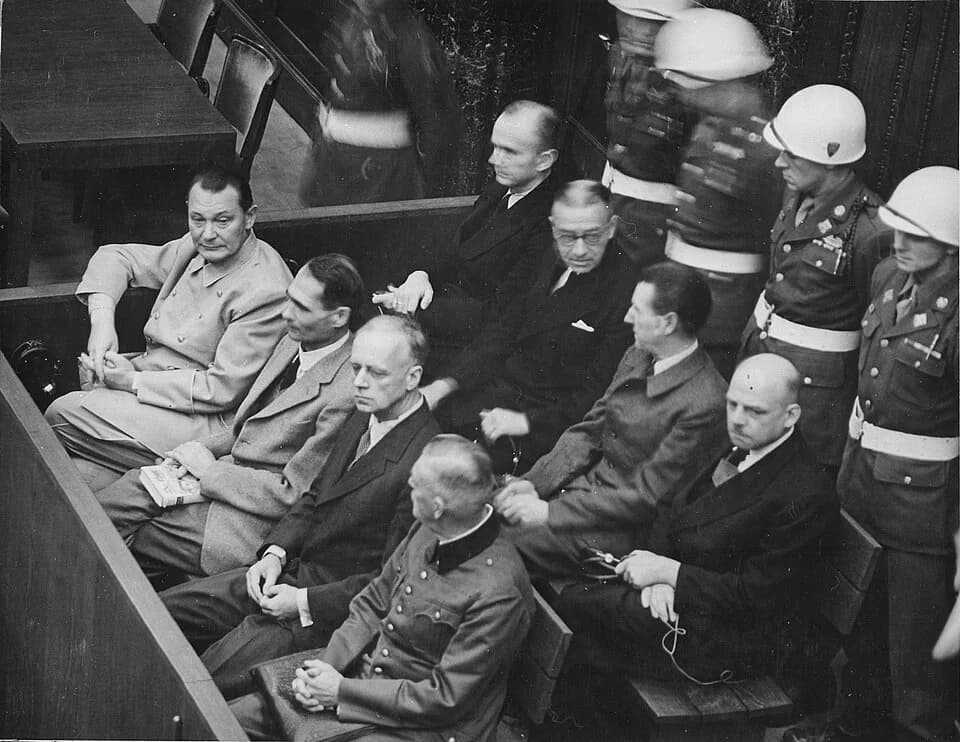
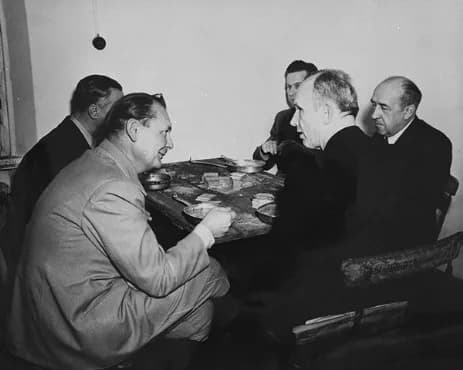
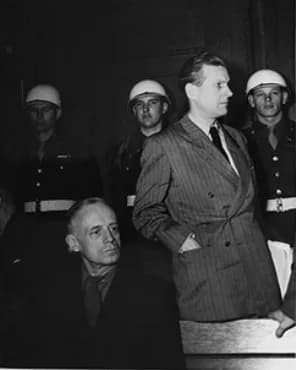
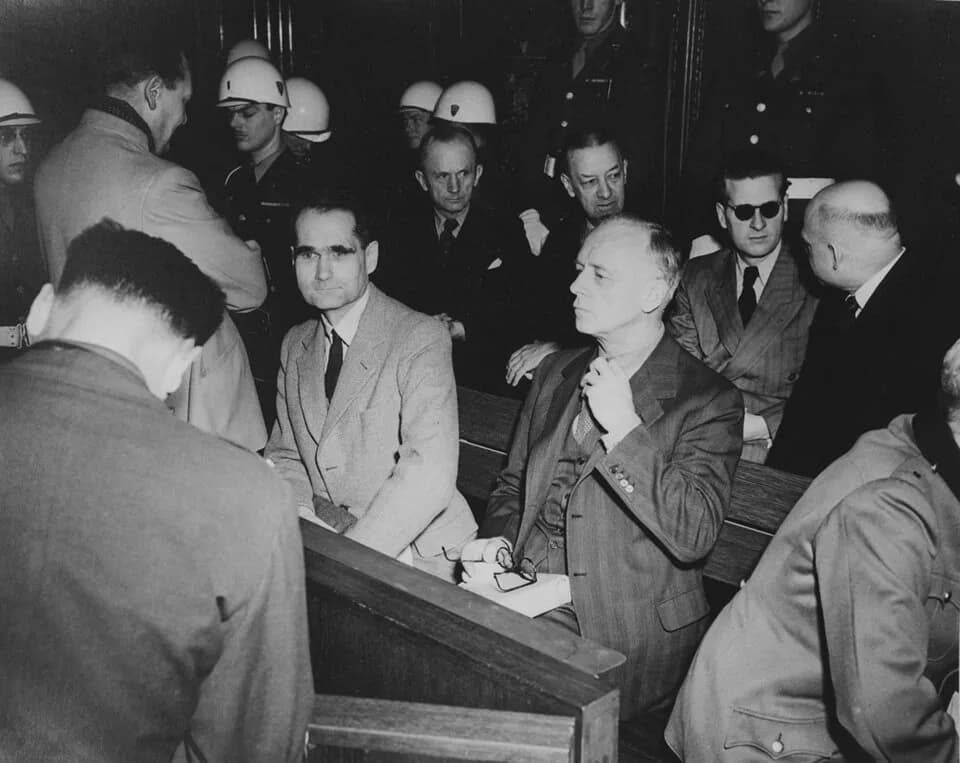
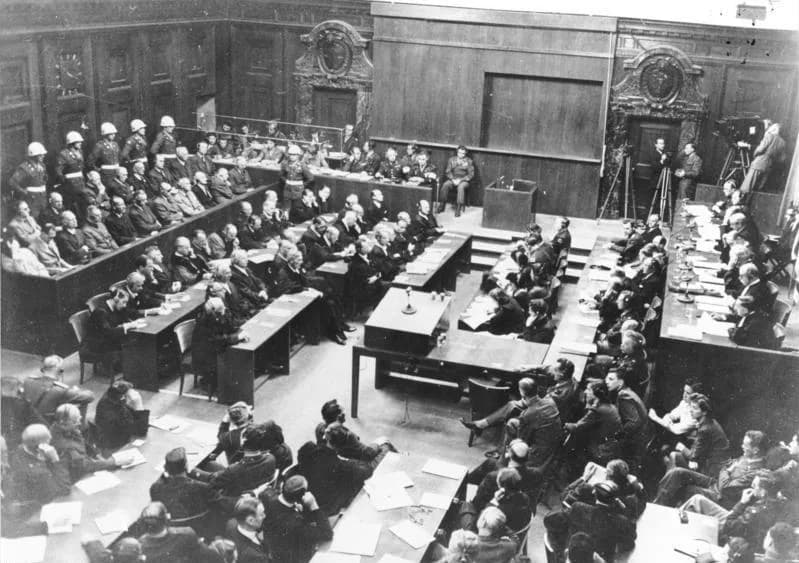
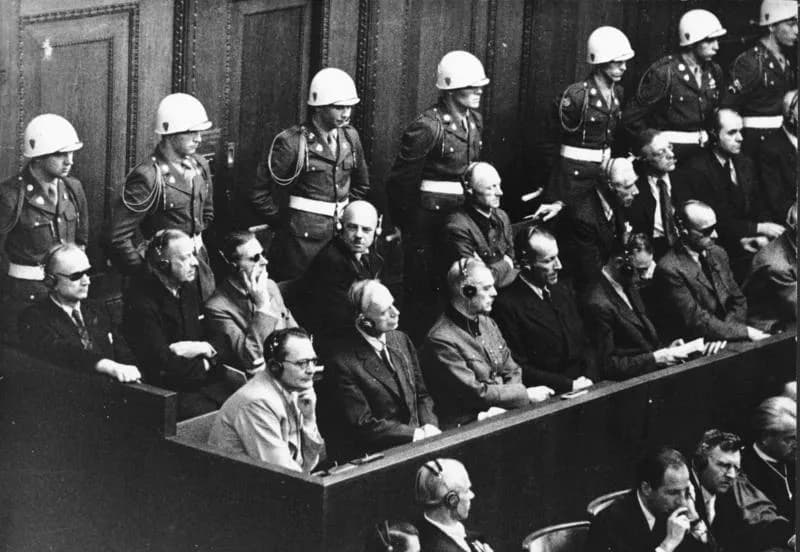
The conclusion of World War II brought about a dramatic and definitive shift in Baldur von Schirach's life. Following Germany's surrender and the collapse of the Third Reich, he was apprehended by Allied forces and subsequently brought before the International Military Tribunal at Nuremberg. This landmark tribunal, established to prosecute major war criminals, saw von Schirach stand trial alongside other high-ranking Nazi officials. In 1946, after extensive proceedings, he was convicted as a war criminal, specifically for crimes against humanity. The judgment rendered by the Tribunal affirmed his direct responsibility for horrific atrocities committed under the Nazi regime, particularly his actions in Vienna.
The conviction stemmed directly from his administrative and executive actions as Gauleiter of Vienna, where he actively facilitated the systematic persecution and deportation of Jewish citizens to extermination camps. This legal finding unequivocally established his complicity in the Holocaust. As a result of his conviction, Baldur von Schirach was sentenced to twenty years of imprisonment in Spandau Prison, where he served his full term. His incarceration marked a period of reckoning for his past actions and a significant moment in the history of international justice, demonstrating accountability for leaders involved in such grave violations of human rights. Upon his release from prison, he lived out his remaining years away from public scrutiny, leading a private existence.
Baldur von Schirach passed away on August 8, 1974, in Kröv, Germany, bringing an end to a life that had been inextricably linked to one of the darkest and most tragic chapters in human history. His death occurred almost three decades after the conclusion of the war and his subsequent conviction, marking the closure of a deeply controversial and historically significant life. His later years were spent in the shadow of his past, a stark contrast to the power and influence he once wielded within the Nazi regime, reflecting the ultimate consequences of his choices and actions.
Kapitulli 8· Kapitulli 8 nga 8
Legacy and Impact
The legacy of Baldur von Schirach is predominantly defined by his central role in the Nazi Party's machinery of indoctrination and persecution, leaving an enduring and somber mark on historical consciousness. As the Reichsjugendführer, he was instrumental in shaping the minds and lives of millions of German youth, systematically instilling in them the tenets of Nazi ideology, including racial hatred and unquestioning obedience to the Führer. His efforts effectively militarized an entire generation, diverting their development towards the goals of the totalitarian state and preparing them for future roles in war and political service. This profound influence on the youth of Germany remains a stark example of the power of state-controlled education and propaganda to manipulate and corrupt young minds.
Furthermore, his tenure as Gauleiter of Vienna directly implicates him in the Holocaust. His administrative responsibility for the city's Jewish population and his active role in facilitating their deportation cemented his status as a perpetrator of crimes against humanity. This aspect of his legacy serves as a grim and undeniable reminder of the roles individuals played in executing the systematic genocide of European Jewry. His actions underscore the administrative and logistical complicity of high-ranking officials in the implementation of mass murder, demonstrating how bureaucratic power can be weaponized with devastating effects against civilian populations.
Von Schirach's conviction at the Nuremberg Trials was a critical moment in the development of international justice, establishing principles of individual accountability for leaders involved in such atrocities. His life stands as a historical case study, illustrating the profound dangers of unchecked political power and the devastating consequences of ideological extremism. His story serves as a permanent caution against the erosion of human rights and the propagation of hate, underscoring the vital importance of vigilance against such movements and the structures that enable them. His professional output, including his writings and films, while serving as instruments of propaganda, also stands as historical artifacts documenting the ideological landscape of the Third Reich and the methods used to perpetuate its aims.
Një jetë në momente
Momentet që formësuan një jetë
Pyetje të shpeshta
Pyetje të bëra shpesh
Kur vdiq Baldur von Schirach?
Baldur von Schirach vdiq më 8 gusht 1974 në Kröv, Germany, në moshën 67-vjeçare.
Ku lindi Baldur von Schirach?
Baldur von Schirach lindi në Berlin, Margraviate of Brandenburg më 9 maj 1907.
Për çfarë është më i/e njohur Baldur von Schirach?
Baldur von Schirach është më i/e njohur për German Nazi politician and convicted war criminal.
Sa vjeç ishte Baldur von Schirach kur vdiq?
Baldur von Schirach ishte 67 vjeç kur vdiq.
Çfarë kombësie kishte Baldur von Schirach?
Baldur von Schirach ishte nga Margraviate of Brandenburg.
Linja kohore
Jeta në një vështrim
Galeri fotografike
Një jetë në fotografi
Klikoni çdo polaroid për ta zmadhuar · 23 foto
Kodi QR
Ndajeni Këtë Biografi
Printoni dhe Ndani
Skanoni për të vizituar këtë faqe biografie. Printojeni për ngjarje, ekspozita ose materiale edukative.