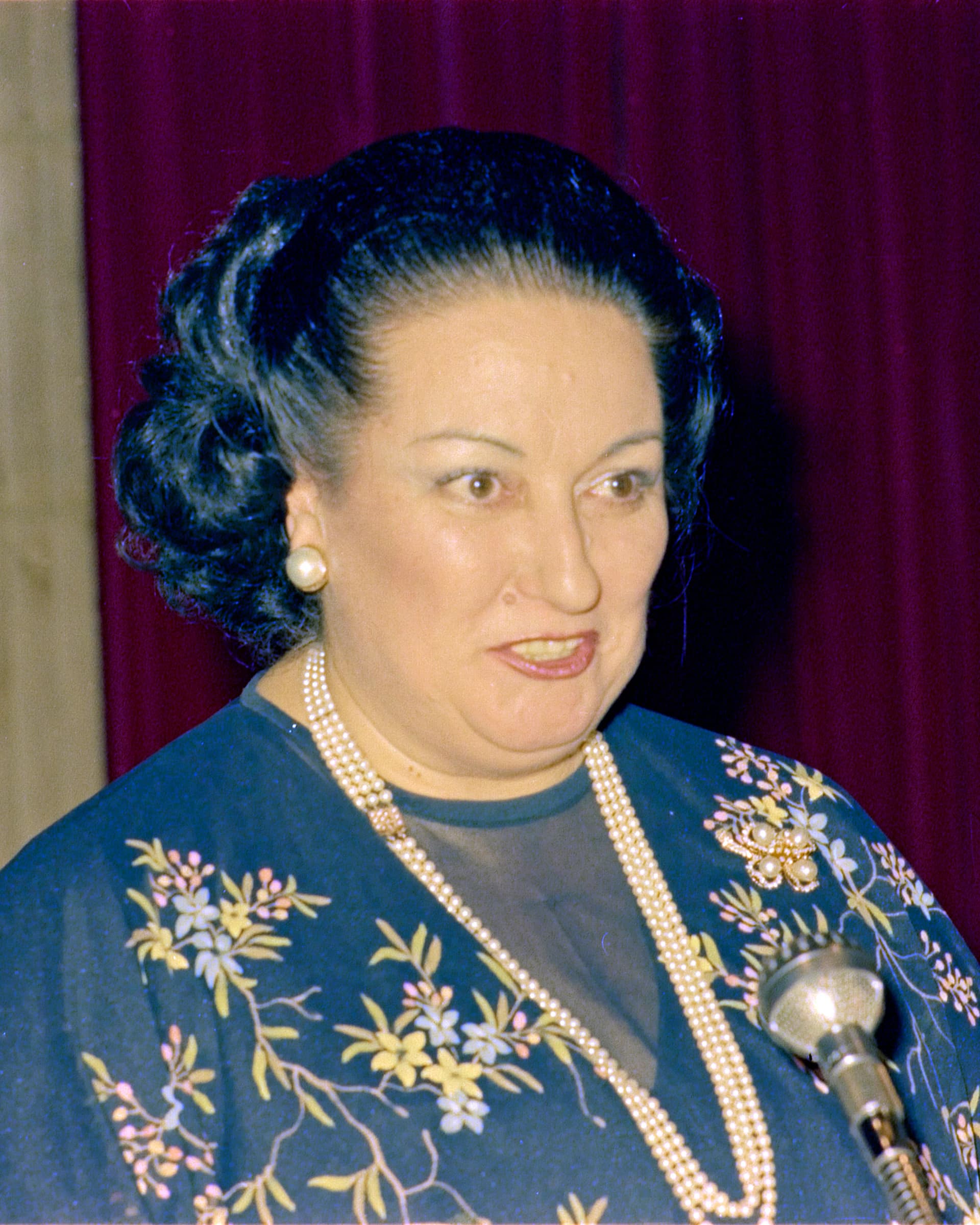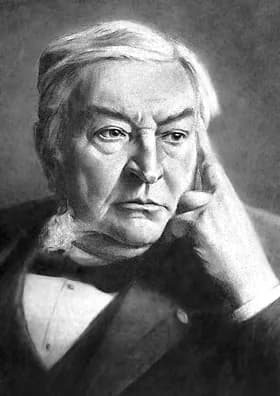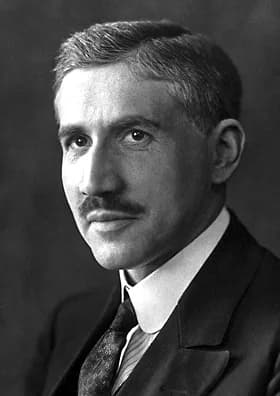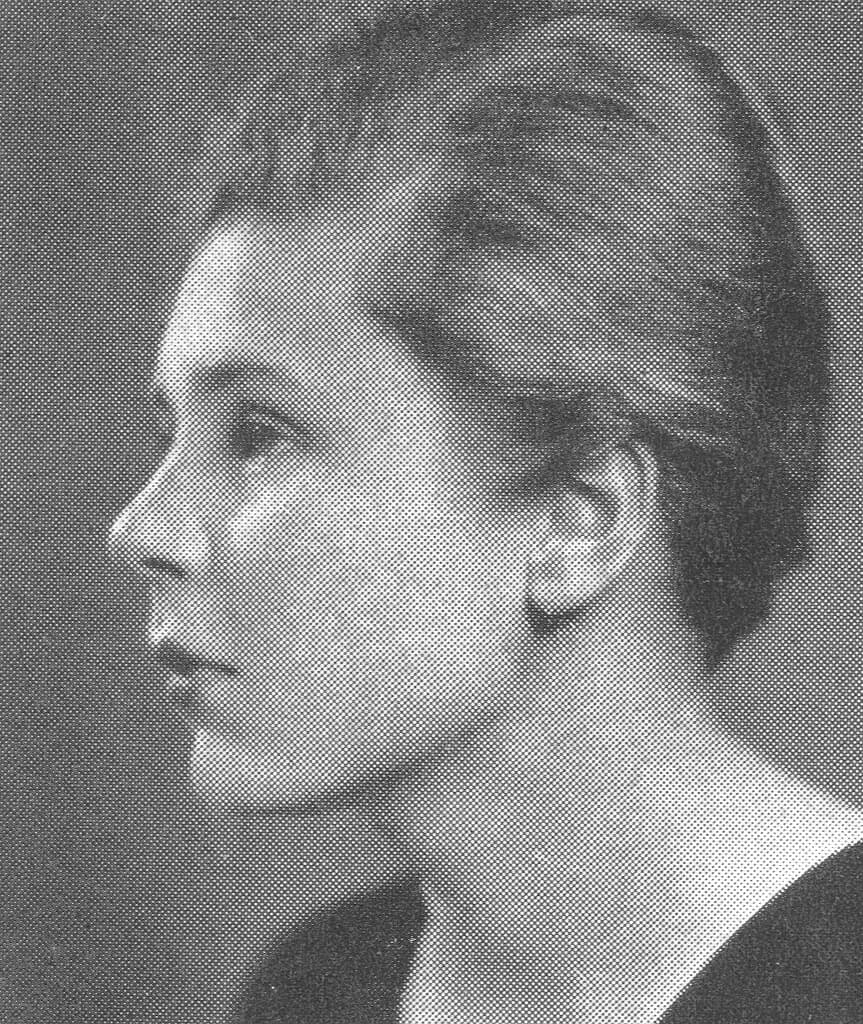
Lindur
July 23, 1920
Freguesia da Pena, Portugal
Vdekur
October 6, 1999
Lisbon, Portugal
I njohur për
Portuguese recording artist, fado singer, actress
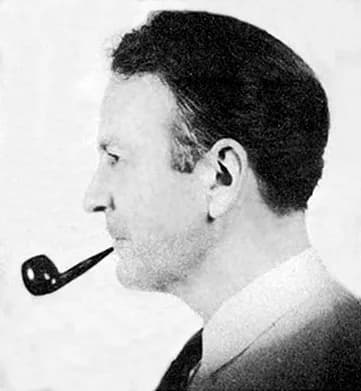
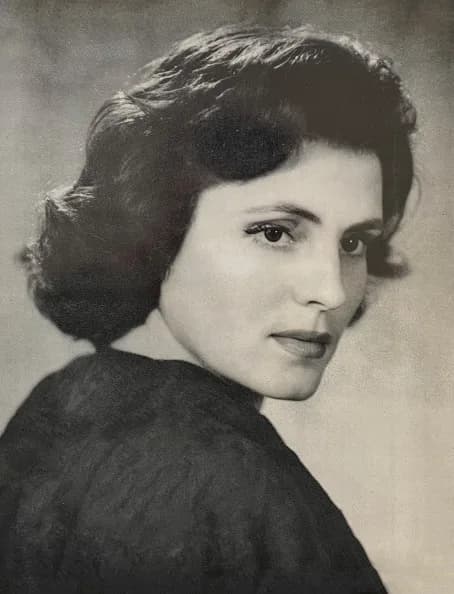
Amália Rodrigues (1920–1999) was Portugal best known for Portuguese recording artist, fado singer, actress.
Amália Rodrigues (July 23, 1920 – October 6, 1999) was a Portuguese recording artist, fado singer, and actress from Freguesia da Pena, Portugal. Known as the 'Queen of Fado,' she profoundly shaped the genre and introduced Portuguese music to the world. Her artistry continues to resonate, cementing her status as a cultural icon.
Një jetë në momente
Momentet që formësuan një jetë
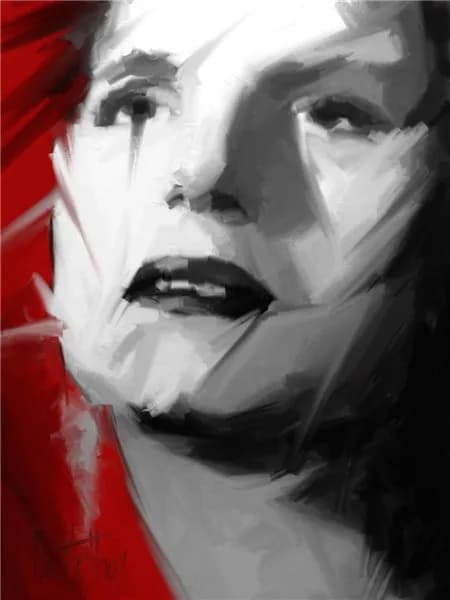
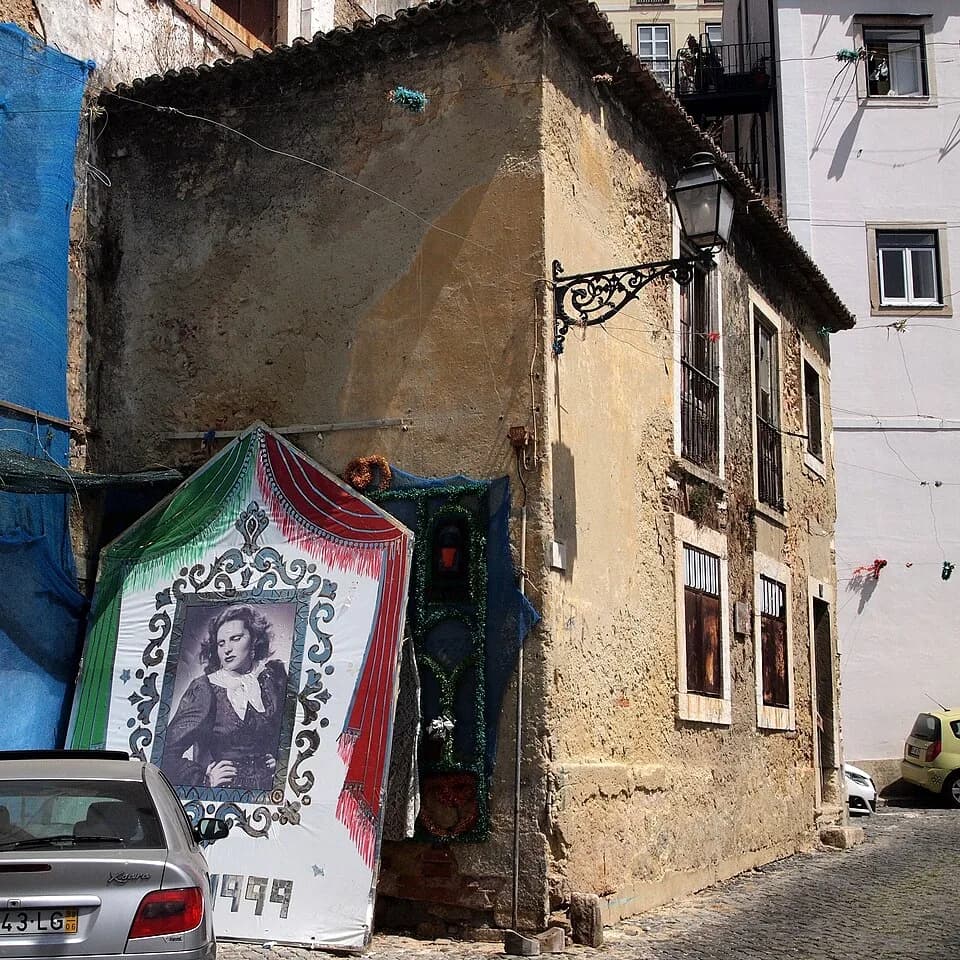
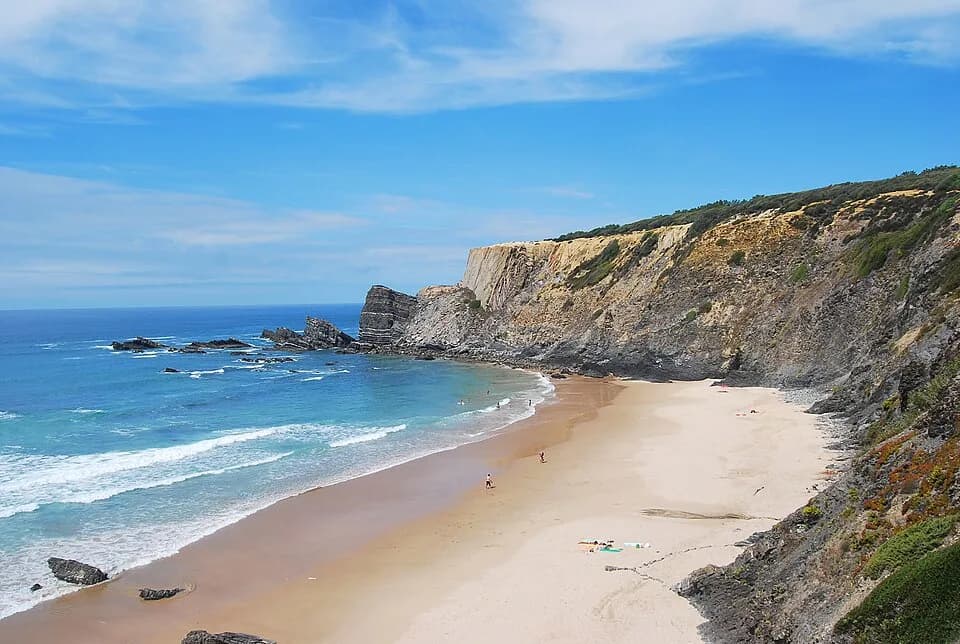
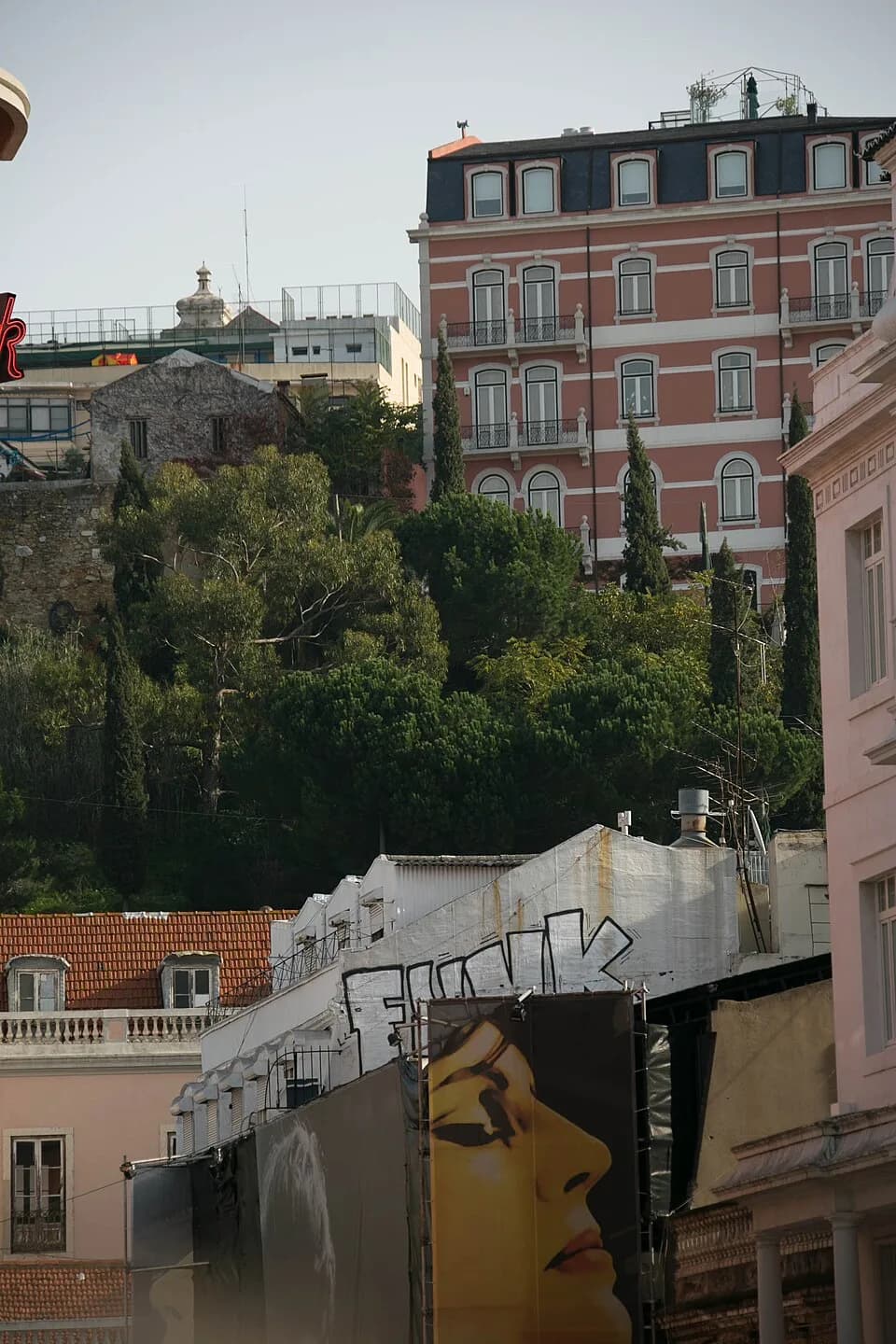
Kapitulli
Kapitujt e jetës
Kapitulli 1 · 1920· Kapitulli 1 nga 7
Amália Rodrigues: The Unforgettable Voice of Portugal
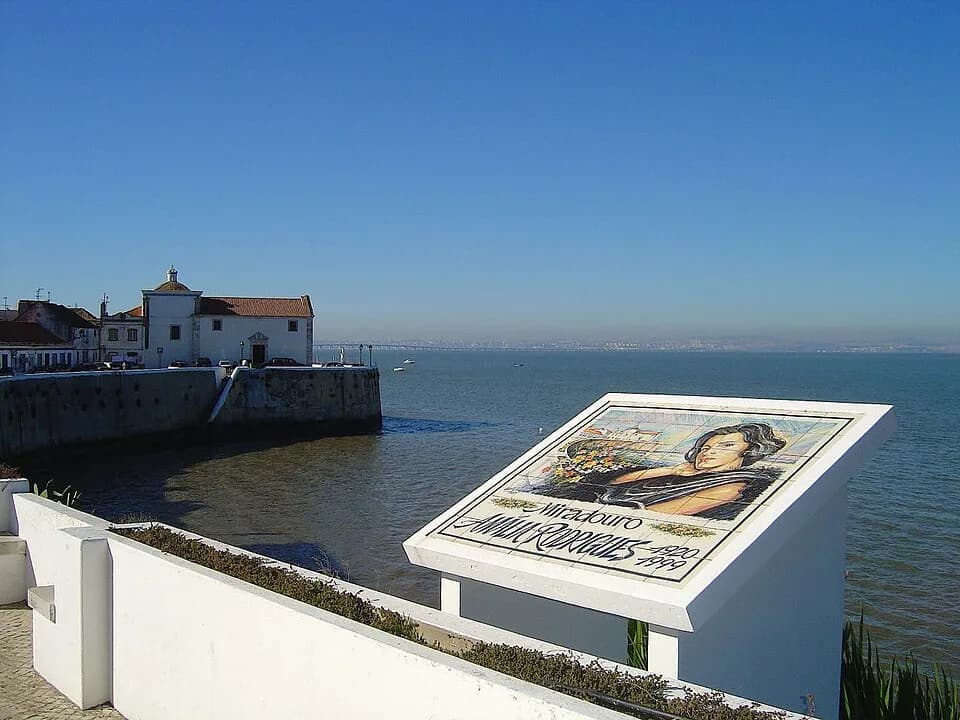
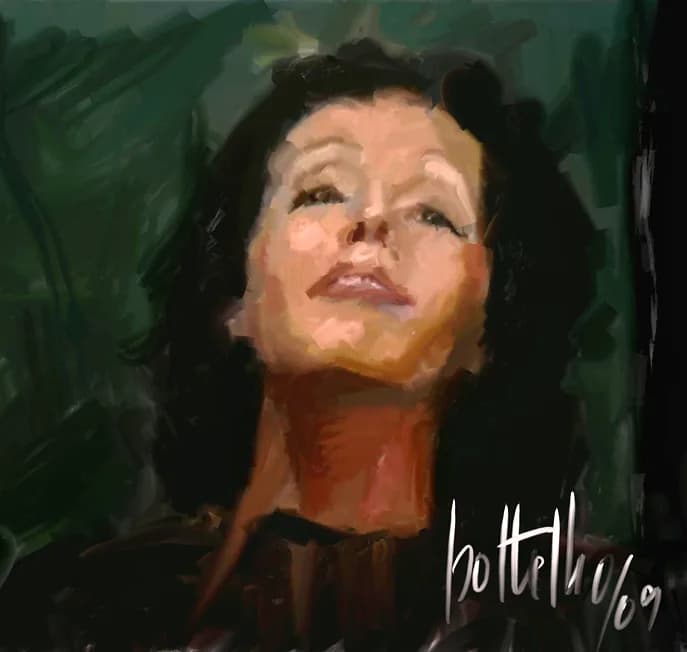
Amália da Piedade Rodrigues (July 23, 1920 – October 6, 1999) was a revered Portuguese recording artist, fado singer, and actress. She is widely celebrated for her profound impact on fado, transforming it into an internationally recognized genre. Her powerful voice and emotive performances brought Portuguese culture to global stages. Rodrigues remains an iconic figure, forever known as the 'Queen of Fado' and a symbol of Portugal's musical heritage.
Kapitulli 2 · 1920· Kapitulli 2 nga 7
Early Life and Origins
Amália Rodrigues was born on July 23, 1920, in Freguesia da Pena, a civil parish within Lisbon, Portugal. Her humble beginnings shaped the authentic and deeply felt emotion that would later characterize her singing. The cultural vibrancy of her birth city, Lisbon, played a significant role in her early exposure to fado. This foundational period in Portugal undoubtedly fueled her connection to the traditional music she would eventually master.
Kapitulli 3· Kapitulli 3 nga 7
Career Beginnings
Rodrigues began her journey as a fado singer, quickly captivating audiences with her unique vocal style and stage presence. She developed a reputation as a 'fadista,' mastering the melancholic and expressive art form. Her early performances laid the groundwork for a career that would span decades and transcend national borders. This initial phase marked the emergence of a talent destined to redefine Portuguese music.
Kapitulli 4· Kapitulli 4 nga 7
Major Achievements and Career Highlights
Amália Rodrigues became synonymous with fado, establishing herself as its preeminent voice and a leading Portuguese recording artist. Her powerful and emotive performances brought the traditional Portuguese musical genre to international acclaim throughout her extensive career. She transcended cultural barriers, showcasing fado's deep emotional resonance to audiences across the globe. This widespread recognition cemented her status as the 'Queen of Fado,' a title she held with immense distinction and honor.
Her career was marked by continuous innovation within the fado tradition, while always respecting its roots. Rodrigues’s distinctive interpretations of classic fados and new compositions ensured the genre's vitality for new generations. She achieved an unparalleled level of success, becoming Portugal's most popular and influential artist. Her achievements extended beyond music, as she also built a notable career as an actress.
Kapitulli 5 · 1954· Kapitulli 5 nga 7
Notable Works and Contributions
Amália Rodrigues left behind an extensive and influential body of work across multiple artistic disciplines. Her discography includes seminal albums such as Amália Rodrigues Sings Fado From Portugal Flamenco From Spain (1954), showcasing her versatility beyond fado. Other significant releases include Amália Rodrigues (1958), Amalia Rodrigues et ses guitaristes (1958), and Fado português (1965), which further solidified her dominance in the fado genre. Albums like Fado...The Soul of Portugal (1966), Fados 67 (1967), Vou dar de beber à dor (1967), Com que voz (1970), Oiça lá ó Senhor Vinho (1971), and Amália canta Portugal 2 (1971) continued to define her legacy in music.
Beyond her extraordinary vocal career, Rodrigues also excelled as an actress, appearing in numerous films. Her filmography features works like Fado, a Singer's Story (1947), one of her earliest notable screen appearances. She continued to grace the silver screen in films such as Magical Storm (1949), The Lovers of Lisbon (1955), and The Little Parade (1961). Later roles included Enchanted Isles (1966), Lisboa Cultural (1984), and Until the End of the World (1991), demonstrating her enduring presence in cinema. Posthumously, she was featured in works like The Art of Amália (2000) and Fados (2007), which celebrated her life and contributions.
Her artistic reach extended to various music genres including fado, fado de coimbra, flamenco, and folk, demonstrating a broad musical aptitude. Her influence even touched the visual arts, with her being the subject of the artwork "All You Could Hear was the Rustling of Her Psoriasis, from Casey" (1977), attributed to the Art Institute of Chicago (AIC). These diverse contributions underline her status as a cultural polymath.
Kapitulli 6 · 1999· Kapitulli 6 nga 7
Later Years
Amália Rodrigues continued to perform and record, maintaining her status as a beloved national treasure well into her later years. She remained an active and influential figure in Portuguese culture, her voice continuing to evoke deep emotion. Her final years saw her living in Lisbon, the city that had been central to her life and career. She passed away peacefully in Lisbon, Portugal, on October 6, 1999, leaving behind an unparalleled artistic legacy.
Kapitulli 7· Kapitulli 7 nga 7
Legacy and Impact
The legacy of Amália Rodrigues is immeasurable, as she single-handedly brought fado from the taverns of Lisbon to concert halls around the world. She is credited with popularizing the genre globally, becoming its most recognizable ambassador. Her interpretations imbued fado with a sophisticated elegance, while retaining its raw, passionate essence. Rodrigues’s work continues to inspire new generations of artists and fans alike, ensuring fado's enduring appeal.
Her life and career represent a pinnacle of Portuguese artistry and cultural pride. Amália Rodrigues's voice remains an intrinsic part of Portugal’s identity, celebrated through her extensive discography and film appearances. Her influence extends beyond entertainment, as she remains a powerful symbol of national spirit and artistic excellence. The 'Queen of Fado' continues to reign in the hearts of millions, her memory preserved through her immortal music.
Pyetje të shpeshta
Pyetje të bëra shpesh
Kur vdiq Amália Rodrigues?
Amália Rodrigues vdiq më 6 tetor 1999 në Lisbon, Portugal, në moshën 79-vjeçare.
Ku lindi Amália Rodrigues?
Amália Rodrigues lindi në Freguesia da Pena, Portugal më 23 korrik 1920.
Për çfarë është më i/e njohur Amália Rodrigues?
Amália Rodrigues është më i/e njohur për Portuguese recording artist, fado singer, actress.
Sa vjeç ishte Amália Rodrigues kur vdiq?
Amália Rodrigues ishte 79 vjeç kur vdiq.
Çfarë kombësie kishte Amália Rodrigues?
Amália Rodrigues ishte nga Portugal.
Linja kohore
Jeta në një vështrim
Galeri fotografike
Një jetë në fotografi
Klikoni çdo polaroid për ta zmadhuar · 23 foto
Kodi QR
Ndajeni Këtë Biografi
Printoni dhe Ndani
Skanoni për të vizituar këtë faqe biografie. Printojeni për ngjarje, ekspozita ose materiale edukative.