Lindur
June 3, 1926
Paterson, United States
Vdekur
April 5, 1997
New York City, United States
I njohur për
American poet and writer
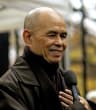
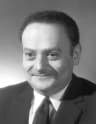
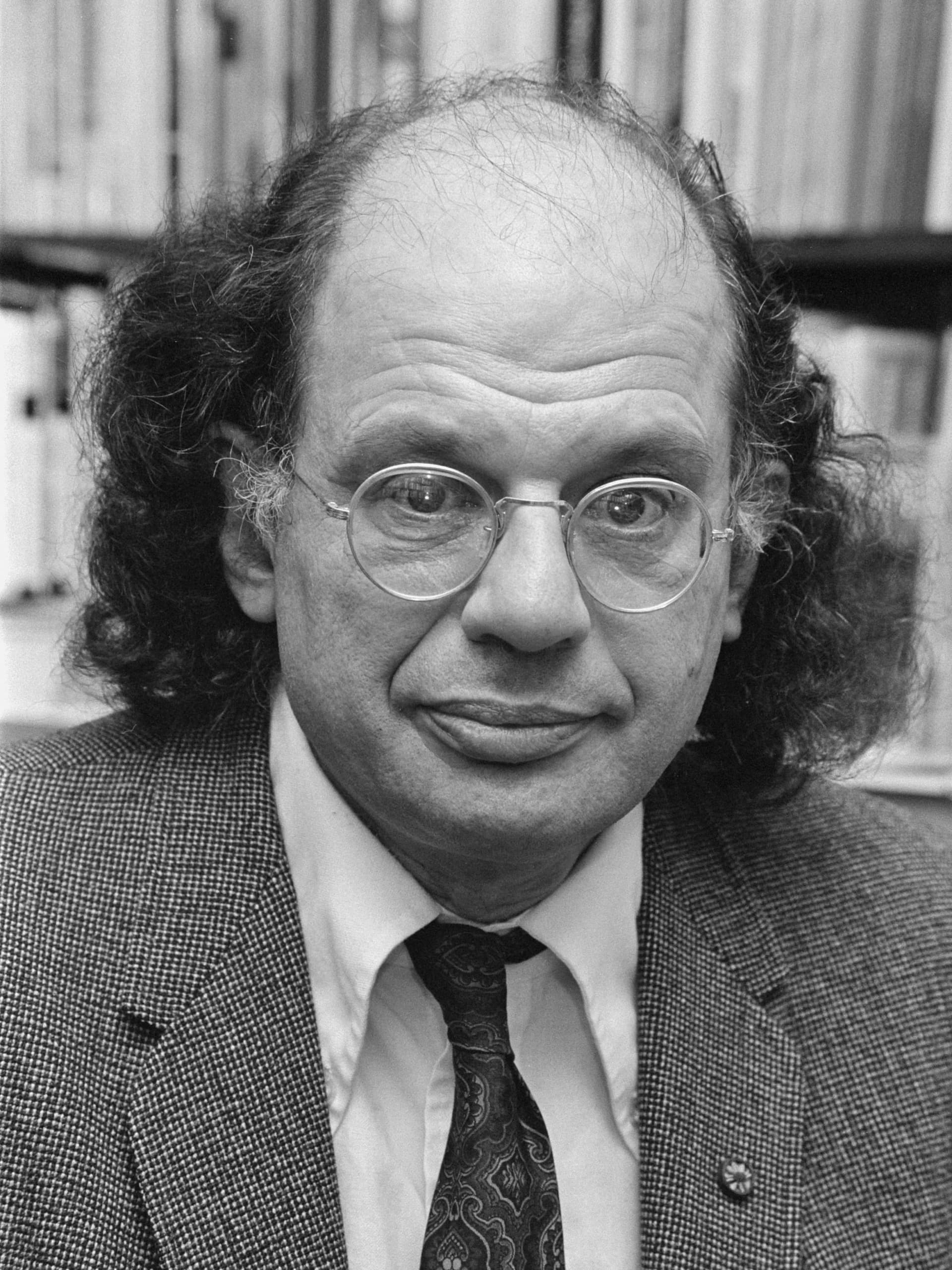
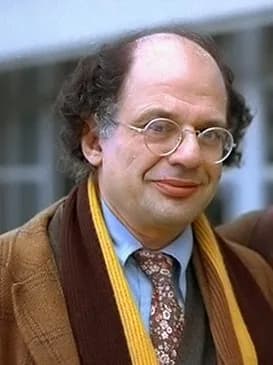
Allen Ginsberg (1926–1997) was United States best known for American poet and writer.
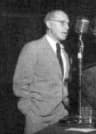
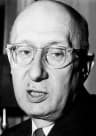
Allen Ginsberg (June 3, 1926 – April 5, 1997) was an American poet and writer. He was a central figure of the Beat Generation, known for his opposition to militarism and sexual repression. His work fostered counterculture and explored themes of drugs, sex, multiculturalism, and Eastern religions.
Kapitulli
Kapitujt e jetës
Kapitulli 1 · 1926· Kapitulli 1 nga 7
Remembering Allen Ginsberg: Visionary Poet and Voice of the Beat Generation
Remembering Irwin Allen Ginsberg (1926–1997), an American poet and writer whose profound voice helped define an entire generation. Born on June 3, 1926, in Paterson, United States, and passing on April 5, 1997, in New York City, United States, Ginsberg was a central and vocal figure of the Beat Generation. His powerful poetry, photography, and outspoken views consistently challenged societal norms, advocating for new perspectives on freedom and expression. He was known for his work across many professions, including screenwriter, teacher, poet, playwright, musician, librettist, autobiographer, and diarist.
Kapitulli 2 · 1926· Kapitulli 2 nga 7
Early Life and Origins
Allen Ginsberg's life began in Paterson, United States, where he was born on June 3, 1926. This industrial city in New Jersey provided the backdrop for his formative years, though specific details about his family beyond what is generally known are not provided here. His upbringing and early experiences undoubtedly contributed to the unique perspective he would later bring to his writing and activism, setting the stage for a career dedicated to artistic and social commentary.
Kapitulli 3· Kapitulli 3 nga 7
Career Beginnings
Ginsberg's literary journey truly began during his student days at Columbia University in the 1940s. It was within these academic halls that he forged critical and lasting friendships with Lucien Carr, William S. Burroughs, and Jack Kerouac. Together, this intellectual quartet formed the foundational core of what would soon erupt as the Beat Generation, a significant literary movement that defiantly rejected the prevailing mainstream American values of their era. Their early collaborations and shared intellectual curiosity laid the groundwork for a new cultural paradigm.
Kapitulli 4· Kapitulli 4 nga 7
Major Achievements and Career Highlights
Allen Ginsberg established himself as a versatile and influential artist, known not only as a poet but also as a writer, screenwriter, photographer, teacher, playwright, musician, librettist, autobiographer, and diarist. He vigorously opposed militarism, economic materialism, and sexual repression, themes that permeated his extensive body of work and public activism. Ginsberg actively embodied various aspects of the counterculture, openly sharing his views on drugs, sex, multiculturalism, and expressing hostility to bureaucracy, all while exploring Eastern religions. These stances made him a leading voice for social change and artistic freedom.
His commitment to these principles extended beyond his written word, influencing his performances and public appearances. Ginsberg’s ability to articulate the frustrations and aspirations of a disillusioned post-war generation cemented his role as a countercultural icon. Through his life and art, he consistently challenged conventional thought, urging society to reconsider its values and embrace greater openness.
Kapitulli 5 · 1958· Kapitulli 5 nga 7
Notable Works or Contributions
Ginsberg's contributions to literature are significant, featuring titles such as "Wales - a visitation," "May Day," and the powerful "Kaddish." Other significant works from his bibliography include "Intervista con Allen Ginsberg," "Da New York a San Francisco," and "Sucede que yo soy América," reflecting his broad thematic interests and international reach. He also contributed "OM...entretiens et témoignages" and "Kaddish et autres poèmes, 1958-1960," showcasing his diverse literary output.
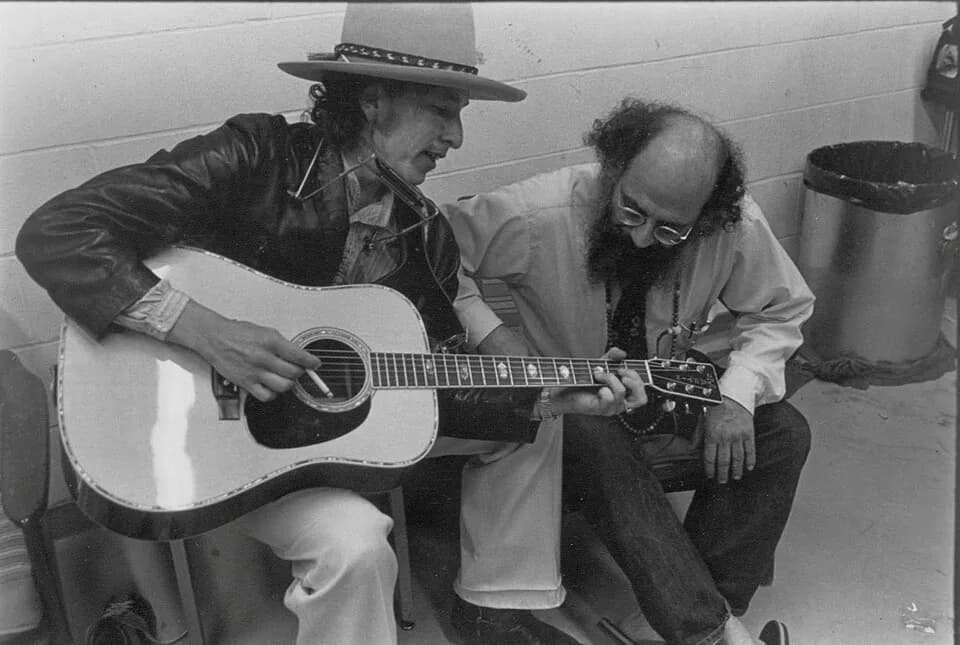
Beyond poetry, Ginsberg was a prominent figure in the music world, known for his distinctive spoken-word style. His discography includes albums like "The Ballad of the Skeletons" (1996), "Songs of Innocence and Experience" (1970), and "Holy Soul Jelly Roll: Poems and Songs 1949-1993" (1994). He explored genres such as beat poetry, spoken word, and poetry, leaving a lasting mark on the musical sphere with works like "New York Blues: Rags, Ballads & Harmonium Songs" (1981), "The Lion For Real" (1989), and "Hydrogen Jukebox" (1993). His involvement with film included appearances in "Dont Look Back" (1967), "Walden" (1968), and "Renaldo and Clara" (1981), further demonstrating his expansive artistic engagements. He even had an artwork, "Buba, My Grandmother Rebecca Ginsberg (May 1869 - July 1962) Visiting Her Son Louis' House at Table for Seder Preparations" (1953, printed 1991), recognized by the Met Museum.
Kapitulli 6 · 1996· Kapitulli 6 nga 7
Later Years
In his later years, Allen Ginsberg remained a vibrant and prolific artist, continuing to produce important work and engage actively in cultural and political discourse. His album "The Ballad of the Skeletons," released in 1996, stands as a testament to his enduring creative spirit and his continued relevance in contemporary music and poetry. He maintained his role as a public intellectual and an artistic innovator, touring and performing his works. His final years saw him still advocating for the ideals he championed throughout his life, ensuring his voice remained a vital part of the global conversation until his passing on April 5, 1997, in New York City.
Kapitulli 7· Kapitulli 7 nga 7
Legacy and Impact
Allen Ginsberg's legacy is deeply etched into the fabric of American culture and beyond, primarily through his courageous challenge to the status quo and his pioneering role within the Beat Generation. His work redefined poetic expression and ignited a countercultural movement that reshaped societal norms regarding sexuality, politics, and spirituality. Ginsberg's open embrace of alternative lifestyles, his fervent advocacy against war and repression, and his singularly powerful poetic voice continue to inspire generations of artists, writers, and activists worldwide. His enduring influence reminds us of the power of art to provoke thought, foster change, and explore the depths of human experience.
Një jetë në momente
Momentet që formësuan një jetë
Pyetje të shpeshta
Pyetje të bëra shpesh
Kur vdiq Allen Ginsberg?
Allen Ginsberg vdiq më 5 prill 1997 në New York City, United States, në moshën 70-vjeçare.
Ku lindi Allen Ginsberg?
Allen Ginsberg lindi në Paterson, United States më 3 qershor 1926.
Për çfarë është më i/e njohur Allen Ginsberg?
Allen Ginsberg është më i/e njohur për American poet and writer.
Sa vjeç ishte Allen Ginsberg kur vdiq?
Allen Ginsberg ishte 70 vjeç kur vdiq.
Çfarë kombësie kishte Allen Ginsberg?
Allen Ginsberg ishte nga United States.
Linja kohore
Jeta në një vështrim
Galeri fotografike
Një jetë në fotografi
Klikoni çdo polaroid për ta zmadhuar · 20 foto
Kodi QR
Ndajeni Këtë Biografi
Printoni dhe Ndani
Skanoni për të vizituar këtë faqe biografie. Printojeni për ngjarje, ekspozita ose materiale edukative.