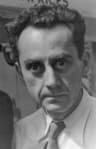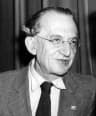
Rojen/a
March 31, 1890
Adelaide, Australia
Umrl/a
July 1, 1971
Ipswich, United Kingdom
Znan/a po
Australian-born British physicist and X-ray crystallographer
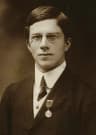
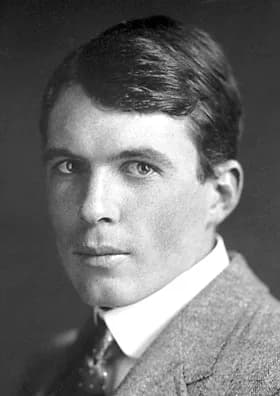
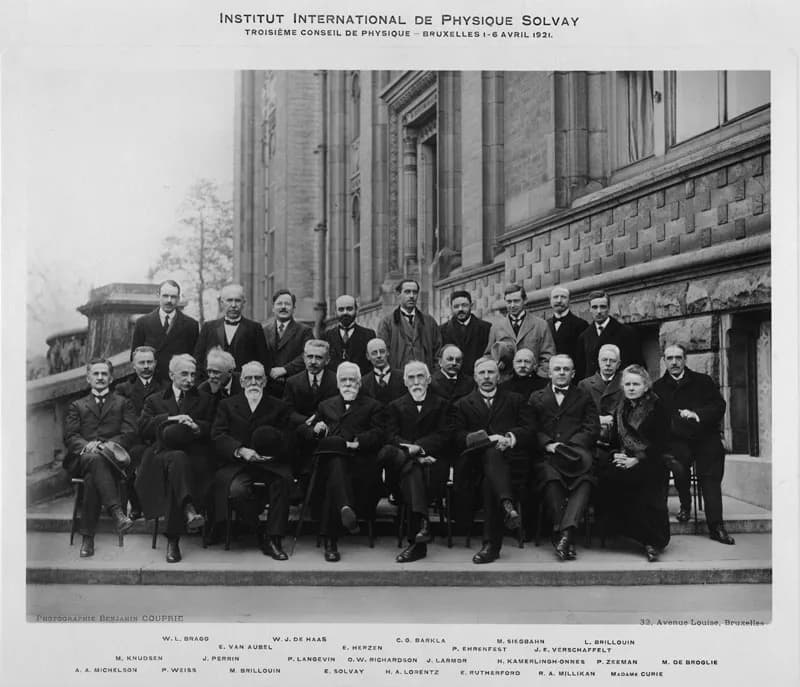
William Lawrence Bragg (1890–1971) was Australia best known for Australian-born British physicist and X-ray crystallographer.
William Lawrence Bragg (March 31, 1890 – July 1, 1971) was an Australian-born British physicist and X-ray crystallographer. He uniquely shared the 1915 Nobel Prize in Physics with his father for their groundbreaking analysis of crystal structure using X-rays. This pivotal work established the foundation for modern X-ray crystallography.
Poglavje
Življenjska poglavja
Poglavje 1 · 1890· Poglavje 1 od 7
Early Life and Origins
William Lawrence Bragg was born on March 31, 1890, in Adelaide, Australia. His early life was immersed in a scientific environment, as his father, William Henry Bragg, was also a prominent physicist. This upbringing undoubtedly fostered his intellectual curiosity and laid the foundation for his future scientific endeavors.
Poglavje 2· Poglavje 2 od 7
Career Beginnings
Bragg's scientific career began with a strong focus on the interaction of X-rays with crystals. His early work, often in collaboration with his father, quickly led to significant breakthroughs in understanding atomic arrangements. This collaboration laid the groundwork for the discoveries that would soon earn them global recognition.
Poglavje 3 · 1915· Poglavje 3 od 7
Major Achievements and Career Highlights
A monumental achievement in William Lawrence Bragg's career was the shared 1915 Nobel Prize in Physics with his father, William Henry Bragg. They received the award "for their services in the analysis of crystal structure by means of X-rays." This recognition, awarded when he was just 25, made him one of the youngest Nobel laureates in history.
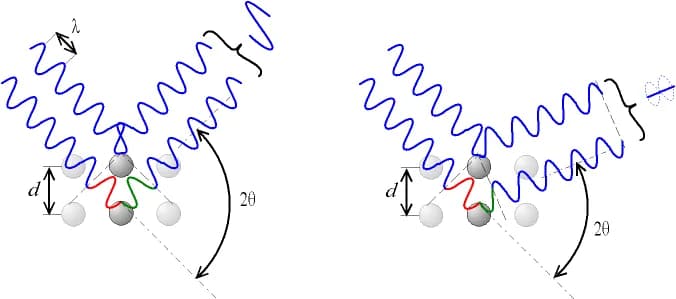
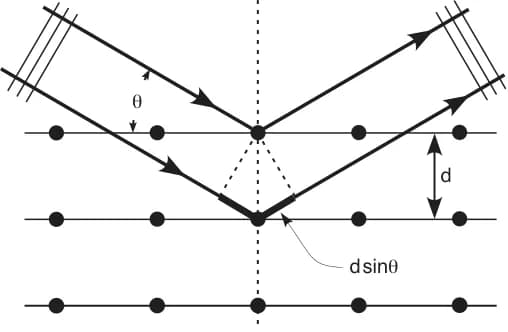
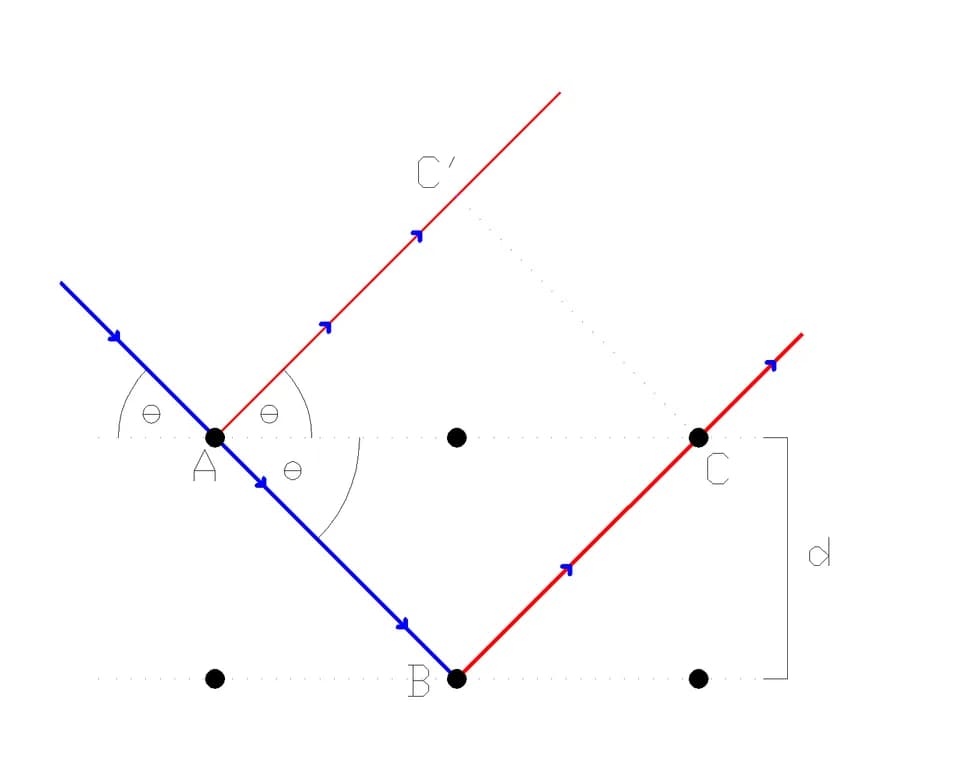
Their work on X-ray diffraction provided the fundamental principles for determining the atomic and molecular structure of crystals, a technique now known as X-ray crystallography. This method revolutionized fields from mineralogy to biology by allowing scientists to visualize the precise arrangement of atoms. The development of X-ray crystallography marked an important step forward in scientific analysis.
Poglavje 4· Poglavje 4 od 7
Personal Life
While the available information focuses primarily on his professional achievements, William Lawrence Bragg's life was certainly dedicated to scientific pursuit. His unique collaboration with his father on Nobel Prize-winning research suggests a close and productive personal and professional relationship. The details of his family and personal interests beyond his extensive scientific work are not specified in the provided records.
Poglavje 5 · 2014· Poglavje 5 od 7
Notable Works or Contributions
William Lawrence Bragg was a prolific researcher, contributing to science through 158 academic papers, reflecting an h-index of 40. Among his significant works is "The Diffraction of X-rays by Crystals," a seminal text in the field, which saw a reprint in 2014. Other notable contributions included "The Thermal Expansion of Quartz by X -R ay Measurements" and "The Scattering of Electrons hy Atoms."
These publications highlight his deep engagement with the fundamental aspects of physics and crystallography. His work on Michael Faraday, titled "Michael Faraday: A List of His Lectures and Published Writings," also indicates a broad intellectual curiosity and respect for scientific history. His extensive output underscores his continuous dedication to advancing scientific knowledge throughout his career.
Poglavje 6 · 1971· Poglavje 6 od 7
Later Years
William Lawrence Bragg continued to contribute to science as a university teacher and a leading figure in research institutions. He maintained an active role in the scientific community well into his later years, guiding new generations of physicists and crystallographers. His influence extended through his mentorship and continued academic publications. He passed away on July 1, 1971, in Ipswich, United Kingdom.
Poglavje 7· Poglavje 7 od 7
Legacy and Impact
The legacy of William Lawrence Bragg is immense, primarily defined by his co-discovery and development of X-ray crystallography. This technique became indispensable for understanding the structure of materials, from simple salts to complex biological molecules like DNA. His analytical methods provided a new lens through which to view the atomic world.
His pioneering work transformed multiple scientific disciplines and continues to be a foundational element in modern materials science, chemistry, and molecular biology. William Lawrence Bragg left an enduring mark as a brilliant physicist and a key architect of the scientific advancements of the 20th century.
Življenje v trenutkih
Trenutki, ki so oblikovali življenje

Pogosta vprašanja
Pogosto vprašano
Kdaj je umrl(a) William Lawrence Bragg?
William Lawrence Bragg je umrl(a) 1. julij 1971 v Ipswich, United Kingdom v starosti 81 let.
Kje je bil(a) rojen(a) William Lawrence Bragg?
William Lawrence Bragg je bil(a) rojen(a) v Adelaide, Australia dne 31. marec 1890.
Po čem je William Lawrence Bragg najbolj znan(a)?
William Lawrence Bragg je najbolj znan(a) po Australian-born British physicist and X-ray crystallographer.
Koliko je bil(a) William Lawrence Bragg star(a) ob smrti?
William Lawrence Bragg je bil(a) ob smrti star(a) 81 let.
Katere narodnosti je bil(a) William Lawrence Bragg?
William Lawrence Bragg je bil(a) iz Australia.
Časovnica
Življenje na hitro
Galerija fotografij
Življenje v slikah
Kliknite katero koli polaroidno fotografijo za povečavo · 44 fotografij
Koda QR
Deli to biografijo
Natisni in deli
Skenirajte za obisk te biografske strani. Natisnite za dogodke, razstave ali izobraževalna gradiva.