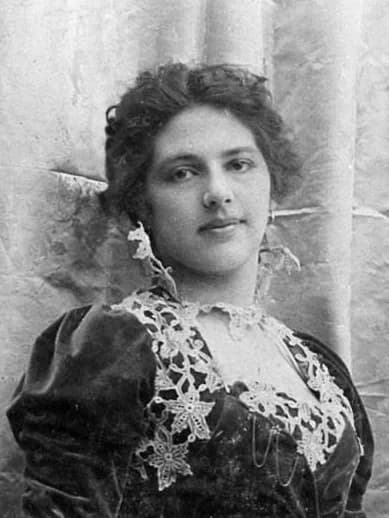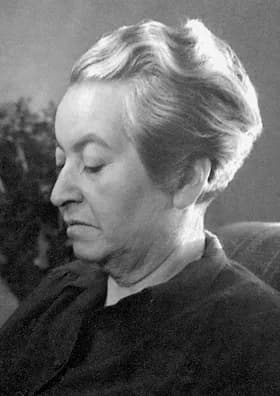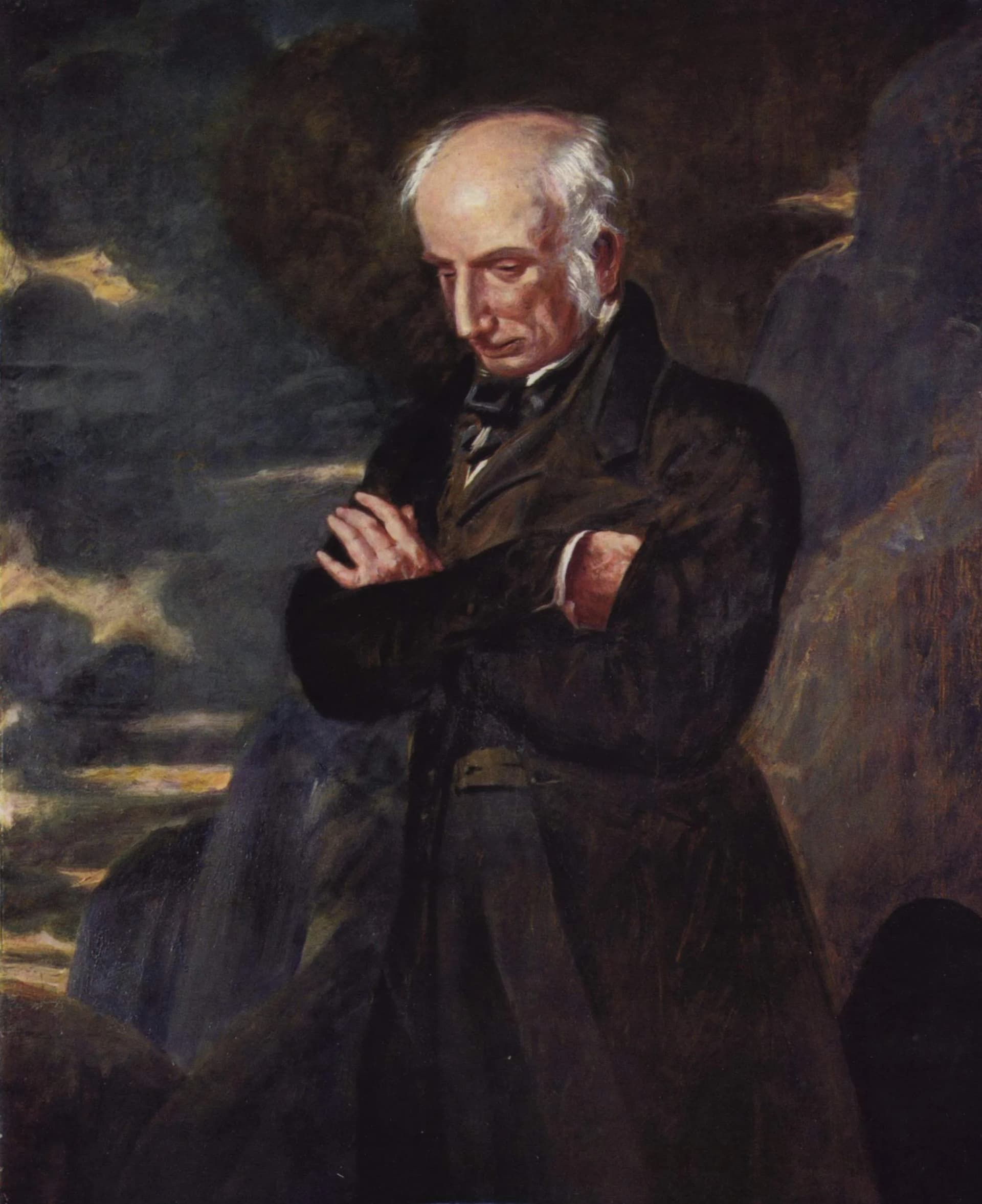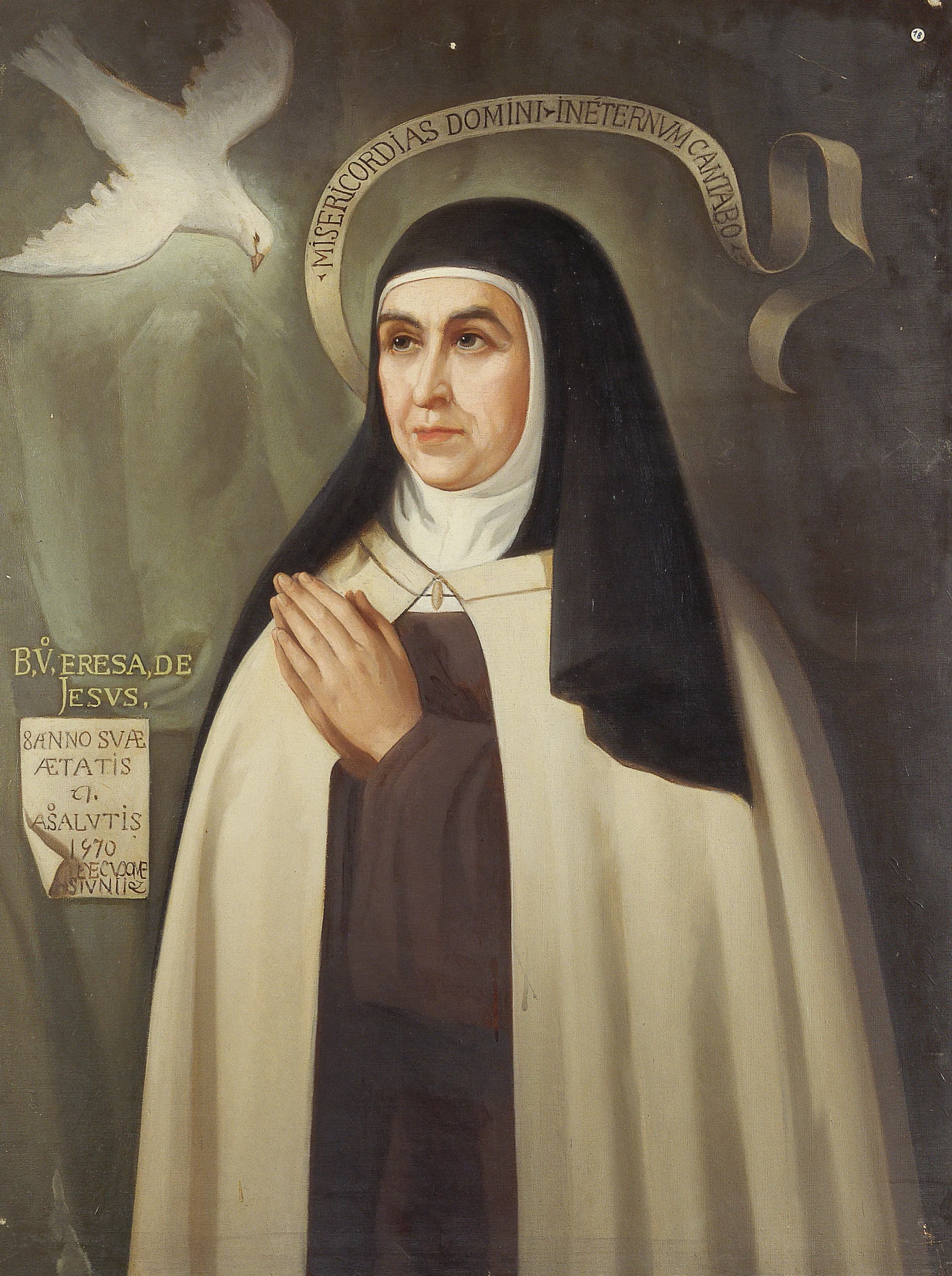
Rojen/a
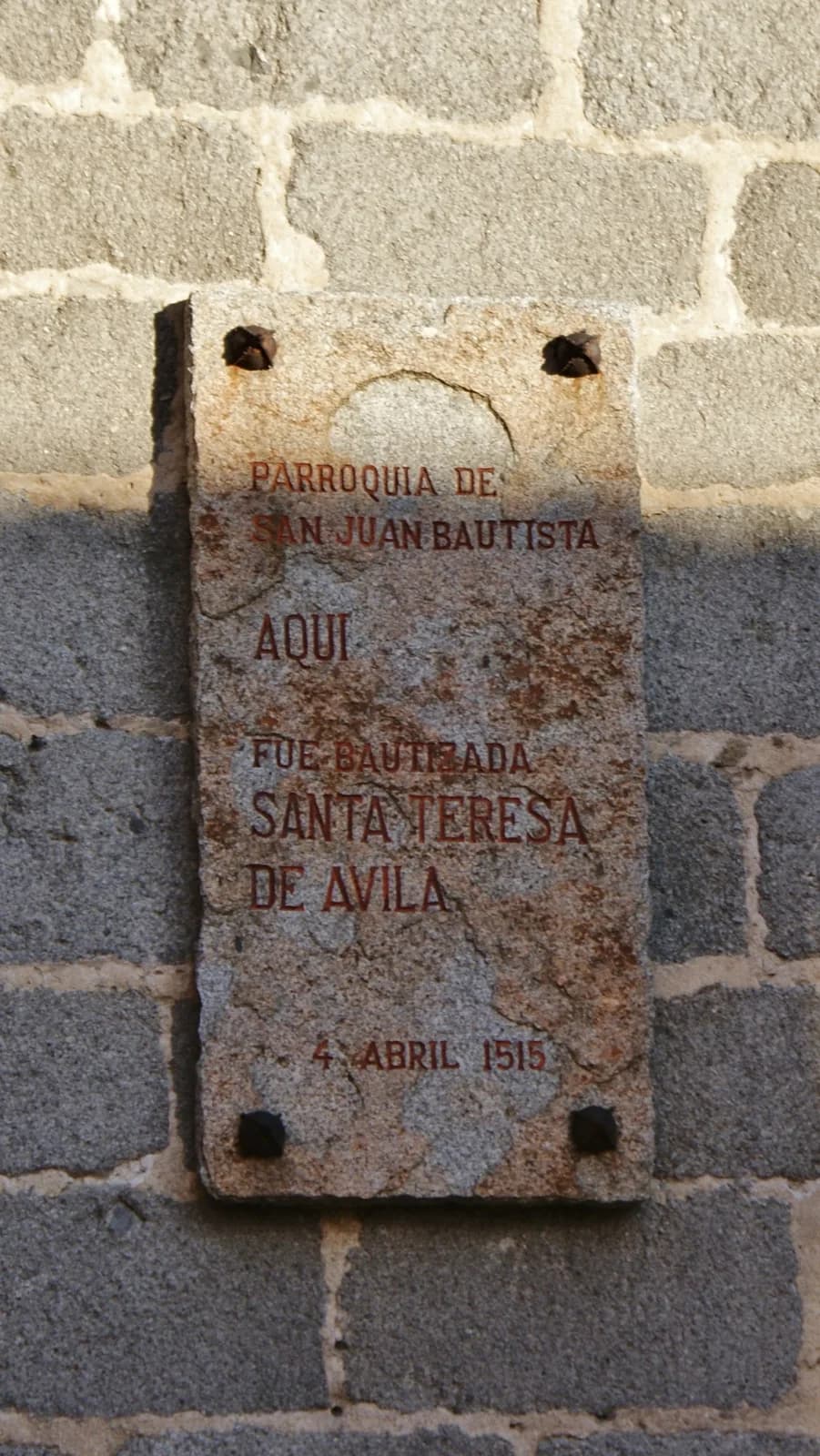
April 7, 1515
Ávila, Spain
Umrl/a
October 15, 1582
Monastery of the Anunciación, Spain
Znan/a po
Roman Catholic saint
Teresa of Ávila (1515-1582) was a Carmelite nun, Spanish mystic, and religious reformer from Ávila, Spain. She founded reformed Catholic religious communities and wrote influential works on mystical theology and contemplative prayer. She was canonized as a Roman Catholic saint.
Življenje v trenutkih
Trenutki, ki so oblikovali življenje
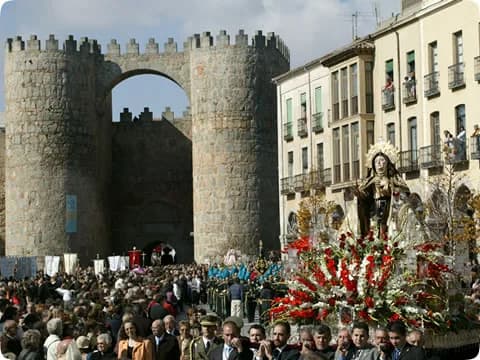
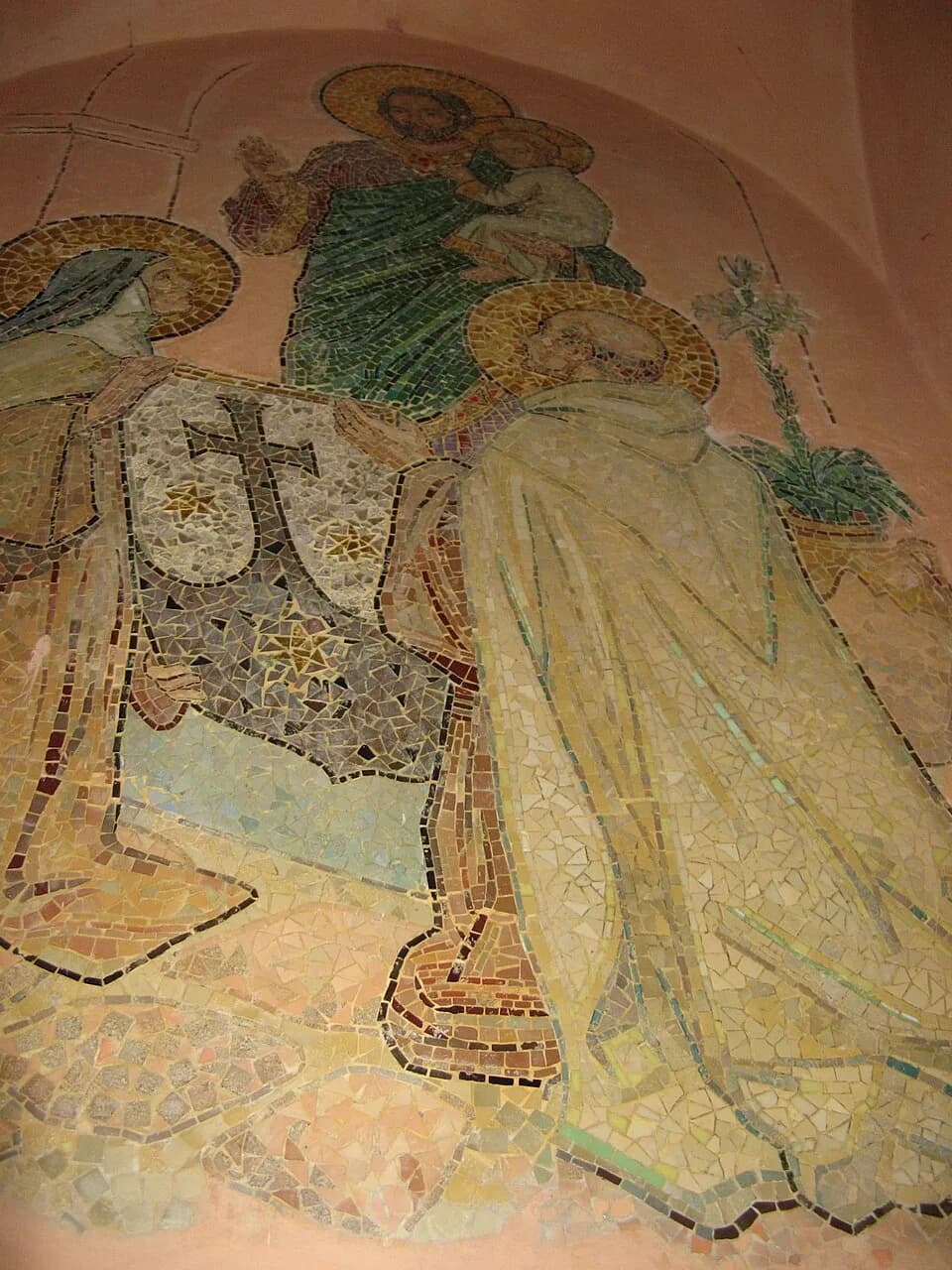
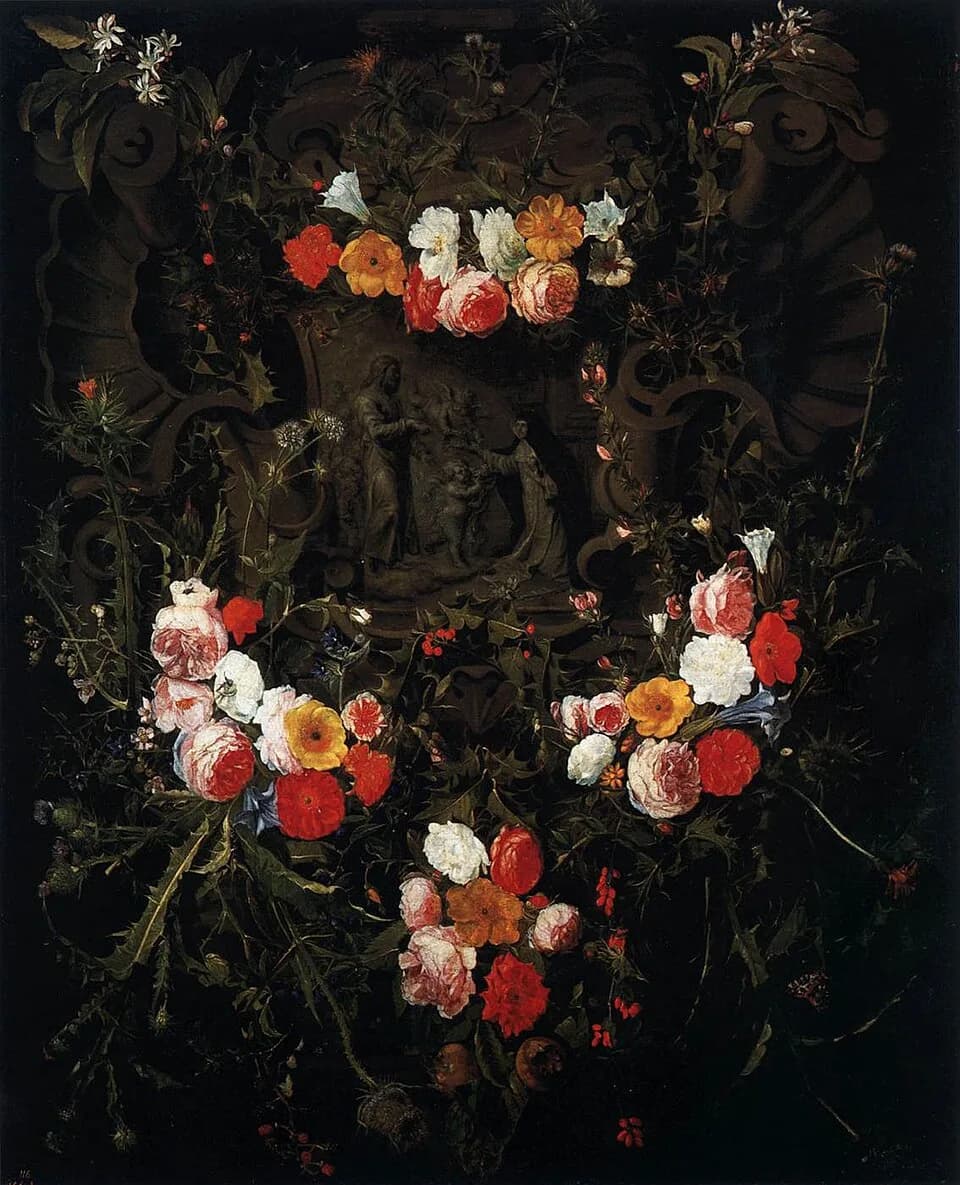
Poglavje
Življenjska poglavja
Poglavje 1 · 1515· Poglavje 1 od 7
Early Life and Origins
Teresa was born on April 7, 1515, in the historic city of Ávila, Spain, during a time of great religious and cultural transformation in the Spanish Empire. The details of her early family life and upbringing shaped her later spiritual calling and commitment to religious life. Growing up in Ávila, a city known for its strong Catholic traditions and impressive medieval walls, Teresa was immersed in the religious culture that would define her life's work.
Her early years were marked by a gradual awakening to religious life and contemplation. The spiritual environment of 16th-century Spain, with its emphasis on Catholic reform and mystical experience, provided the backdrop for her developing faith and eventual calling to religious life.
Poglavje 2· Poglavje 2 od 7
Religious Calling and Entry into Carmelite Life
Teresa's journey into religious life began when she became a Carmelite nun, embracing the cloistered life that would become central to her identity. As a religious sister, she committed herself to the contemplative tradition of the Carmelite order, which emphasized prayer, meditation, and spiritual discipline. Her early years as a nun established the foundation for her later work as both a mystic and reformer.
The Carmelite tradition provided Teresa with the spiritual framework she needed to develop her distinctive approach to contemplative prayer and mystical experience. Her dedication to the cloistered life became the launching point for her eventual emergence as a leading voice in Catholic reform.
Poglavje 3· Poglavje 3 od 7
Major Achievements and Religious Reform
Teresa's most significant accomplishment was her role as a religious reformer within the Carmelite order. She worked tirelessly to establish reformed communities that emphasized stricter observance of religious rules and deeper contemplative practice. Her reform efforts led to the foundation of numerous convents that followed her vision of authentic religious life.
As a founder of Catholic religious communities, Teresa demonstrated exceptional organizational skills and spiritual leadership. She established convents throughout Spain, each one reflecting her commitment to genuine spiritual practice and community life. Her reform work earned her recognition as one of the most effective religious leaders of the 16th century.
Her contributions as a writer and philosopher brought mystical theology to a broader audience. Through her works, she made complex spiritual concepts accessible to both religious and lay readers, helping to shape Catholic understanding of prayer and contemplative life.
Poglavje 4· Poglavje 4 od 7
Mystical Experiences and Spiritual Leadership
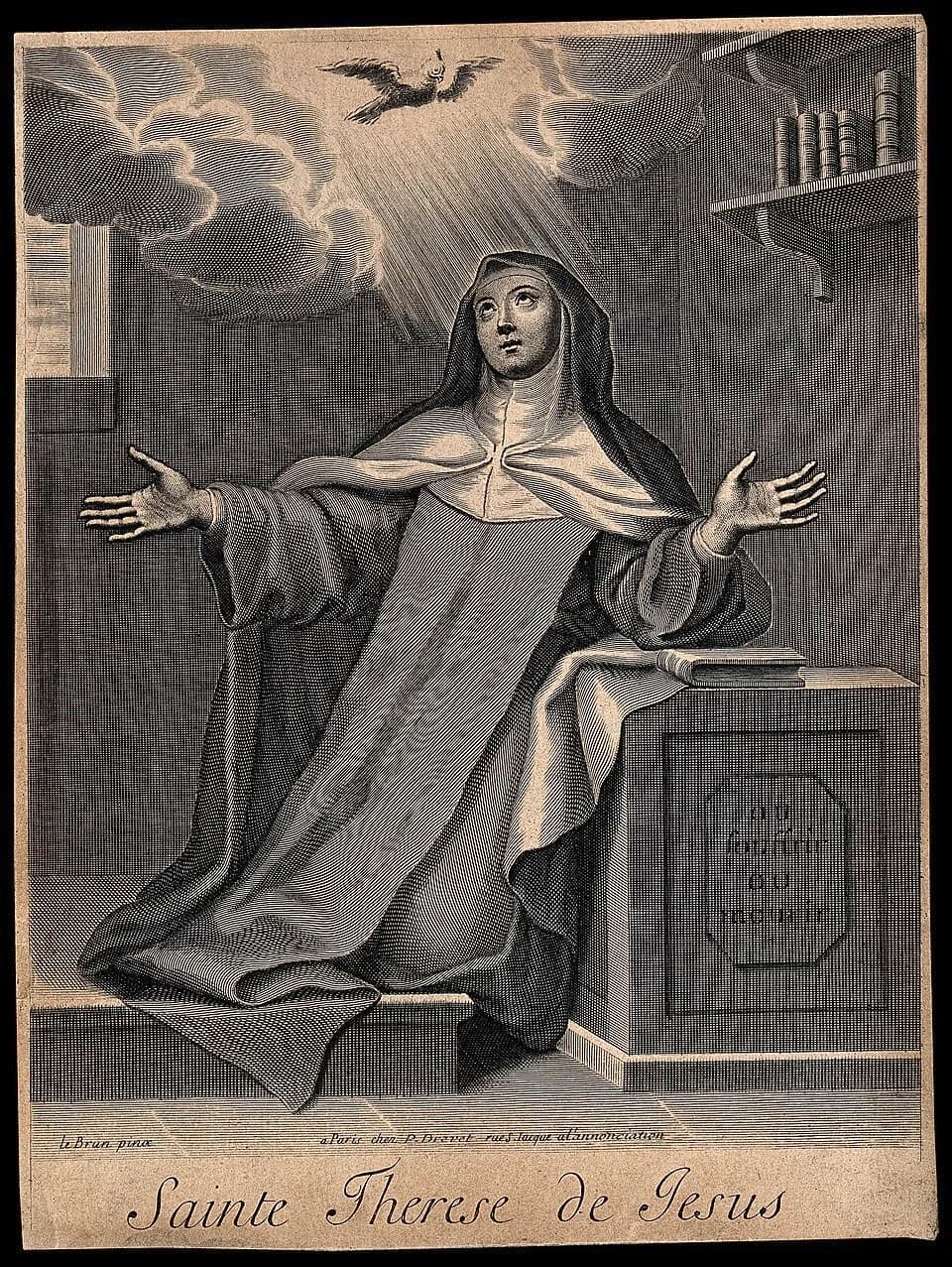
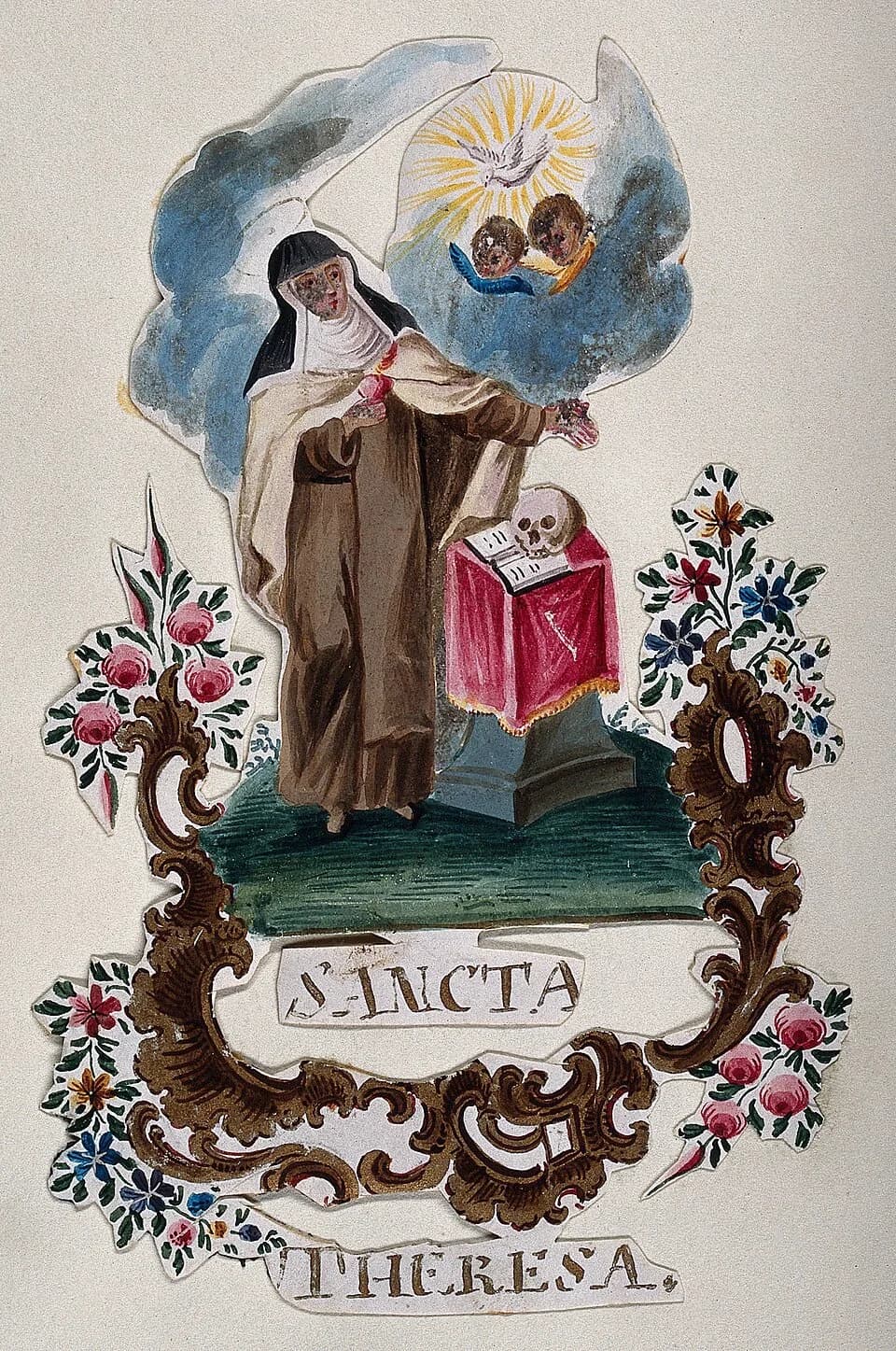
Teresa became renowned as a Spanish mystic, experiencing profound spiritual visions and states of prayer that she later described in her writings. Her mystical experiences became the subject of intense interest and study, both during her lifetime and in subsequent centuries. These experiences informed her teaching and writing, giving her work an authenticity that resonated with readers seeking deeper spiritual understanding.
Her reputation as a mystic was matched by her practical wisdom as a spiritual director and teacher. She guided numerous individuals in their spiritual development, combining her mystical insights with practical advice for living a contemplative life. This balance between mystical experience and practical guidance became a hallmark of her approach to spirituality.
Poglavje 5· Poglavje 5 od 7
Literary and Philosophical Contributions
As a writer and poet, Teresa produced works that combined profound spiritual insight with literary excellence. Her writings, including works referenced as "Christian Writing Decoded," explored the depths of mystical experience while remaining accessible to readers at various stages of spiritual development. Her literary style was both personal and universal, speaking to individual spiritual seekers while addressing broader theological questions.
Her philosophical contributions to Catholic thought centered on the nature of prayer, contemplation, and the soul's relationship with God. She developed a systematic approach to spiritual development that influenced Catholic mystical theology for centuries. Her integration of personal experience with theological reflection created a distinctive voice in Christian literature.
Poglavje 6 · 1582· Poglavje 6 od 7
Final Years and Death
Teresa's later years were spent continuing her reform work and spiritual writing until her death on October 15, 1582, at the Monastery of the Anunciación in Spain. Her final years were marked by continued dedication to her religious communities and ongoing efforts to spread her vision of reformed religious life. She remained active in guiding her foundations and spiritual disciples until the end of her life.
The location of her death at the Monastery of the Anunciación was fitting, as it represented the culmination of a life dedicated to religious community and contemplative practice. Her death marked the end of one of the most influential religious careers in 16th-century Spain.
Poglavje 7· Poglavje 7 od 7
Legacy and Sainthood
Teresa's impact on Catholic spirituality extends far beyond her lifetime, as evidenced by her eventual canonization as a Roman Catholic saint. Her influence on mystical theology and religious reform continues to inspire spiritual seekers and religious communities worldwide. The communities she founded survived and flourished, carrying forward her vision of authentic religious life.
Her writings remain central to Catholic mystical literature, studied by theologians, spiritual directors, and individuals seeking deeper prayer life. Teresa of Ávila's legacy as a mystic, reformer, and writer has established her as one of the most significant figures in Catholic spiritual history, with her feast day celebrated annually on October 15th, the anniversary of her death.
Pogosta vprašanja
Pogosto vprašano
Kdaj je umrl(a) Teresa of Ávila?
Teresa of Ávila je umrl(a) 15. oktober 1582 v Monastery of the Anunciación, Spain v starosti 67 let.
Kje je bil(a) rojen(a) Teresa of Ávila?
Teresa of Ávila je bil(a) rojen(a) v Ávila, Spain dne 7. april 1515.
Po čem je Teresa of Ávila najbolj znan(a)?
Teresa of Ávila je najbolj znan(a) po Roman Catholic saint.
Koliko je bil(a) Teresa of Ávila star(a) ob smrti?
Teresa of Ávila je bil(a) ob smrti star(a) 67 let.
Katere narodnosti je bil(a) Teresa of Ávila?
Teresa of Ávila je bil(a) iz Spain.
Časovnica
Življenje na hitro
Galerija fotografij
Življenje v slikah
Kliknite katero koli polaroidno fotografijo za povečavo · 50 fotografij
Koda QR
Deli to biografijo
Natisni in deli
Skenirajte za obisk te biografske strani. Natisnite za dogodke, razstave ali izobraževalna gradiva.