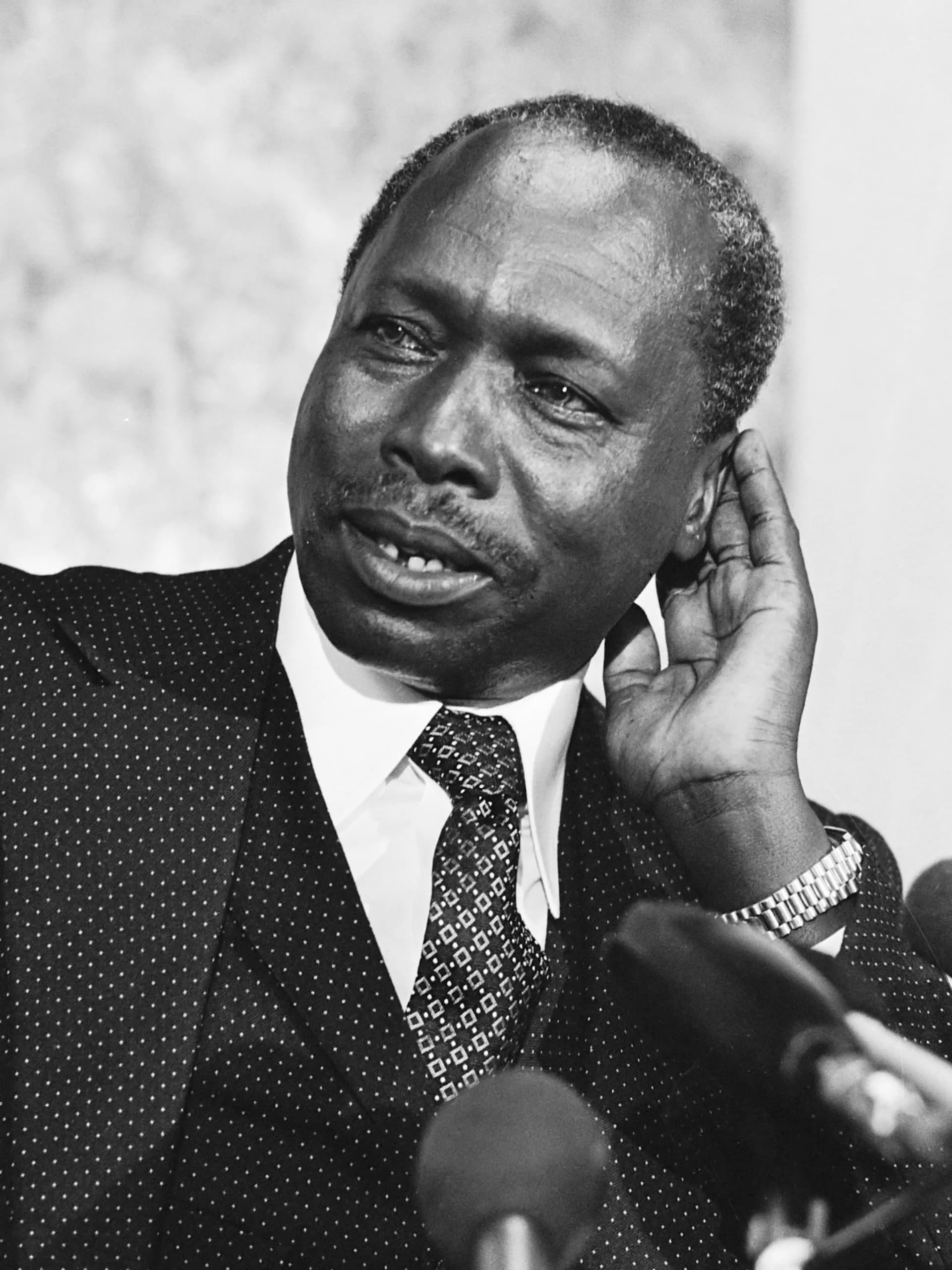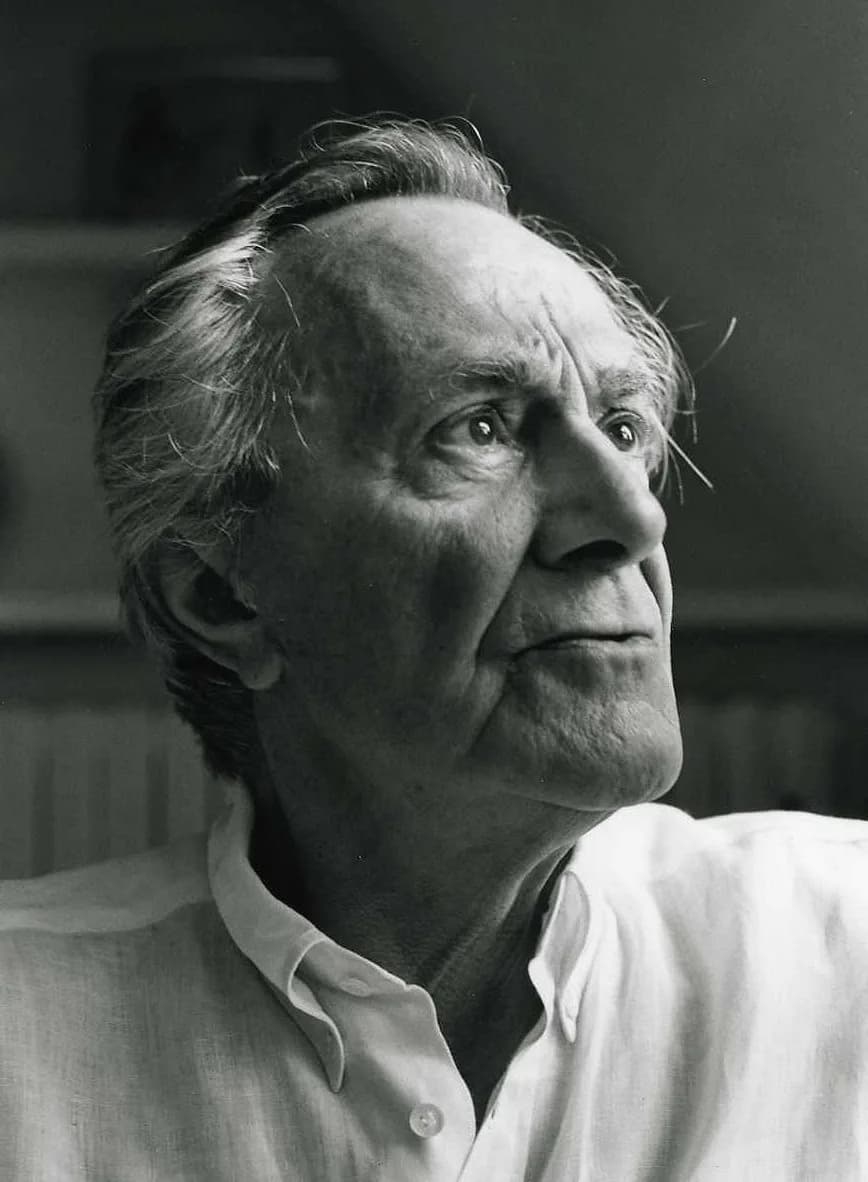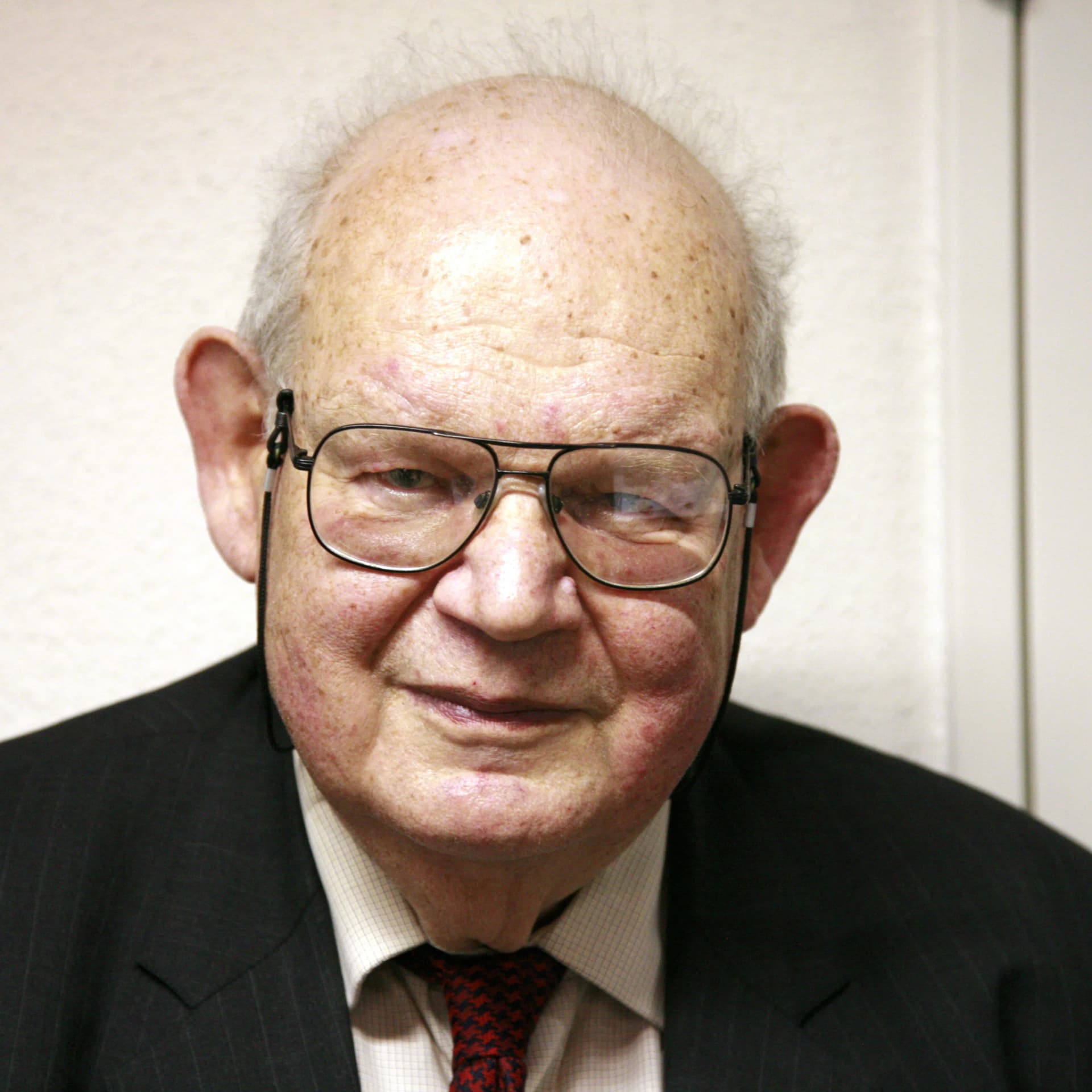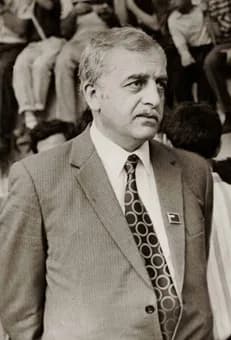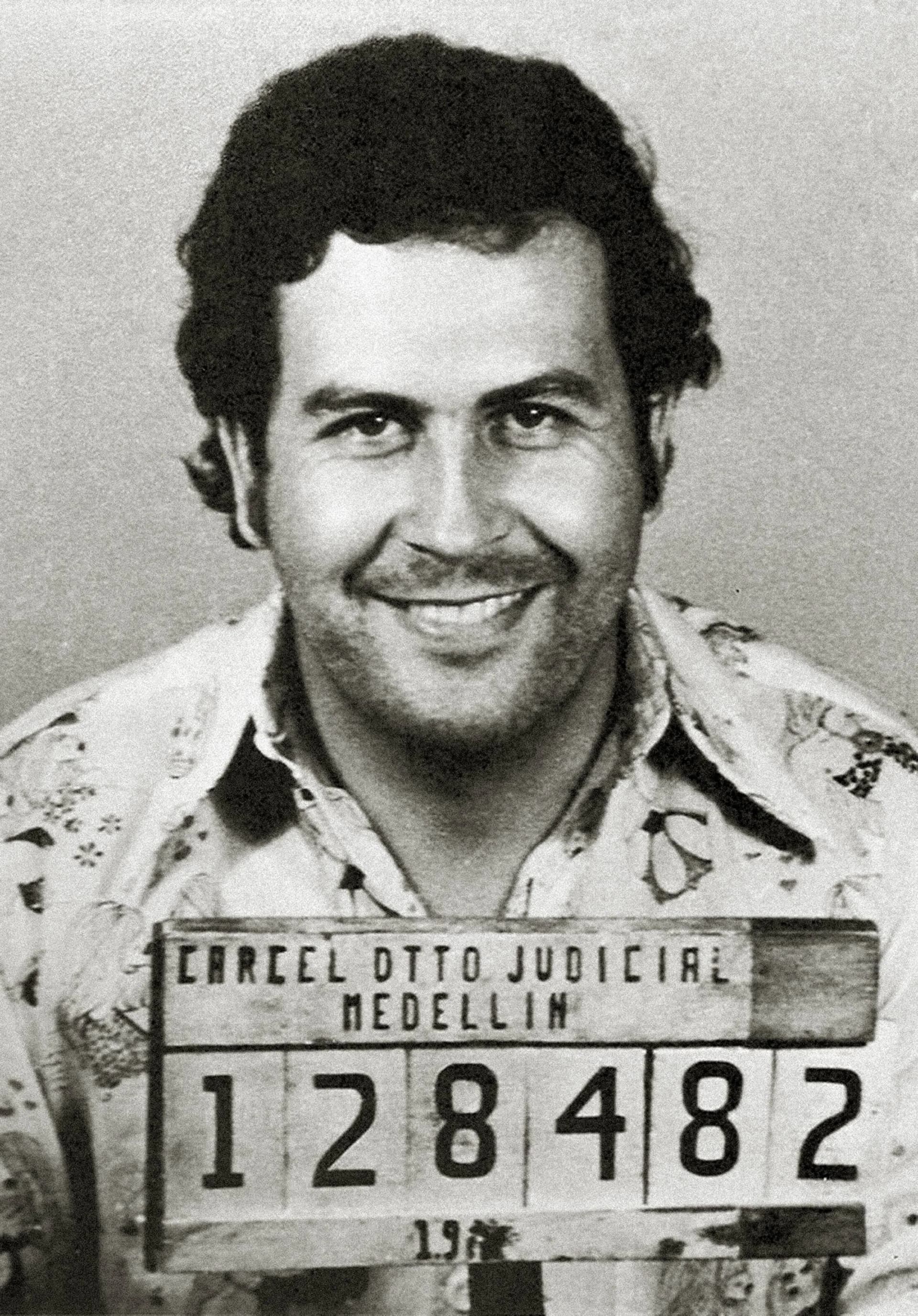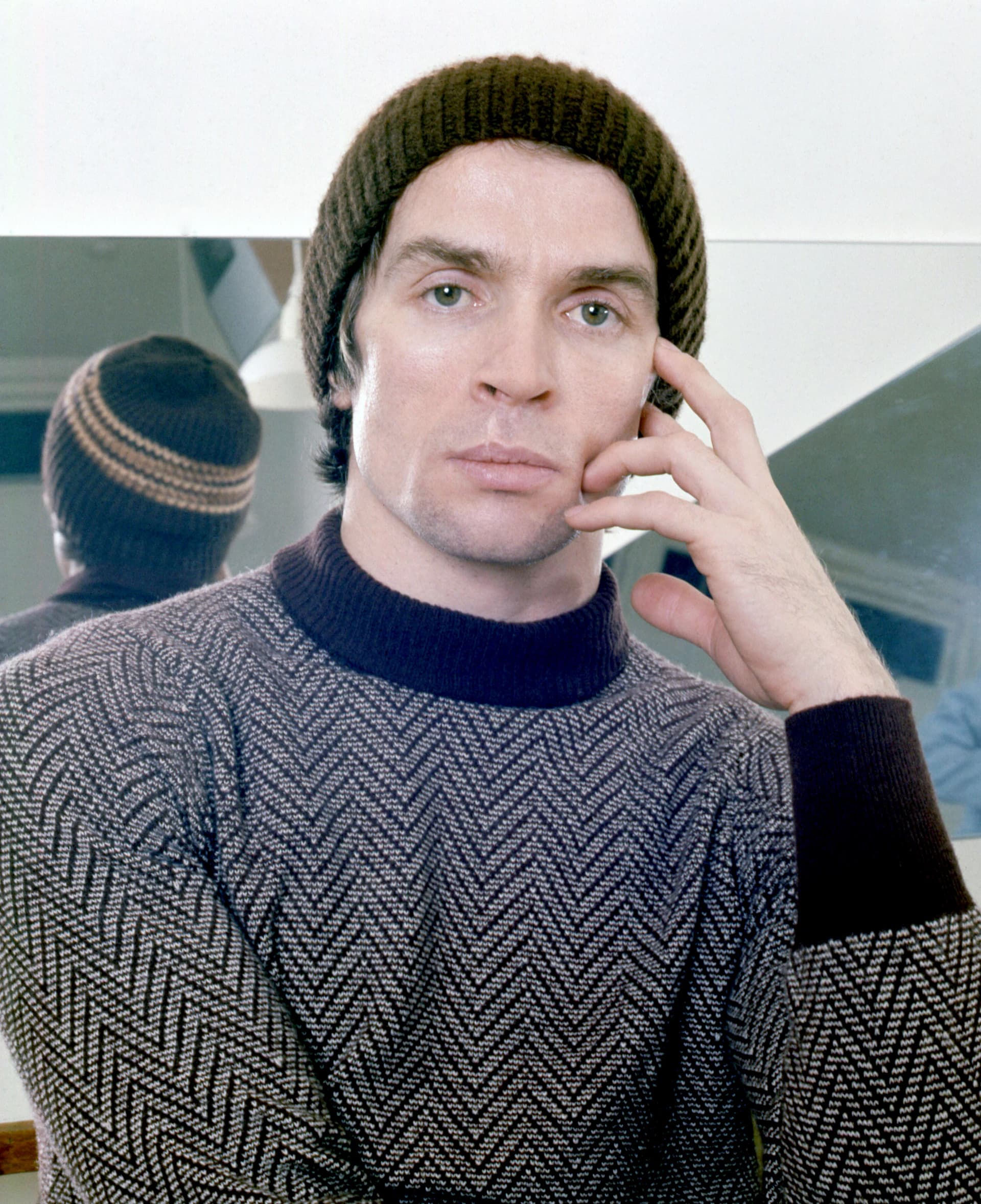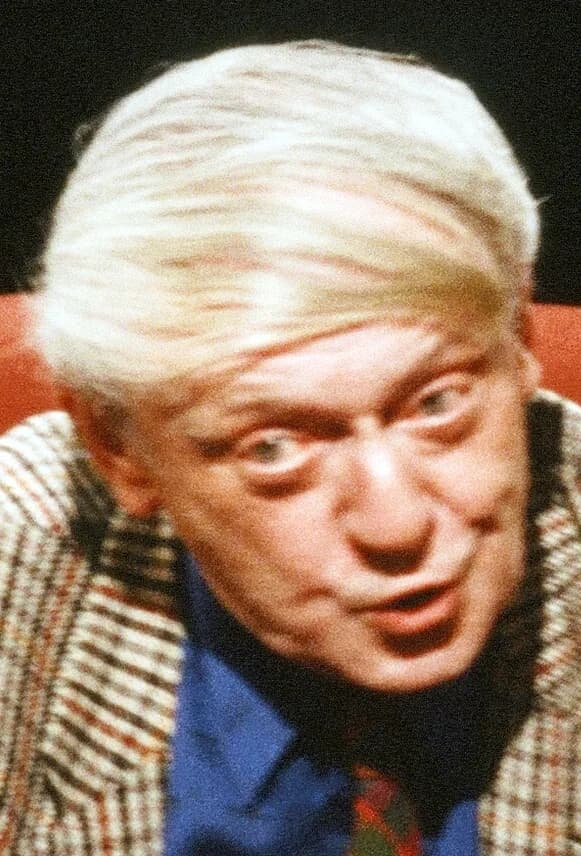
Rojen/a
March 7, 1924
Kita, Japan
Umrl/a
January 22, 1993
Tokyo, Japan
Znan/a po
Japanese writer, playwright, photographer and inventor
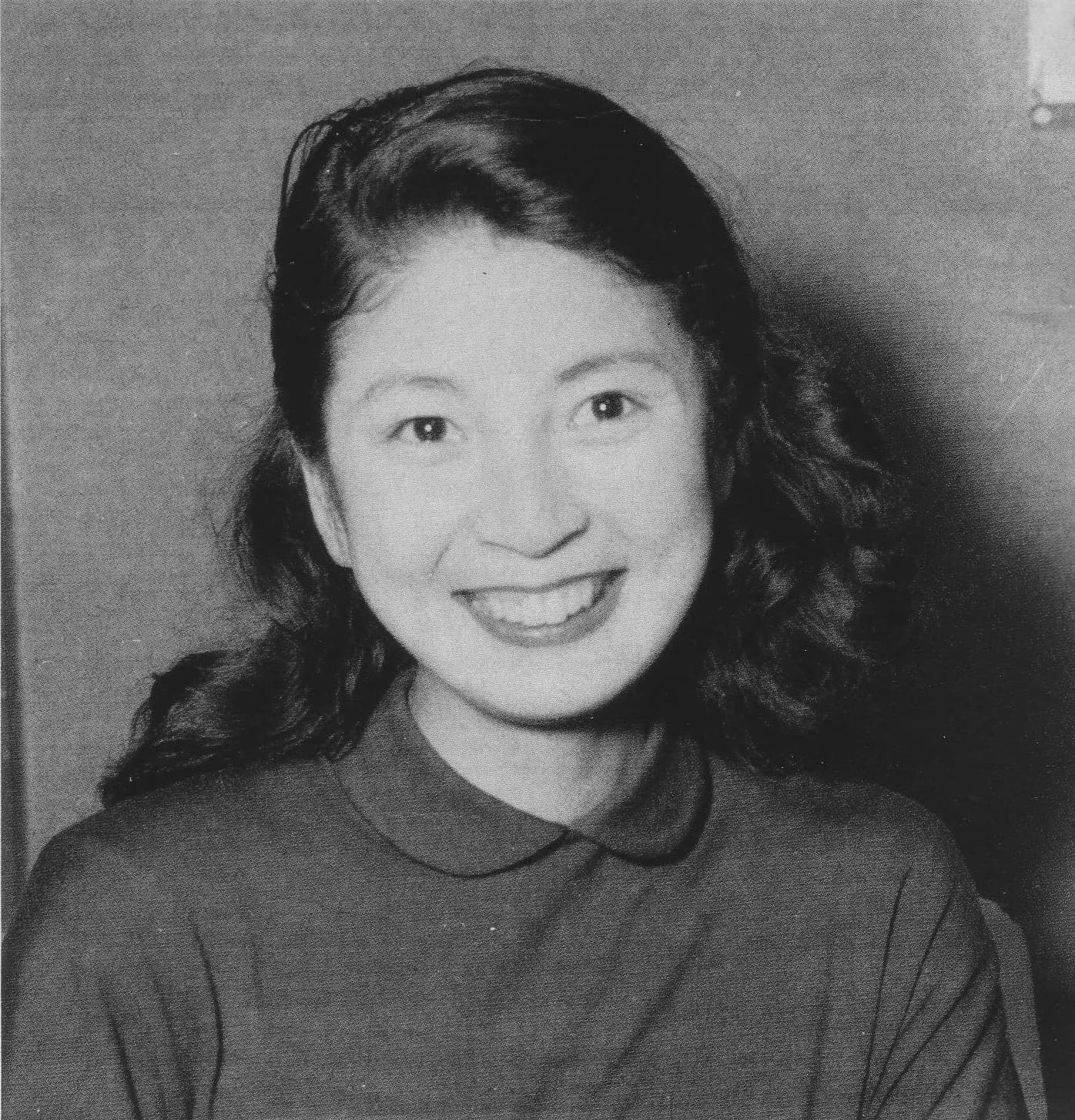
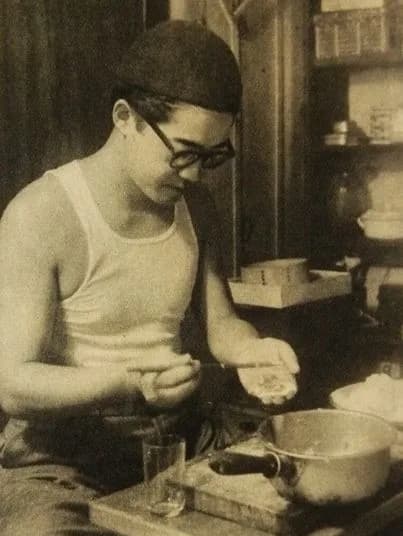
Kōbō Abe (1924–1993) was Japan best known for Japanese writer, playwright, photographer and inventor.
Kimifusa Abe (March 7, 1924 – January 22, 1993) was a Japanese writer, playwright, and director known by his pen name Kōbō Abe. His 1962 novel "The Woman in the Dunes" became an international masterpiece, earning comparisons to Franz Kafka for its surreal exploration of modern alienation.
Življenje v trenutkih
Trenutki, ki so oblikovali življenje
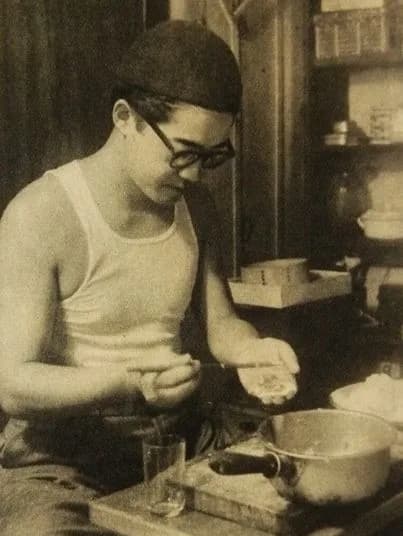
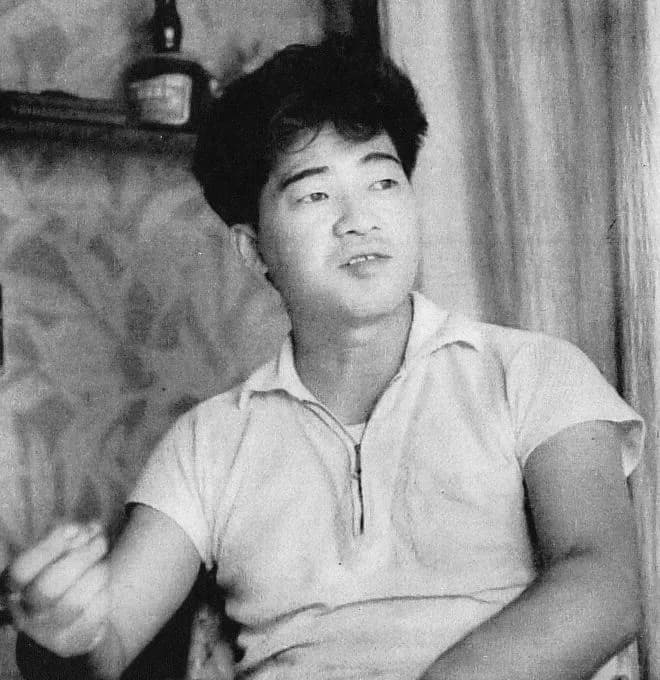
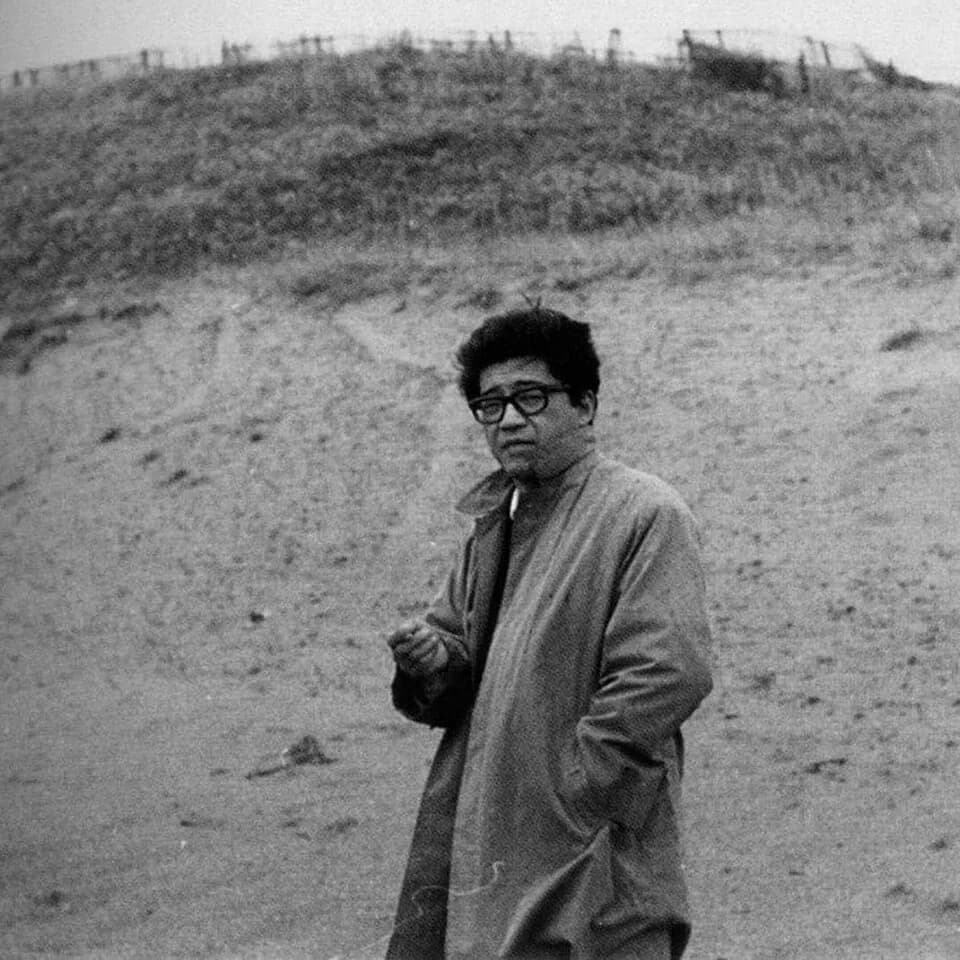
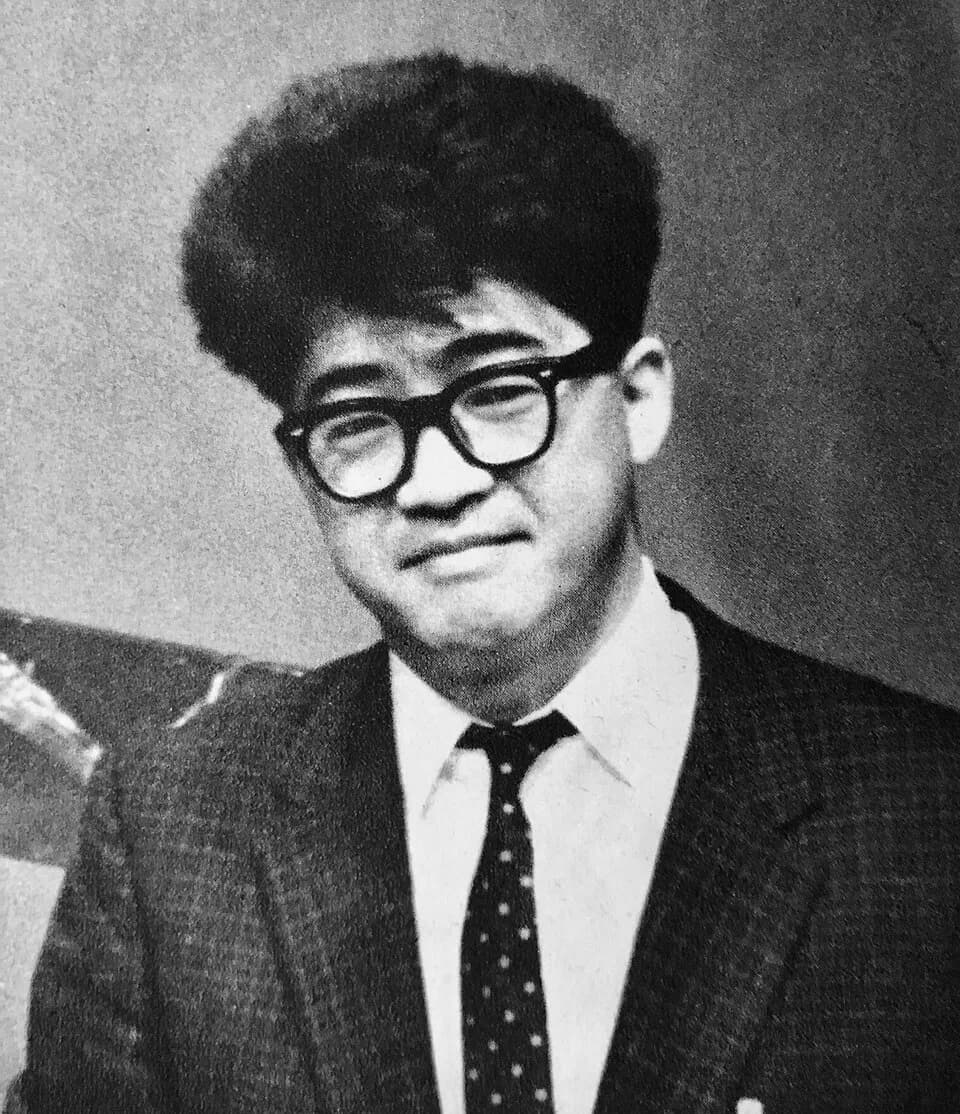
Poglavje
Življenjska poglavja
Poglavje 1 · 1924· Poglavje 1 od 6
Early Life and Origins
Born on March 7, 1924, in Kita, Japan, Kimifusa Abe entered the world during a period of significant cultural and political change in his homeland. His early years were shaped by the shifting landscape of Japanese society as the country moved through periods of rapid modernization and social upheaval. The experiences of his youth would later influence his literary works, which often explored themes of alienation and the individual's place in an increasingly complex modern world.
Poglavje 2· Poglavje 2 od 6
Career Beginnings and Artistic Development
Abe's journey as a writer began as he developed his distinctive voice in post-war Japan. Taking the pen name Kōbō Abe, he started exploring literary forms that would become his signature style. His early works showed the influence of European modernist movements while maintaining a distinctly Japanese perspective on contemporary life. These formative years saw him experimenting with various forms of expression, laying the groundwork for his later success as a playwright, screenwriter, and novelist.
Poglavje 3 · 1962· Poglavje 3 od 6
Major Achievements and Career Highlights
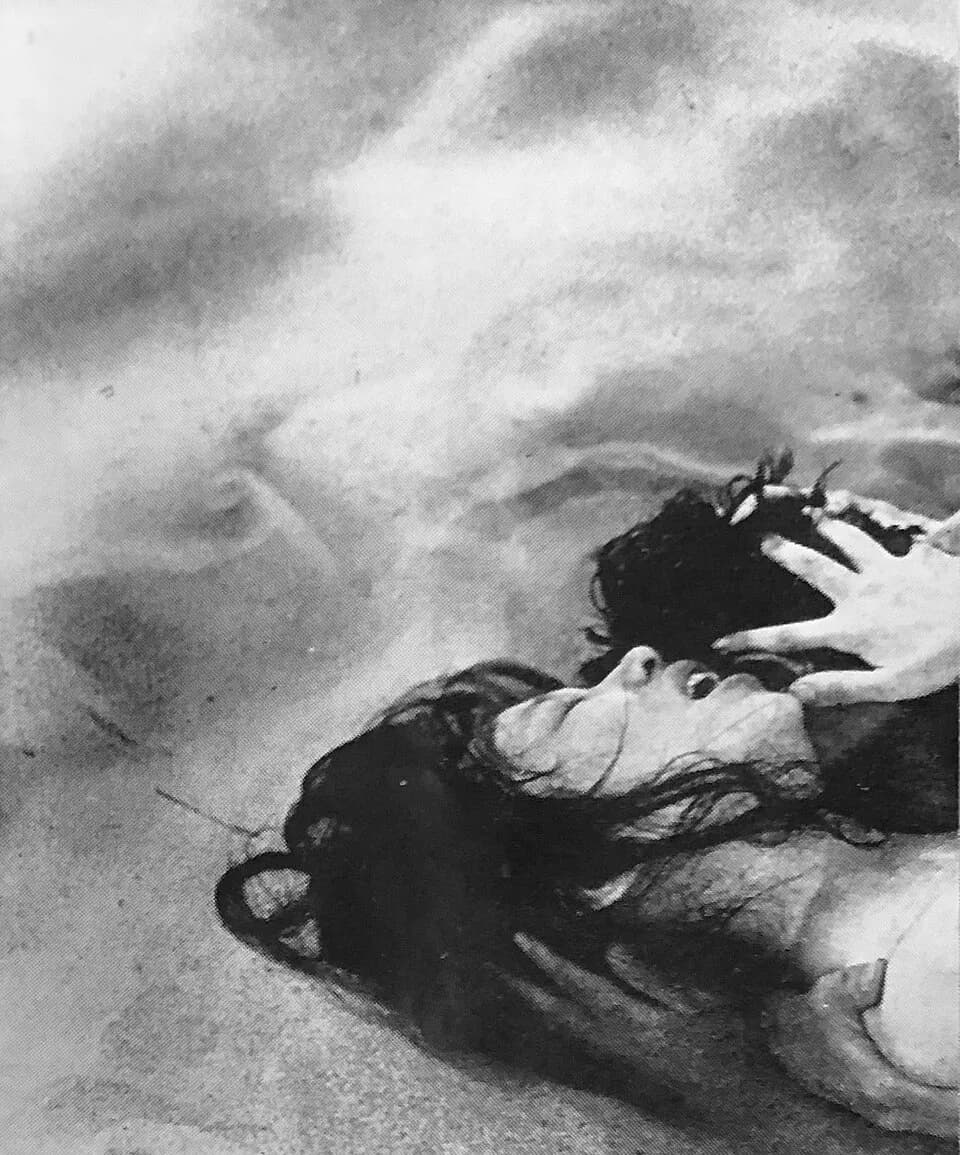
The pinnacle of Abe's literary achievement came with his 1962 novel "The Woman in the Dunes," a work that would define his international reputation. This masterpiece explored themes of entrapment and human persistence through the story of a man trapped in a sand pit with a mysterious woman. The novel's success was amplified when acclaimed director Hiroshi Teshigahara adapted it into an award-winning film in 1964, bringing Abe's vision to cinema screens worldwide.
Critics frequently compared Abe to Franz Kafka, recognizing his modernist sensibilities and his ability to create surreal, often nightmarish scenarios that reflected the anxiety of individuals navigating contemporary society. This comparison placed him among the ranks of world literature's most respected voices, establishing his work as essential reading for understanding 20th-century existential literature.
Poglavje 4· Poglavje 4 od 6
Multifaceted Creative Expression
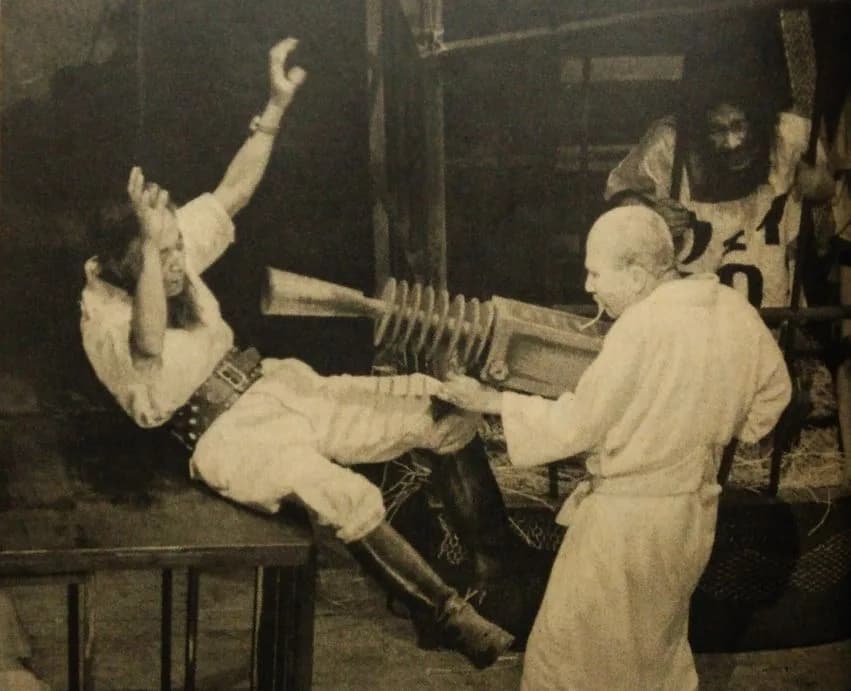
Beyond his novels, Abe demonstrated remarkable versatility across multiple creative disciplines. He worked as a screenwriter, bringing his unique perspective to film, and served as a playwright, crafting works for the stage that carried his signature themes of alienation and human struggle. His interests extended to photography and invention, showing a mind that constantly sought new ways to understand and represent the world around him.
His other notable literary works included "Kicchu, Kucchu, Kecchu," which further established his reputation for creating unsettling yet compelling narratives. Each of these works contributed to a body of literature that challenged readers to confront uncomfortable truths about modern existence.
Poglavje 5· Poglavje 5 od 6
Later Years and Final Works
Throughout his later career, Abe continued to write and create, maintaining his position as a leading voice in Japanese literature. He remained active in various creative pursuits, including his work as a film director, bringing his literary sensibilities to visual storytelling. His dedication to exploring the human condition through multiple artistic mediums never wavered, even as his health began to decline in his final years.
Poglavje 6 · 1993· Poglavje 6 od 6
Legacy and Lasting Impact
Kōbō Abe passed away on January 22, 1993, in Tokyo at the age of 68 following a brief illness that led to heart failure. His death marked the end of a career that had fundamentally changed how both Japanese and international audiences understood modern literature. His influence extends far beyond his written works, inspiring filmmakers, artists, and writers who continue to explore the themes he so masterfully articulated.
Today, Abe's works remain essential reading for understanding the evolution of modern Japanese literature and its place in the global literary conversation. His ability to capture the anxiety and alienation of modern life while creating compelling, often haunting narratives ensures his continued relevance for new generations of readers and creators.
Pogosta vprašanja
Pogosto vprašano
Kdaj je umrl(a) Kōbō Abe?
Kōbō Abe je umrl(a) 22. januar 1993 v Tokyo, Japan v starosti 68 let.
Kje je bil(a) rojen(a) Kōbō Abe?
Kōbō Abe je bil(a) rojen(a) v Kita, Japan dne 7. marec 1924.
Po čem je Kōbō Abe najbolj znan(a)?
Kōbō Abe je najbolj znan(a) po Japanese writer, playwright, photographer and inventor.
Koliko je bil(a) Kōbō Abe star(a) ob smrti?
Kōbō Abe je bil(a) ob smrti star(a) 68 let.
Katere narodnosti je bil(a) Kōbō Abe?
Kōbō Abe je bil(a) iz Japan.
Časovnica
Življenje na hitro
Galerija fotografij
Življenje v slikah
Kliknite katero koli polaroidno fotografijo za povečavo · 21 fotografij
Koda QR
Deli to biografijo
Natisni in deli
Skenirajte za obisk te biografske strani. Natisnite za dogodke, razstave ali izobraževalna gradiva.