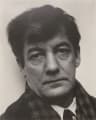
Rojen/a
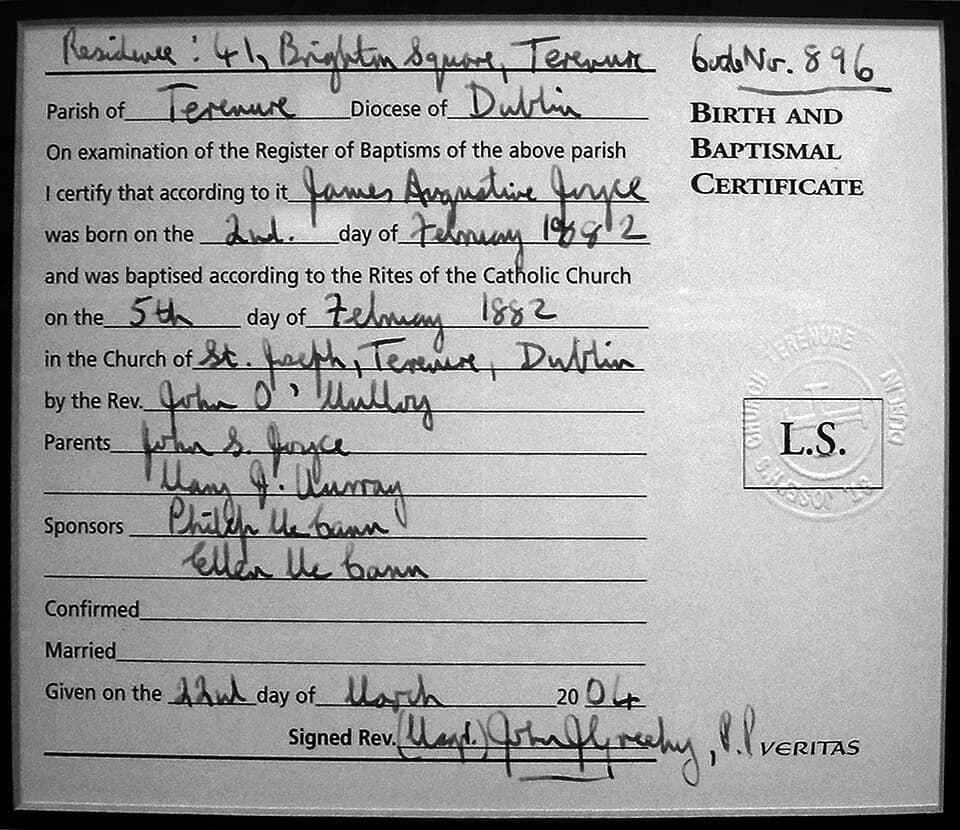
February 2, 1882
Rathgar, Ireland
Umrl/a
January 13, 1941
Zurich, Switzerland
Znan/a po
Irish novelist and poet
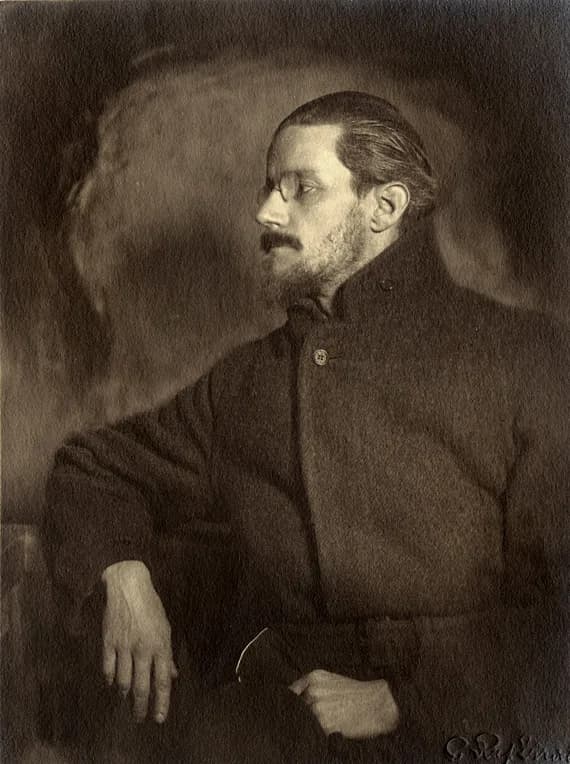
James Joyce (1882–1941) was Ireland best known for Irish novelist and poet.
James Augustine Aloysius Joyce (February 2, 1882 – January 13, 1941) was an Irish novelist, poet, and literary critic. He is celebrated for his landmark novel <i>Ulysses</i> and his innovative contributions to the modernist movement. Joyce's unique literary style continues to influence writers and scholars globally.
Poglavje
Življenjska poglavja
Poglavje 1 · 1882· Poglavje 1 od 7
Early Life and Origins
James Joyce was born on February 2, 1882, in Rathgar, a suburb of Dublin, Ireland. This Irish upbringing deeply influenced his literary output, as he frequently drew upon the city's streets, its people, and the cultural context for his settings and characters. His early experiences provided him with a rich understanding of Irish society, which he would meticulously explore throughout his distinguished career.
The specific environment of his birth place, Rathgar, and his broader Dublin origins, became central to his artistic vision. These foundational years helped to shape his unique perspective on life and art, a perspective that would soon challenge conventional literary norms. His education and early observations during this period were instrumental in developing his sharp eye for detail and his distinctive narrative voice.
Poglavje 2· Poglavje 2 od 7
Career Beginnings
Joyce's literary journey began with contributions across various forms, including occasional journalism and poetry, showcasing his versatile talents. He also worked as a teacher for a period, further developing his analytical skills and deepening his understanding of communication. These early professional endeavors served as a vital apprenticeship, gradually leading him towards the more ambitious and experimental projects that would define his artistic legacy.
As a burgeoning writer, poet, and literary critic, Joyce began to articulate themes and develop stylistic elements that would later become hallmarks of his major works. This initial phase of his career was crucial for the refinement of his craft as a prose writer and for solidifying his unique position within the emerging modernist literary scene. His dedication during these formative years set the stage for his subsequent literary breakthroughs.
Poglavje 3 · 1922· Poglavje 3 od 7
Major Achievements and Career Highlights
James Joyce stands as a key figure in the modernist movement, having made truly significant contributions to 20th-century literature. His most celebrated work, the novel Ulysses, published in 1922, is a literary landmark. In this sprawling narrative, he masterfully parallels the episodes of Homer's Odyssey within a single day in Dublin, Ireland.
Ulysses is particularly renowned for its extensive and pioneering use of the stream of consciousness technique, a revolutionary approach to depicting internal thought processes. The novel also employs a wide variety of literary styles, demonstrating Joyce's experimental spirit and his commitment to pushing the boundaries of narrative form. Its publication solidified his reputation as an innovator and an exceptionally important writer of his era.
Poglavje 4· Poglavje 4 od 7
Personal Life
While detailed biographical information regarding James Joyce's personal relationships or specific leisure interests is not extensively provided, his life journey was one marked by significant relocation and an unwavering dedication to his craft. Born in Rathgar, Ireland, he spent substantial portions of his life abroad, eventually passing away in Zurich, Switzerland. These experiences living in different European cities undoubtedly informed his universal themes and broadened his perspectives.
Throughout his life, Joyce balanced various roles, including that of a writer, teacher, poet, author, journalist, librettist, novelist, literary critic, and prose writer. This commitment to multiple forms of literary and educational engagement highlights a life intensely focused on intellectual and creative output. His dedication to his work suggests a personal life deeply intertwined with his artistic pursuits, prioritizing the development of his unique literary voice.
Poglavje 5 · 1914· Poglavje 5 od 7
Notable Works or Contributions
Joyce's literary corpus includes several iconic works that have profoundly shaped modern literature. His short-story collection, Dubliners, published in 1914, offers a collection of stories providing a stark and realistic portrayal of life for various Dublin citizens at the turn of the 20th century. This collection is known for its meticulous detail and its exploration of paralysis within the urban environment.
Following this, his novel A Portrait of the Artist as a Young Man, released in 1916, served as an early and influential example of the modernist bildungsroman. This semi-autobiographical work traces the intellectual and artistic awakening of its protagonist, Stephen Dedalus, and showcases Joyce's developing narrative sophistication. It foreshadowed the even greater stylistic innovations to come in his later novels.
His final novel, Finnegans Wake, published in 1939, represents the pinnacle of Joyce's linguistic experimentation. This dense and complex work is celebrated for its unique use of portmanteau words, multiple layers of meaning, and dream-like narrative structure. Beyond these major novels, Joyce also authored two books of poetry and a play, demonstrating his wide-ranging talent and exploration of different literary genres.
Poglavje 6· Poglavje 6 od 7
Later Years
James Joyce continued his literary pursuits with intense dedication into his later years, culminating in the publication of Finnegans Wake just two years before his passing. Despite significant challenges, including deteriorating eyesight and the complexities of his work, he persevered in his artistic vision. This period showcased his unwavering commitment to pushing the boundaries of literary expression, regardless of the demands it placed upon him.
His final years were spent in Zurich, Switzerland, a place that provided him with a measure of stability during a turbulent time in Europe. It was here that he passed away on January 13, 1941, leaving behind a body of work that would forever alter the course of literature. His resilience and enduring focus on his writing defined his later life, cementing his reputation as an artist of unparalleled determination.
Poglavje 7· Poglavje 7 od 7
Legacy and Impact
James Joyce's legacy is immense, greatly influencing subsequent generations of writers, literary scholars, and critical theorists worldwide. He fundamentally redefined the possibilities of the novel, particularly through his pioneering use of interior monologue and intricate narrative structures. His works challenged readers to engage with literature in new and demanding ways, expanding the scope of what was considered achievable in prose.
His deep exploration of language, myth, and the human psyche continues to inspire critical analysis, academic study, and widespread admiration. Joyce's novels remain cornerstones of the modernist movement, celebrated for their linguistic virtuosity, psychological depth, and audacious originality. He secured his place as an enduring figure in world literature, whose influence resonates across disciplines and continues to shape contemporary artistic expression.
Življenje v trenutkih
Trenutki, ki so oblikovali življenje
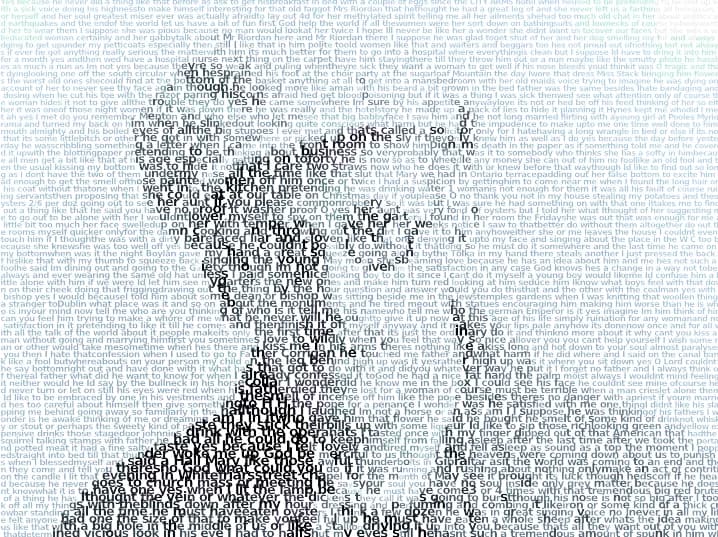
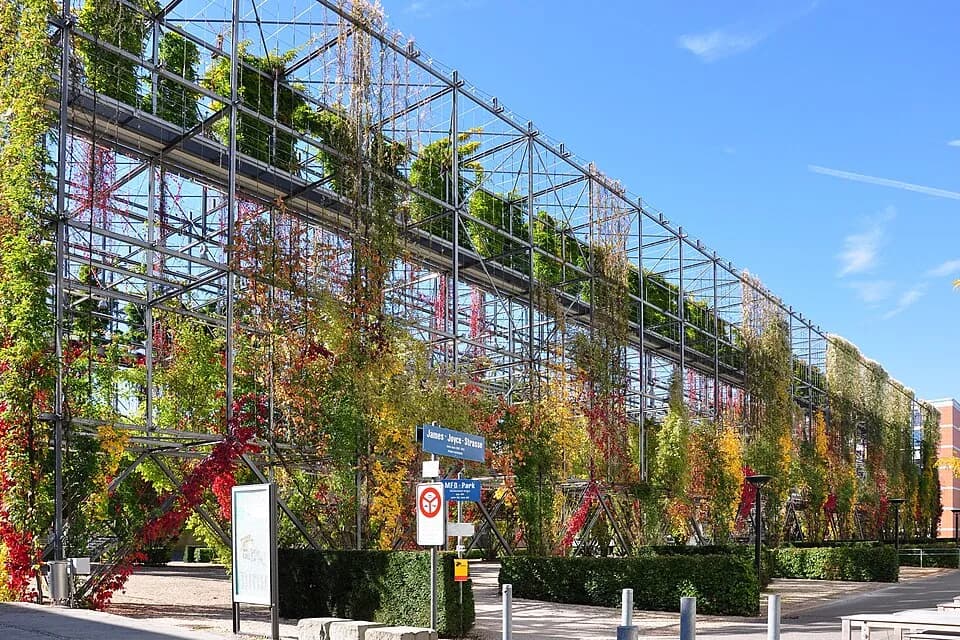
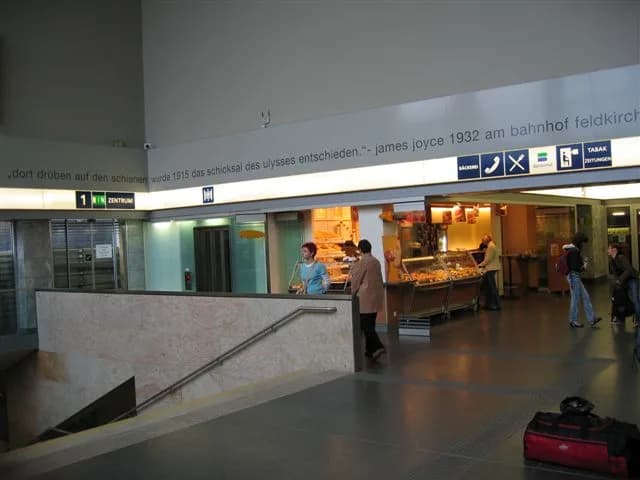
Pogosta vprašanja
Pogosto vprašano
Kdaj je umrl(a) James Joyce?
James Joyce je umrl(a) 13. januar 1941 v Zurich, Switzerland v starosti 58 let.
Kje je bil(a) rojen(a) James Joyce?
James Joyce je bil(a) rojen(a) v Rathgar, Ireland dne 2. februar 1882.
Po čem je James Joyce najbolj znan(a)?
James Joyce je najbolj znan(a) po Irish novelist and poet.
Koliko je bil(a) James Joyce star(a) ob smrti?
James Joyce je bil(a) ob smrti star(a) 58 let.
Katere narodnosti je bil(a) James Joyce?
James Joyce je bil(a) iz Ireland.
Časovnica
Življenje na hitro
Galerija fotografij
Življenje v slikah
Kliknite katero koli polaroidno fotografijo za povečavo · 46 fotografij
Koda QR
Deli to biografijo
Natisni in deli
Skenirajte za obisk te biografske strani. Natisnite za dogodke, razstave ali izobraževalna gradiva.