Rojen/a
October 4, 1892
Texingtal, Austria
Umrl/a
July 25, 1934
Vienna, Austria
Znan/a po
Austrian Christian Social and Patriotic Front statesman
Engelbert Dollfuss (1892–1934) was Austria best known for Austrian Christian Social and Patriotic Front statesman.
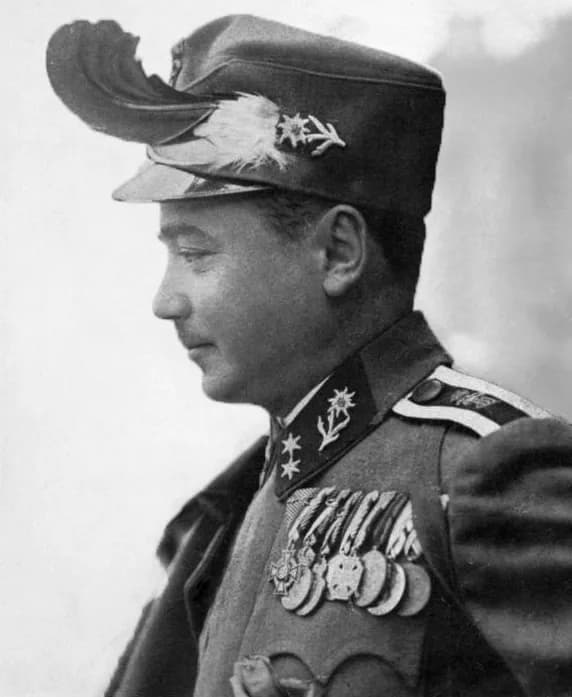
Engelbert Dollfuss (October 4, 1892 – July 25, 1934) was an Austrian lawyer, military personnel, politician, and diplomat from Texingtal, Austria. He served as Federal Chancellor of Austria from 1932 to 1934, suppressing socialist and Nazi movements. His rule shaped Austria's pre-Anschluss period.
Poglavje
Življenjska poglavja
Poglavje 1 · 1892· Poglavje 1 od 6
Remembering Engelbert Dollfuss: A Statesman in Tumultuous Times
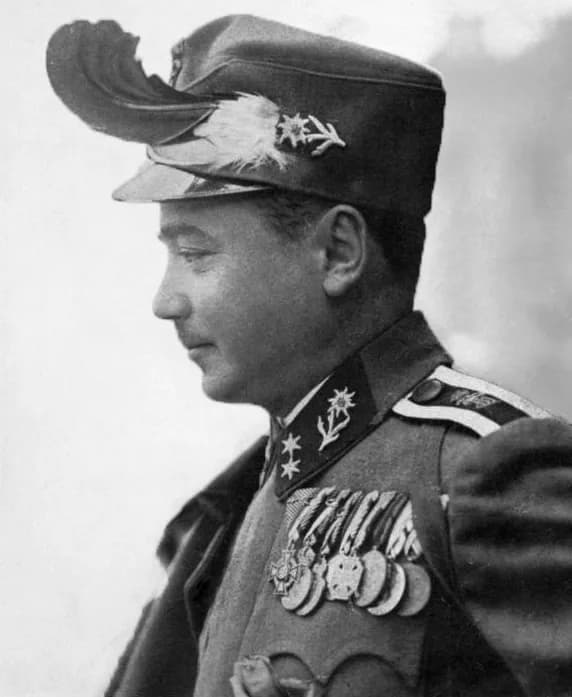
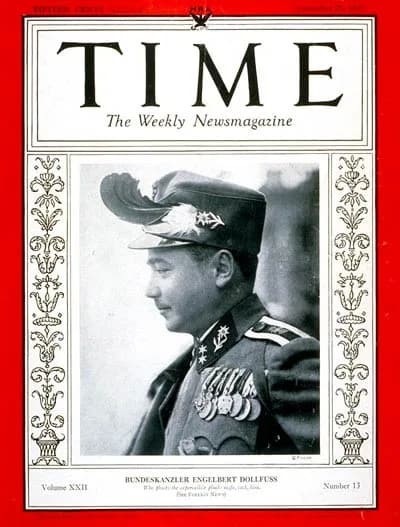
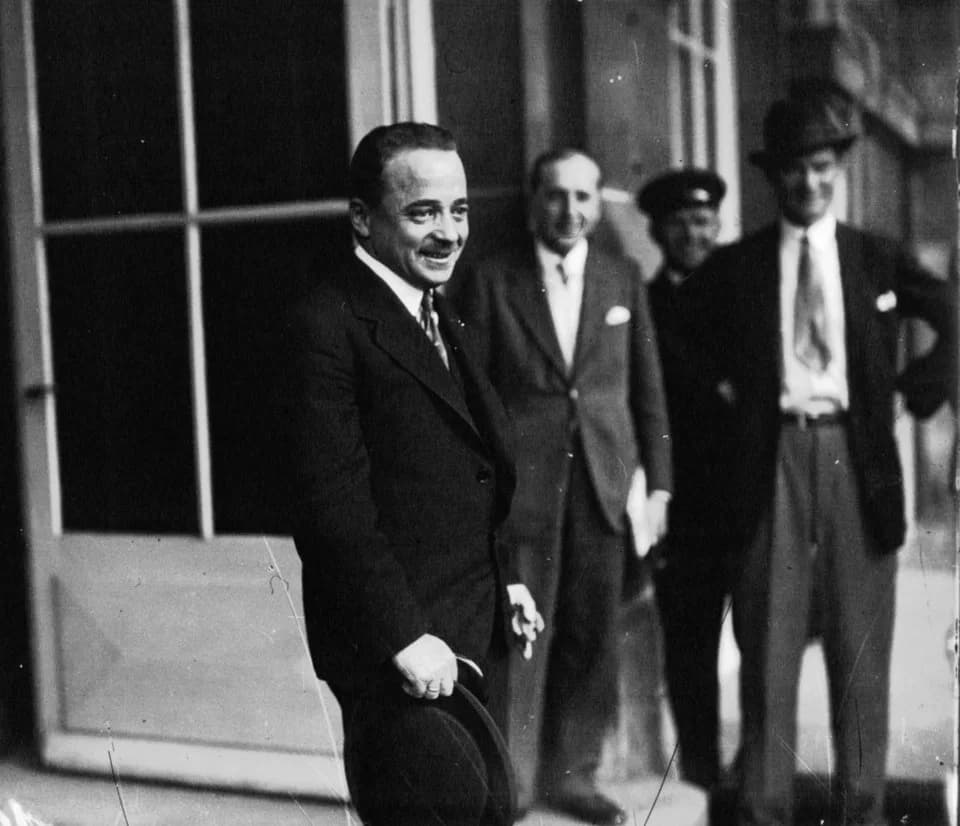
Engelbert Dollfuss (October 4, 1892 – July 25, 1934) was an Austrian lawyer, military personnel, politician, and diplomat who left a significant, albeit controversial, mark on his nation’s history. As a Christian Social and Patriotic Front statesman, he served as Chancellor of Austria during a critical period, navigating the country through profound political instability. His leadership style and ultimate fate continue to be subjects of study concerning Austria's pre-World War II era.
Poglavje 2 · 1892· Poglavje 2 od 6
Early Life and Education
Born on October 4, 1892, in Texingtal, Austria, Engelbert Dollfuss grew up in a rural environment that shaped his early perspectives. Details of his specific upbringing are not extensively provided, yet his future professions indicate a disciplined and rigorous educational path. He pursued legal studies, laying the groundwork for his eventual career in public service and diplomacy.
His foundational education as a lawyer provided him with the analytical skills and understanding of statecraft crucial for his later political endeavors. Before entering the highest echelons of government, Dollfuss also served as military personnel and a diplomat. These early roles offered varied experiences, exposing him to different facets of national and international affairs.
Poglavje 3 · 1932· Poglavje 3 od 6
Ascension to Power
Engelbert Dollfuss began his ministerial career as Minister for Forests and Agriculture, a position that prepared him for broader national responsibilities. In 1932, amidst a severe crisis for Austria's conservative and nationalist government, he ascended to the position of Federal Chancellor. This period was marked by intense political friction and instability, requiring firm leadership.
A significant event defining his early chancellorship was the self-elimination of the Austrian Parliament. This constitutional crisis, sparked by the resignation of the presiding officers of the National Council, effectively dissolved the legislative body and concentrated power in the executive. Dollfuss seized this moment to consolidate his authority, fundamentally altering the course of Austrian governance.
Poglavje 5 · 1934· Poglavje 5 od 6
The Final Years and Assassination
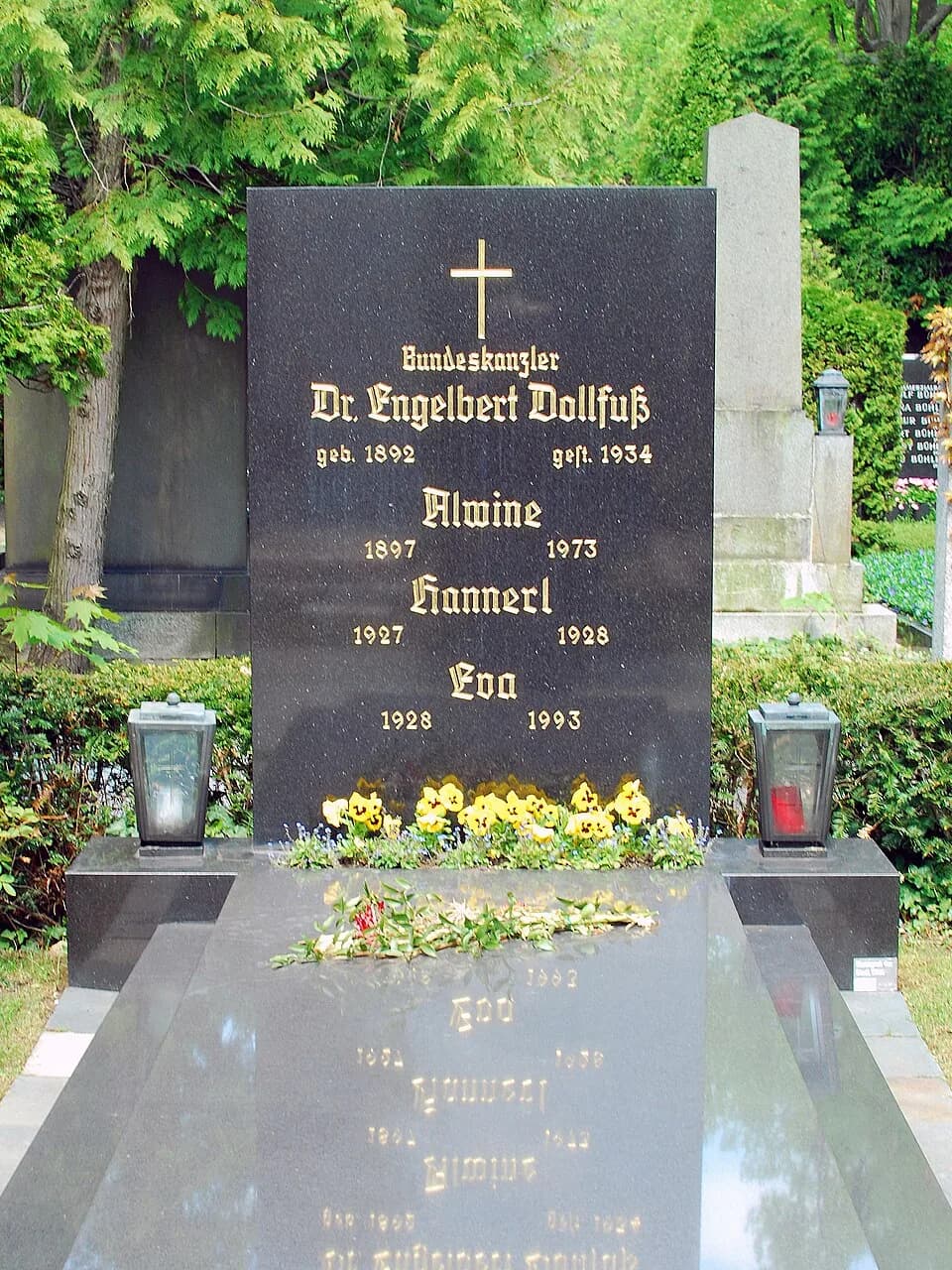
Engelbert Dollfuss's chancellorship, though impactful, was tragically cut short. On July 25, 1934, he was assassinated in Vienna, Austria, during a failed coup attempt orchestrated by Nazi agents. This violent act underscored the extreme political tensions gripping Austria and Europe during the mid-1930s.
His death marked a dramatic end to a brief but intense period of authoritarian rule. Following his assassination, Kurt Schuschnigg succeeded him as Chancellor. Schuschnigg continued the regime's policies, attempting to preserve Austrian independence against increasing pressure from Adolf Hitler, until the Anschluss in 1938.
Poglavje 6· Poglavje 6 od 6
Legacy and Impact
Engelbert Dollfuss is remembered as an Austrian Christian Social and Patriotic Front statesman whose tenure as Chancellor was defined by his firm hand during a period of national crisis. His efforts to establish an authoritarian, corporatist state and his suppression of both socialist and Nazi movements represented a desperate attempt to maintain Austrian sovereignty. While his methods were controversial, they were an attempt to protect Austria from being absorbed by Nazi Germany, a fate that ultimately transpired after his death.
His legacy is complex, viewed by some as a bulwark against Nazism and by others as an authoritarian leader who dismantled democracy. Regardless, his actions and ultimate sacrifice profoundly influenced Austria's political trajectory in the years immediately preceding World War II. Dollfuss remains a key figure in understanding the challenges faced by independent Austria during the interwar period.
Življenje v trenutkih
Trenutki, ki so oblikovali življenje
Pogosta vprašanja
Pogosto vprašano
Kdaj je umrl(a) Engelbert Dollfuss?
Engelbert Dollfuss je umrl(a) 25. julij 1934 v Vienna, Austria v starosti 41 let.
Kje je bil(a) rojen(a) Engelbert Dollfuss?
Engelbert Dollfuss je bil(a) rojen(a) v Texingtal, Austria dne 4. oktober 1892.
Po čem je Engelbert Dollfuss najbolj znan(a)?
Engelbert Dollfuss je najbolj znan(a) po Austrian Christian Social and Patriotic Front statesman.
Koliko je bil(a) Engelbert Dollfuss star(a) ob smrti?
Engelbert Dollfuss je bil(a) ob smrti star(a) 41 let.
Katere narodnosti je bil(a) Engelbert Dollfuss?
Engelbert Dollfuss je bil(a) iz Austria.
Časovnica
Življenje na hitro
Galerija fotografij
Življenje v slikah
Kliknite katero koli polaroidno fotografijo za povečavo · 48 fotografij
Koda QR
Deli to biografijo
Natisni in deli
Skenirajte za obisk te biografske strani. Natisnite za dogodke, razstave ali izobraževalna gradiva.