උපන්
April 25, 1900
Vienna, Austria
මිය ගිය
December 15, 1958
Zurich, Switzerland
ප්රසිද්ධ වන්නේ
physicist, Nobel prize winner
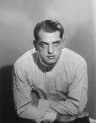
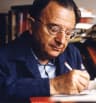
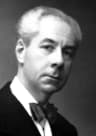
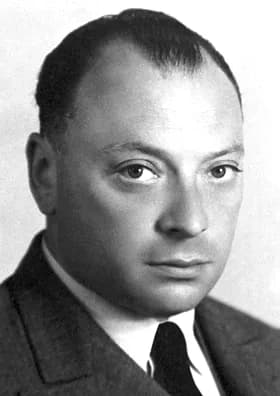
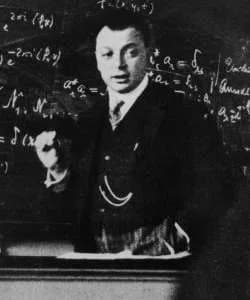
Wolfgang Pauli (1900–1958) was Austria best known for physicist, Nobel prize winner.
Wolfgang Ernst Pauli (April 25, 1900 – December 15, 1958) was an Austrian–Swiss theoretical physicist. He received the 1945 Nobel Prize in Physics for discovering the Exclusion Principle, a fundamental rule of quantum mechanics. His work profoundly shaped the understanding of matter's structure and remains a cornerstone of physics.
පරිච්ඡේදය
ජීවන පරිච්ඡේද
පරිච්ඡේදය 1 · 1900· පරිච්ඡේදය 1 of 8
Opening
Wolfgang Ernst Pauli (1900–1958) was an Austrian–Swiss theoretical physicist whose brilliant mind and rigorous approach left a profound mark on 20th-century science. As a pioneer of quantum mechanics, his work fundamentally transformed humanity's understanding of the subatomic world. His most celebrated achievement, the discovery of the Exclusion Principle, earned him the Nobel Prize in Physics in 1945, cementing his status as one of history's most significant scientific figures.
පරිච්ඡේදය 2 · 1900· පරිච්ඡේදය 2 of 8
Early Life and Origins
Born on April 25, 1900, in the vibrant intellectual hub of Vienna, Austria, Wolfgang Pauli's early life was set against a backdrop of burgeoning scientific and artistic innovation. This stimulating environment undoubtedly contributed to his precocious talent and deep-seated intellectual curiosity. His foundational years in Vienna provided the initial spark for a career that would ultimately revolutionize physics.
පරිච්ඡේදය 3· පරිච්ඡේදය 3 of 8
Career Beginnings and Theoretical Acumen
Pauli demonstrated an extraordinary aptitude for theoretical physics from a young age, rapidly immersing himself in the complex new theories of quantum mechanics. His early career was marked by an intense focus on the fundamental principles governing atomic and subatomic phenomena. He quickly distinguished himself through his incisive critiques and profound insights, establishing himself as a formidable voice in the nascent quantum community.
පරිච්ඡේදය 4 · 1945· පරිච්ඡේදය 4 of 8
Major Achievements and Career Highlights
The zenith of Pauli's professional life arrived in 1945 when he was honored with the Nobel Prize in Physics. This prestigious award recognized his groundbreaking "discovery of the Exclusion Principle, also called the Pauli Principle." Notably, his nomination for this esteemed prize came from none other than Albert Einstein, underscoring the profound significance of his work. This pivotal discovery, which involved the intricate concepts of spin theory, provided the indispensable basis for a coherent theory explaining the structure of matter itself.
පරිච්ඡේදය 5· පරිච්ඡේදය 5 of 8
Personal Life and Professional Identity
Throughout his distinguished career, Wolfgang Pauli transitioned from an Austrian to an Austrian–Swiss theoretical physicist, reflecting a change in his national affiliation. While specific details about his family life are not extensively documented in public records, his identity was intrinsically linked to his rigorous scientific pursuits. His unwavering dedication to the often solitary work of theoretical physics defined much of his existence, influencing his scholarly output and intellectual legacy.
පරිච්ඡේදය 6 · 2010· පරිච්ඡේදය 6 of 8
Notable Works and Enduring Contributions
Pauli's intellectual legacy is profoundly anchored in the Exclusion Principle, a cornerstone of quantum mechanics that dictates no two identical fermions (like electrons) can occupy the same quantum state simultaneously within an atom. This principle, intricately woven with the fabric of spin theory, is absolutely essential for explaining the stability of atoms, the arrangement of the periodic table, and the nature of chemical bonds. Beyond this monumental discovery, Pauli's prolific career yielded 83 academic papers, reflecting an h-index of 29, a testament to his consistent output and influence. His collected thoughts and lectures, some published posthumously, offer further insight into his genius. These include "Writings on Physics and Philosophy" (2010), a compilation that explores his broader intellectual musings beyond pure physics, and "Thermodynamics And The Kinetic Theory Of Gases Volume 3 Of Pauli Lectures On Physics Vol 3 Dover Books On Physics By Wolfgang Pauli" (2020), which showcases his profound understanding of classical and statistical mechanics. These posthumous publications ensure his lectures and reflections remain accessible to new generations of scholars.
පරිච්ඡේදය 7 · 1958· පරිච්ඡේදය 7 of 8
Later Years and Final Contributions
Wolfgang Pauli remained an active and influential theoretical physicist throughout his later years. He continued to shape discussions and advance understanding in quantum mechanics until his passing. He died on December 15, 1958, in Zurich, Switzerland, at the age of 58, concluding a career dedicated to unraveling the universe's fundamental laws. His contributions ensured that his presence was felt in the scientific community even after his death.
පරිච්ඡේදය 8· පරිච්ඡේදය 8 of 8
Legacy and Enduring Impact
Wolfgang Pauli's legacy as a pioneer of quantum mechanics is both undeniable and expansive. The Exclusion Principle remains a foundational concept, indispensable for explaining the stability of matter and the behavior of electrons within atoms and molecules. His rigorous approach and deep theoretical insights laid essential groundwork for quantum field theory and particle physics, profoundly influencing subsequent generations of scientists. Pauli's work continues to be a cornerstone of modern physics, inspiring ongoing research and solidifying his place as a visionary who reshaped our comprehension of the physical world.
මොහොතවල ජීවිතයක්
ජීවිතයක් හැඩගස්වූ මොහොත
නිතර අසන පැන
නිතර අසන
Wolfgang Pauli මිය ගියේ කවදාද?
Wolfgang Pauli 1958 උඳුවප් 15 දින Zurich, Switzerland හිදී වයස අවුරුදු 58දී මිය ගියේය.
Wolfgang Pauli උපන්නේ කොහේද?
Wolfgang Pauli Vienna, Austria හි 1900 බක් 25 දින උපන්නේය.
Wolfgang Pauli වඩාත් ප්රසිද්ධ වන්නේ කුමක්ට ද?
Wolfgang Pauli වඩාත් ප්රසිද්ධ වන්නේ physicist, Nobel prize winner සඳහාය.
මිය යන විට Wolfgang Pauliගේ වයස කොපමණද?
මිය යන විට Wolfgang Pauliගේ වයස අවුරුදු 58 විය.
Wolfgang Pauliගේ ජාතිකත්වය කුමක්ද?
Wolfgang Pauli Austria වෙතින් පැමිණියේය.
කාලරේඛාව
ජීවිතය එක බැල්මකින්
ඡායාරූප ගැලරිය
චිත්රවල ජීවිතයක්
විස්තාරණය කිරීමට ඕනෑම පොලරොයිඩ් එකක් ක්ලික් කරන්න · ඡායාරූප 43
QR කේතය
මෙම චරිතාපදානය බෙදාගන්න
මුද්රණය හා බෙදාගැනීම
මෙම චරිතාපදාන පිටුව නැරඹීමට ස්කෑන් කරන්න. උත්සව, ප්රදර්ශන, හෝ අධ්යාපන ද්රව්ය සඳහා මුද්රණය කරන්න.