උපන්
March 16, 1839
10ᵗʰ arrondissement of Paris, France
මිය ගිය
September 7, 1907
Châtenay-Malabry, France
ප්රසිද්ධ වන්නේ
French poet, Nobel prize for literature winner 1901
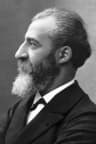
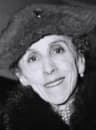
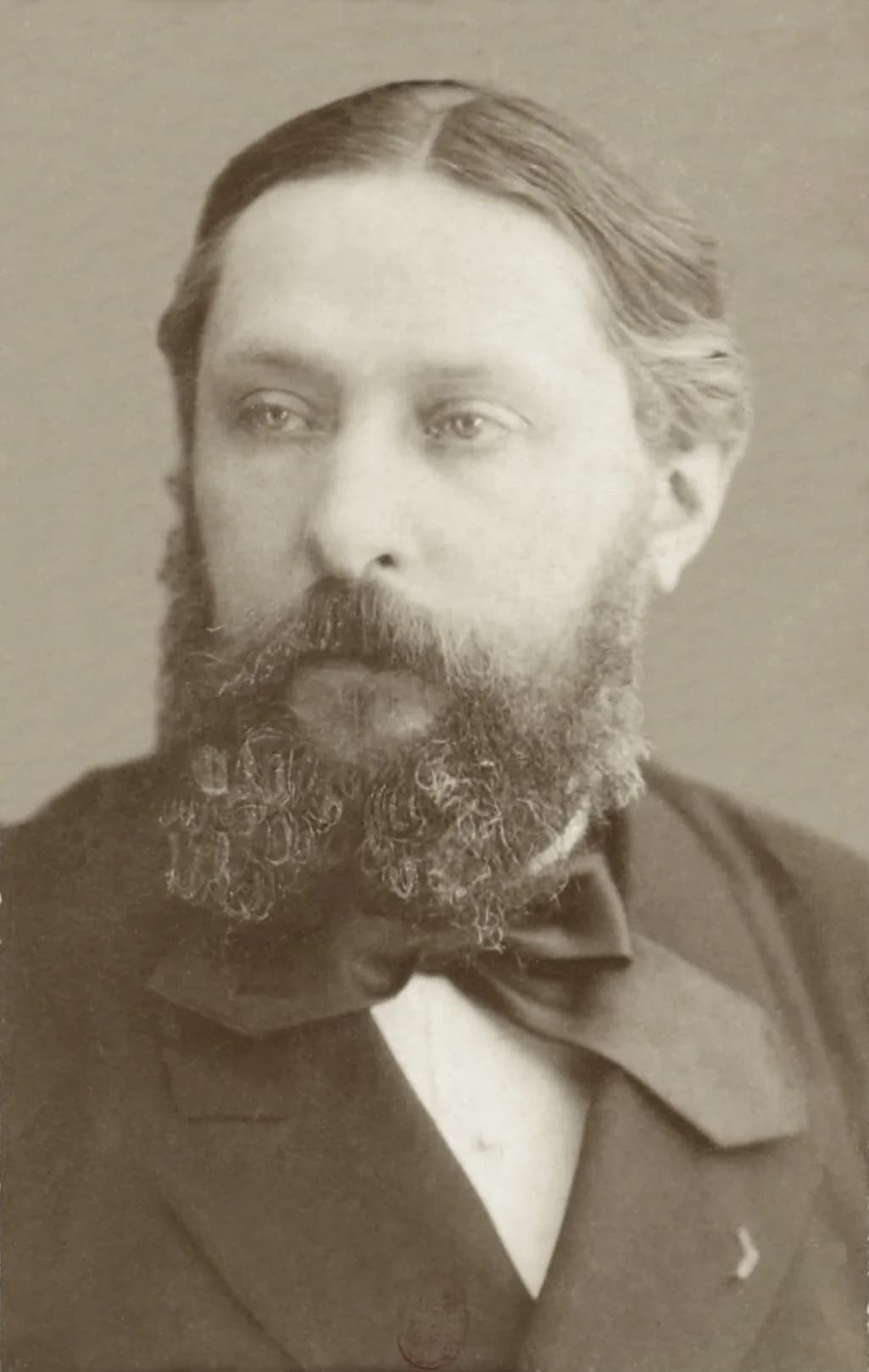
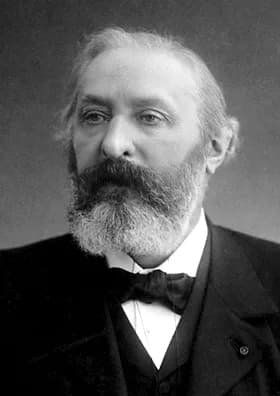
Sully Prudhomme (1839–1907) was France best known for French poet, Nobel prize for literature winner 1901.
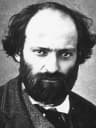
René François Armand "Sully" Prudhomme (March 16, 1839 – September 7, 1907) was a celebrated French poet and essayist. He made history as the first recipient of the Nobel Prize in Literature in 1901 for his lofty idealism and artistic perfection. His work profoundly influenced French literary tradition.
පරිච්ඡේදය
ජීවන පරිච්ඡේද
පරිච්ඡේදය 1 · 1839· පරිච්ඡේදය 1 of 7
Early Life and Origins
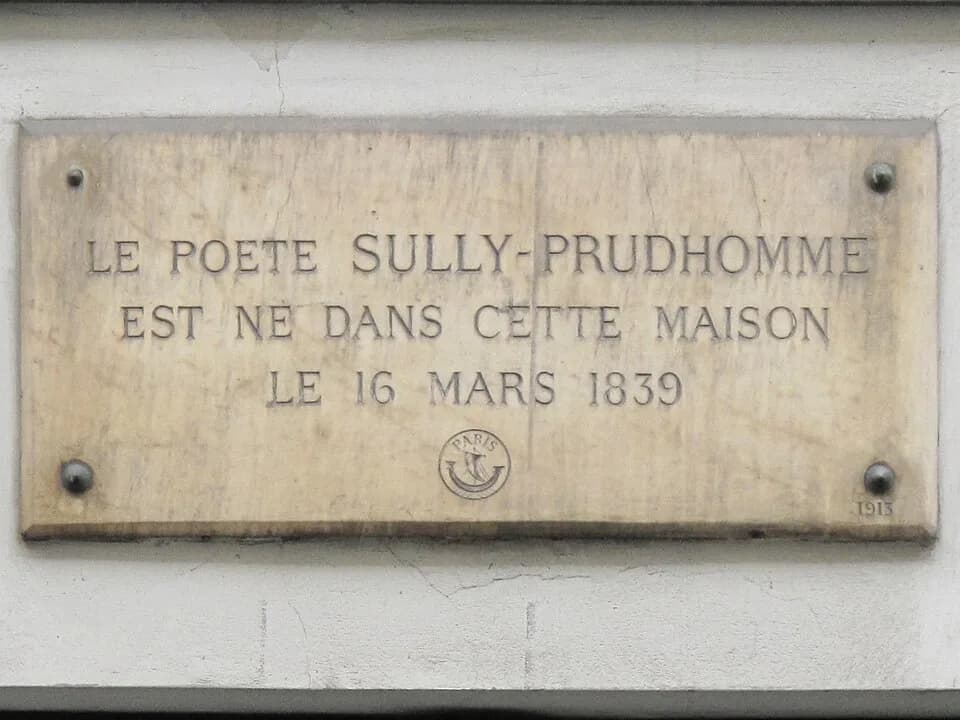
Sully Prudhomme was born on March 16, 1839, in the 10ᵗʰ arrondissement of Paris, France. His birthplace, the vibrant and culturally rich capital city, provided the initial environment for his development. This early connection to Paris, a hub of intellectual and artistic activity, would influence his lifelong pursuits.
පරිච්ඡේදය 2· පරිච්ඡේදය 2 of 7
Career Beginnings
Prudhomme embarked on a career that saw him embrace multiple intellectual roles, primarily as a writer and poet. His literary journey began with a dedication to poetry, which would become the cornerstone of his public recognition. Over time, his intellectual curiosity also led him to explore philosophy, essay writing, and keeping a detailed diary.
පරිච්ඡේදය 3 · 1901· පරිච්ඡේදය 3 of 7
Major Achievements and Career Highlights
The crowning achievement of Sully Prudhomme's career came in 1901 when he was awarded the very first Nobel Prize in Literature. The Swedish Academy recognized him “in special recognition of his poetic composition, which gives evidence of lofty idealism, artistic perfection and a rare combination of the qualities of both heart and intellect.” This historic award highlighted the profound impact of his work on contemporary literature and thought, marking a significant moment in global literary recognition.
පරිච්ඡේදය 4· පරිච්ඡේදය 4 of 7
Personal Life
While specific details about Sully Prudhomme's personal life beyond his professional endeavors are not extensively documented in the provided information, his multifaceted professional life suggests a deeply reflective and intellectually engaged individual. His roles as a poet, philosopher, essayist, and diarist indicate a keen interest in introspection and the human condition. His writings often explored themes that could be seen as reflections of his inner world and observations.
පරිච්ඡේදය 5· පරිච්ඡේදය 5 of 7
Notable Works or Contributions
Sully Prudhomme's literary output included a range of notable works that showcased his refined poetic style and philosophical depth. Among his acclaimed collections are “Eyes,” “Poésies,” and “Stances et poëmes,” which established him as a significant voice in French poetry. He also penned works such as “La révolte des fleurs” and “La nymphe des bois de Versailles,” further demonstrating his creative range.
His comprehensive “Œuvres” and “Œuvres de Sully Prudhomme de l'Académie française” collected his extensive body of writing for posterity. Other significant titles include “Vaines Tendresses Études et Portraits Littéraires, Premier Série,” and “Le problème des causes finales,” which delved into more philosophical considerations. Even posthumously, works like “Journal intime ; lettres ; pensées” continued to reveal his intellectual journey, with later academic analyses like “La Philosophie de M. Sully Prudhomme” and musical interpretations such as Gabriel Fauré's setting of his poetry in “Ici-bas!” underscoring his lasting cultural resonance.
පරිච්ඡේදය 6 · 1907· පරිච්ඡේදය 6 of 7
Later Years
Sully Prudhomme spent his final years in Châtenay-Malabry, France, where he passed away on September 7, 1907. This serene town served as his last residence, a contrast to his bustling Parisian origins. His death marked the end of an era for French literature, leaving behind a legacy that had already been internationally acknowledged.
පරිච්ඡේදය 7· පරිච්ඡේදය 7 of 7
Legacy and Impact
Sully Prudhomme's legacy is primarily defined by his historic achievement as the first Nobel Laureate in Literature, setting a precedent for future literary recognition. His poetic compositions, imbued with idealism and artistic perfection, continue to be studied and admired for their unique blend of emotion and intellect. He left an enduring influence on French poetry and philosophical discourse through his writings.
Beyond his literary accolades, Prudhomme's intellectual pursuits extended into more structured academic contributions. His collected “Œuvres” remain a primary resource for scholars, offering insights into 19th-century French thought and poetic tradition. His impact can also be measured by academic interest, reflected in his h-index of 1 and numerous papers related to his works and philosophy, illustrating a sustained engagement with his intellectual contributions over time, even with varying citation counts for specific academic publications.
මොහොතවල ජීවිතයක්
ජීවිතයක් හැඩගස්වූ මොහොත
නිතර අසන පැන
නිතර අසන
Sully Prudhomme මිය ගියේ කවදාද?
Sully Prudhomme 1907 බිනර 7 දින Châtenay-Malabry, France හිදී වයස අවුරුදු 68දී මිය ගියේය.
Sully Prudhomme උපන්නේ කොහේද?
Sully Prudhomme 10ᵗʰ arrondissement of Paris, France හි 1839 මැදින් 16 දින උපන්නේය.
Sully Prudhomme වඩාත් ප්රසිද්ධ වන්නේ කුමක්ට ද?
Sully Prudhomme වඩාත් ප්රසිද්ධ වන්නේ French poet, Nobel prize for literature winner 1901 සඳහාය.
මිය යන විට Sully Prudhommeගේ වයස කොපමණද?
මිය යන විට Sully Prudhommeගේ වයස අවුරුදු 68 විය.
Sully Prudhommeගේ ජාතිකත්වය කුමක්ද?
Sully Prudhomme France වෙතින් පැමිණියේය.
කාලරේඛාව
ජීවිතය එක බැල්මකින්
ඡායාරූප ගැලරිය
චිත්රවල ජීවිතයක්
විස්තාරණය කිරීමට ඕනෑම පොලරොයිඩ් එකක් ක්ලික් කරන්න · ඡායාරූප 37
QR කේතය
මෙම චරිතාපදානය බෙදාගන්න
මුද්රණය හා බෙදාගැනීම
මෙම චරිතාපදාන පිටුව නැරඹීමට ස්කෑන් කරන්න. උත්සව, ප්රදර්ශන, හෝ අධ්යාපන ද්රව්ය සඳහා මුද්රණය කරන්න.