උපන්
January 2, 1822
Koszalin, Poland
මිය ගිය
August 24, 1888
Bonn, Germany
ප්රසිද්ධ වන්නේ
German mathematical physicist and professor
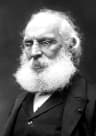
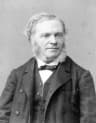
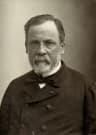
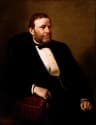
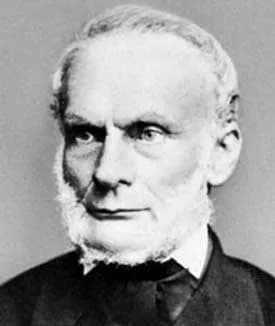
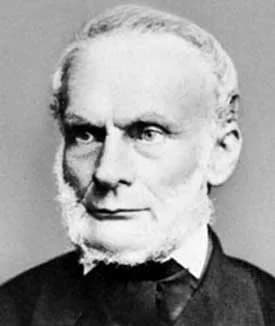
Rudolf Clausius (1822–1888) was Poland best known for German mathematical physicist and professor.
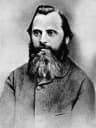
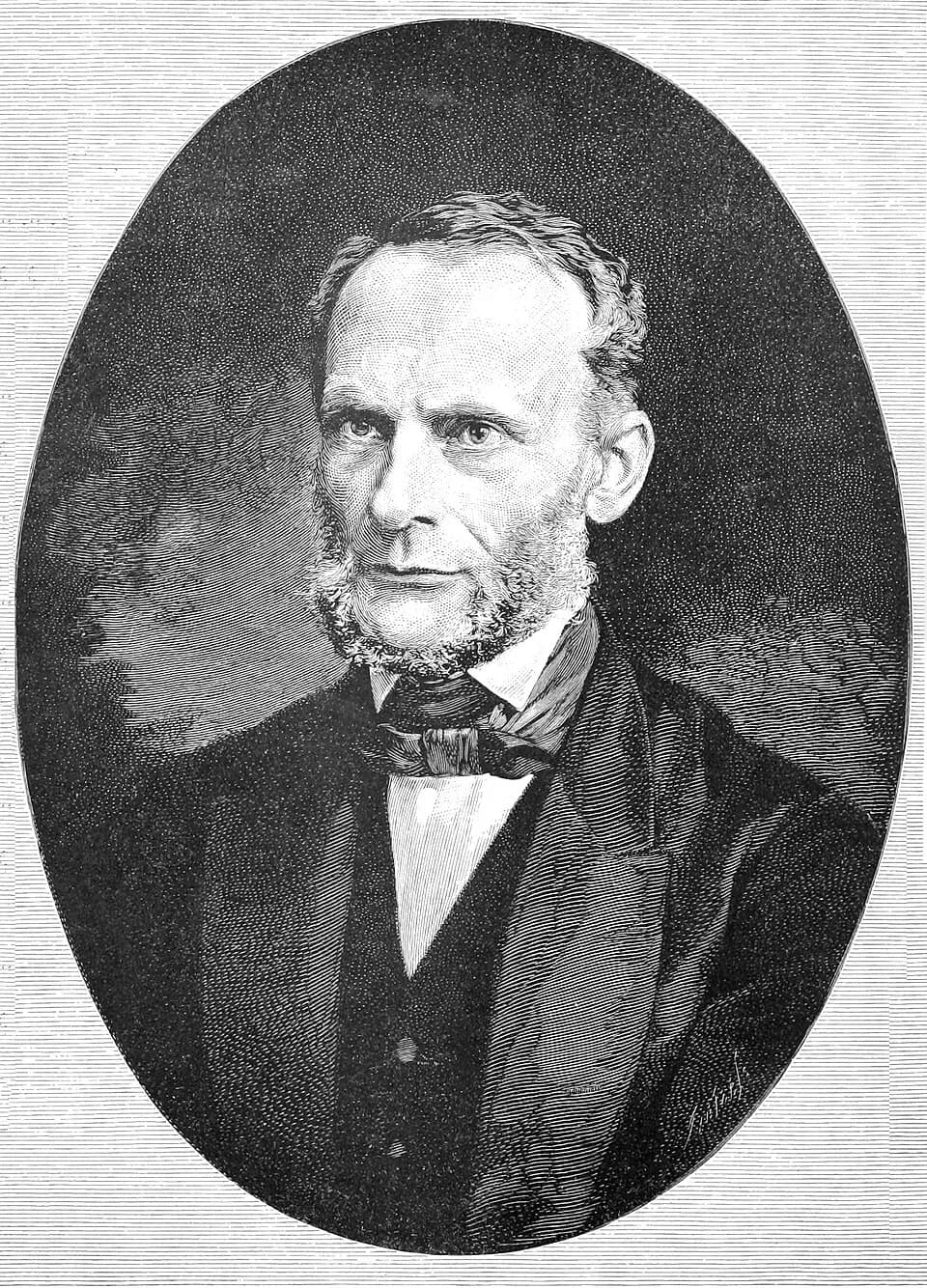
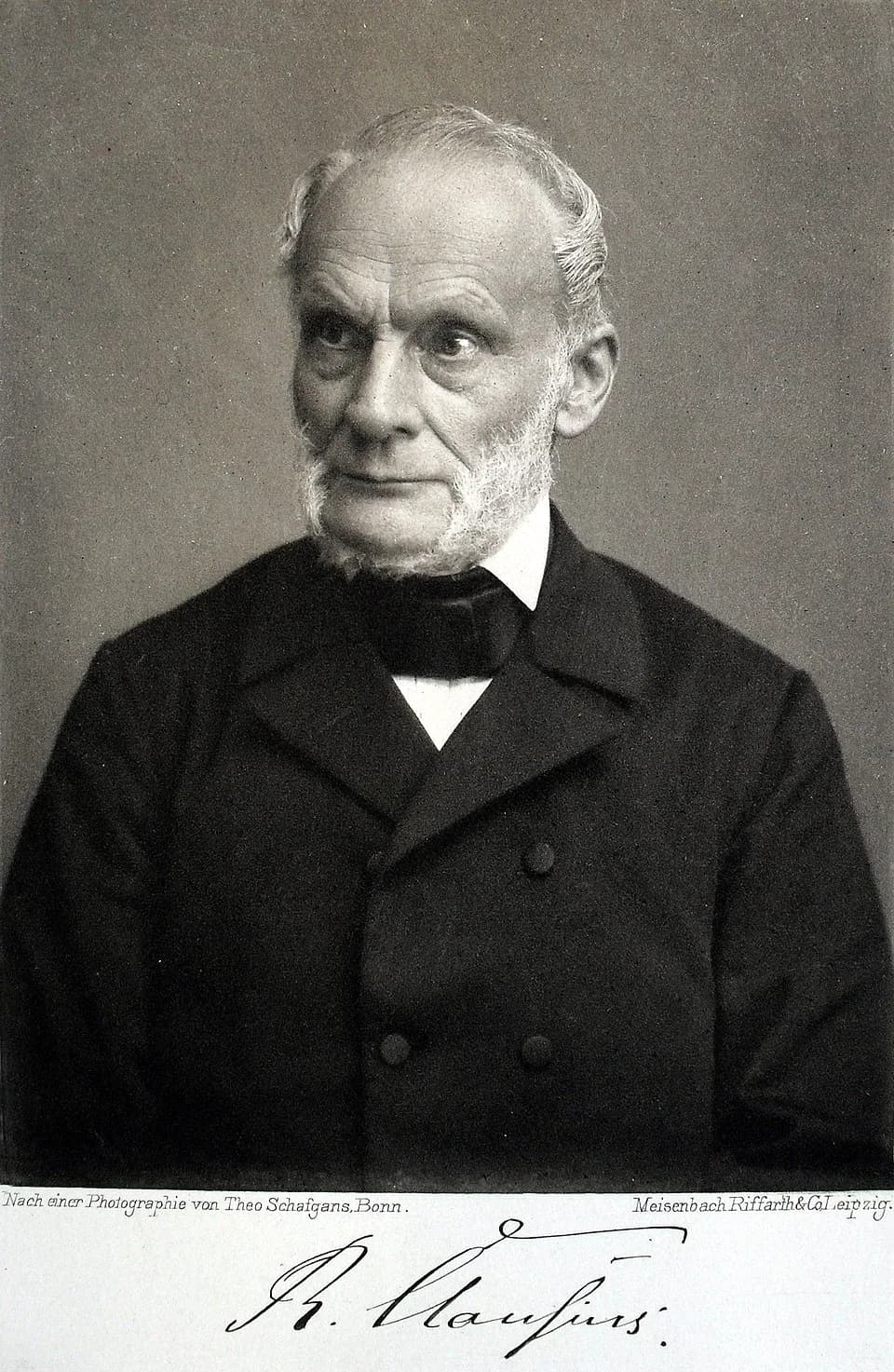
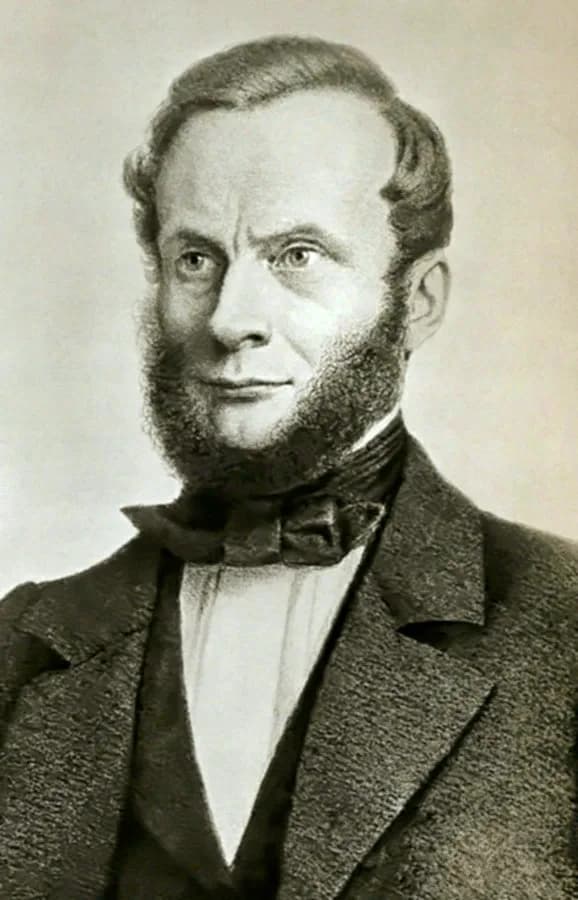
Rudolf Clausius (January 2, 1822 – August 24, 1888) was a German mathematical physicist and professor. He established the basic ideas of the second law of thermodynamics and introduced the concept of entropy. His theories reshaped the understanding of heat and energy, making him a founding father of thermodynamics.
පරිච්ඡේදය
ජීවන පරිච්ඡේද
පරිච්ඡේදය 1 · 1822· පරිච්ඡේදය 1 of 7
Early Life and Origins
Rudolf Clausius began his life in Koszalin, Poland, where he was born on January 2, 1822. Details of his early family life and upbringing are not extensively documented in available summaries, but his academic path eventually led him to become a notable figure in German science. His foundational education likely prepared him for the advanced studies that would define his professional trajectory.
පරිච්ඡේදය 2· පරිච්ඡේදය 2 of 7
Career Beginnings
Clausius pursued a career that combined the disciplines of physics and mathematics, distinguishing himself as a university teacher. He dedicated his intellectual efforts to understanding the principles governing energy and heat. As a theoretical physicist, his early work focused on refining existing theories and establishing new frameworks for scientific inquiry.
පරිච්ඡේදය 3· පරිච්ඡේදය 3 of 7
Major Achievements and Career Highlights
Clausius's contributions to thermodynamics are central to his legacy. He provided a truer and sounder basis for the theory of heat by restating Sadi Carnot's principle, which is famously known as the Carnot cycle. This restatement clarified critical aspects of energy conversion and efficiency.
A significant milestone in his career was the publication of his paper, "On the Moving Force of Heat," in 1850. This seminal work first articulated the basic ideas that would become the second law of thermodynamics. This law describes the natural direction of energy transfer and the inherent irreversibility of many physical processes.
Continuing his impactful work, Clausius introduced the crucial concept of entropy in 1865. Entropy, a measure of disorder or randomness within a system, became a cornerstone of modern physics and chemistry. His formulation provided a quantitative way to understand the dispersal of energy and the limits of its availability for work.
In 1870, Clausius expanded his theoretical framework by introducing the virial theorem. This theorem, which he applied to heat, provides a general equation that relates the average kinetic energy of a stable system of particles to its average potential energy. This concept found broad applications in areas ranging from astrophysics to quantum mechanics.
පරිච්ඡේදය 4· පරිච්ඡේදය 4 of 7
Personal Life
Specific details regarding Rudolf Clausius's personal life, family, relationships, or non-academic interests are not available in the provided information. His public persona was predominantly defined by his significant intellectual pursuits and contributions to science.
පරිච්ඡේදය 5 · 1850· පරිච්ඡේදය 5 of 7
Notable Works or Contributions
Clausius's most important paper, "On the Moving Force of Heat," published in 1850, stands as a monumental work. It laid the groundwork for the second law of thermodynamics, a principle that dictates the direction of spontaneous processes. This publication fundamentally altered scientific understanding of energy.
The introduction of the concept of entropy in 1865 was another singular contribution. Clausius not only coined the term but also developed its mathematical definition, providing a quantitative measure for the unavailability of a system's thermal energy for conversion into mechanical work. This concept is vital for understanding heat engines and the universe's ultimate fate.
Furthermore, his virial theorem, introduced in 1870, demonstrated his versatile mathematical and physical acumen. By relating kinetic and potential energies, he offered a powerful tool for analyzing the stability and behavior of complex systems under the influence of various forces. This theorem continues to be a valuable analytical instrument in scientific research.
පරිච්ඡේදය 6 · 1888· පරිච්ඡේදය 6 of 7
Later Years
Rudolf Clausius continued his academic and research endeavors through his later years, solidifying his status as a leading scientific figure. He passed away on August 24, 1888, in Bonn, Germany. His death marked the end of a life dedicated to rigorous scientific inquiry and teaching, leaving behind a rich body of work that would influence generations of physicists and mathematicians.
පරිච්ඡේදය 7· පරිච්ඡේදය 7 of 7
Legacy and Impact
Clausius's legacy endures as a central pillar of modern physics. By establishing the basic ideas of the second law of thermodynamics and introducing entropy, he provided the conceptual and mathematical tools to understand energy transformations. His work laid the theoretical groundwork for much of engineering and physical chemistry.
His careful restatement of Carnot's principle and his original contributions gave the theory of heat a solid scientific foundation. The concepts he introduced are not just historical curiosities but continue to be essential for fields ranging from climate science to quantum computing. Rudolf Clausius's insights remain fundamental to our understanding of the universe's energetic behavior.
මොහොතවල ජීවිතයක්
ජීවිතයක් හැඩගස්වූ මොහොත
නිතර අසන පැන
නිතර අසන
Rudolf Clausius මිය ගියේ කවදාද?
Rudolf Clausius 1888 නිකිණි 24 දින Bonn, Germany හිදී වයස අවුරුදු 66දී මිය ගියේය.
Rudolf Clausius උපන්නේ කොහේද?
Rudolf Clausius Koszalin, Poland හි 1822 දුරුතු 2 දින උපන්නේය.
Rudolf Clausius වඩාත් ප්රසිද්ධ වන්නේ කුමක්ට ද?
Rudolf Clausius වඩාත් ප්රසිද්ධ වන්නේ German mathematical physicist and professor සඳහාය.
මිය යන විට Rudolf Clausiusගේ වයස කොපමණද?
මිය යන විට Rudolf Clausiusගේ වයස අවුරුදු 66 විය.
Rudolf Clausiusගේ ජාතිකත්වය කුමක්ද?
Rudolf Clausius Poland වෙතින් පැමිණියේය.
කාලරේඛාව
ජීවිතය එක බැල්මකින්
ඡායාරූප ගැලරිය
චිත්රවල ජීවිතයක්
විස්තාරණය කිරීමට ඕනෑම පොලරොයිඩ් එකක් ක්ලික් කරන්න · ඡායාරූප 22
QR කේතය
මෙම චරිතාපදානය බෙදාගන්න
මුද්රණය හා බෙදාගැනීම
මෙම චරිතාපදාන පිටුව නැරඹීමට ස්කෑන් කරන්න. උත්සව, ප්රදර්ශන, හෝ අධ්යාපන ද්රව්ය සඳහා මුද්රණය කරන්න.