උපන්
January 27, 1903
Melbourne, Australia
මිය ගිය
May 2, 1997
Tenero-Contra, Switzerland
ප්රසිද්ධ වන්නේ
Australian neurophysiologist
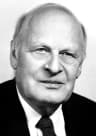
John Eccles (1903–1997) was Australia best known for Australian neurophysiologist.
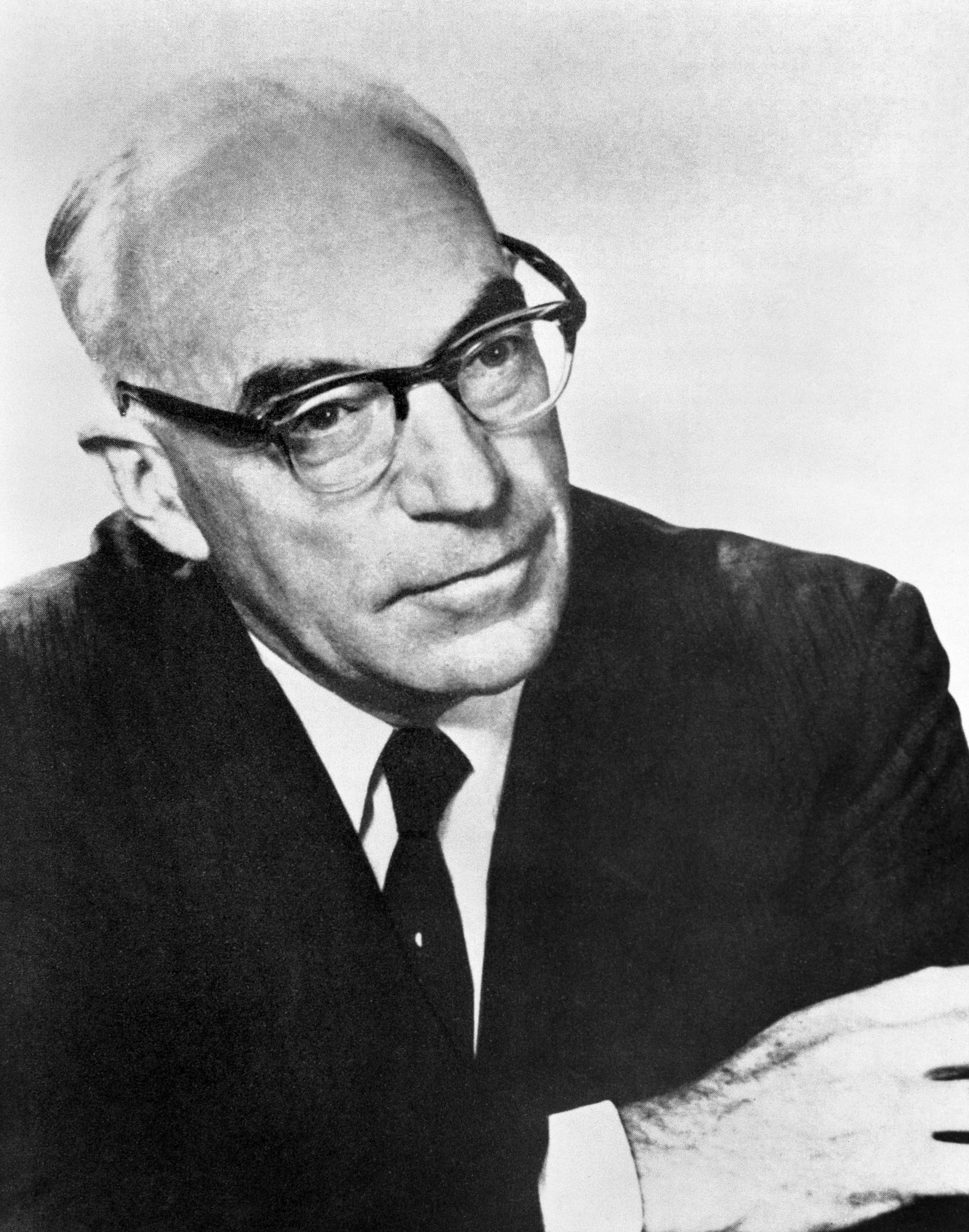
Sir John Carew Eccles (January 27, 1903 – May 2, 1997) was an Australian neurophysiologist and philosopher. He won the 1963 Nobel Prize in Physiology or Medicine for his discoveries concerning the synapse. His work on ionic mechanisms significantly advanced understanding of nerve cell function.
පරිච්ඡේදය
ජීවන පරිච්ඡේද
පරිච්ඡේදය 1 · 1903· පරිච්ඡේදය 1 of 7
Opening Tribute to a Scientific Giant
Sir John Carew Eccles, born on January 27, 1903, and who passed away on May 2, 1997, stands as a towering figure in the annals of modern science. As an Australian neurophysiologist, he dedicated his life to unraveling the intricate mysteries of the nervous system, ultimately reshaping our understanding of how nerve cells communicate. His profound contributions earned him international acclaim and cemented his legacy as a pioneering physician, professor, researcher, neurologist, physiologist, philosopher, and neuroscientist.
Eccles's relentless pursuit of knowledge illuminated fundamental processes vital to all life, especially concerning brain function. His work was not merely academic; it provided a foundational framework for future explorations into neurological disorders and human cognition. Through his career, he exemplified intellectual rigor and an unwavering commitment to scientific discovery, leaving an enduring mark on multiple disciplines.
පරිච්ඡේදය 2 · 1903· පරිච්ඡේදය 2 of 7
Early Life and Origins
John Eccles entered the world in Melbourne, Australia, on January 27, 1903, beginning a journey that would take him to the forefront of scientific thought. His early years in Australia laid the groundwork for a distinguished academic and research career spanning several decades. While specific details about his family and upbringing are not widely documented, his foundational education in Australia clearly nurtured his burgeoning scientific curiosity.
His intellectual path soon led him beyond his native land, seeking to immerse himself in the vibrant scientific communities of his era. This early period of his life was crucial in shaping his perspectives and preparing him for the complex challenges of neurophysiological research. The disciplined pursuit of knowledge from his youth propelled him towards impactful future endeavors.
පරිච්ඡේදය 3· පරිච්ඡේදය 3 of 7
Career Beginnings and Professional Roles
Eccles embarked on his professional journey with a diverse set of roles, reflecting his broad scientific interests and deep expertise. He was trained as a physician, a profession that instilled in him a practical understanding of human biology and disease. This clinical foundation undoubtedly informed his subsequent research in the complex world of neurophysiology.
Beyond his medical practice, Eccles quickly established himself as a respected professor and researcher, dedicating himself to both teaching and experimental inquiry. He was also recognized as a neurologist, delving into the study and treatment of nervous system disorders. His academic pursuits were complemented by his identity as a physiologist, investigating the mechanical, physical, and biochemical functions of living organisms.
His intellectual curiosity also extended into philosophy, prompting him to consider the deeper implications of his scientific discoveries on the nature of mind and consciousness. Ultimately, he was best known as a neuroscientist, a term encompassing his specialized focus on the nervous system. These varied professions speak to the breadth and depth of his engagement with science and thought.
පරිච්ඡේදය 4 · 1963· පරිච්ඡේදය 4 of 7
Major Achievements and Career Highlights
The pinnacle of Sir John Eccles's career arrived in 1963 when he was awarded the Nobel Prize in Physiology or Medicine. This prestigious honor recognized his groundbreaking work on the synapse, the crucial junction where nerve cells transmit signals to one another. He shared this esteemed award with fellow scientists Andrew Huxley and Alan Lloyd Hodgkin, acknowledging their collective contributions to understanding nerve impulses.
His Nobel Prize was specifically cited for “their discoveries concerning the ionic mechanisms involved in excitation and inhibition in the peripheral and central portions of the nerve cell membrane.” This detailed description highlights the precise nature of his research, focusing on the electrical and chemical processes that govern nerve cell communication. His insights provided a fundamental understanding of how the brain and nervous system operate at a cellular level, profoundly impacting neurobiology.
Eccles's work illuminated how nerve cells, or neurons, generate electrical signals and how these signals are either promoted (excitation) or suppressed (inhibition) as they cross the synaptic gap. This intricate ballet of ions across the nerve cell membrane is essential for every thought, movement, and sensation. His discoveries paved the way for countless future studies into neurological function and dysfunction, establishing a cornerstone of modern neuroscience.
පරිච්ඡේදය 5· පරිච්ඡේදය 5 of 7
Notable Contributions and Scientific Legacy
While specific titles of academic publications in his name are not highlighted among his primary contributions, Sir John Eccles's most significant work remains the body of research that earned him the Nobel Prize. His detailed investigations into the ionic mechanisms of nerve cells revealed the fundamental principles of synaptic transmission. This research explained how electrical impulses are transferred between neurons, a process essential for the entire nervous system's operation.
He meticulously demonstrated how specific ions, like sodium, potassium, and chloride, move across the nerve cell membrane to create electrical potentials, which in turn facilitate or inhibit signal transmission. This understanding clarified how nerve cells generate and process information, providing critical insights into brain function. His rigorous experimental approaches and analytical prowess defined a new era in neurophysiology.
The impact of his contributions extended far beyond the laboratory, influencing fields from medicine to psychology. By demystifying the basic units of neural communication, Eccles provided a tangible basis for understanding complex behaviors and cognitive processes. His work laid the groundwork for research into neurotransmitters, neural networks, and the cellular basis of learning and memory, leaving an indelible mark on scientific progress.
පරිච්ඡේදය 6 · 1997· පරිච්ඡේදය 6 of 7
Later Years and Enduring Influence
Sir John Eccles continued to contribute to the scientific community in his later years, maintaining an active intellectual life. He passed away on May 2, 1997, in Tenero-Contra, Switzerland, leaving behind a legacy of profound scientific achievement. His final years were spent in a setting that allowed him to reflect on a career that dramatically reshaped scientific understanding.
His passing marked the end of an era for a scientist who had dedicated his life to understanding the fundamental workings of the nervous system. The principles he discovered continue to be taught in neuroscience textbooks worldwide, forming the bedrock of contemporary research. His intellectual journey, from Melbourne to the global stage of scientific discovery, continues to inspire.
පරිච්ඡේදය 7· පරිච්ඡේදය 7 of 7
Legacy and Impact on Neuroscience
Sir John Eccles's legacy is deeply embedded in the very fabric of modern neuroscience. His work fundamentally altered how scientists perceive and study the nervous system, moving beyond mere observation to a detailed understanding of cellular mechanisms. He provided the empirical data and theoretical framework that established synaptic transmission as a cornerstone of neurobiology.
His discoveries opened vast avenues for research into neurological diseases, pharmacological interventions, and the intricate processes of brain function. Researchers today still build upon the concepts of excitation and inhibition that Eccles so elegantly elucidated, applying them to complex problems like epilepsy, Parkinson's disease, and cognitive impairments. The clarity he brought to nerve cell communication remains a guiding light for current and future generations of neuroscientists.
Eccles's commitment to rigorous scientific inquiry and his ability to unravel complex biological puzzles continue to inspire. His name is synonymous with intellectual bravery and scientific precision, forever remembered as a pioneering figure who advanced humanity’s understanding of its most complex organ, the brain. His profound influence ensures that his insights will continue to shape our knowledge for decades to come.
මොහොතවල ජීවිතයක්
ජීවිතයක් හැඩගස්වූ මොහොත
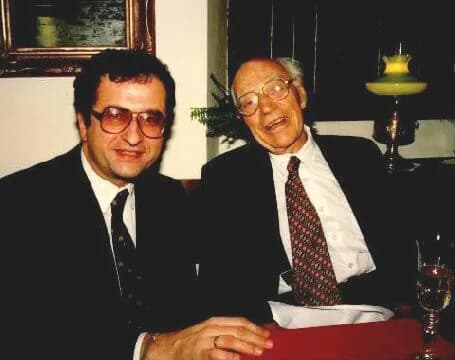
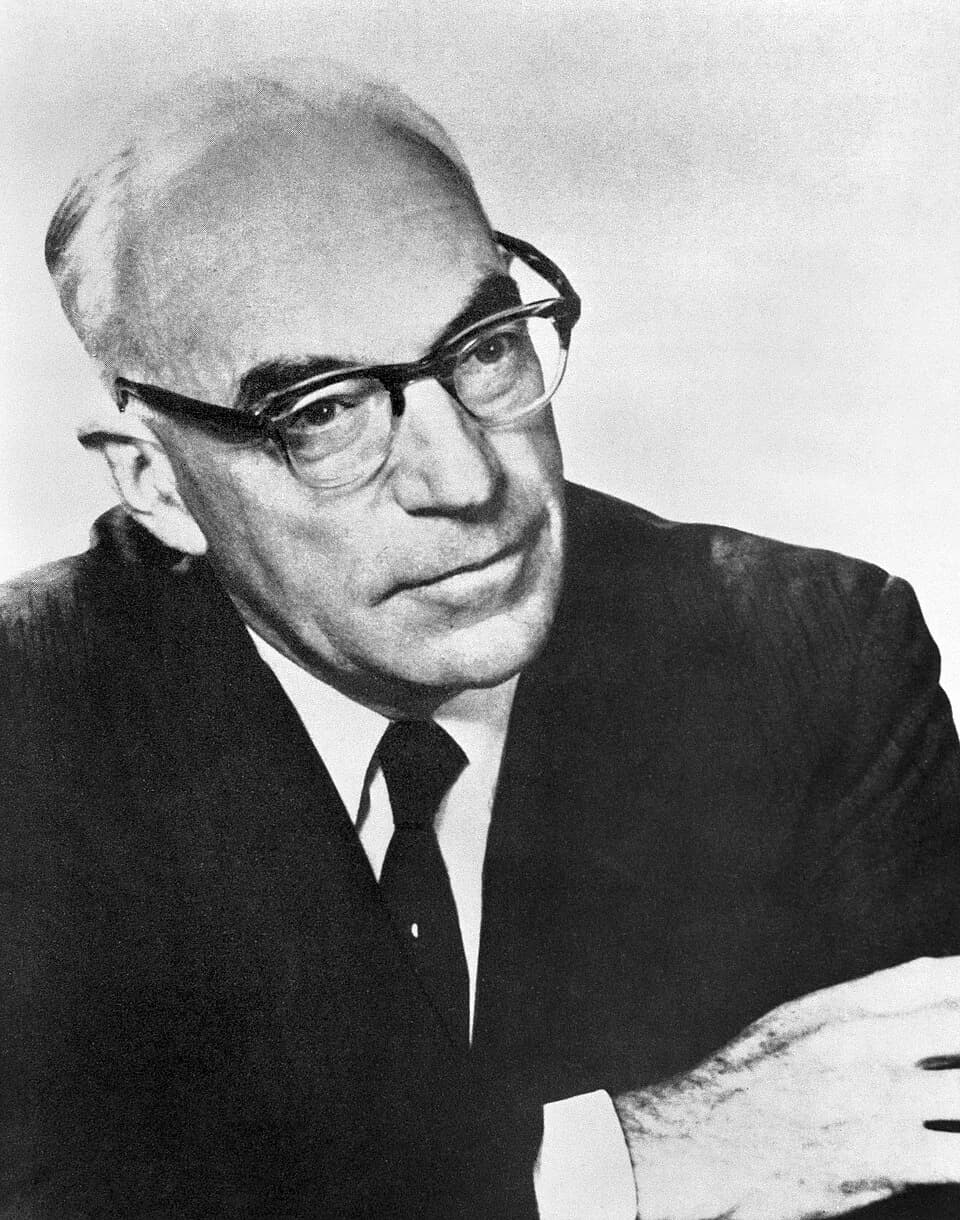
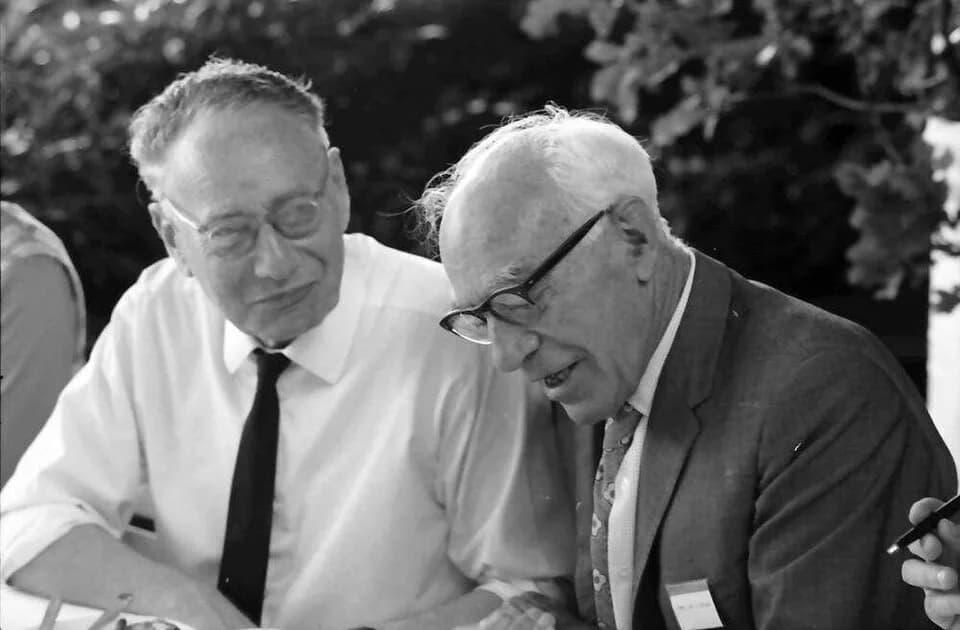
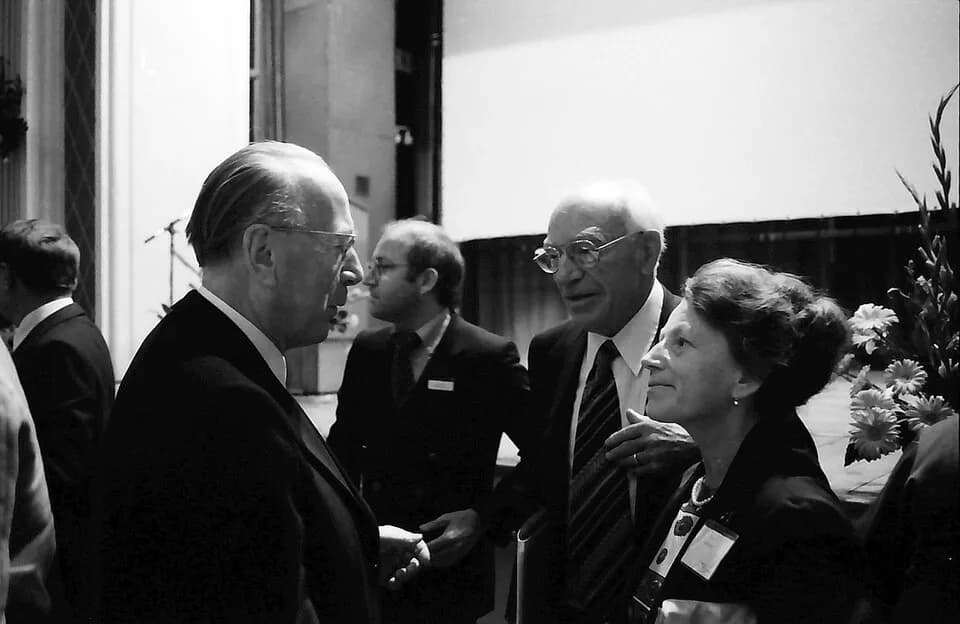


නිතර අසන පැන
නිතර අසන
John Eccles මිය ගියේ කවදාද?
John Eccles 1997 වෙසක් 2 දින Tenero-Contra, Switzerland හිදී වයස අවුරුදු 94දී මිය ගියේය.
John Eccles උපන්නේ කොහේද?
John Eccles Melbourne, Australia හි 1903 දුරුතු 27 දින උපන්නේය.
John Eccles වඩාත් ප්රසිද්ධ වන්නේ කුමක්ට ද?
John Eccles වඩාත් ප්රසිද්ධ වන්නේ Australian neurophysiologist සඳහාය.
මිය යන විට John Ecclesගේ වයස කොපමණද?
මිය යන විට John Ecclesගේ වයස අවුරුදු 94 විය.
John Ecclesගේ ජාතිකත්වය කුමක්ද?
John Eccles Australia වෙතින් පැමිණියේය.
කාලරේඛාව
ජීවිතය එක බැල්මකින්
ඡායාරූප ගැලරිය
චිත්රවල ජීවිතයක්
විස්තාරණය කිරීමට ඕනෑම පොලරොයිඩ් එකක් ක්ලික් කරන්න · ඡායාරූප 18
QR කේතය
මෙම චරිතාපදානය බෙදාගන්න
මුද්රණය හා බෙදාගැනීම
මෙම චරිතාපදාන පිටුව නැරඹීමට ස්කෑන් කරන්න. උත්සව, ප්රදර්ශන, හෝ අධ්යාපන ද්රව්ය සඳහා මුද්රණය කරන්න.