උපන්
January 1, 1519
Venice, Italy
මිය ගිය
May 31, 1594
Venice, Italy
ප්රසිද්ධ වන්නේ
Renaissance painter (1518/1519–1594)
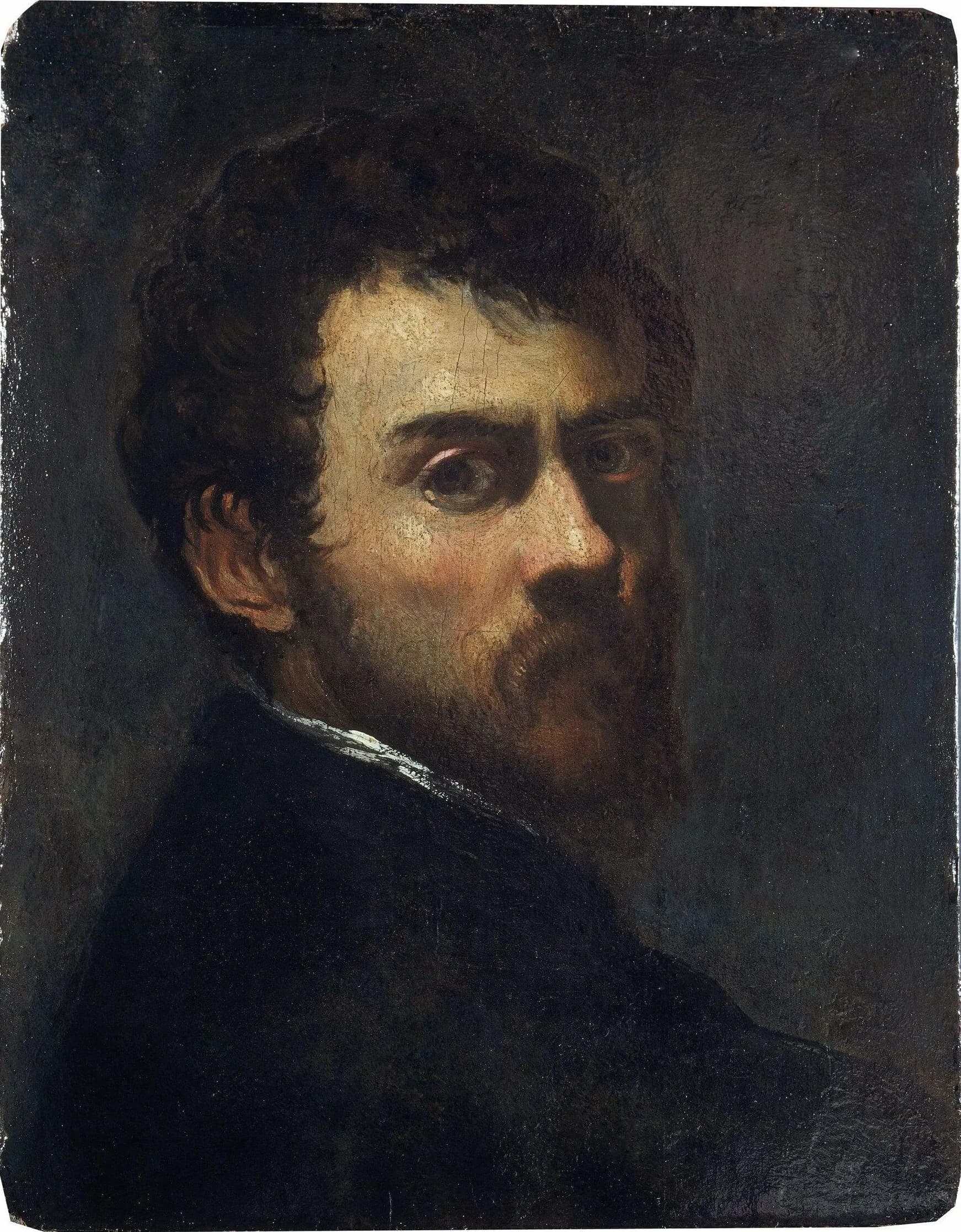
Jacopo Tintoretto (1519–1594) was Italy best known for Renaissance painter (1518/1519–1594).
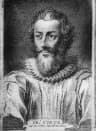
Jacopo Tintoretto (January 1, 1519 – May 31, 1594) was a Renaissance painter, architectural drafter, and visual artist from Venice, Italy. He was known for his energetic brushwork and dramatic figures, earning him the moniker 'il Furioso.' His work shaped the Venetian school with its bold perspective and Mannerist style.
පරිච්ඡේදය
ජීවන පරිච්ඡේද
පරිච්ඡේදය 1 · 1519· පරිච්ඡේදය 1 of 4
Early Life and Origins
Born Jacopo Robusti on the first day of January in 1519, Jacopo Tintoretto hailed from the vibrant city of Venice, Italy. This iconic city, renowned as a hub of art and culture during the Renaissance, served as both his birthplace and the setting for his entire professional career. He later became universally known by the moniker Tintoretto, a name derived from his father's profession as a dyer, which was a common way to identify individuals in Venice at the time.
පරිච්ඡේදය 2· පරිච්ඡේදය 2 of 4
A Distinctive Artistic Approach
Tintoretto quickly established a formidable reputation for his unique and energetic artistic approach, distinguishing himself among his contemporaries. His peers often remarked upon, and sometimes critiqued, the exceptional speed with which he executed his paintings. This rapid creation, coupled with an unprecedented boldness in his brushwork, became defining hallmarks of his signature style.
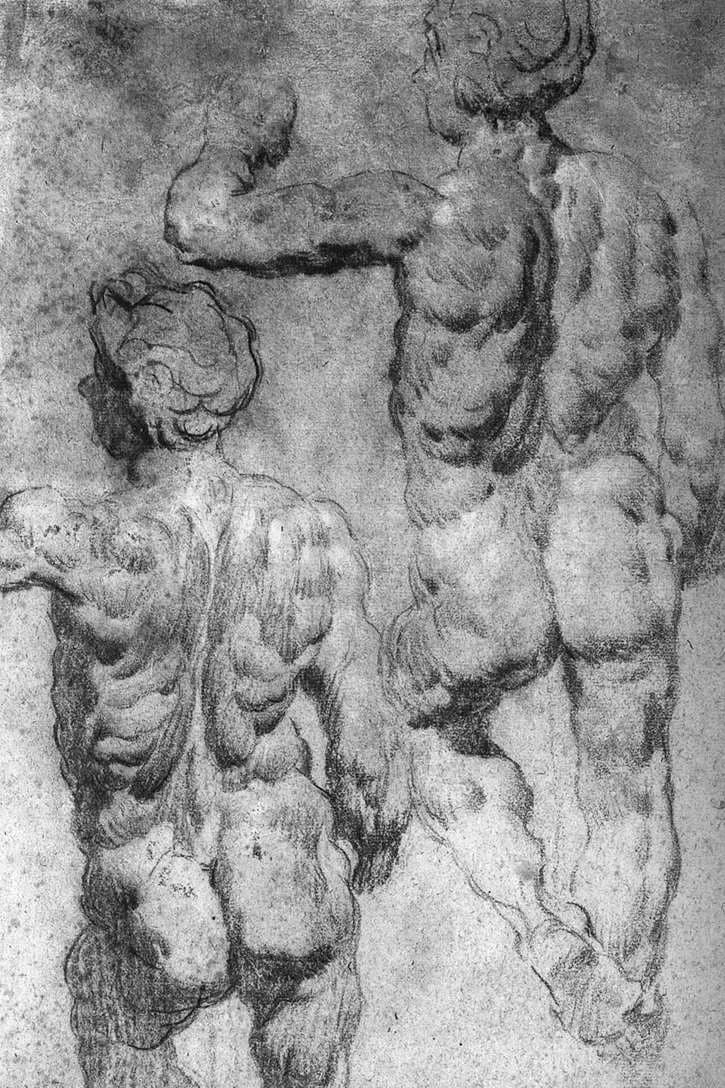
For this extraordinary energy and intense dedication to his art, Jacopo Tintoretto earned the fitting epithet “il Furioso.” His works are consistently characterized by strikingly muscular figures, frequently depicted with dramatic gestures that powerfully convey emotion and movement. He was a master of perspective, drawing viewers deep into his compositions with compelling spatial arrangements, all while embracing the Mannerist style prevalent in much of his artistic output.
පරිච්ඡේදය 3 · 1507· පරිච්ඡේදය 3 of 4
Notable Works and Enduring Contributions
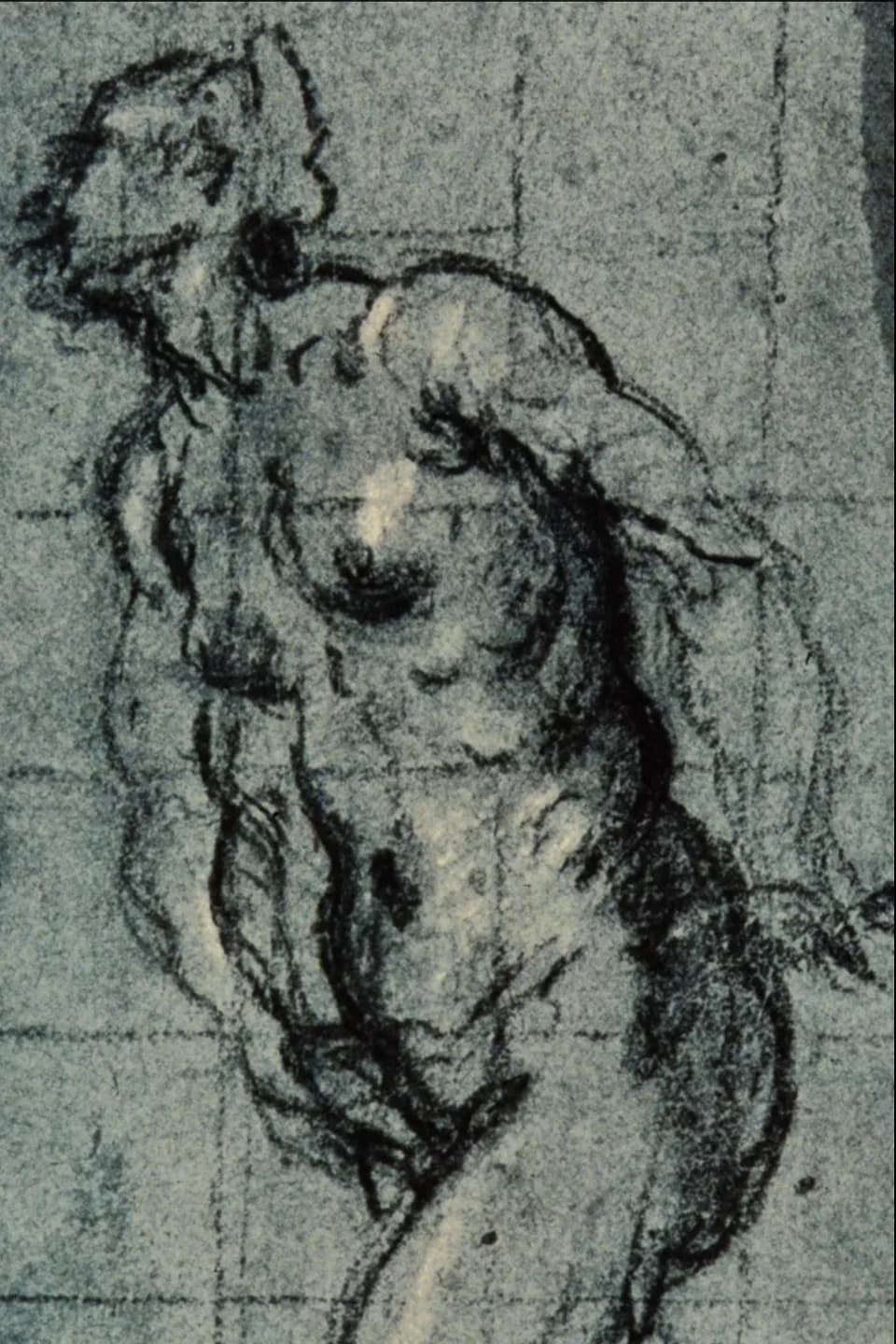
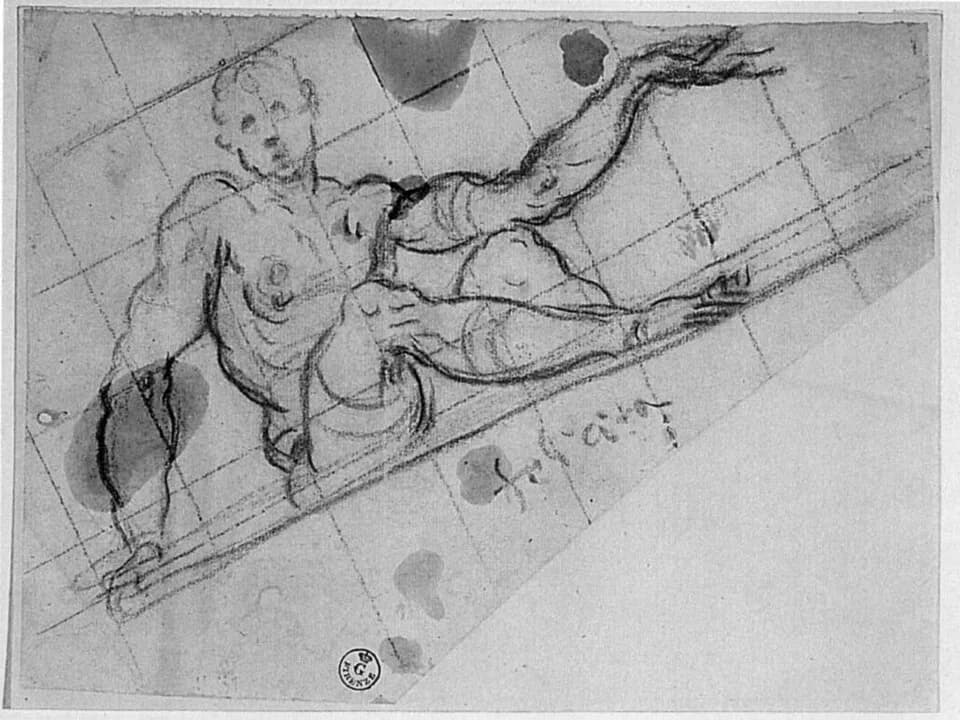
Throughout his prolific career, Tintoretto produced an extensive body of work that continues to garner admiration today, with numerous pieces carefully preserved in major international collections. Among his significant works held at the Metropolitan Museum of Art in New York are "Doge Alvise Mocenigo (1507–1577) Presented to the Redeemer," likely painted in 1577, and "The Finding of Moses," dating to the 1560s. The Met's collection also includes his "Portrait of a Man" from the 1550s and "The Miracle of the Loaves and Fishes," created around 1545–50, alongside studies like "Reclining Male Figure" from the 1560s.
The Art Institute of Chicago (AIC) is home to an equally impressive collection showcasing his artistic versatility, spanning from portraits to grand religious narratives. This includes "Tarquin and Lucretia," painted between 1578 and 1580, and the earlier work "Saint Helen Testing the True Cross," dating to approximately 1545. The AIC also features "Reclining Male Nude, Foreshortened" from 1562, alongside powerful biblical scenes such as "Jonah Cast Up by the Whale" and "Christ in the Olive Garden," the latter dated to 1590/1600.
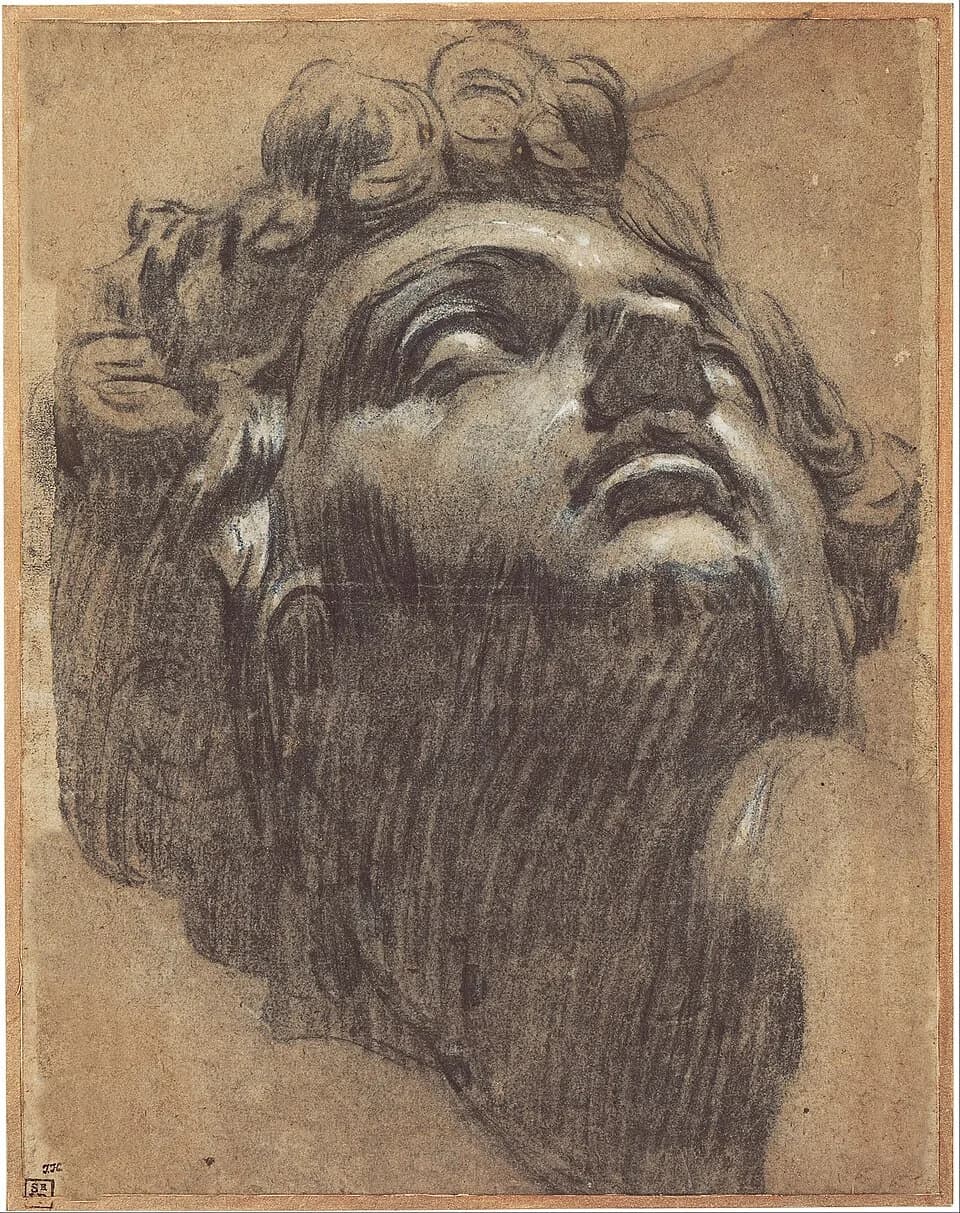
Further emphasizing his diverse talent, the AIC collection includes a "Roman Portrait Bust," a "Last Supper," and "The Last Judgment," though specific dates for these works are not provided. Other notable pieces at the AIC are "Moses Striding to the Left, Pointing with Left Hand" and "Standing Man Seen From Behind Cutting Bread," which exemplify his skill in capturing human form and narrative. These artworks collectively demonstrate his consistent application of dramatic perspective and powerful figure work that characterized his Venetian Renaissance style.
පරිච්ඡේදය 4 · 1594· පරිච්ඡේදය 4 of 4
Later Years and Final Legacy
Jacopo Tintoretto continued to paint and innovate throughout his life, maintaining a steadfast dedication to his craft until his passing. He died in his beloved Venice on May 31, 1594, leaving behind an artistic heritage deeply intertwined with the city's unique identity. His final years were marked by ongoing productivity, which further solidified his standing as an undeniable master of the Venetian school.
Tintoretto's contributions significantly shaped the trajectory of Renaissance painting, particularly within the Venetian tradition. His bold compositions, dynamic figures, and characteristic speed of execution clearly differentiated him from many of his contemporaries. He consistently pushed the boundaries of visual art, influencing succeeding generations with his unique interpretation of religious and mythological themes.
The legacy of Jacopo Tintoretto, affectionately known as “il Furioso,” is preserved not only in the numerous masterpieces he created but also in the enduring admiration for his courage in artistic expression. His unwavering commitment to dramatic narrative and visual intensity continues to resonate, securing his place as an unforgettable figure in art history. His work remains a vital source of study and inspiration for artists and art enthusiasts worldwide, reflecting his deep and enduring artistic contribution.
මොහොතවල ජීවිතයක්
ජීවිතයක් හැඩගස්වූ මොහොත
නිතර අසන පැන
නිතර අසන
Jacopo Tintoretto මිය ගියේ කවදාද?
Jacopo Tintoretto 1594 වෙසක් 31 දින Venice, Italy හිදී වයස අවුරුදු 75දී මිය ගියේය.
Jacopo Tintoretto උපන්නේ කොහේද?
Jacopo Tintoretto Venice, Italy හි 1519 දුරුතු 1 දින උපන්නේය.
Jacopo Tintoretto වඩාත් ප්රසිද්ධ වන්නේ කුමක්ට ද?
Jacopo Tintoretto වඩාත් ප්රසිද්ධ වන්නේ Renaissance painter (1518/1519–1594) සඳහාය.
මිය යන විට Jacopo Tintorettoගේ වයස කොපමණද?
මිය යන විට Jacopo Tintorettoගේ වයස අවුරුදු 75 විය.
Jacopo Tintorettoගේ ජාතිකත්වය කුමක්ද?
Jacopo Tintoretto Italy වෙතින් පැමිණියේය.
කාලරේඛාව
ජීවිතය එක බැල්මකින්
ඡායාරූප ගැලරිය
චිත්රවල ජීවිතයක්
විස්තාරණය කිරීමට ඕනෑම පොලරොයිඩ් එකක් ක්ලික් කරන්න · ඡායාරූප 25
QR කේතය
මෙම චරිතාපදානය බෙදාගන්න
මුද්රණය හා බෙදාගැනීම
මෙම චරිතාපදාන පිටුව නැරඹීමට ස්කෑන් කරන්න. උත්සව, ප්රදර්ශන, හෝ අධ්යාපන ද්රව්ය සඳහා මුද්රණය කරන්න.